


















Inside the 13 Akharas of Simhastha 2028: Hidden Rituals, Naga Sadhu Secrets & Real Traditions
Explore the 13 Akharas of Simhastha 2028, hidden rituals, Naga Sadhu life, Deeksha, Dhuni worship, and real traditions inside Akhara camps.


The 13 Akharas in Simhastha 2028 are ancient Hindu monastic orders led by Naga Sadhus, forming the spiritual core of the Kumbh Mela in Ujjain. These Akhara traditions govern sacred rituals like Shahi Snan, disciple initiation (Deeksha), and Dhuni worship, while preserving centuries-old systems of spiritual discipline, guru–disciple lineage, and Sanatan Dharma practices. Inside the Akhara camps, beyond public view, intense yogic practices, meditation, and ascetic training take place, making the 13 Akharas of Simhastha 2028 not just participants but the true drivers of the event’s spiritual energy.
To understand the complete structure and official roles of all Akharas, read our detailed guide on the 13 Akharas of Simhastha 2028: List and Roles
Inside the 13 Akharas of Simhastha 2028: Hidden Rituals, Naga Sadhu Life and Secret Traditions
Simhastha 2028 is not just an event to be seen, it is an experience to be understood. While millions of pilgrims gather for the Kumbh Mela, very few truly witness what happens inside the 13 Akharas. Beyond the visible rituals, grand processions, and the sacred Shahi Snan, there exists a deeper world of ascetic discipline, spiritual transformation, and ancient Akhara traditions that remain hidden from the general public.
The Akhara system is not a temporary arrangement created for the Kumbh Mela. It is a living, breathing structure of Sanatan Dharma, built over centuries to preserve knowledge, guide seekers, and maintain spiritual order. During Simhastha 2028, these 13 Akharas come together, creating an environment charged with spiritual energy, discipline, and devotion that cannot be replicated anywhere else in the world.
Trending Guides Now

13 Akharas of Simhastha 2028: Names, Order & Their Role Explained

How Naga Sadhus Begin Their Day: Ancient Discipline and Yogic Power

Who Are the Naga Sadhus of Simhastha 2028? Discipline, Rituals & Mystical Identity Revealed

Why Only Akharas Are Allowed to Lead Shahi Snan (Ujjain Rule Explained)

Ujjain Railway Station to Mahakaleshwar Temple Distance (2026 Guide)

Ujjain Simhastha 2028 Dates Announced: Full Shahi Snan & Event Timeline

Ujjain Simhastha Update: CM Mohan Yadav Reviews 2028 Works

Karkateshwar Mahadev: 22/84 Mahadev of Ujjain
For Every pilgrims, understanding Simhastha 2028 dates and the official Shahi Snan timeline is essential before booking flights or accommodation, as these sacred dates are completely non-negotiable.
What “Inside Akharas” Really Means in Simhastha 2028
Understanding the phrase “inside the Akharas” requires going beyond physical access. It refers to the internal functioning of the Akhara camps, where Naga Sadhus, saints, and disciples live according to strict rules of renunciation, discipline, and spiritual practice.
Inside the 13 Akharas of Simhastha 2028, you will not find casual activity or disorder. Every movement, every ritual, and every interaction follows a defined structure rooted in guru–disciple tradition. These are not temporary camps but structured spiritual institutions, where learning, practice, and transformation happen continuously.
Each Akhara operates like a self-contained spiritual system, with its own leadership, hierarchy, and rituals. The focus is not on public display but on maintaining the continuity of Sanatan Dharma traditions through disciplined practice.
Also Read | Difference Between Kumbh Mela and Simhastha
The First Experience Inside Akhara Camps
The most striking aspect of entering the Akhara camps during Simhastha 2028 is not the presence of Naga Sadhus or saints, but the atmosphere itself. There is a noticeable shift from the external energy of the Kumbh Mela to an environment of deep silence, focus, and awareness.

Inside the 13 Akharas, there is no chaos despite the presence of hundreds of ascetics. Conversations are minimal, actions are intentional, and every individual appears deeply engaged in their own spiritual practice. This environment reflects the essence of ascetic life, where external distractions are minimized and inner discipline becomes the primary focus.
Visitors who observe closely will notice that time functions differently inside the Akhara system. It is not governed by schedules or urgency but by ritual cycles, meditation periods, and spiritual routines.
Daily Life Inside the 13 Akharas
Life inside the Akhara camps during Simhastha 2028 follows a strict and disciplined routine. Contrary to common assumptions, the life of Naga Sadhus and ascetics is highly structured and regulated.
The day typically begins during Brahma Muhurta, the most auspicious time before sunrise. This period is dedicated to meditation, internal practices, and preparation for the day’s spiritual activities.
Morning rituals include bathing, often in cold water, followed by the application of sacred ash (bhasma), which symbolizes detachment and purity. This is followed by mantra chanting, guru prayers, and collective rituals within the Akhara.
During the day, activities include scriptural discussions, guru–disciple interactions, and continued spiritual practice. Food is simple, limited, and consumed with discipline, reflecting the principles of ascetic living.
Afternoons are often reserved for individual sadhana, yogic practices, and seva within the Akhara camps. Evenings are centered around Dhuni worship, where the sacred fire becomes the focal point of meditation, chanting, and spiritual gathering.
Night time is marked by silence, reflection, and continued meditation, reinforcing the continuous cycle of discipline and awareness within the 13 Akharas of Simhastha 2028.
The Role of Naga Sadhus Inside Akharas
The Naga Sadhus are among the most recognized figures of the Kumbh Mela, but their role inside the Akhara system is often misunderstood. They are not participants for visual spectacle but are highly disciplined practitioners of renunciation and spiritual mastery.
Inside the 13 Akharas, Naga Sadhus engage in intense meditation, follow strict codes of conduct, and play a key role in maintaining the traditions of their respective Akhara. Their ash-covered bodies and minimal clothing represent complete detachment from material identity and physical comfort.
These ascetics are often responsible for guiding new disciples, participating in important rituals like Shahi Snan, and upholding the discipline of the Akhara camps. Their presence is symbolic of the deeper purpose of Simhastha 2028, which is spiritual awakening rather than external celebration.
Also Read | Naga Sadhu life and traditions
The Initiation Process (Deeksha) Inside Akharas
One of the most significant and least understood aspects of the Akhara system is the process of Deeksha, or initiation. Becoming part of the 13 Akharas is not immediate and requires long-term commitment, discipline, and evaluation.
The process begins when a seeker expresses the desire to join an Akhara. This is followed by a period of observation, during which the individual lives within the Akhara camps, follows routines, and demonstrates dedication to spiritual practice.
If the seeker proves worthy, they undergo formal initiation rituals, which include purification, acceptance by a guru, and entry into the guru–disciple lineage. This marks the beginning of a new identity rooted in Sanatan Dharma traditions.
Advanced stages of Deeksha may eventually lead to becoming a Naga Sadhu, a path that requires complete renunciation and intense spiritual discipline.
Dhuni Worship: The Spiritual Core of Akharas
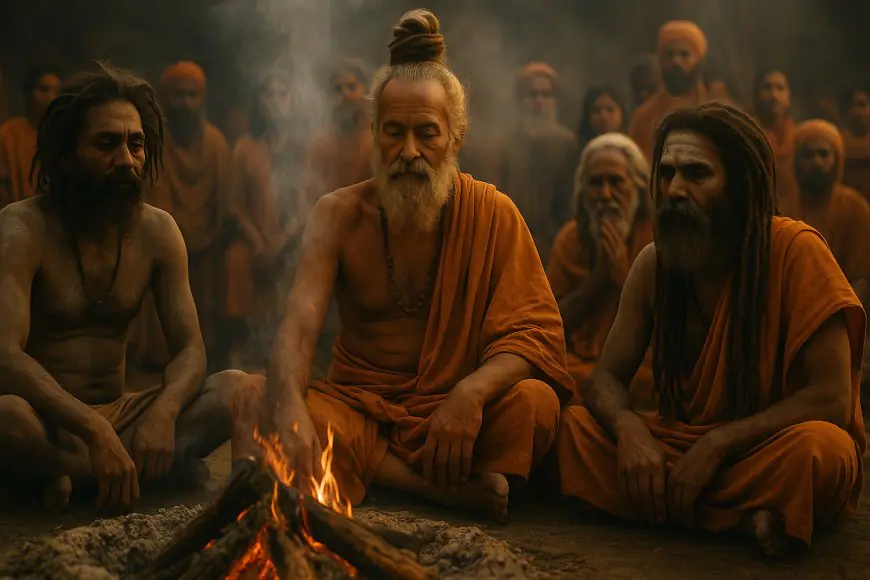
At the center of every Akhara camp is the Dhuni, the sacred fire that represents continuity, discipline, and spiritual energy. The Dhuni is not merely symbolic but plays an active role in the daily life of Naga Sadhus and ascetics.
Sadhus sit near the Dhuni for extended periods, engaging in meditation, chanting, and silent observation. The fire is maintained continuously and treated with deep reverence, reflecting its importance in the Akhara traditions.
The presence of the Dhuni represents the inner fire of tapasya, or spiritual effort. It serves as a constant reminder of the purpose of ascetic life, which is to move beyond material attachments and achieve higher consciousness.
Why Many Akhara Traditions Remain Hidden
A common question among pilgrims attending Simhastha 2028 is why many practices inside the 13 Akharas are not openly displayed. The answer lies in the nature of these traditions.
The rituals, practices, and systems followed inside the Akhara camps are deeply personal and experiential. They are not designed for public viewing or performance but for internal transformation and spiritual growth.
Revealing these traditions without proper understanding can reduce them to mere spectacle, which goes against the purpose of the Akhara system. These practices are preserved with discipline to maintain their authenticity and depth within Sanatan Dharma.
For those who seek to understand, observing the 13 Akharas of Simhastha 2028 with awareness offers insight into a world where discipline, renunciation, and spiritual pursuit define every moment.
Hidden Rituals Inside the 13 Akharas That Most Pilgrims Never See
While the Kumbh Mela presents grand visuals like Shahi Snan and Peshwai processions, the most transformative practices of the 13 Akharas in Simhastha 2028 happen away from public attention. These hidden rituals inside Akharas are not secret for exclusivity but are preserved to maintain their spiritual intensity and purity.
One such practice is extended mauna sadhana or silence-based discipline, where Naga Sadhus and ascetics remain completely silent for long durations to deepen inner awareness. This is often combined with advanced meditation techniques that are not taught openly but passed through the guru–disciple lineage.
Another lesser-known ritual is the internal evaluation of disciples before Deeksha. This includes observation of discipline, mental stability, detachment from material life, and the ability to follow strict Akhara rules without deviation.
Certain Akhara traditions also involve night-time rituals, where spiritual practices are performed in silence, away from any external disturbance. These practices are believed to strengthen concentration, control over the senses, and alignment with higher consciousness.
These hidden practices of the 13 Akharas are not designed for visibility but for transformation. For the practitioners, they are steps toward self-realization, not performance.
The Guru–Disciple System Inside Akharas
At the heart of the Akhara system lies the guru–disciple tradition, one of the most powerful frameworks of Sanatan Dharma. Inside the 13 Akharas of Simhastha 2028, this relationship defines how knowledge is transmitted, discipline is maintained, and spiritual growth is achieved.
A guru in an Akhara is not just a teacher but a guide who shapes the entire path of a disciple. The disciple, in return, follows instructions with complete dedication and trust. This system ensures that spiritual knowledge is not diluted or misinterpreted over generations.
Learning inside the Akhara camps is not classroom-based. It is experiential. Disciples learn by:
- Observing rituals
- Practicing discipline daily
- Serving the Akhara
- Engaging in direct interaction with the guru
The bond between guru and disciple is long-term and deeply rooted. It goes beyond intellectual understanding and becomes a path of transformation, shaping the identity and purpose of the individual within the Akhara traditions.
Internal Hierarchy and Power Structure of Akharas
The 13 Akharas in Simhastha 2028 operate through a well-defined hierarchy that ensures discipline, coordination, and continuity. This structure is not visible to most pilgrims but plays a crucial role in how the Akhara system functions.
At the top are senior spiritual leaders such as Mahamandaleshwaras and Acharyas, who guide the direction of the Akhara and oversee major decisions. Below them are experienced saints and administrators responsible for maintaining order within the Akhara camps.
Further down the structure are initiated disciples and seekers who are in different stages of their spiritual journey. Each level has defined responsibilities, and movement within the hierarchy depends on discipline, knowledge, and commitment to Sanatan Dharma practices.
This internal system ensures that during large-scale events like Simhastha 2028, the 13 Akharas function smoothly, coordinate rituals effectively, and maintain spiritual order despite the presence of millions of pilgrims.
The Real Meaning of Shahi Snan from Inside the Akharas
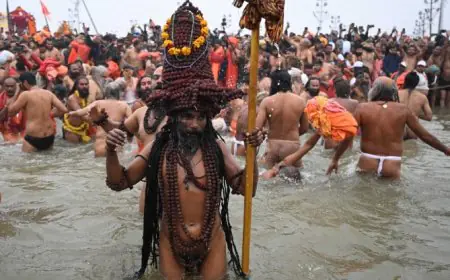
For most visitors, the Shahi Snan is a visually powerful event where Naga Sadhus and saints take a holy dip in the sacred river. However, inside the Akhara system, the meaning of Shahi Snan goes far deeper than what is visible.
The Shahi Snan in Simhastha 2028 is not just a ritual bath but a moment of spiritual alignment. It represents purification, surrender, and the culmination of disciplined practice. The sequence in which different Akhara groups participate is carefully structured based on tradition and hierarchy.
Preparation for Shahi Snan begins long before the actual event. Inside the Akhara camps, there is heightened discipline, focused meditation, and collective preparation. The act of entering the river is symbolic of dissolving ego and reconnecting with the essence of Sanatan Dharma.
For the Naga Sadhus, this ritual is not about visibility but about spiritual fulfillment. Their participation reflects years of preparation and commitment to the path of renunciation.
Also Read | Shahi Snan of Simhastha 2028 Dates
Life of a Disciple Inside the 13 Akharas
The journey of a disciple inside the Akhara camps is one of gradual transformation. Unlike the brief experience of pilgrims, disciples live within the Akhara system, following its rules, routines, and disciplines every day.
A disciple’s life includes:
- Strict adherence to daily routines
- Continuous spiritual practice
- Service to the Akhara and guru
- Learning scriptures and traditions
- Practicing detachment from material comforts
The process is demanding and requires mental strength, patience, and commitment. Over time, the disciple’s identity shifts from individual existence to being part of a larger spiritual lineage.
This transformation is one of the most powerful aspects of the 13 Akharas of Simhastha 2028, showcasing how the system continues to evolve while preserving ancient traditions.
Discipline and Rules Followed Inside Akharas
The functioning of the Akhara system depends heavily on discipline. Inside the 13 Akharas, there are clear rules that govern behavior, routines, and interactions.
These rules include:
- Following the guru’s instructions without deviation
- Maintaining simplicity in food, clothing, and lifestyle
- Participating in daily rituals and meditation
- Avoiding distractions and material attachments
- Contributing to the functioning of the Akhara
Discipline is not enforced through authority alone but through internal commitment. Every individual inside the Akhara camps understands the purpose of these rules and follows them as part of their spiritual journey.
This structured approach ensures that even during massive gatherings like the Kumbh Mela, the 13 Akharas maintain order, focus, and continuity.
The Spiritual Energy Inside Akharas During Simhastha 2028
One of the most unique aspects of being near the Akhara camps during Simhastha 2028 is the palpable sense of spiritual energy. This is not created by external arrangements but by the collective discipline and practices of thousands of ascetics.
The combination of:
- Continuous meditation
- Chanting and rituals
- Presence of experienced saints
- Sacred elements like the Dhuni
creates an environment that feels different from any other part of the Kumbh Mela.
For pilgrims, even observing from a distance can become a powerful experience. It offers insight into a way of life where the focus is entirely on inner growth, self-discipline, and spiritual realization.
Also Read | Mahakaleshwar temple significance in Simhastha
Why Understanding Akharas Enhances the Simhastha Experience
Many visitors attend Simhastha 2028 for rituals like Shahi Snan, but without understanding the role of the 13 Akharas, the experience remains incomplete.
The Akhara system is not just a participant in the Kumbh Mela. It is the foundation that sustains its traditions, rituals, and spiritual depth. Observing the Akhara camps, understanding their discipline, and recognizing their role allows pilgrims to connect more deeply with the purpose of the event.
Instead of being just spectators, informed pilgrims become participants in a larger spiritual journey. They begin to see the Kumbh Mela not as a gathering but as a living expression of Sanatan Dharma.
The Deeper Reality of the 13 Akharas in Simhastha 2028
The 13 Akharas of Simhastha 2028 are not temporary gatherings created for the Kumbh Mela. They are living institutions that carry forward the essence of Sanatan Dharma, preserving knowledge, discipline, and spiritual practices across generations.
Inside the Akhara camps, every action has meaning. From meditation and Dhuni worship to Deeksha rituals and guru–disciple interactions, each element contributes to a system designed for transformation rather than display.
For most people, the Kumbh Mela is a once-in-a-lifetime event. For the ascetics within the 13 Akharas, it is a continuation of a lifelong path of renunciation, discipline, and spiritual pursuit.
Understanding this difference changes the way one experiences Simhastha 2028. It shifts the perspective from observation to awareness.
Also Read | How to Reach Ujjain for Simhastha 2028
Conclusion: Beyond Rituals, Toward Understanding
To truly understand Simhastha 2028, one must look beyond the visible rituals and explore the foundation that sustains them. The 13 Akharas are not just participants in the Kumbh Mela but the very force that preserves its authenticity and spiritual depth.
The hidden traditions inside Akharas, the disciplined life of Naga Sadhus, and the structured Akhara system reveal a world where the focus is not on external recognition but on inner transformation.
For pilgrims and seekers, this understanding brings clarity. The Shahi Snan, the processions, and the rituals are not isolated events. They are expressions of a much deeper system rooted in Sanatan Dharma.
By learning about the 13 Akharas of Simhastha 2028, one moves from curiosity to connection, from observation to insight, and from participation to understanding.
The 13 Akharas in Simhastha 2028 represent a rare continuity of ancient wisdom in the modern world. They are not just part of the Kumbh Mela, they are the reason it exists in its true form.
For anyone seeking more than just a visit, understanding the Akhara system, the life of Naga Sadhus, and the hidden rituals of Simhastha transforms the journey into something far more meaningful.
Important Guides for Simhastha 2028
To better understand the 13 Akharas of Simhastha 2028 and their deeper traditions, explore these essential guides:
- 13 Akharas of Simhastha 2028: List and Roles
- Who Are Naga Sadhus? Life and Traditions Explained
- Shahi Snan of Simhastha 2028: Dates and Process
- Simhastha 2028 Dates and Full Schedule
How to Explore Further
Start with the complete Akhara guide to understand structure, then move to Naga Sadhu life and rituals for deeper insight. Finally, check Simhastha dates to plan your visit properly.
Frequently Asked Questions