





















Ujjain Kumbh Mela Governance: Who Runs Simhastha 2028?
Who governs Ujjain Kumbh Mela 2028? Learn how Simhastha is managed by the state, district administration, police, and dedicated authorities.


Ujjain Kumbh Mela Governance: Who Runs Simhastha 2028?





For first-time visitors, knowing the confirmed schedule is essential before planning travel and accommodation. The official dates announced for Ujjain Simhastha 2028 clearly define the start, peak bathing period, and closing timeline of the event, helping pilgrims align their visit with important ritual days.
Why Governance Is Central to Ujjain Simhastha 2028
The Ujjain Kumbh Mela is not a festival managed by informal committees. It is treated by the state as a temporary mega city, often supporting a population larger than many Indian districts within a limited timeframe.
Governance during Simhastha directly impacts:
-
Public safety and crowd survival
-
Ritual order and Akhara discipline

-
Urban infrastructure and utilities
-
Health, sanitation, and emergency services
-
Environmental protection of the Shipra basin

Without a formal governance system backed by law, Simhastha would be impossible to conduct responsibly.
Constitutional Authority: Role of the State Government
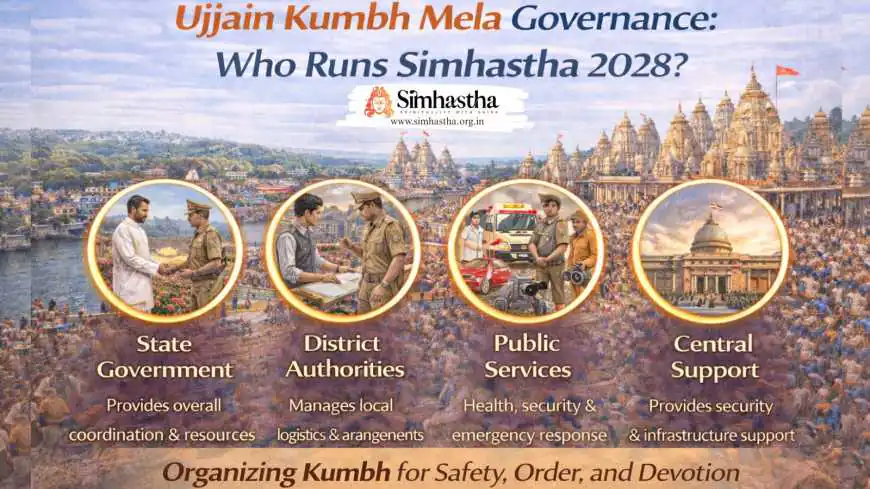
At the highest level, Simhastha 2028 is governed under the constitutional authority of the Government of Madhya Pradesh.
The state government:
-
Declares Simhastha as a state-administered event
-
Allocates budgets and financial approvals
-
Frames special administrative policies
-
Authorizes creation of temporary governance bodies
-
Ensures compliance with Indian law
All major policy decisions originate here, making the state the ultimate governing authority.
If you are attending Ujjain Simhastha for the first time, this complete Simhastha Kumbh Mela first-time visitors guide will help you understand crowds, rituals, walking routes, and physical preparation before you arrive.
The Simhastha Mela Authority: Central Command Structure
To translate policy into execution, the government constitutes a dedicated Simhastha Mela Authority.
This authority functions as:
-
A centralized planning and coordination body
-
A supervisory command for all departments
-
A policy execution mechanism
It does not replace departments but orchestrates them.
Responsibilities include:
-
Master planning and zoning
-
Infrastructure timelines
-
Inter-department coordination
-
Compliance and progress monitoring
This authority exists solely to ensure Simhastha governance remains unified.
District Administration: Ground-Level Executive Power
The District Collector of Ujjain acts as the chief executive authority during Simhastha.
The Collector:
-
Enforces state and Simhastha Authority orders
-
Commands all civil departments
-
Oversees emergency response systems
-
Maintains law, order, and administrative discipline
All district officers operate within this chain of command, making the district administration the operational backbone of Ujjain Kumbh Mela governance.
Also Read | First-Time Visiting Ujjain Simhastha: 7 Things Nobody Tells You
Law and Order: Police Governance Framework
Security during Simhastha operates under a multi-tier policing structure.
This includes:
-
State-level police leadership
-
District police administration
-
Special forces and reserve units
-
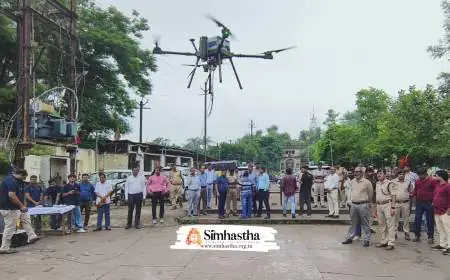
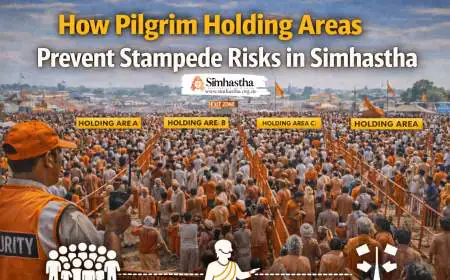
Crowd control and disaster response teams
Police authorities independently manage:
-
Crowd flow models
-
Surveillance systems
-
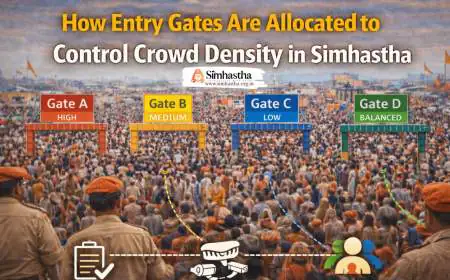
Entry and exit control
-
Emergency evacuation protocols
Their authority is legal, immediate, and enforceable.
Religious Institutions: Consultative, Not Governing
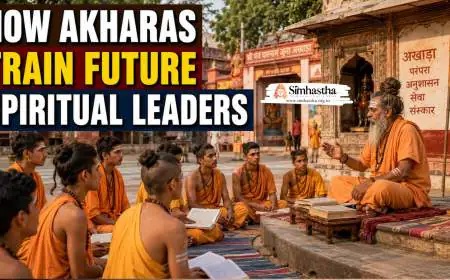
A common misconception is that Akharas or religious bodies “run” the Kumbh. This is incorrect.
In Ujjain Kumbh Mela governance:
-
Religious institutions do not control administration
-
They do not manage funds
-
They do not enforce law
-
They do not control infrastructure
Their role is consultative, focused on:
-
Ritual sequence sensitivity
-
Akhara procession coordination
-
Traditional discipline
Final authority always rests with civil administration.
Decision-Making Hierarchy During Simhastha
Governance decisions follow a clear hierarchical structure:
-
Policy and legal direction from the state
-
Strategic planning by Simhastha Authority
-
Execution planning by district administration
-
Operational decisions by department heads
Emergency decisions can be taken locally but are reported upward for accountability.
Financial Governance and Transparency
Simhastha funding is governed entirely by public finance rules.
This includes:
-
State budget allocation
-
Department-wise expenditure plans
-
Tendering and procurement rules
-
Mandatory audits
Every expenditure is subject to:
-
Government audit
-
Legislative oversight
-
Public accountability
This prevents misuse and ensures transparency.
To deepen your understanding of the spiritual customs and sacred rituals practiced during Ujjain Simhastha, read our complete Simhastha rituals and sacred practices guide that explains their meaning, timing, and significance.
Inter-Departmental Governance Model
Simhastha requires coordination between:
-
Urban development
-
Public health
-
Transport
-
Water resources
-
Environment and sanitation
Each department retains technical independence but operates within a unified command framework.
Temporary Laws and Special Administrative Zones
During Simhastha, special governance measures are often enacted:
-
Temporary administrative zones
-
Special traffic regulations
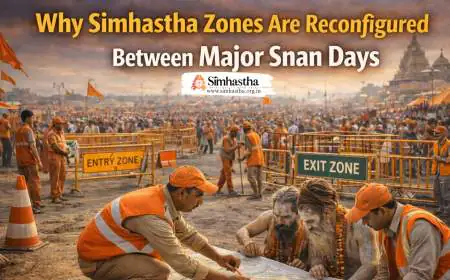
-
Emergency legal provisions
These are lawful, time-bound, and essential for public safety.
Governance Beyond the Event
Governance does not end when Simhastha concludes.
Post-event governance includes:
-
Infrastructure repurposing
-
Environmental restoration
-
Financial audits
-
Policy documentation
This ensures institutional learning and accountability.
Why Ujjain Kumbh Governance Is Unique
Unlike ordinary events:
-
Planning spans several years
-
Administration operates at city scale
-
Religious sensitivity is integrated, not dominant
-
Authority remains constitutional
This balance is what preserves both order and sanctity.
Conclusion: Who Truly Runs Simhastha 2028?
Simhastha 2028 is run by the Government of Madhya Pradesh, executed through the Simhastha Mela Authority, enforced by the Ujjain district administration, and secured by state police.
Religious bodies guide tradition.
The government governs execution.
This clarity is the reason Ujjain Kumbh Mela continues as a disciplined, lawful, and spiritually authentic gathering.
Frequently Asked Questions