Understanding Waste Management Inside Simhastha Tent Cities
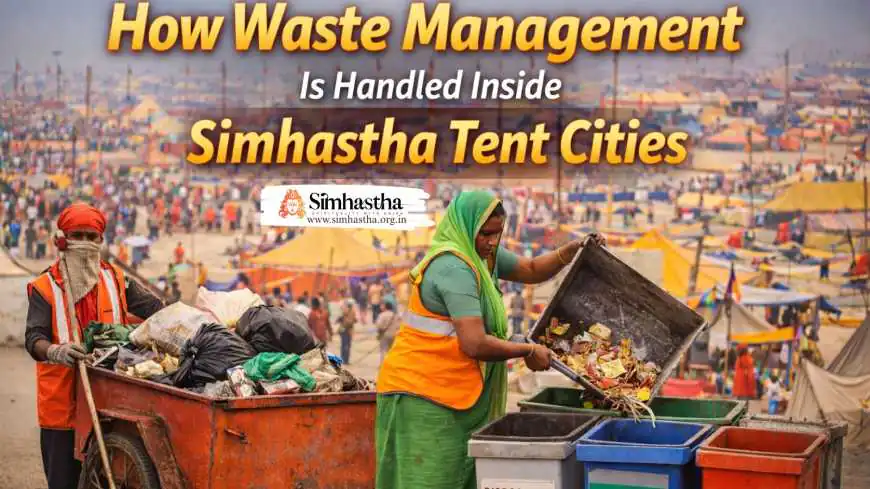
Managing waste inside a Simhastha tent city is one of the most complex and critical operations in the entire event ecosystem. With millions of pilgrims generating waste daily, authorities must ensure that sanitation systems operate continuously, efficiently, and sustainably. The waste management framework is designed as a multi-layered system combining collection, segregation, transportation, processing, and disposal, all functioning in real time.
This system is not just about cleanliness; it directly impacts public health, environmental safety, and the overall experience of pilgrims. By integrating traditional discipline with modern sanitation technology, Simhastha creates a temporary city that remains functional and hygienic despite its massive scale.
For Every pilgrims, understanding Simhastha 2028 dates and the official Shahi Snan timeline is essential before booking flights or accommodation, as these sacred dates are completely non-negotiable
Scale of Waste Generation in Simhastha
Understanding the scale is essential to appreciate the system.
Daily Waste Volume
During peak days:
- Thousands of tons of solid waste are generated
- Large volumes of liquid waste and sewage are produced
Types of Waste Generated
- Organic waste from food and offerings
- Plastic and packaging materials
- Sewage and wastewater
- Medical and hazardous waste
Each category requires specific handling and disposal methods.
A first time Simhastha guide is essential because without contextual understanding, pilgrims arrive prepared for devotion but unprepared for logistics, stamina, patience, and adaptability.
Waste Segregation at Source
The foundation of efficient waste management lies in segregation.
Color-Coded Bin System
Different bins are used for:
- Biodegradable waste
- Non-biodegradable waste
- Recyclable materials
Awareness and Participation
Pilgrims are encouraged to:
- Use designated bins
- Avoid littering
Volunteers and staff assist in maintaining segregation discipline.
Couples arriving during Ujjain Simhastha should spend their first few hours adjusting to the rhythm of the pilgrimage. Walking slowly through the city allows visitors to absorb the powerful spiritual atmosphere created by the gathering of saints and devotees attending the Ujjain Kumbh Mela.To deepen your understanding of the spiritual customs and sacred rituals practiced during Ujjain Simhastha, read our complete Simhastha rituals and sacred practices guide that explains their meaning, timing, and significance.
Door-to-Door Waste Collection System
Collection is continuous and systematic.
Scheduled Collection Cycles
Sanitation teams operate:
- Multiple collection rounds daily
- Increased frequency during peak hours
Dedicated Workforce
Thousands of workers are deployed to:
- Collect waste from tents
- Clean public areas
- Maintain hygiene standards
This ensures no accumulation of waste in any zone.
Transportation and Logistics of Waste
Once collected, waste is transported efficiently.
Use of Specialized Vehicles
Vehicles are assigned for:
- Different waste types
- Specific zones
Route Optimization
Transport routes are planned to:
- Avoid congestion
- Ensure quick disposal
This minimizes delays and environmental impact.
Processing and Disposal Systems
Waste does not simply leave the tent city; it is processed systematically.
Composting of Organic Waste
Biodegradable waste is converted into:
Also Read | Best Time to Visit Ujjain Simhastha 2028
Recycling of Non-Biodegradable Waste
Plastic and other materials are:
- Sorted
- Sent to recycling facilities
Safe Disposal of Hazardous Waste
Medical and hazardous waste is handled through:
- Specialized disposal systems
- Controlled treatment facilities
Sewage and Wastewater Management
Liquid waste requires a separate system.
Temporary Sewage Networks
Tent cities are equipped with:
- Drainage pipelines
- Collection systems
Treatment Facilities
Wastewater is treated to:
- Remove contaminants
- Prevent environmental damage
Prevention of River Pollution
Strict measures ensure:
- No untreated waste enters the Kshipra river
- Water quality is maintained
Role of Technology in Waste Management
Modern systems enhance efficiency and monitoring.
Real-Time Monitoring
Authorities use:
- Sensors
- Data dashboards
- Tracking systems
Smart Waste Management Tools
Technology helps in:
- Optimizing collection schedules
- Identifying high-waste zones
- Improving response time
Also Read | Step-by-Step Guide to Shipra Snan at Ujjain Kumbh Mela
Public Hygiene Infrastructure
Facilities are designed to support cleanliness.
Toilets and Sanitation Units
Large numbers of:
- Mobile toilets
- Bathing units
are installed across the tent city.
Cleaning and Maintenance
Regular cleaning ensures:
- Hygiene standards
- Odor control
- Safe usage
Role of Volunteers and Awareness Campaigns
Community participation is crucial.
Awareness Programs
Campaigns educate pilgrims about:
- Cleanliness practices
- Proper waste disposal
Volunteer Support
Volunteers assist in:
- Guiding pilgrims
- Monitoring waste disposal
This creates a shared responsibility model.
Also Read | Common Simhastha Mistakes Visitors Must Avoid
Managing Waste During Peak Days
Peak days require intensified efforts.
Increased Workforce Deployment
More personnel are assigned to:
- High-density zones
- Critical areas
Rapid Response Systems
Teams are ready to:
- Address overflow situations
- Clean areas quickly
This ensures continuous cleanliness despite heavy crowd pressure.
Environmental Sustainability Measures
Waste management is aligned with sustainability goals.
Reduction of Plastic Usage
Authorities promote:
- Eco-friendly materials
- Reduced plastic consumption
Recycling Initiatives
Large-scale recycling reduces:
- Landfill usage
- Environmental impact
Green Practices
Efforts include:
- Composting
- Waste-to-energy concepts
Challenges in Waste Management
Despite planning, challenges exist.
High Volume and Density
Sudden surges in crowd increase waste generation rapidly.
Planning a trip to Ujjain Simhastha? Check our Ujjain Simhastha 2028 Cost Per Person (Full Budget Guide) to understand accommodation, food, and travel expenses during the Ujjain Kumbh Mela.
Behavioral Factors
Improper disposal by individuals can disrupt systems.
Logistical Constraints
Managing waste across large areas requires:
- Continuous coordination
- Resource availability
Continuous Monitoring and Improvement
The system evolves throughout the event.
Feedback-Based Adjustments
Authorities adapt based on:
- Ground reports
- Data analysis
Learning for Future Events
Each Simhastha improves:
- Efficiency
- Sustainability
- System design
When Cleanliness Becomes the Backbone of Devotion
In a Simhastha tent city, waste management operates silently yet powerfully in the background, ensuring that millions can experience spirituality without disruption. Every cleaned pathway, every emptied bin, and every treated drop of water reflects a system built on discipline, planning, and responsibility.
This invisible network transforms a temporary settlement into a livable city, proving that even at the scale of Simhastha, cleanliness is not just maintained, it is engineered.
Related Simhastha 2028 Guides :