

































Planning the Ultimate 84 Mahadev Pilgrimage Route
Discover how to plan the ultimate 84 Mahadev pilgrimage route around Ujjain. Explore the sacred circuit, temple locations, travel tips, and the spiritual significance of this divine journey.



The Puranic Origins and Spiritual Architecture of the 84 Mahadev
To understand the 84 Mahadev pilgrimage route, one must first grasp the theological architecture that underpins it. The number eighty-four is not arbitrary in the Hindu tradition. It represents the 84 lakh (8.4 million) yonis—the total number of life forms through which a soul may transmigrate before attaining human birth and the opportunity for liberation. By worshipping at eighty-four Shiva temples, the pilgrim symbolically transcends each of these eighty-four lakh births, moving from the bondage of the cycle of death and rebirth toward the freedom of moksha. The Avanti Khanda of the Skanda Purana provides the scriptural foundation for this circuit, listing each of the eighty-four Mahadev temples by name, describing its location, its presiding deity, and the specific spiritual benefit obtained by worshipping there. Some of these temples are well-known and easily accessible. Many others are humble, tucked away in villages, fields, and riverbanks, known only to local priests and the most dedicated of pilgrims. The circuit radiates outward from Ujjain in concentric rings, with some temples located within the city limits, others in the immediate suburbs, and many scattered across the rural landscape of Ujjain, Dewas, Indore, and Ratlam districts in a rough circle with a radius of approximately 50 to 80 kilometers from The Mahakaleshwar Temple. This is not a circuit designed for casual tourism; it is a circuit designed for deep, intentional pilgrimage, requiring planning, patience, and a genuine spirit of devotion. 🔱
The Siddha Connection and the 84 Realized Masters
The 84 Mahadev temples are intimately linked to the tradition of the 84 Siddhas—the perfected yogic masters who, according to the Nath and other tantric lineages, attained spiritual realization and supernatural powers through their intense practices. The Skanda Purana and the oral traditions of the Nath Sampradaya hold that each of the eighty-four Siddhas established or was associated with one of the eighty-four Mahadev temples, consecrating the Shiva lingam with the power of their own spiritual attainments. This means that each temple on the circuit is not merely a shrine to Shiva in a generic sense but a repository of a specific Siddha's energy, a specific lineage's practices, and a specific flavor of spiritual realization. Worshipping at the temple associated with Siddha Gorakhnath, for instance, is believed to bestow the blessings of the Nath lineage's profound yogic wisdom. Worshipping at the temple associated with Siddha Jalandharnath connects the pilgrim to the unbroken current of that master's spiritual power. The circuit of the 84 Mahadev is thus simultaneously a pilgrimage to Shiva, a pilgrimage to the 84 Siddhas, and a pilgrimage through the entire spectrum of Hindu spiritual attainment. This layered, multidimensional sacredness is what elevates the Chaurasi Mahadev yatra from a simple temple tour to a comprehensive spiritual journey.
Mapping the Geographic Spread of the 84 Temples
The practical challenge of planning the ultimate 84 Mahadev pilgrimage route lies in the geographic distribution of the temples. They are not arranged in a neat, easily drivable loop. They are scattered across a vast rural landscape, some on main roads, many on unpaved village tracks, a few accessible only by footpaths through agricultural fields. The temples can be broadly grouped into clusters that make logistical planning feasible. The northern cluster extends toward Dewas and includes temples like Kumbheshwar Mahadev, Siddheshwar Mahadev, and Nageshwar Mahadev in various villages. The eastern cluster stretches toward Indore and encompasses temples along the ancient trade routes that once connected Ujjain to the Narmada valley. The southern cluster follows the Shipra River downstream and includes several temples that are also important Shipra ghat sites. The western cluster moves toward Ratlam and includes some of the most remote and least visited temples on the circuit. Within Ujjain city itself, a significant number of the 84 Mahadev temples are located, including well-known ones like Mangalnath, Kal Bhairav (though technically a Bhairav temple, it is included in some versions of the circuit), and smaller, neighborhood shrines that many pilgrims pass without realizing their connection to the larger mandala. Understanding these clusters is the first step in designing an efficient and manageable pilgrimage itinerary. 🚆
The Inner Circuit and the City Temples
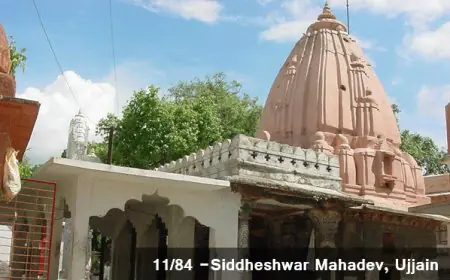
For pilgrims with limited time, the inner circuit of the 84 Mahadev—the temples located within Ujjain city and its immediate periphery—offers a concentrated, accessible version of the pilgrimage that can be completed in two to three days. This inner circuit includes approximately twenty to twenty-five temples, among them some of the most historically and spiritually significant shrines in the region. Mangalnath Mahadev, perched on the Shipra's bank and revered as the birthplace of the planet Mars, is a non-negotiable stop. Kumbheshwar Mahadev, associated with the Kumbh Mela's spiritual origins, is another. Siddheshwar Mahadev, Rameshwar Mahadev, Somnath Mahadev, and Jageshwar Mahadev are among the other significant inner circuit temples. Pilgrims walking the inner circuit can move from temple to temple within the city using auto-rickshaws or even on foot for the more closely clustered shrines. The inner circuit, while not encompassing the full spiritual geography of the 84 Mahadev, provides a profound immersion into Ujjain's Shaivite heritage and is a spiritually valid form of the pilgrimage for those constrained by time, health, or resources. Many elderly pilgrims, in particular, focus their Chaurasi Mahadev yatra on the inner circuit, which the texts themselves acknowledge as an acceptable alternative for those unable to undertake the full rural circuit.
Trending Guides Now

84 Mahadev Yatra in Ujjain: Complete Sacred Circuit Guide

Karkoteshwar Mahadev Ujjain – The Sacred Serpent-Blessed Temple of the 84 Mahadev Circuit

Shri Anadikalpeshwar Mahadev, Ujjain – The Eternal Form of Shiva Among the 84 Mahadev Shrines
Agastyeshwar Mahadev Temple: A Sacred Abode of Lord Shiva in Ujjain

Ujjain Railway Station to Mahakaleshwar Temple Distance (2026 Guide)

Ujjain Simhastha 2028 Dates Announced: Full Shahi Snan & Event Timeline

Benefits of Becoming a Simhastha Volunteer

Why Ujjain Was a Major Cultural Center Across Different Eras
Designing a Practical Multi-Day Itinerary
For the pilgrim committed to completing the full circuit, a well-designed itinerary is essential. A seven to ten-day itinerary is the most common and manageable timeframe. This allows for the travel time between clusters, the darshan time at each temple, and the necessary rest periods that prevent the pilgrimage from becoming an exhausting endurance test rather than a spiritually nourishing journey.
Day 1 and 2: Ujjain Inner Circuit. Begin with a darshan at Mahakaleshwar to seek the Lord's blessing for the pilgrimage ahead. Over these two days, cover all the city-based temples, using early mornings and late afternoons to avoid the midday heat. Hire a local auto-rickshaw driver familiar with the circuit; many Ujjain drivers have generations of experience guiding pilgrims to the smaller, harder-to-find city shrines.
Day 3 and 4: Southern Shipra Cluster. Hire a car for the rural clusters. The southern temples along the Shipra can be covered in a single long day, but splitting them into two allows for a more relaxed pace. The riverbank temples reward unhurried visits, with opportunities to sit, meditate, and absorb the Shipra's sacred atmosphere.
Day 5 and 6: Eastern Cluster Toward Indore. This segment covers the temples along the old Ujjain-Indore route. The roads are generally good, and the temples, while rural, are reasonably accessible. Overnighting in a small town like Dewas or on the outskirts of Indore can break the journey comfortably.
Day 7 and 8: Northern and Western Clusters. These are the most remote temples. Road conditions can be variable, particularly after the monsoon. Hiring a vehicle with high ground clearance is advisable. The priests at these remote temples are often delighted to receive pilgrims and may share local legends and oral traditions not found in any guidebook.
Day 9 and 10: Return to Ujjain and Closing Darshan. Return to Ujjain, revisit any temples that may have been missed on the inner circuit, and conclude the pilgrimage with a final, grateful darshan at Mahakaleshwar, offering the merit of the completed yatra at the feet of the Lord of Time. ✅

Transportation, Accommodation, and Practical Logistics
The practical logistics of the 84 Mahadev pilgrimage require careful pre-planning. Transportation is the most critical variable. A private car with a knowledgeable local driver is the most efficient and comfortable option for the rural clusters. The driver should be briefed in advance about the pilgrimage's nature and the specific temples to be covered. Many Ujjain-based drivers specialize in the Chaurasi Mahadev circuit and can provide invaluable local knowledge about temple timings, road conditions, and the availability of basic facilities. For budget pilgrims, a combination of local buses, shared jeeps, and auto-rickshaws can cover the circuit, but this requires significantly more time and flexibility. Accommodation for the rural segments is basic. Small guesthouses, dharamshalas attached to the larger temples, or simple lodges in the nearest towns are the primary options. Carrying a sleeping bag or a set of clean bedsheets is advisable. Food in the rural areas is simple, vegetarian, and often available only at specific hours. Packing dry snacks, fruits, and a refillable water bottle is essential. The pilgrimage is not a luxury tour; it is an act of devotion that involves a degree of physical discomfort, and that discomfort, accepted with the right spirit, is itself part of the pilgrimage's purifying power.
The Ritual Protocol at Each Mahadev Temple
The 84 Mahadev pilgrimage is not merely about visiting temples; it is about performing specific rituals at each shrine that activate the spiritual benefits described in the texts. The traditional protocol, which dedicated pilgrims follow to the extent possible, involves several elements. Upon arrival at each temple, the pilgrim should perform a parikrama of the shrine, walking clockwise around the sanctum, symbolically placing the deity at the center of one's consciousness. The offering of bel patra leaves, dhatura flowers, sandalwood paste, and water to the Shiva lingam is standard, and pilgrims often carry a small puja kit with these items to ensure they are available even at remote temples where local shops may be scarce. The chanting of the Mahamrityunjaya Mantra or the simpler "Om Namah Shivaya" while offering the items is the core of the ritual. Many pilgrims also maintain a pilgrimage diary or a temple stamp book, recording their visit to each shrine with a note, a stamp from the temple priest, or a simple drawing. This practice transforms the pilgrimage into a documented spiritual journey, a tangible record of devotion that can be revisited and cherished for years. At each temple, the pilgrim should also offer a small dakshina to the priest, acknowledging the priest's role as the custodian of the shrine and the facilitator of the darshan. 🛕
The Significance of Completing the Full Circuit
Completing all eighty-four temples is not required for the pilgrimage to be spiritually meaningful. The inner circuit, a partial circuit, or even a sincere visit to a single one of the Mahadev temples is beneficial. However, the texts and the tradition place a special emphasis on the completion of the full circuit. The Avanti Khanda explicitly states that a pilgrim who worships at all eighty-four Mahadev temples attains the merit of having performed a thousand Ashwamedha yagnas, the most powerful of Vedic sacrifices. The pilgrim is believed to have symbolically transcended the 84 lakh yonis and to have secured a place in Shiva Loka, the realm of eternal peace and liberation. Beyond the textual promises, there is a profound psychological and spiritual transformation that occurs in the process of completing the full circuit. The journey takes the pilgrim out of the familiar, out of the comfortable, and into the unknown. It demands perseverance, adaptability, and a consistent, sustained focus on the divine. By the time the pilgrim returns to Mahakaleshwar after weeks on the road, something has shifted internally. The ego has been worn down by the miles. The mind has been steadied by the repeated ritual. The heart has been opened by the encounters with remote temples, simple priests, and the quiet, powerful presence of Shiva in a hundred different village shrines. The completion of the circuit is not just a checkmark on a spiritual to-do list; it is a genuine death and rebirth, a pilgrimage that changes the pilgrim.
The Lesser-Known Gems of the Circuit
While some of the 84 Mahadev temples are architecturally grand or historically famous, many of the most spiritually potent shrines on the circuit are humble, almost entirely unknown outside their immediate villages. Kameshwar Mahadev, hidden in a small forest clearing, is a temple where, according to local tradition, Lord Shiva and Goddess Parvati spent a night during their earthly wanderings, and the lingam is believed to still carry the warmth of their presence. Trilochan Mahadev, perched on a hillock with a panoramic view of the Malwa countryside, is a temple where the wind itself seems to chant, and pilgrims report a sense of expansive, sky-like awareness during meditation. Kapileshwar Mahadev, located near the confluence of a small stream with the Shipra, is associated with the sage Kapila, the legendary founder of the Samkhya school of philosophy, and the atmosphere carries a quiet, contemplative, almost scholarly energy. These lesser-known temples are the secret treasures of the 84 Mahadev circuit. They lack queues. They lack commercialization. They offer, instead, an intimacy with the divine that is harder to find in the major pilgrimage centers. For the pilgrim who undertakes the full circuit, it is often these unknown, unnamed-in-guidebooks shrines that leave the deepest impression, that return in memory years later as moments of pure, unmediated encounter with the sacred.
The Transformative Power of the Chaurasi Mahadev
The pilgrim who returns to Mahakaleshwar after completing the 84 Mahadev circuit is not the same person who left. The journey has worked its silent, transformative magic. The feet are tired, the body is leaner, the mind is quieter. The ego, buffeted by the winds of the open road and humbled by the vastness of the sacred landscape, has softened its grip. The heart, nourished by eighty-four encounters with the living presence of Shiva in a hundred different forms and a hundred different places, has expanded beyond its usual confines. This is the true purpose of the 84 Mahadev pilgrimage route—not the accumulation of merit points, not the checking of temples off a list, but the slow, steady, mile-by-mile transformation of the pilgrim's consciousness. The texts promise liberation. The tradition promises blessings. But the pilgrimage itself, in its raw, physical, emotional reality, promises something even more immediate: the experience of being wholly, completely, and utterly immersed in the presence of the divine, not for a moment, but for days and weeks on end, until the boundary between the pilgrim and the pilgrimage, between the seeker and the sought, begins to dissolve. 🔱
Frequently Asked Questions