
































The Meaning Behind Ritual Bathing During Simhastha
Discover the deep spiritual meaning behind ritual bathing during Simhastha in Ujjain – purification of sins, cosmic alignment, and the sacred Kshipra River's divine power.


The Cosmic Alignment That Makes Simhastha Bathing Sacred
The meaning behind ritual bathing during Simhastha begins with the stars. Unlike other Kumbh Melas, Ujjain's Simhastha is uniquely tied to the position of Jupiter in the Leo zodiac sign – hence the name "Simhastha," which translates to "standing in Leo" . This celestial event occurs once every 12 years, creating a window of extraordinary spiritual potency.
Ancient astronomers in Ujjain, the city that served as India's prime meridian, calculated these alignments with remarkable precision . The confluence of Jupiter in Leo and the Sun in Aries creates a cosmic energy field that is believed to charge the waters of the Kshipra River. Pilgrims believe that bathing during this exact astrological window allows them to absorb this cosmic energy, purifying not just the body but the soul itself. The Surya Siddhanta, one of India's oldest astronomical texts, confirmed Ujjain's meridian as the reference point for such calculations, making this city the true center of this celestial phenomenon.
The Mythology of the Nectar of Immortality
To understand the meaning behind ritual bathing during Simhastha, one must first understand the legend of the Kumbh. Hindu mythology tells the story of the Samudra Manthan – the churning of the cosmic ocean by gods and demons to obtain amrita, the nectar of immortality . As the pot containing the nectar was being carried across the heavens, four drops fell to Earth at four sacred locations: Prayag, Haridwar, Nashik, and Ujjain.
Ujjain is where the final drop of this divine nectar is said to have fallen, making its Kshipra River eternally blessed. This is why ritual bathing during Simhastha is considered so powerful – devotees believe they are immersing themselves in waters touched by the very nectar that grants immortality to the gods. The word "Kumbh" itself means pot, and the festival commemorates the journey of this celestial pot through the ages.
Trending Guides Now

Simhastha Rituals Complete Guide to Sacred Practices in Ujjain
Why Certain Rituals Are Allowed Only at Specific Ghats During Simhastha

First Shahi Snan 2028 Date Ujjain Simhastha

What Is Shahi Snan in Ujjain Simhastha Kumbh Mela?

Ujjain Railway Station to Mahakaleshwar Temple Distance (2026 Guide)

Ujjain Simhastha 2028 Dates Announced: Full Shahi Snan & Event Timeline

How ISKCON Ujjain Engages Young Devotees Through Programs

Benefits of Becoming a Simhastha Volunteer
The Shahi Snan – The Royal Bath That Leads the Way
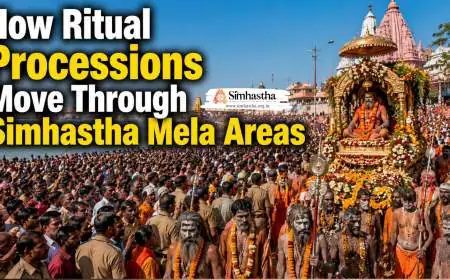
The most significant ritual bathing event during Simhastha is the Shahi Snan, or the Royal Bath . This is not an ordinary dip; it is a grand procession led by the revered Naga Sadhus – naked ascetics covered in ash who are considered the highest order of Hindu monks .
The Shahi Snan takes place on specific dates determined by astrological calculations. For Simhastha 2028, the three Amrit Snans (as Shahi Snans are also called) will occur on April 9, April 23, and May 8 . On these mornings, thousands of Naga Sadhus march to the Kshipra River in elaborate processions, carrying their distinctive weapons and chanting ancient mantras. The moment they enter the water, millions of devotees follow, believing that bathing in the presence of these ascetics multiplies the spiritual benefits.
The term "royal" is fitting – the sight of ash-smeared warriors of faith descending into the sacred river, with conch shells blowing and saffron flags waving, is a spectacle that transcends description. For the pilgrims, witnessing and participating in the Shahi Snan is the culmination of years of waiting and preparation.
The Purification of Sins – Atonement and Renewal
At its core, ritual bathing during Simhastha is an act of prāyaścitta – atonement for past mistakes and sins . The ancient texts describe a holy dip in sacred rivers as a means to cleanse the soul of accumulated karma. Devotees believe that by immersing themselves in the Kshipra at this astrologically charged moment, they can wash away not only their own sins but also those of their ancestors.
This belief is not merely superstition; it represents a profound psychological process of renewal. Pilgrims come with heavy hearts – burdened by grief, guilt, or regret. As they step into the river, they surrender these burdens to the water. The ritual offers a tangible way to start fresh, to leave the past behind, and to emerge renewed. Many describe a feeling of lightness and liberation after the dip, as though a weight has been lifted from their shoulders.
The Role of the Kshipra River – More Than Just Water
The Kshipra River in Ujjain holds a special place in this ritual. Unlike the other Kumbh Mela sites, Ujjain's river has been the focus of intense devotion and recent rejuvenation efforts. For nearly six decades, devotees were unable to bathe directly in the Kshipra due to water scarcity, often having to rely on water diverted from the Narmada River .

This will change in Simhastha 2028. Madhya Pradesh Chief Minister Mohan Yadav has announced that clean water will be available in the Kshipra River itself, with bathing facilities arranged along ghats constructed over a length of more than 30 kilometers . For the first time in 60 years, devotees will be able to perform their ritual bathing in the sacred river that their ancestors bathed in, fulfilling a deeply emotional aspiration.
The Kshipra is not just a physical river for pilgrims; it is a mother, a goddess, a source of life. The relationship between the devotee and the river is deeply personal. Many believe that the waters of the Kshipra carry the blessings of Baba Mahakal – Lord Shiva in his form as the Mahakaleshwar Jyotirlinga – making the dip even more powerful .
The Different Bathing Dates – Each with Unique Significance
During the 60-day Simhastha festival from March 27 to May 27, 2028, there are multiple bathing dates, each with specific astrological significance . The three Shahi Snans (Amrit Snans) are considered the most important, but there are also seven other significant bathing festivals .
The first Shahi Snan on April 9 marks the beginning of the most intense ritual period. The second on April 23 falls during a particularly powerful planetary alignment. The third on May 8 is the final and most sacred opportunity for the royal bath.
In addition to these, devotees can bathe on any day during the festival, as the entire 60-day period is considered spiritually charged. However, the energy and crowds on Shahi Snan days are unprecedented, creating an atmosphere of collective devotion that is both overwhelming and awe-inspiring.
The Experience of the Devotee – A Journey of a Lifetime
For the millions who participate, ritual bathing during Simhastha is not a casual act. Many devotees walk for days or weeks to reach Ujjain. Some observe strict vegetarian diets for months beforehand, abstaining from alcohol, drugs, and even certain foods to purify their bodies in preparation . Others fast or perform intense prayers leading up to the event.
When they finally arrive at the ghats, they are greeted by a sea of humanity. The atmosphere is charged with chanting, the sound of temple bells, and the scent of incense and marigolds. Families, elderly pilgrims, and even young children make their way toward the water with a single-minded determination.
Stepping into the cold river water, devotees close their eyes and offer silent prayers – for forgiveness, for peace, for the well-being of their families. Many immerse themselves completely, emerging with water dripping from their faces, a look of serene joy on their features. The ritual is quick but deeply profound. For these pilgrims, every moment in the water is worth years of preparation.
The Sadhus and Akharas – Guardians of the Tradition
The Naga Sadhus and other ascetic orders, known as Akharas, play an essential role in the ritual bathing tradition . These monastic communities have preserved the ancient practices and rituals associated with Simhastha for centuries. Their presence is what transforms the bathing event from a simple dip into a grand spiritual spectacle.
The Akharas are divided into various sects – Shaivites, Vaishnavites, and others. During the Shahi Snan, they bathe in a specific order determined by their status and history. The priority of bathing is a matter of deep significance, as it reflects the hierarchy of these monastic orders. Historically, disputes over this order have even led to clashes, highlighting the intensity of devotion surrounding this ritual .
Pilgrims believe that bathing in the river at the same time as these revered ascetics amplifies the spiritual benefits. It is as if the holiness of the Sadhus washes over the entire gathering, sanctifying every single devotee.
From Ritual to Transformation – The Deeper Purpose
While the surface meaning of ritual bathing during Simhastha is sin cleansing, the deeper purpose is spiritual transformation. The dip is meant to inspire a shift in consciousness – a commitment to a life of service, peace, and non-violence . It is not enough to simply bathe; the ritual must be accompanied by a genuine intention to change.
Many devotees report that the experience stays with them for years. The memory of standing in the Kshipra, surrounded by a multitude of fellow pilgrims, brings them comfort and strength long after they have returned home. The Simhastha bath is not an ending but a beginning – a fresh start on the path to moksha.
A Moment of Unity in a World of Division
In an increasingly fragmented world, ritual bathing during Simhastha offers a rare moment of collective unity. Millions of people, regardless of caste, class, or background, come together with a single purpose. The river does not discriminate; it accepts all who enter its waters with faith.
This inclusivity is what makes the ritual so powerful. For a few moments, all distinctions dissolve. The pilgrim becomes one with the water, one with the crowd, and one with the divine. It is a glimpse of the universal brotherhood that the ancient sages envisioned.
When the River Becomes a Teacher
The Kshipra River teaches a profound lesson during Simhastha. It shows that water, the most essential and humble of elements, can carry the weight of human hopes and fears. As the devotees emerge from the dip, they carry a piece of that sacred experience with them. The meaning behind ritual bathing during Simhastha is not found in words but in the silent prayer whispered into the water. It is in the tears of a grandmother who has walked 200 miles to pray for her grandchildren. It is in the ash-smeared smile of a Naga Sadhu who has renounced the world but holds the world in his heart. Simhastha is more than a festival; it is the eternal human yearning for a fresh start, for a second chance, for the cleansing power of water and the love of the divine. If you are seeking meaning, forgiveness, or just a moment of peace, the Kshipra River in Ujjain is waiting for you. 🛕
Frequently Asked Questions