

















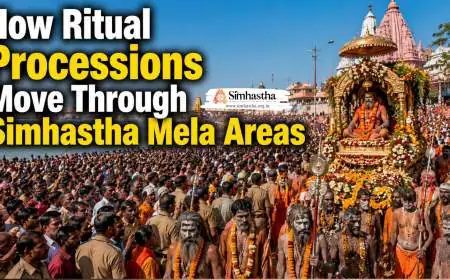



Kathmandu to Ujjain Travel Guide Route Distance Tips
Complete Kathmandu to Ujjain travel guide with routes, distance, border crossing tips, transport options, and smart planning for a smooth journey.
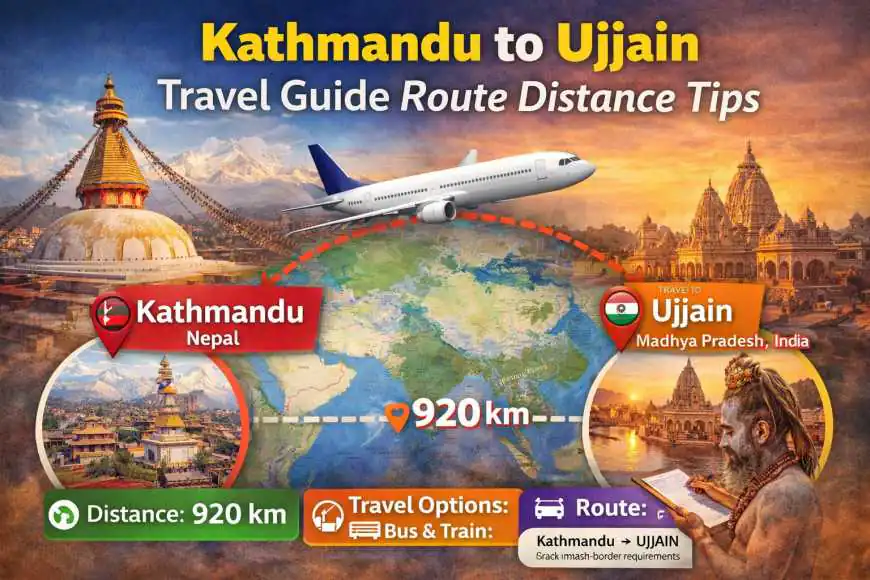


Kathmandu to Ujjain Travel Guide: Route, Distance and Border Tips
Understanding the Journey from Kathmandu to Ujjain
Traveling from Kathmandu to Ujjain is a long-distance cross-border journey that combines geography, infrastructure, and spiritual significance. This route connects Nepal’s capital city, known for its dense concentration of temples and heritage sites, to one of India’s holiest cities, Ujjain, home to the revered Mahakaleshwar Jyotirlinga.
The total distance from Kathmandu to Ujjain typically falls between 1,100 km and 1,300 km, depending on the route selected. Travel time ranges from 24 hours to 36 hours, but this can extend based on traffic, train availability, border crossing delays, and chosen mode of transport.
This journey is widely undertaken by pilgrims, tourists, and long-distance travelers who seek a blend of spiritual fulfillment and cultural exposure. It requires careful planning, especially when crossing the India–Nepal border and coordinating between road, rail, and air segments.
For Every pilgrims, understanding Simhastha 2028 dates and the official Shahi Snan timeline is essential before booking flights or accommodation, as these sacred dates are completely non-negotiable
Trending Guides Now
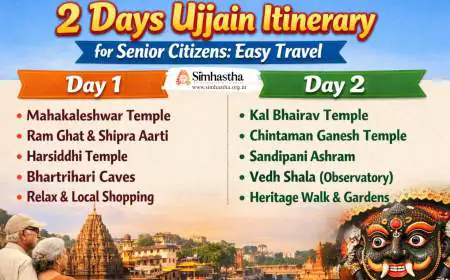
2 Days Ujjain Itinerary for Senior Citizens Easy Travel

Ujjain Simhastha 5 Day Itinerary for Couples

Safety Guidelines Every Ujjain Simhastha Pilgrim Must Follow
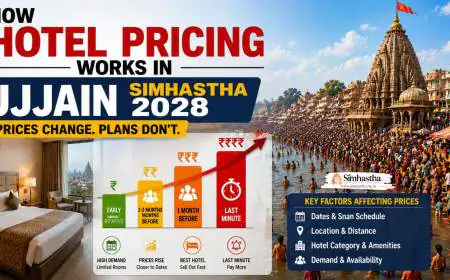
How Hotel Pricing Works in Ujjain Simhastha 2028

Ujjain Railway Station to Mahakaleshwar Temple Distance (2026 Guide)

Ujjain Simhastha 2028 Dates Announced: Full Shahi Snan & Event Timeline

Benefits of Becoming a Simhastha Volunteer
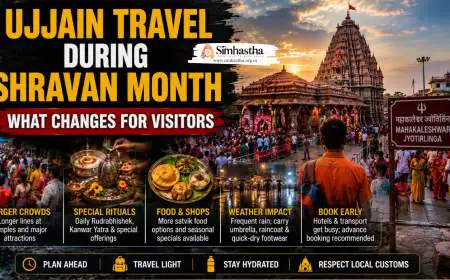
Ujjain Travel During Shravan Month: What Changes for Visitors
Route Analysis: Choosing the Best Path
Selecting the right route is critical because it directly affects travel time, cost, and comfort. There are three primary routes for Kathmandu to Ujjain travel, each suited to different types of travelers.
Route 1: Kathmandu → Sunauli Border → Gorakhpur → Ujjain
This is the most preferred and efficient route for the majority of travelers.
- Kathmandu to Sunauli: ~260 km
- Sunauli to Gorakhpur: ~100 km
- Gorakhpur to Ujjain: ~900 km
Why this route is dominant:
- High availability of buses and taxis
- Direct railway connectivity from Gorakhpur
- Lower travel costs
- Simplified logistics for first-time travelers
Travelers typically take a bus or private vehicle from Kathmandu to Sunauli, cross the border, and then proceed to Gorakhpur railway station. From there, trains connect directly or via major junctions like Bhopal or Itarsi.
Route 2: Kathmandu → Raxaul → Varanasi → Ujjain
This route is slightly longer but offers additional cultural exposure.
- Kathmandu to Raxaul: ~280 km
- Raxaul to Varanasi: ~300 km
- Varanasi to Ujjain: ~800 km
Advantages:

- Opportunity to visit Varanasi
- Multiple train options
- Less congestion at Raxaul compared to Sunauli
This route is ideal for travelers who want to include another spiritual destination before reaching Ujjain.
Route 3: Kathmandu → Delhi → Indore → Ujjain (Air Route)
This is the fastest and most comfortable route.
- Flight: Kathmandu to Delhi
- Flight or train: Delhi to Indore
- Road: Indore to Ujjain (~55 km)
Benefits:
- Saves significant time
- Best for elderly travelers and families
- Avoids border complexities
Although expensive, this route reduces travel fatigue and is ideal during peak seasons.
A first time Simhastha guide is essential because without contextual understanding, pilgrims arrive prepared for devotion but unprepared for logistics, stamina, patience, and adaptability.
Detailed Distance and Time Breakdown
Understanding the journey in segments helps with planning and reduces uncertainty.
| Segment | Distance | Average Time |
|---|---|---|
| Kathmandu to Border | 250–300 km | 8–10 hours |
| Border to Gorakhpur | 90–100 km | 3–4 hours |
| Gorakhpur to Ujjain | 850–950 km | 16–20 hours |
Total Journey Time: 24–36 hours
Factors affecting travel time include:
- Road conditions in Nepal
- Border crossing delays
- Train schedules and delays
- Seasonal congestion
Transport Modes: Strategic Comparison
Road Travel: Flexible but Demanding
Road travel is the first phase of the journey and offers flexibility.
Options available:
- Tourist buses
- Private taxis
- Shared jeeps
Advantages:
- Direct access to border points
- Flexible departure times
- Scenic routes
Challenges:
- Long travel hours
- Road conditions may vary
- Fatigue for drivers and passengers
Rail Travel: Cost-Effective Backbone
Once inside India, trains become the most efficient option.
Key boarding points:
- Gorakhpur
- Varanasi
Advantages:
- Affordable pricing
- Wide availability of classes (Sleeper, AC)
- Long-distance comfort
Challenges:
- Ticket availability during peak seasons
- Possible delays
- Need for advance booking
Air Travel: Speed with Cost
Air travel significantly reduces total journey time.
Typical route:
- Kathmandu to Delhi
- Delhi to Indore
Advantages:
- Fastest mode
- Reduced fatigue
- Predictable schedules
Challenges:
- Higher cost
- Airport transfers
- Limited flexibility
Border Crossing Guide: Practical Insights
The India–Nepal border is unique due to its open access policy, but certain protocols must still be followed.
Couples arriving during Ujjain Simhastha should spend their first few hours adjusting to the rhythm of the pilgrimage. Walking slowly through the city allows visitors to absorb the powerful spiritual atmosphere created by the gathering of saints and devotees attending the Ujjain Kumbh Mela.To deepen your understanding of the spiritual customs and sacred rituals practiced during Ujjain Simhastha, read our complete Simhastha rituals and sacred practices guide that explains their meaning, timing, and significance.
Entry Rules and Documentation
For Indian and Nepali citizens:
- No visa required
- Government-issued ID is sufficient
Recommended documents:
- Aadhaar card or Passport
- Voter ID
- Travel tickets
- Accommodation proof
Carrying proper identification ensures smooth passage without delays.
Major Border Checkpoints
Sunauli Border
- Most popular crossing point
- High traffic volume
- Better transport connectivity
Raxaul Border
- Less crowded
- Slightly longer route
- Preferred for alternative travel planning
Border Crossing Strategy
To optimize your experience:
- Start early in the morning
- Avoid weekends and festival days
- Carry Indian currency in small denominations
- Stay alert to unofficial agents
Border crossings can take anywhere from 30 minutes to 3 hours, depending on traffic.
Also Read | Best Time to Visit Ujjain Simhastha 2028
Best Time to Travel
Seasonal timing has a direct impact on travel comfort.
Winter (October to March)
- Ideal weather
- Comfortable travel conditions
- High tourist activity
Summer (April to June)
- Hot temperatures in central India
- Manageable with planning
Monsoon (July to September)
- Slower travel due to rain
- Risk of delays and road issues
For pilgrimage purposes, aligning travel with festival dates enhances the experience.
Cost Planning: Budget to Premium
Budget Travel
- Bus + train combination
- Cost-effective
- Longer travel duration
Mid-Range Travel
- Mix of taxi and AC train
- Balanced comfort and affordability
Premium Travel
- Flights and private taxis
- Maximum comfort and speed
Costs vary depending on season, availability, and booking timing.
Also Read | Step-by-Step Guide to Shipra Snan at Ujjain Kumbh Mela
Accommodation Strategy Along the Route
Travelers often break the journey into segments.
Key Stopover Cities
- Border towns: Basic hotels
- Gorakhpur: Budget to mid-range hotels
- Varanasi: Wide range of accommodations
- Indore: Premium hotels
Booking in advance ensures availability and better pricing.
Food and Hydration Planning
Food availability is consistent across the route.
Recommendations:
- Prefer hygienic restaurants
- Carry packaged snacks
- Stay hydrated
- Avoid street food near border areas
Vegetarian food is widely available, especially in pilgrimage routes.
Safety and Risk Management
Long-distance travel requires awareness and preparation.
Key Safety Tips
- Keep valuables secure
- Avoid late-night border crossings
- Use verified transport services
- Maintain digital and physical copies of documents
Travel insurance is recommended for added security.
Common Challenges and Solutions
1. Train Unavailability
Solution: Book tickets in advance or consider alternative routes.
2. Border Delays
Solution: Travel during off-peak hours and avoid festivals.
3. Travel Fatigue
Solution: Break the journey into smaller segments.
4. Language Barriers
Solution: Basic Hindi communication works across most regions.
Also Read | Common Simhastha Mistakes Visitors Must Avoid
Spiritual Importance of the Journey
Ujjain holds immense religious significance as one of the seven sacred cities in Hindu tradition. The Mahakaleshwar temple attracts devotees from across India and Nepal.
This journey symbolizes a transition from Himalayan spirituality to the sacred plains of central India. For many travelers, it is not just a physical journey but a deeply transformative experience.
Planning a trip to Ujjain Simhastha? Check our Ujjain Simhastha 2028 Cost Per Person (Full Budget Guide) to understand accommodation, food, and travel expenses during the Ujjain Kumbh Mela.
Smart Travel Tips for First-Time Travelers
- Plan your route in advance
- Book train tickets early
- Keep emergency contacts ready
- Carry both cash and digital payment options
- Stay informed about local conditions
Travel Planning Checklist
Before starting your journey, ensure:
- Valid ID proof
- Confirmed bookings
- Emergency funds
- Mobile connectivity
- Basic medical kit
Preparation reduces uncertainty and enhances travel confidence.
Making the Journey Seamless and Memorable
Traveling from Kathmandu to Ujjain requires a combination of logistical planning and situational awareness. Whether you choose a budget-friendly route or a premium travel option, understanding the route, border procedures, and transport systems ensures a smooth journey.
With the right strategy, this long-distance trip becomes not only manageable but deeply rewarding—offering a unique blend of cultural immersion, spiritual connection, and travel experience across two nations.
Related Simhastha 2028 Guides :
- Simhastha 2028 Dates Officially Announced: Full Event & Shahi Snan Timeline
- Top 10 Routes to Enter Ujjain During Simhastha 2028 Without Traffic Hassles
- How to Travel Inside Ujjain During Simhastha 2028: Routes, Maps and Movement Plans
- How to Travel in Ujjain During Peak Snan Days: Do’s & Don’ts for Simhastha 2028
- Solo Travel Guide for Simhastha 2028: Safety, Budget, Stay & Movement Tips
- Mumbai to Ujjain for Simhastha 2028: Fastest Routes & Budget Tips
- Bengaluru to Ujjain for Simhastha 2028: Night Travel vs Day Travel Comparison
- Delhi to Ujjain for Simhastha 2028: Fastest Same-Day Travel Plan for Pilgrims
- Ujjain Simhastha from New York: Best Travel & Stay Guide
- Ujjain Simhastha From London: Complete Travel & Stay Guide
Frequently Asked Questions