
















Simhastha 2028 Planning Faith Infrastructure Science
Deep dive into Simhastha 2028 planning covering faith systems, infrastructure design, and crowd science strategies for safe and efficient management.



How Simhastha 2028 Planning Balances Faith, Infrastructure and Crowd Science
Understanding the Scale of Simhastha 2028
The planning of Simhastha 2028 operates on a scale unmatched by most global events. Unlike conventional gatherings, Simhastha is not confined to a stadium or urban complex—it spans an entire city ecosystem and extends into surrounding regions. Millions of pilgrims converge within a limited timeframe, especially during peak ritual days, creating dynamic pressure on land, resources, and systems.
The uniqueness of Simhastha 2028 planning lies in its ability to merge three fundamentally different domains:
- Faith-driven decision-making, rooted in centuries-old traditions
- Infrastructure engineering, designed to support massive populations temporarily
- Crowd science methodologies, ensuring safe and efficient human movement
This tri-layered integration transforms Simhastha into a controlled yet spiritually vibrant environment.
For Every pilgrims, understanding Simhastha 2028 dates and the official Shahi Snan timeline is essential before booking flights or accommodation, as these sacred dates are completely non-negotiable
Trending Guides Now

Why Ujjain Is One of the Four Kumbh Cities in India

Simhastha Kumbh Mela Explained for First-Time Visitors
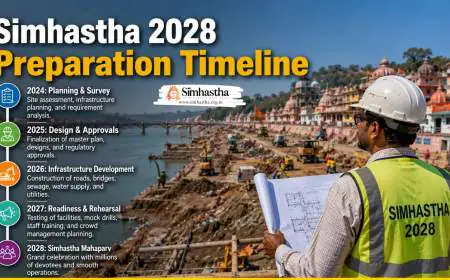
Simhastha 2028 Preparation Timeline: What Happens Each Year

What to Wear Carry Avoid at Ujjain Simhastha

Ujjain Railway Station to Mahakaleshwar Temple Distance (2026 Guide)

Ujjain Simhastha 2028 Dates Announced: Full Shahi Snan & Event Timeline

Ujjain Simhastha Update: CM Mohan Yadav Reviews 2028 Works
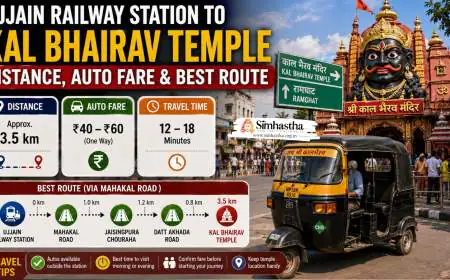
Ujjain Railway Station to Kal Bhairav Temple: Distance, Auto Fare and Best Route
Faith as the Core Driver of Planning Decisions
Ritual Calendar as the Planning Backbone
Every aspect of Simhastha planning begins with the religious calendar. Ritual dates, especially Shahi Snan, dictate peak crowd influx. These dates are non-negotiable and serve as fixed anchors around which all logistical planning revolves.
Unlike modern events where schedules can be adjusted, Simhastha requires infrastructure and crowd systems to adapt to predetermined spiritual timings.
Akhara Hierarchy and Spatial Allocation
The Akhara system plays a decisive role in land allocation and spatial planning. Each Akhara holds a specific position in the spiritual hierarchy, and this hierarchy directly influences camp placement.
Key considerations include:
- Proximity to sacred ghats
- Historical precedence
- Ritual procession routes
This ensures that tradition is preserved while maintaining order.
Sacred Geography and Zoning
The geography of Simhastha is divided into zones based on spiritual significance. Areas closer to the river and key temples are treated as high-priority zones.

These zones are designed to accommodate:
- Ritual bathing
- Processions
- High-density gatherings
Faith-based zoning is then integrated with engineering constraints.
A first time Simhastha guide is essential because without contextual understanding, pilgrims arrive prepared for devotion but unprepared for logistics, stamina, patience, and adaptability.
Infrastructure Engineering: Building a Temporary Megacity
Urban Planning Principles Applied to Simhastha
The creation of a temporary city for Simhastha involves applying advanced urban planning principles within a compressed timeline.
Key objectives include:
- High-capacity load handling
- Efficient land utilization
- Rapid construction and dismantling
This temporary city must function like a permanent urban system for the duration of the event.
Road and Mobility Infrastructure
Mobility planning is critical in Simhastha infrastructure planning.
Road Network Design
- Multi-layered road hierarchy (primary, secondary, internal roads)
- Dedicated pedestrian pathways
- Emergency vehicle corridors
Traffic Segregation
- Separation of pedestrian and vehicular movement
- Controlled access points
- Diversion routes for crowd management
Water Supply and Sanitation Systems
Providing clean water and sanitation to millions is one of the most complex challenges.
Water Infrastructure
- High-capacity pipelines
- Storage tanks
- Continuous monitoring systems
Sanitation Systems
- Temporary toilets in large numbers
- Waste disposal mechanisms
- Sewage management systems
These systems are designed to operate under peak load conditions without failure.
Couples arriving during Ujjain Simhastha should spend their first few hours adjusting to the rhythm of the pilgrimage. Walking slowly through the city allows visitors to absorb the powerful spiritual atmosphere created by the gathering of saints and devotees attending the Ujjain Kumbh Mela.To deepen your understanding of the spiritual customs and sacred rituals practiced during Ujjain Simhastha, read our complete Simhastha rituals and sacred practices guide that explains their meaning, timing, and significance.
Electricity and Communication Networks
Reliable power supply is essential.
- Temporary power grids
- Backup generators
- Lighting systems for night movement
Communication networks include:
- Mobile towers
- Public announcement systems
- Emergency communication channels
Crowd Science: Managing Millions with Precision
Understanding Crowd Dynamics
Crowd science in Simhastha focuses on understanding how large groups behave under different conditions.
Key variables include:
- Density
- Movement speed
- Behavioral patterns
These variables are analyzed to design safe movement systems.
Also Read | Best Time to Visit Ujjain Simhastha 2028
Crowd Flow Modeling and Simulation
Before the event, planners use simulations to predict crowd behavior.
Modeling Objectives
- Identify bottlenecks
- Optimize routes
- Plan evacuation strategies
This predictive approach reduces uncertainty.
Real-Time Crowd Monitoring Systems
During the event, real-time systems are deployed.
- CCTV surveillance
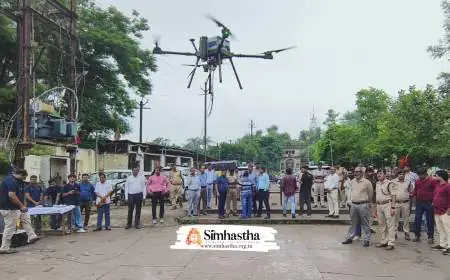
- Drone monitoring
- Data analytics dashboards
These systems provide live updates on crowd density and movement.
Peak Load Management on Shahi Snan Days
Peak days require special strategies.
Controlled Access
- Time-based entry systems
- Restricted zones
- Regulated flow rates
Route Optimization
- One-way movement paths
- Multiple entry and exit points
These measures prevent overcrowding and ensure safety.
Also Read | Step-by-Step Guide to Shipra Snan at Ujjain Kumbh Mela
Integration of Technology in Simhastha 2028
GIS-Based Planning Systems
Geospatial technology is used extensively.
- Mapping land parcels
- Designing routes
- Planning infrastructure placement
GIS ensures precision and efficiency.
Data-Driven Decision Making
Data analytics plays a central role in:
- Predicting crowd patterns
- Optimizing resource allocation
- Improving response time
Digital Communication Platforms
Authorities use digital platforms for:
- Public information dissemination
- Emergency alerts
- Coordination between departments
Safety and Emergency Management Framework
Multi-Tier Security Architecture
Security is layered and comprehensive.
- Local police
- National security forces
- Specialized units
Emergency Response Systems
Preparedness includes:
- Medical camps
- Ambulance networks
- Disaster response teams
Evacuation Planning
Evacuation routes are pre-designed and tested.
- Clear signage
- Dedicated pathways
- Rapid response protocols
Also Read | Common Simhastha Mistakes Visitors Must Avoid
Environmental Sustainability in Simhastha Planning
Waste Management Systems
Managing waste at scale requires:
- Segregation systems
- Collection and disposal networks
- Recycling initiatives
River Protection Strategies
Special measures are taken to protect water bodies.
- Controlled bathing zones
- Pollution monitoring
- Awareness campaigns
Sustainable Resource Usage
Efforts include:
- Efficient water usage
- Energy conservation
- Eco-friendly materials
Stakeholder Coordination and Governance
Key Stakeholders
- Government authorities
- Akharas
- Urban planners
- Engineers
- Health and safety agencies
Planning a trip to Ujjain Simhastha? Check our Ujjain Simhastha 2028 Cost Per Person (Full Budget Guide) to understand accommodation, food, and travel expenses during the Ujjain Kumbh Mela.
Coordination Mechanisms
- Regular planning meetings
- Integrated command centers
- Clear communication channels
Challenges in Simhastha 2028 Planning
Scale and Complexity
Managing millions of people within a limited space.
Dynamic Crowd Behavior
Unpredictable movement patterns require adaptive systems.
Balancing Tradition and Modernity
Respecting faith while implementing scientific solutions.
Lessons from Previous Simhastha Events
Past experiences highlight:
- Importance of early planning
- Role of technology
- Need for coordination
These lessons shape current strategies.
How Faith, Infrastructure and Science Work Together
The success of Simhastha 2028 planning lies in integration.
- Faith defines purpose and structure
- Infrastructure supports physical needs
- Crowd science ensures safety and efficiency
This synergy creates a system where millions can gather without chaos.
A Living Model of Precision and Devotion
Simhastha 2028 stands as a powerful example of how ancient traditions can coexist with modern science and engineering. The planning process transforms a massive, complex gathering into a well-orchestrated system where spirituality and structure operate in harmony.
Every road, camp, and movement path reflects years of preparation, making Simhastha not just an event, but a masterclass in large-scale planning and execution.
Related Simhastha 2028 Guides :
- Simhastha 2028 Dates Officially Announced: Full Event & Shahi Snan Timeline
- Top 10 Routes to Enter Ujjain During Simhastha 2028 Without Traffic Hassles
- How to Travel Inside Ujjain During Simhastha 2028: Routes, Maps and Movement Plans
- How to Travel in Ujjain During Peak Snan Days: Do’s & Don’ts for Simhastha 2028
- Solo Travel Guide for Simhastha 2028: Safety, Budget, Stay & Movement Tips
- Mumbai to Ujjain for Simhastha 2028: Fastest Routes & Budget Tips
- Bengaluru to Ujjain for Simhastha 2028: Night Travel vs Day Travel Comparison
- Delhi to Ujjain for Simhastha 2028: Fastest Same-Day Travel Plan for Pilgrims
- Ujjain Simhastha from New York: Best Travel & Stay Guide
- Ujjain Simhastha From London: Complete Travel & Stay Guide
Frequently Asked Questions