













Simhastha 2028: Faith, Infrastructure & Crowd Science
Discover how Simhastha 2028 planning balances faith, infrastructure, and crowd science to manage millions of pilgrims safely in Ujjain.


How Simhastha 2028 Planning Balances Faith, Infrastructure and Crowd Science
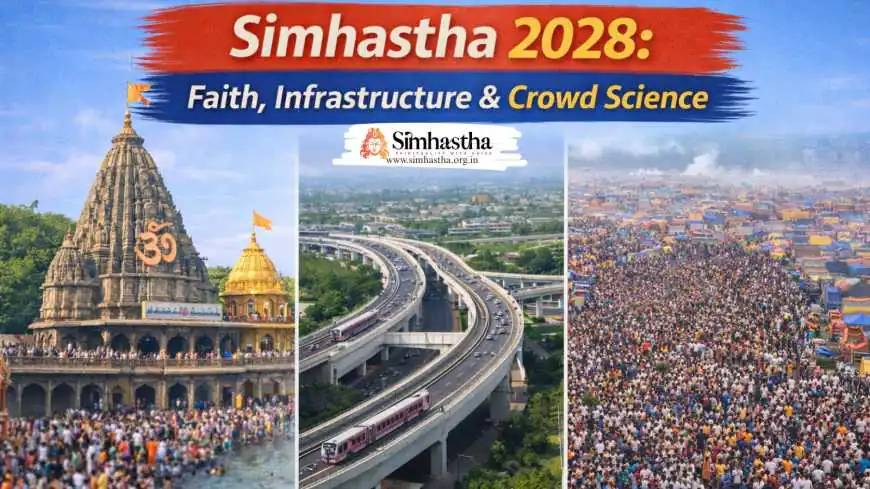
Simhastha 2028 represents one of the most complex and fascinating examples of large-scale event planning in the world. The sacred gathering in Ujjain is not simply a religious festival; it is a massive convergence of spirituality, urban infrastructure, logistics management, and advanced crowd science.
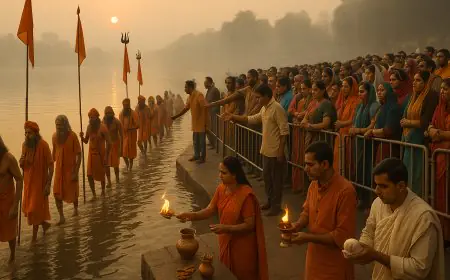
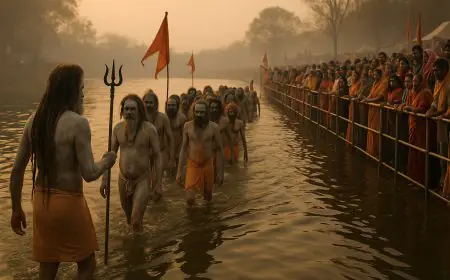
Every twelve years, millions of pilgrims travel to Ujjain to participate in ritual bathing in the Shipra River and seek blessings at the sacred Mahakaleshwar Temple. Managing such a massive influx of people requires extraordinary planning that integrates traditional faith practices with modern administrative systems.
The planning of Simhastha 2028 therefore focuses on three interconnected pillars: faith traditions, urban infrastructure, and scientific crowd management strategies. Authorities must respect the sacred rhythms of the festival while simultaneously ensuring public safety, transportation efficiency, sanitation, emergency response, and digital monitoring.
This balance between devotion and logistics transforms Simhastha Ujjain into one of the most sophisticated examples of pilgrimage management anywhere in the world.
Trending Guides Now
Why is Ujjain Kumbh Called Simhastha?

How Simhastha 2028 Transport Planning Integrates Rail, Road and Air in One Grid

Why Simhastha Can Only Happen in Ujjain: Scriptural & Astronomical Proof
Why Shahi Snan Is the Most Important Ritual of Simhastha 2028 ?

Ujjain Railway Station to Mahakaleshwar Temple Distance (2026 Guide)

Ujjain Simhastha 2028 Dates Announced: Full Shahi Snan & Event Timeline

Ujjain Simhastha Update: CM Mohan Yadav Reviews 2028 Works

Karkateshwar Mahadev: 22/84 Mahadev of Ujjain
Also Read | Mahakaleshwar Temple Darshan Timings And Aarti Schedule
Understanding the Scale of Simhastha 2028
To understand the complexity of Simhastha 2028 planning, it is important to recognize the extraordinary scale of the festival.
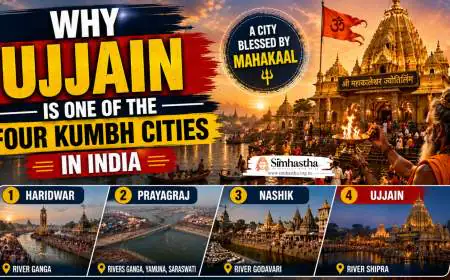
Simhastha is one of the four major Kumbh gatherings in India and is expected to attract tens of millions of pilgrims over several weeks. On major bathing days known as Shahi Snan, the number of pilgrims present in Ujjain can reach several million within a single day.
Managing such immense numbers requires coordinated planning across multiple sectors, including:
Transportation systems
Temporary city infrastructure
Public health facilities
Crowd flow management
Security and emergency response
The city of Ujjain effectively transforms into a temporary mega-city during the festival.

Also Read | How to Attend Bhasma Aarti at Mahakaleshwar Temple
The Role of Faith in Simhastha Planning
Despite the complex logistics involved, faith remains the foundation of Simhastha.
The festival is deeply rooted in Hindu spiritual traditions, where ritual bathing in the Shipra River during astrologically significant moments is believed to cleanse spiritual impurities and bring divine blessings.
Because of this sacred significance, planners must align infrastructure planning with religious traditions such as:
Sacred bathing schedules
Processions of Akharas
Temple rituals
Pilgrimage routes
Respecting these traditions ensures that administrative decisions do not interfere with the spiritual experience of pilgrims.
This unique integration of spirituality and governance makes Simhastha planning distinct from other large global events.
Also Read | Best Time to Visit Ujjain
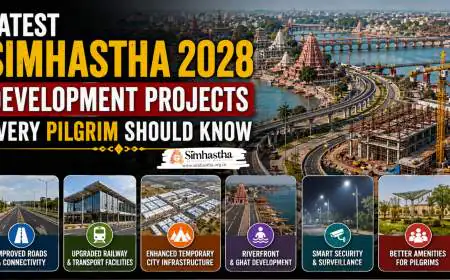
Infrastructure Development for Simhastha 2028
A crucial part of Simhastha infrastructure planning involves building a temporary urban ecosystem capable of supporting millions of visitors.
Key infrastructure components include:
Temporary roads and bridges
Pilgrim accommodation zones
Water supply systems
Sanitation facilities
Electricity networks
These systems must function efficiently under extremely high demand.
Urban planners also expand transportation corridors and improve connectivity between Ujjain and nearby cities such as Indore to ensure smoother movement of pilgrims.
Infrastructure built for Simhastha 2028 often leaves long-term benefits for the region even after the festival concludes.
Also Read | Senior Citizen Darshan Guide
Transportation Planning and Mobility Management
One of the most critical elements of Simhastha crowd management is transportation planning.
Millions of pilgrims arrive in Ujjain through trains, buses, private vehicles, and flights via Indore.
To manage this massive influx, planners typically implement:
Dedicated pilgrim transport corridors
Temporary bus terminals
Expanded railway services
Traffic diversion systems
Transportation management ensures that pilgrims can reach bathing ghats safely without overwhelming city infrastructure.
Smart mobility planning significantly reduces congestion during peak festival days.
Also Read | Solo Travel in Ujjain Complete Guide
Crowd Science and Behavioral Analysis
Modern crowd science plays an increasingly important role in planning Simhastha 2028.
Crowd science studies how large groups of people move and behave in dense environments.
Authorities use this knowledge to design:
Safe pedestrian pathways
One-way walking routes
Controlled entry points
Emergency evacuation systems
By analyzing movement patterns, planners can predict potential crowd pressure points and design infrastructure to prevent dangerous overcrowding.
This scientific approach has become essential for managing mega religious gatherings.
Also Read | Is 1 Day Enough for Ujjain?
Digital Monitoring and Smart Surveillance Systems
Technology plays a growing role in Simhastha crowd monitoring systems.
Authorities deploy digital infrastructure such as:
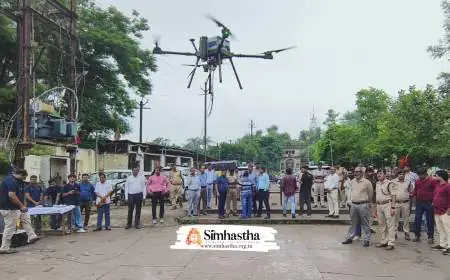
CCTV networks
Drone surveillance
Real-time crowd density monitoring
Public announcement systems
These tools allow administrators to track crowd movement in real time and respond quickly to potential safety concerns.
Digital monitoring also supports emergency response coordination and helps maintain order across the large festival area.
Also Read | Why ISKCON Temple Feels Peaceful Even on Crowded Days
Public Health and Sanitation Planning
Another critical component of Simhastha infrastructure planning involves maintaining public health standards.
Large gatherings can create risks related to sanitation and disease transmission if proper systems are not in place.
Authorities therefore develop extensive facilities including:
Temporary hospitals and medical camps
Clean drinking water distribution
Large sanitation networks
Waste management systems
Public health planning ensures that millions of pilgrims can participate in the festival while maintaining safe living conditions.
Also Read | Chintaman Ganesh: Why Wishes Are Said to Manifest Faster Here
Disaster Management and Emergency Preparedness
Because of the scale of the gathering, Simhastha disaster management planning is essential.
Authorities prepare detailed emergency response systems that include:
Rapid medical response teams
Fire safety units
Emergency evacuation routes
Communication coordination centers
Training exercises and simulations are often conducted months before the festival to ensure readiness.
These measures help protect pilgrims while maintaining smooth operations throughout the event.
Also Read | VIP Darshan at Mahakaleshwar
Environmental Protection and River Management
The Shipra River plays a central role in Simhastha Ujjain, making environmental protection a critical priority.
Authorities implement measures to protect water quality during the festival, including:
River cleaning programs
Waste management systems
Controlled access points to bathing ghats
Environmental planning ensures that the sacred river remains clean and sustainable even with millions of pilgrims visiting during the festival.
Also Read | The Magic of the Shipra River
Collaboration Between Government and Religious Institutions
Planning Simhastha 2028 requires cooperation between government authorities and religious organizations.
Key stakeholders include:
State administration
Local municipal authorities
Akharas and spiritual leaders
Public safety agencies
This collaboration ensures that both spiritual traditions and public safety requirements are respected during the festival.
Also Read | Ujjain Ghats Before Sunrise
The Unique Model of Simhastha Event Management
The planning model used for Simhastha 2028 is often studied by experts in urban planning and crowd management.
Few events in the world bring together such large numbers of people in a concentrated space while maintaining a peaceful and spiritual atmosphere.
The integration of faith traditions, infrastructure planning, and crowd science creates a unique governance model that combines ancient rituals with modern administrative strategies.
Also Read | Perfect Stay Near Mahakaleshwar Temple, Ujjain
When Faith Meets Science and Planning
The success of Simhastha Ujjain ultimately lies in the delicate balance between devotion and planning.
Millions of pilgrims arrive with spiritual intentions, yet their safety and comfort depend on complex systems of infrastructure, technology, and human coordination operating behind the scenes.
Through thoughtful planning, advanced crowd science, and deep respect for spiritual traditions, Simhastha 2028 demonstrates how ancient pilgrimage practices can coexist with modern urban management.
This extraordinary synthesis of faith, infrastructure, and scientific planning ensures that the sacred gathering continues to inspire millions while remaining safe, organized, and spiritually meaningful.
Related Guides For Ujjain:
- Best Time to Visit Ujjain: For Peaceful Darshan
- Senior Citizen Darshan Guide for Mahakaleshwar and Ujjain Temples
- Complete Guide for Solo Women & Solo Men (2025)
- Ujjain to Indore Day Trip-Perfect One-Day Spiritual
- Ujjain in 2 Days – The Complete Spiritual & Travel Plan
- Ujjain–Omkareshwar 3-Day Trip Plan for Travelers and Families
- Ujjain Ghats Before Sunrise – A Mystical Spiritual Awakening
- Panchkroshi Yatra – Complete Guide
Frequently Asked Questions