



















ISKCON Ujjain: Why This Temple Feels Peaceful Even on Crowded Days
Discover why ISKCON Ujjain feels peaceful even on crowded days. Explore its serene ambience, Krishna devotion, soothing kirtans, and unique spiritual atmosphere.


ISKCON Ujjain: Why This Temple Feels Peaceful Even on Crowded Days
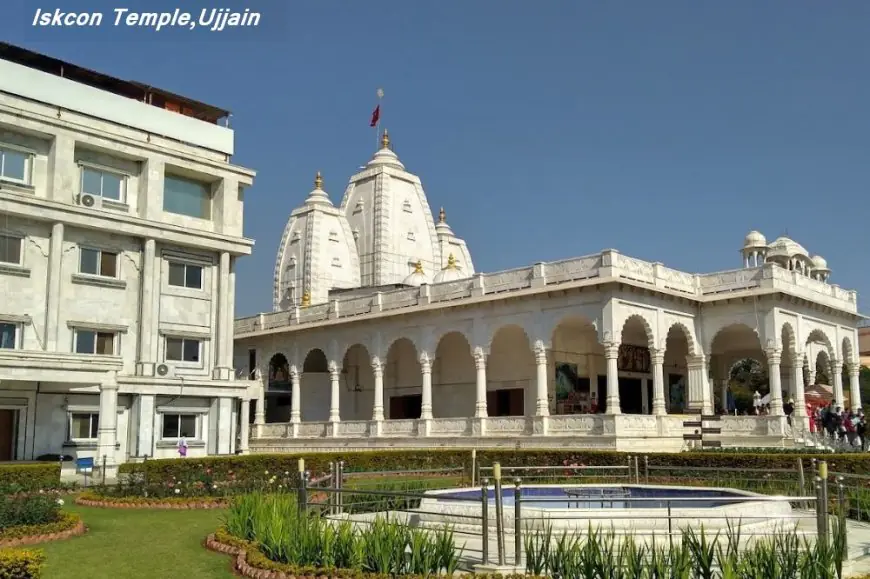
Among the many sacred places in Ujjain, ISKCON Ujjain holds a special place in the hearts of devotees. It is one of those rare temples where peace is not dependent on silence or emptiness—the peace here exists even when the corridors are full, the aarti hall is packed, and devotional chants echo throughout the courtyard. The temple radiates a calming energy that brings instant relief to the mind, regardless of how busy the surroundings may be.
This unique experience is what draws visitors from across the country. Some come for darshan of the beautifully adorned deities of Radha Madhan Mohan. Others come for the uplifting kirtan, the serene architecture, or the warm hospitality of ISKCON devotees. Many arrive simply because they want to feel mental peace—and they find it almost immediately.
In this blog, we explore why ISKCON Ujjain feels peaceful even on the busiest days. What makes the atmosphere so soothing? What is the energy behind the temple’s calmness? What practices create this spiritual harmony?
Let’s discover.
Trending Guides Now

Best Time to Visit Ujjain: For Peaceful Darshan and Comfortable Travel

Women Safety Guide for Ujjain: Travel Smart, Safe and Confident

Ujjain to Omkareshwar Route Guide: Best Road Plan, Temples, and Travel Tips for Devotees
A Morning at Mahakaleshwar: My Experience of the Bhasma Aarti in Ujjain

Ujjain Railway Station to Mahakaleshwar Temple Distance (2026 Guide)

Ujjain Simhastha 2028 Dates Announced: Full Shahi Snan & Event Timeline

Ujjain Simhastha Update: CM Mohan Yadav Reviews 2028 Works

Ujjain Railway Station to Kal Bhairav Temple: Distance, Auto Fare and Best Route
For Every pilgrims, understanding Simhastha 2028 dates and the official Shahi Snan timeline is essential before booking flights or accommodation, as these sacred dates are completely non-negotiable.
The Temple’s Architecture Encourages Calmness
ISKCON Ujjain is designed with white marble, airy courtyards, and open spaces that allow natural light to flow freely. Even when devotees gather in large numbers, the temple never feels congested. The high ceilings, clean design, and symmetrical layout all contribute to a sense of spaciousness.
The moment you enter the complex, the ambience begins to calm the senses. The polished marble floor feels cool beneath the feet. Light filters in from multiple angles, creating a soft glow instead of harsh brightness. The sound of footsteps blends gently with distant kirtan. This architectural harmony lays the foundation for peace.
The Constant Chanting of the Hare Krishna Maha-Mantra
One of the most defining features of any ISKCON temple is the maha-mantra:
Hare Krishna Hare Krishna
Krishna Krishna Hare Hare
Hare Rama Hare Rama
Rama Rama Hare Hare
Whether sung softly, played rhythmically in kirtan form, or chanted individually on japa beads, this mantra vibrates throughout ISKCON Ujjain from morning to night.

Mantras are sound vibrations, and the maha-mantra is believed to purify the mind and heart. Even if one is not actively chanting, just being in its presence brings a sense of openness, comfort, and emotional balance.
This constant spiritual vibration creates a peaceful field of energy that surrounds the entire temple, absorbing stress and replacing it with calmness.
The Graceful Presence of Radha Madhan Mohan
The heart of ISKCON Ujjain is the stunningly beautiful deities of Sri Sri Radha Madhan Mohan. Their presence alone transforms the atmosphere of the temple. The elegance and serenity in their expressions inspire devotion even in those who may not be deeply religious.
Devotees often share that just standing before the deities makes the mind feel lighter. The intricate decorations, fresh flower garlands, natural fragrances, and the gentle glow of temple lamps create an ambience that is soothing even on crowded days.
The temple priests maintain a high standard of cleanliness and devotional care, which enhances the divine atmosphere.
Community Harmony and Smiling Devotees
One of the most uplifting aspects of ISKCON is the warmth and humility of its devotees. Volunteers and residents maintain a welcoming environment, offering directions, distributing prasad, or simply smiling at those who enter.
Even when many visitors arrive at once, the devotees handle everything calmly. Their gentle tone, respectful behavior, and consistent mantra chanting create a safe, harmonious environment.
The collective positive attitude contributes significantly to the peaceful feeling.
The Temple Runs on Devotion, Not Noise
In many temples, sound comes from:
• loud conversations
• hurried crowds
• temple announcements
• rushed rituals
But ISKCON Ujjain channels sound differently. Here, sound is devotion itself.
The kirtan, bells, and shlokas are rhythmic and intentional. They elevate rather than overwhelm. Even when hundreds participate in kirtan, the atmosphere remains devotional rather than chaotic. The sound does not disturb—it heals.
This balance between energy and stillness is one of the temple’s greatest strengths.
Cleanliness and Order Enhance the Experience
ISKCON temples around the world are known for their emphasis on:
• purity
• cleanliness
• organization
• discipline
ISKCON Ujjain is no exception. The premises are spotless—floors, walls, walkways, and surrounding gardens. There is no visual clutter or noise that disturbs the mind. Everything is arranged systematically, from footwear racks to prasad distribution to crowd movement during festivals.
A clean space naturally produces a clean mental state.
The Power of Sattvic Vibration
In Indian philosophy, environments are categorized as:
• sattvic — pure, calm, uplifting
• rajasic — active, energetic
• tamasic — heavy, dull
ISKCON Ujjain maintains a sattvic ambience at all times. This comes from:
• devotional chanting
• pure vegetarian food
• spiritual teachings
• selfless service
• loving interactions
When an environment is sattvic, the mind becomes quiet automatically.
This is why even newcomers who are unfamiliar with Krishna devotion feel peaceful.
The Temple Encourages Slow, Mindful Movement
Many visitors notice that they instinctively start moving slower inside the temple. The environment encourages mindfulness. Even during festivals with thousands of visitors, people maintain a natural rhythm of respect and calmness.
This mindful behavior spreads across the entire crowd, creating a unified peaceful atmosphere.
The Prasad Experience
The prasad at ISKCON Ujjain is sattvic, freshly prepared, and infused with devotion. Even a simple sweet or khichdi bowl brings comfort. Food affects mood, and sattvic food enhances peace.
After eating prasad, many devotees feel lighter and emotionally settled.
Why ISKCON Ujjain Feels Peaceful Even on Crowded Days
Summarizing the key reasons:
• constant chanting of the maha-mantra
• sattvic environment
• gracious deities radiating calmness
• smiling, helpful devotees
• spacious architecture
• clean and organized surroundings
• devotional sound instead of noise
• natural light and open courtyards
• collective positive intention
All of these combine to create an atmosphere where peace becomes something you feel instantly—not something you must search for.
Who Should Visit ISKCON Ujjain?
The temple is ideal for:
• anyone experiencing stress
• travelers seeking calmness
• spiritual seekers
• families
• students
• meditators
• devotees of Krishna
• people looking for community harmony
Its peacefulness makes it a safe spiritual refuge for all.
Conclusion
ISKCON Ujjain is more than a temple—it is a sanctuary of heart and mind. Its ambience heals, uplifts, and soothes, even when the space is full of people. The divine atmosphere, the constant mantra vibration, the serene deities, and the loving community create a unique spiritual environment.
For anyone visiting Ujjain, experiencing ISKCON at least once is essential—not just for devotion but for inner harmony.
Even on the busiest days, peace here feels natural, effortless, and deeply refreshing.
Frequently Asked Questions