


















Gadkalika Temple: The Goddess Who Inspired Kalidasa?
Discover the mystery of Gadkalika Temple in Ujjain—its ancient origins, its connection to Kalidasa, and why devotees believe the goddess grants intelligence and poetic brilliance.


Gadkalika Temple: The Goddess Who Inspired Kalidasa?
Ujjain is a city where mythology, spirituality, and history intermingle seamlessly. Every corner whispers stories of ancient sages, divine encounters, and timeless poetry. Among the most significant temples in this sacred landscape stands Gadkalika Temple—an ancient shrine dedicated to Goddess Kalika, the fierce yet benevolent form of Shakti. But what elevates this temple beyond its religious identity is a legendary association stretching back to one of India’s greatest classical poets: Kalidasa.
For centuries, devotees, historians, and spiritual seekers have been intrigued by the belief that Kalidasa, the brilliant author of Meghaduta, Shakuntalam, and Kumarasambhavam, received divine blessings from Gadkalika Mata. According to tradition, the goddess transformed him from an uneducated, mocked young man into one of the greatest literary minds in world history.
This connection between the temple and Kalidasa is not merely a myth; it reflects a cultural and spiritual philosophy that reveres divine intelligence as a source of artistic brilliance. This blog explores the story, symbolism, rituals, and enduring mysteries of Gadkalika Temple—and why it continues to be a place where devotees pray not just for protection, but for clarity, intellect, creativity, and inner power.
For Every pilgrims, understanding Simhastha 2028 dates and the official Shahi Snan timeline is essential before booking flights or accommodation, as these sacred dates are completely non-negotiable.
Trending Guides Now

Senior Citizen Darshan Guide for Mahakaleshwar and Ujjain Temples
Why Every Devotee Should Visit Kal Bhairav Temple in Ujjain – Real Experience

Best Time to Visit Ujjain: For Peaceful Darshan and Comfortable Travel

Women Safety Guide for Ujjain: Travel Smart, Safe and Confident

Ujjain Railway Station to Mahakaleshwar Temple Distance (2026 Guide)

Ujjain Simhastha 2028 Dates Announced: Full Shahi Snan & Event Timeline

Ujjain Simhastha Update: CM Mohan Yadav Reviews 2028 Works

Karkateshwar Mahadev: 22/84 Mahadev of Ujjain
The Ancient Roots of Gadkalika Temple
Gadkalika Temple is one of the oldest shrines in Ujjain. Its origins trace back to a period long before recorded history, with references appearing in Puranic texts. Over the centuries, the temple underwent reconstruction—most notably by Emperor Harsha and later by local rulers who sought to preserve its sanctity.
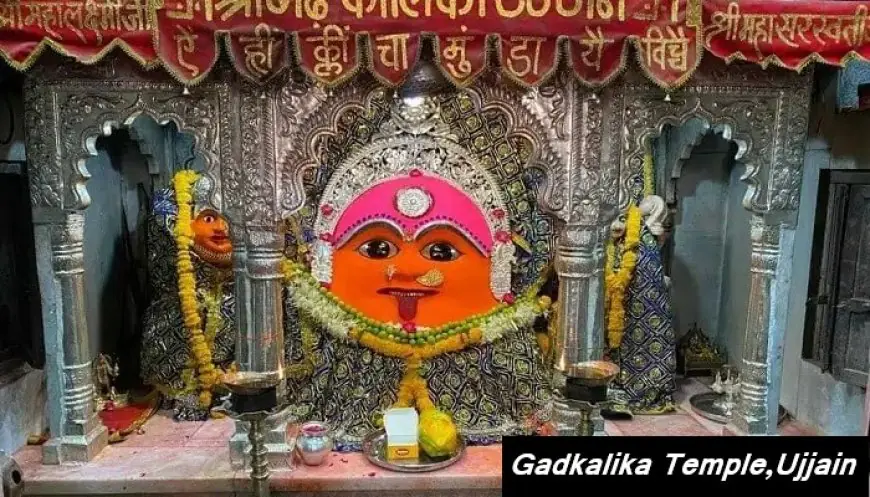
The idol of the goddess is dark, powerful, and intense, representing the fierce form of divine feminine energy. The sanctum is small but radiates a spiritual heaviness that devotees often describe as transformative. Unlike grand temples with elaborate architecture, Gadkalika is simple, raw, and deeply ancient—reflecting its status as a spiritual power center.
The Legend of Kalidasa and the Blessing of the Goddess
One of the most widely known legends linked to this temple tells the story of Kalidasa before he became a poet. According to traditional accounts, Kalidasa was once an uneducated man who lacked clarity and was mocked for his simplicity. Through a twist of fate, he married into a learned family, where his ignorance was exposed. Humiliated, he wandered in despair until destiny brought him to Ujjain.
Here, he encountered the divine presence of Goddess Kalika and surrendered completely at her feet. Touched by his sincerity and pain, the goddess blessed him with exceptional intelligence, poetic vision, and spiritual insight.
After this transformative moment, Kalidasa emerged as a literary genius whose works would define Sanskrit literature for all time.
Whether taken as literal truth or symbolic storytelling, the message is profound: devotion, humility, and divine grace can awaken inner brilliance.

Why Gadkalika Is Known as the Temple of Intellect and Clarity
Many devotees believe that the goddess here does not only grant protection or general blessings. Instead, she is known specifically for:
• strengthening intellect
• enhancing concentration
• improving memory
• awakening creativity
• removing confusion and indecision
• guiding students, artists, and thinkers
This makes Gadkalika Temple especially significant for:
• Students preparing for exams
• Writers and artists
• Scholars and researchers
• Professionals seeking clarity
• Spiritual seekers pursuing wisdom
The association with Kalidasa amplifies this belief. People often visit the temple before starting new academic or creative journeys.
The Spiritual Ambience and Energy of the Temple
The environment around Gadkalika Temple feels ancient and intense. As soon as one steps inside, a quiet heaviness envelops the senses—different from the peaceful calm found in other temples of Ujjain. The presence of Shakti in her fierce form is unmistakable. The dimly lit sanctum, the slow-burning incense, the rhythmic sound of bells, and the sight of the dark goddess idol together create a powerful spiritual experience.
Devotees often feel a strong emotional shift:
• a sense of grounding
• a sudden calmness
• heightened awareness
• clarity of thought
Because of this unique energy, many visitors sit quietly near the temple courtyard after offering prayers, allowing the mind to settle into stillness.
Rituals and Offerings at Gadkalika Temple
Traditional offerings to the goddess include:
• red flowers (especially hibiscus)
• vermillion (sindoor)
• coconuts
• jaggery
• earthen lamps
• turmeric and rice
Devotees often perform sankalp (intention setting) with a focus on clarity and guidance.
Special rituals include:
• Kalika Archana
• Devi Strotra recitation
• Chandi Path
• Navratri special pujas
• Intellectual and academic blessings puja
Children and students frequently visit before exams. Writers and poets also seek blessings before starting new creative projects, continuing the tradition connected to Kalidasa.
The Temple’s Connection to Ujjain’s Cultural Landscape
Ujjain has long been known as a city of learning, wisdom, and spiritual depth. Gadkalika Temple is one of the key nodes in this intellectual network.
Nearby, one finds:
• Sandipani Ashram — the gurukul of Krishna
• Vedh Shala — the ancient observatory
• Mangalnath — birthplace of Mars
• Mahakaleshwar — center of cosmic energy
Gadkalika fits naturally into this ecosystem as the temple of divine intelligence and poetic inspiration.
The idea that Kalidasa was transformed here symbolizes Ujjain’s ancient identity as a place where knowledge was nurtured through spiritual grounding.
Why the Temple Feel So Powerful for Devotees
Many devotees describe a unique experience here:
• thoughts feel clearer
• mind slows down
• intuition becomes stronger
• emotional heaviness lifts
• a sense of resolve appears
This is especially true for people standing before the goddess idol. The intense gaze of the deity, combined with the sacred surroundings, creates an immediate shift in inner awareness.
One of the primary reasons devotees believe their prayers for wisdom are answered quickly here is because the temple naturally calms the mind—and a calm mind makes better decisions, sets stronger intentions, and receives guidance more clearly.
The Natural Surroundings and Location
Set slightly away from the busy parts of Ujjain, Gadkalika Temple’s location gives it a serene atmosphere. The slightly elevated ground, the sound of distant temple bells, and the rustic surroundings contribute to its meditative ambience.
This peaceful environment enhances:
• intention-setting
• concentration
• emotional release
• inner clarity
• mental grounding
No matter when one visits—early morning or evening—the temple always carries an aura of ancient strength.
Who Should Visit Gadkalika Temple?
This temple is especially beneficial for:
• students
• writers
• thinkers
• poets
• seekers of wisdom
• those facing confusion or mental stress
• competitive exam aspirants
• creative individuals
• people beginning new educational or spiritual journeys
Devotees believe that the goddess removes mental obstacles just as Ganesh removes physical ones.
Conclusion
Gadkalika Temple is one of Ujjain’s most spiritually and culturally significant landmarks. Whether or not one takes the story of Kalidasa literally, the connection between the poet and the goddess reflects the profound belief that divine energy can awaken hidden potential within us.
The temple stands as a reminder that brilliance is not always born—it is often blessed, nurtured, and awakened through devotion, humility, and surrender. For countless devotees, Gadkalika Mata continues to be a source of inspiration, clarity, and inner strength.
Visiting this temple is not just a spiritual experience; it is a journey into the heart of Ujjain’s ancient wisdom tradition—a place where poetry, intellect, and divine feminine power converge.
Frequently Asked Questions