


































Chintaman Ganesh: Why Wishes Are Said to Manifest Faster Here
Discover why devotees believe wishes manifest faster at Chintaman Ganesh Temple in Ujjain. Explore its ancient history, miraculous stories, and spiritual significance.


Chintaman Ganesh: Why Wishes Are Said to Manifest Faster Here
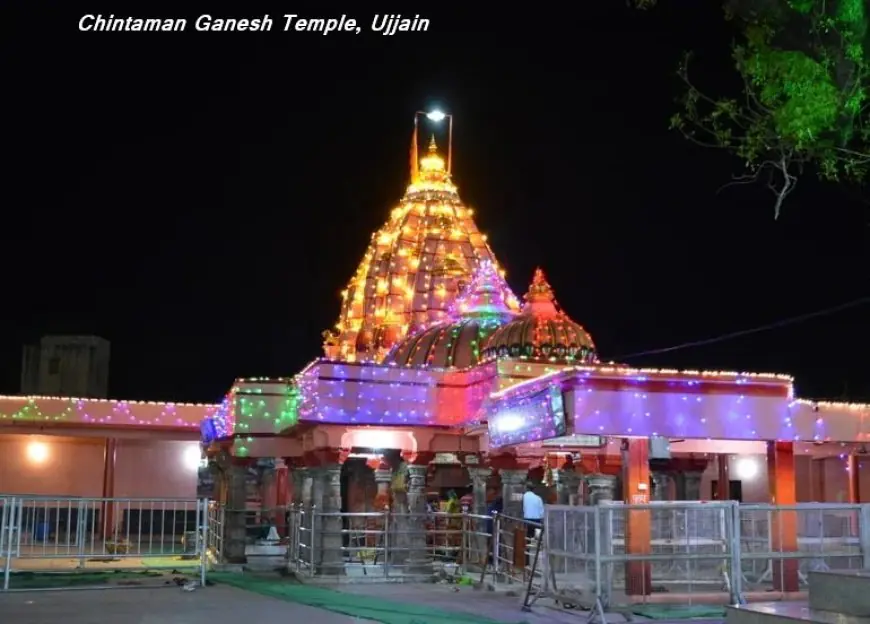
Among all the ancient temples of Ujjain, Chintaman Ganesh holds a unique place in the hearts of devotees. It is not just a temple—it is a sacred refuge where people come to release their worries, offer heartfelt wishes, and experience a deep sense of hope. The belief that “wishes manifest faster” here is not merely a devotional idea; it is rooted in centuries of history, faith, miraculous experiences, and the powerful symbolism of Lord Ganesh as the remover of obstacles.
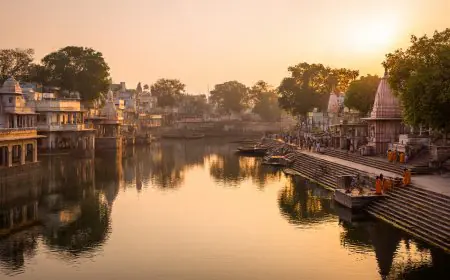
Located near the banks of the Shipra River, Chintaman Ganesh Temple is one of the oldest shrines in Ujjain. The temple’s name itself carries meaning: “Chintaman” translates to “the remover of worries.” For generations, devotees have believed that when they stand before this idol and express their deepest prayers, something shifts in their life—obstacles dissolve, paths open, and long-awaited desires begin to take form.
This blog explores why this temple is associated so strongly with wish fulfillment, what makes its idol extraordinary, and the unique spiritual atmosphere that has made Chintaman Ganesh a cornerstone of Ujjain’s divine heritage.
For Every pilgrims, understanding Simhastha 2028 dates and the official Shahi Snan timeline is essential before booking flights or accommodation, as these sacred dates are completely non-negotiable.
Trending Guides Now

Best Time to Visit Ujjain: For Peaceful Darshan and Comfortable Travel
A Morning at Mahakaleshwar: My Experience of the Bhasma Aarti in Ujjain
Gadkalika Temple: The Goddess Who Inspired Kalidasa?
Astrology and Ujjain: Explore Vedh Shala, the Ancient Observatory Where Time and Stars Align

Ujjain Railway Station to Mahakaleshwar Temple Distance (2026 Guide)

Ujjain Simhastha 2028 Dates Announced: Full Shahi Snan & Event Timeline

Omkareshwar Trip Budget Guide: Transport, Stay, Food and Local Travel Costs

Kashi Vishwanath Trip Budget Guide: Hotel, Local Transport, Food and Darshan Planning
The Ancient Origin of the Temple
Chintaman Ganesh is believed to date back to the Paramara period, making it one of the oldest surviving temples in Ujjain. The architecture reveals ancient craftsmanship, carved pillars, and sanctum walls that have witnessed centuries of worship.
The most striking feature of the temple is the self-manifested idol (Swayambhu Murti) of Lord Ganesh. Unlike crafted stone idols found in other temples, the Chintaman Ganesh idol is believed to have emerged naturally from the earth, making it inherently powerful according to traditional scriptures.
Devotees believe that a deity who manifests on their own carries a higher level of spiritual vibration. This belief forms the foundation of the temple’s association with fast wish manifestation.
Why Devotees Say Wishes Manifest Faster Here
The belief that Chintaman Ganesh fulfills wishes quickly is deeply rooted in several aspects of the temple’s spiritual identity.
The Swayambhu Idol
A naturally manifested idol is considered more awake and energetically responsive. Many devotees claim that prayers said here feel more intimate, more direct, and more deeply received.
The Role of Lord Ganesh
Ganesh is known as:

• Vighnaharta — the remover of obstacles
• Siddhidata — the giver of success
• Buddhipriya — the bestower of intelligence and clarity
• Sankat Mochan — the one who relieves troubles
These qualities align strongly with wish manifestation.
The Meaning of “Chintaman”
The name itself signifies a deity who removes worry and anxiety. When a devotee prays with trust and surrender, the mind becomes clear—and clarity accelerates manifestation.
Centuries of Devotee Experiences
Stories passed down through families describe miracles, sudden solutions, and unexpected blessings. Whether the events are psychological or spiritual, the belief grows stronger with every generation.
The Location Near Shipra
Sacred rivers are believed to intensify the energy of temples situated near them. Shipra’s spiritual significance enhances the emotional and meditative atmosphere.
The Temple’s Calm, Natural Ambience
Unlike crowded city temples, Chintaman Ganesh offers a serene environment where devotees can feel connected, grounded, and open.
All these factors combine to create a place where intentions feel amplified and hopes feel more alive.
The Spiritual Vibration of the Temple
When a devotee enters the temple, the first thing they notice is the peaceful atmosphere. Despite its popularity, the temple maintains a quiet, ancient charm. The stone floor, the carved pillars, the gentle ringing of bells, and the fragrance of incense work together to create an environment perfect for heartfelt prayers.
As one stands before the idol, the serene expression of Lord Ganesh brings an almost immediate sense of relief. Many devotees say that their mind becomes lighter, their stress reduces, and clarity naturally arises. This shift in inner state is one of the biggest reasons why wishes manifest faster here.
Spiritual traditions across India teach that when the mind is calm, intention becomes stronger and manifestation becomes easier.
Miraculous Stories Associated With Chintaman Ganesh
Over the centuries, countless stories have been shared by devotees about the blessings they received after praying here. Common themes include:
• unexpected job opportunities
• resolution of family conflicts
• marriage blessings
• healing from emotional struggles
• success in exams and careers
• protection during difficult times
While these stories are personal and vary from person to person, the emotional sincerity behind them shows how deeply devotees trust in Chintaman Ganesh.
Many families in Ujjain and around India make it a tradition to visit the temple after major milestones—marriage, childbirth, new jobs, and starting business ventures.
Rituals and Offerings That Enhance Wish Manifestation
Visitors often perform specific rituals believed to strengthen prayers:
Offering Modaks
Ganesh’s favorite sweet symbolizes sweetness entering one’s life.
Red Flowers
Associated with energy, strength, and the removal of obstacles.
Coconut and Prasad
A symbol of purity and breaking negative patterns.
Applying Sindoor
Represents devotion and protection.
Tying a Sacred Thread
Done with a prayer for protection or goal fulfillment.
Silent Prayer for 2 Minutes
Closing the eyes and focusing on the wish with a calm heart.
The combination of devotion, ritual, and symbolic offerings deepens the prayer experience.
The Temple’s Architectural and Cultural Significance
Chintaman Ganesh is not only a place of worship but also a historical landmark. The temple architecture reveals:
• carved stone pillars
• ancient mandapa designs
• traditional shikhara ornamentation
• traces of Paramara style craftsmanship
For cultural travelers, this temple offers a rare glimpse into Ujjain’s ancient artistic heritage.
The bridge nearby and the natural surroundings give the temple a timeless charm that enhances meditation and reflection.
Why Emotional and Mental Peace Increase Manifestation Power
When the mind is restless, it becomes difficult to connect with inner clarity. At Chintaman Ganesh, the peaceful environment helps:
• reduce mental noise
• release emotional tension
• improve concentration
• deepen trust
• enhance spiritual sensitivity
A calm mind is the foundation of manifestation. Devotees often leave the temple with a lighter heart and clearer vision, which naturally helps them act on their intentions more effectively.
Faith, calmness, and clarity together make the process stronger.
Best Time to Visit Chintaman Ganesh
The most spiritually powerful times include:
• early morning prayers
• Tuesdays (Ganesh’s day)
• special occasions like Sankashti Chaturthi
• moments of emotional or life transitions
• sunrise for calmness and clarity
The morning hours are considered especially effective because the mind is naturally quiet and receptive.
A Step-by-Step Guide for Wish Manifestation at Chintaman Ganesh
To make your prayer experience deeper and more meaningful, devotees often follow this simple practice:
-
Sit quietly for one minute before the idol.
-
Observe your breath and calm your mind.
-
Offer flowers or modak with a sincere intention.
-
Whisper your wish mentally with trust.
-
Bow down with gratitude before leaving.
-
Avoid overthinking the outcome.
-
Allow the blessing to unfold naturally.
This aligns intention, emotion, and clarity—key elements of manifestation.
Who Should Visit Chintaman Ganesh?
This temple is especially helpful for:
• students
• job seekers
• couples seeking harmony
• families facing obstacles
• individuals with emotional stress
• spiritual seekers looking for clarity
• anyone wanting to set a new intention
Even those who aren’t deeply religious find peace and grounding here.
Conclusion
Chintaman Ganesh Temple is more than a historical shrine—it is a doorway to emotional clarity, spiritual grounding, and the power of intention. For generations, devotees have trusted Chintaman Ganesh with their deepest wishes, and countless stories reflect how prayers offered here have transformed lives.
The temple’s ancient energy, peaceful ambience, and powerful symbolism make it a natural center for manifestation. Whether you come with a simple prayer or a major life decision, the experience of standing before this sacred idol is deeply moving and uplifting.
Many devotees say that when they leave the temple, they feel lighter, hopeful, and more confident—because they believe Ganesh has already begun removing their obstacles.
And sometimes, that belief itself becomes the first step toward wish fulfillment.
Frequently Asked Questions