

















Ujjain Ghats Before Sunrise – A Mystical Spiritual Awakening
Discover what happens at Ujjain’s ghats before sunrise—the rituals, energy, mantras, and spiritual activities that awaken the sacred city at dawn.



Ujjain Ghats: What Happens Before Sunrise
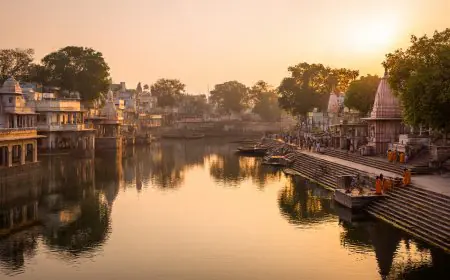
There is a moment in Ujjain, before the world wakes up, before the city comes alive, before the bells of Mahakal ring, when the entire landscape glows with a sacred stillness. This is the time before sunrise, when Ujjain’s ancient ghats—Ram Ghat, Bhukhi Mata Ghat, Narsingh Ghat, and others—begin their timeless morning rituals.
For centuries, saints have said:
“If you want to understand Ujjain, witness the ghats at dawn.”
This is the hour when the Kshipra River feels like a living goddess, the sky slowly shifts from indigo to gold, priests awaken the temples, pilgrims prepare for rituals, and nature itself joins the city in chanting a silent mantra.
Trending Guides Now

Best Time to Visit Ujjain: For Peaceful Darshan and Comfortable Travel

Women Safety Guide for Ujjain: Travel Smart, Safe and Confident

Ujjain to Omkareshwar Route Guide: Best Road Plan, Temples, and Travel Tips for Devotees
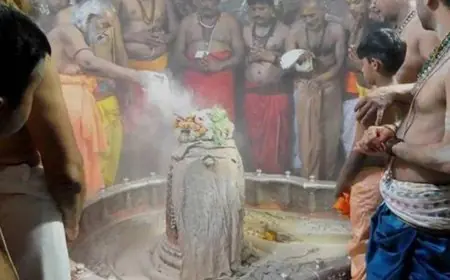
A Morning at Mahakaleshwar: My Experience of the Bhasma Aarti in Ujjain

Ujjain Railway Station to Mahakaleshwar Temple Distance (2026 Guide)

Ujjain Simhastha 2028 Dates Announced: Full Shahi Snan & Event Timeline

Ujjain Simhastha Update: CM Mohan Yadav Reviews 2028 Works

Karkateshwar Mahadev: 22/84 Mahadev of Ujjain
Let us walk step by step through the mystical world of Ujjain’s pre-sunrise ghats.
For Every pilgrims, understanding Simhastha 2028 dates and the official Shahi Snan timeline is essential before booking flights or accommodation, as these sacred dates are completely non-negotiable.
The First Light: Ujjain’s Spiritual Clock Begins Early
Ujjain is not just a tirtha—it is a cosmic city aligned with ancient astronomical grids.
Before sunrise, something remarkable happens here:
-
The air becomes charged
-
The river becomes still
-
The mind becomes silent

-
The senses sharpen

This early-hour energy, called Brahma Muhurat, is believed to be the most spiritually potent time of the day.
What Happens Before Sunrise at Ujjain’s Ghats
Let us explore the sequence of events that unfold across the ghats before the sun even touches the horizon.
1. The River Awakens First
Long before people arrive, the Kshipra River breathes.
Mist rises from the water like soft smoke.
The sound is still, except for the occasional ripple from fish or the gentle lap of water against stone steps.
The river seems to glow from within—calm, deep, watchful.
Many devotees say the river feels more alive at this hour than at any other moment.
2. The Priests Arrive Quietly
In the dim blue light, priests begin to appear:
-
carrying brass kalash
-
holding lamps
-
wearing fresh dhotis
-
walking barefoot
-
chanting softly
They move like guardians of an ancient rhythm.
Their first duty: wake the deity and prepare the ghats for morning rituals.
3. Cleaning Ritual of the Ghats
Before any prayer happens, the ghats undergo purification:
-
Lamps from previous night are removed
-
Flowers are cleared
-
Water is sprinkled
-
Steps are washed
-
Incense is lit
-
Bell platforms are wiped
This cleaning ritual is not just physical—it symbolizes removing the “dust of yesterday” from the mind.
4. The First Chants Begin (Silent but Powerful)
Just before sunrise, the ghats fill with soft, rhythmic chanting:
-
“Om Namah Shivaya”
-
“Har Har Mahadev”
-
“Ganga Nahi Kshipra Maiya”
-
And Vedic mantras by temple priests
The chants echo against stone walls and over the calm water.
This soundscape is deeply healing.
Many people report goosebumps the first time they hear it.
5. Pilgrims Begin Their Sacred Bath
By now, the sky becomes slightly pink.
Devotees arrive quietly:
-
wrapped in shawls
-
holding prayer items
-
carrying small lamps
-
walking in groups or alone
They slowly descend the river steps for Kshipra snan—the sacred morning bath.
Bathing before sunrise is believed to:
-
cleanse karma
-
increase mental clarity
-
boost spiritual energy
-
purify emotional burdens
Some dip three times; some sit with eyes closed for minutes.
It is a sight of absolute serenity.
6. The River Reflects the First Colors of Dawn
Just before the sun rises, the ghats undergo a visual transformation:
-
The sky turns lavender
-
The river reflects golden streaks
-
Birds begin flying in rhythmic patterns
-
Lamps flicker against the changing colors
This is when photographers, artists, and meditators find their perfect moment.
No painting or camera can fully capture the magic of Ujjain’s dawn.
7. Temple Bells Announce the Coming Day
As the light intensifies, the temples across the ghats begin ringing bells:
-
Harsiddhi
-
Narsingh
-
Gadhkalika
-
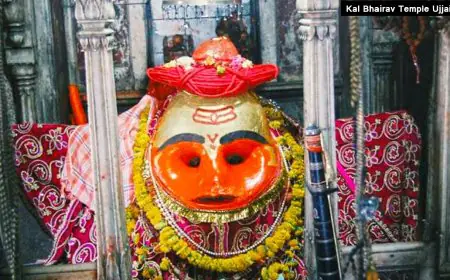
Kaal Bhairav (from distance)
-
Small shrines around the ghats
These bells signify that divine consciousness is now fully awakened.
The ghats vibrate with a sense of purity and readiness.
8. Priests Begin Morning Aarti at the Ghats
The ghats hold small-scale early morning aarti, different from evening aarti:
-
Fewer people
-
Softer lamps
-
Simpler rituals
-
Deep silence
-
Immense spiritual depth
The priest rotates a flame towards the river, symbolizing awakening:
-
Of the river
-
Of the city
-
Of the devotee
-
Of the universe
This moment, known as Kshipra Uday Aarti, is deeply transformative.
9. Yogis and Sadhus Perform Surya Sadhna
As the first sunlight touches the water:
-
Yogis sit in meditation
-
Sadhus perform pranayama
-
Ascetics practice Surya Tratak
-
Some chant in silence facing the rising sun
Ujjain is one of the few cities where dawn yoga has a 2,000-year-old lineage.
10. Life Begins After Divine Stillness
By now the city slowly awakens:
-
Tea stalls open
-
Birds gather in large flocks
-
The river glows fully gold
-
Vendors start preparing puja items
-
Travelers begin arriving
But the pre-sunrise hour remains the purest, untouched by the noise of the day.
Why Pre-Sunrise Is the Most Powerful Time at the Ghats
1. Brahma Muhurat (4 AM – 6 AM)
This is the time when:
-
mind is clearest
-
body is lightest
-
river is calmest
-
air is purest
2. Ancient texts emphasize dawn rituals
Skanda Purana states:
“One who bathes in Kshipra before sunrise attains inner purity.”
3. Kshipra carries magnetic early-morning energy
The river’s subtle vibrations are strongest at this hour.
Spiritual Benefits of Visiting the Ghats Before Sunrise
✔ Deep mental clarity
✔ Emotional purification
✔ Activation of inner strength
✔ Reduces stress and anxiety
✔ Enhances meditation quality
✔ Aligns circadian rhythm
✔ Increases positivity
✔ Creates a feeling of divine presence
Many people say:
“Visiting Ujjain’s ghats before sunrise changed something inside me.”
Who Should Visit at This Time
-
Devotees seeking mental peace
-
Spiritual travelers
-
Meditation practitioners
-
Photographers and artists
-
Yoga seekers
-
Those healing emotionally
-
Individuals wanting a new beginning
Frequently Asked Questions