


















Spiritual Etiquettes in Ujjain You Must Know Before Visiting
Learn the essential spiritual etiquettes every visitor must follow in Ujjain—temple manners, ghat behaviour, rituals, respect rules, and cultural guidelines.


Spiritual Etiquettes in Ujjain You Must Know
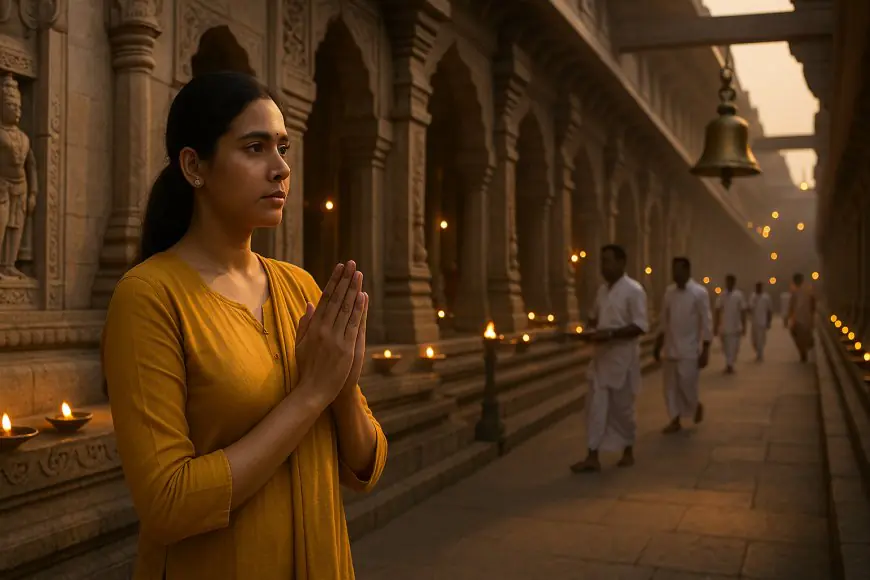
Ujjain is a city where every breath, every sound, and every footstep has spiritual significance. People do not just visit Ujjain—they arrive with purpose. The city is a living tirtha, a divine field of energy shaped by thousands of years of devotion, meditation, fire rituals, chants, and spiritual practices.
For this reason, Ujjain expects a certain spiritual etiquette from everyone who walks its streets, temples, and ghats. Not rules out of restriction—but guidelines that protect the sanctity of the city, deepen your experience, and connect you to the consciousness of Mahakal.
Whether you are visiting for the first time or returning for a deeper spiritual journey, understanding these etiquettes will transform your entire Ujjain experience.
Let’s explore them in detail.
Trending Guides Now

Senior Citizen Darshan Guide for Mahakaleshwar and Ujjain Temples
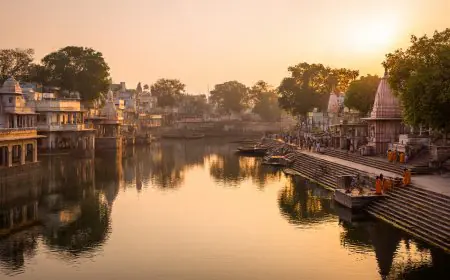
The Magic of the Shipra River – Ujjain’s Sacred Lifeline of Faith and Flow
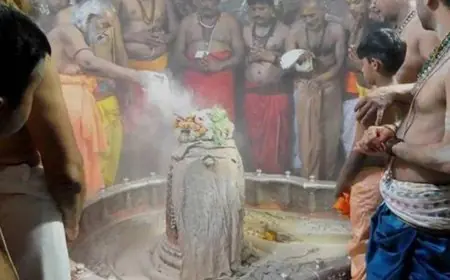
A Morning at Mahakaleshwar: My Experience of the Bhasma Aarti in Ujjain
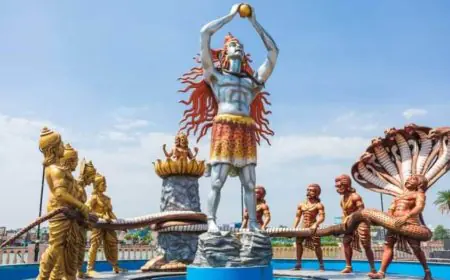
A Walk Through Mahakal Lok – Ujjain’s Grand Spiritual Corridor and Divine Experience

Ujjain Railway Station to Mahakaleshwar Temple Distance (2026 Guide)

Ujjain Simhastha 2028 Dates Announced: Full Shahi Snan & Event Timeline

Ujjain Simhastha Update: CM Mohan Yadav Reviews 2028 Works
Ujjain Railway Station to Kal Bhairav Temple: Distance, Auto Fare and Best Route
For Every pilgrims, understanding Simhastha 2028 dates and the official Shahi Snan timeline is essential before booking flights or accommodation, as these sacred dates are completely non-negotiable.
Why Etiquette Matters in Ujjain
In a modern world driven by speed, distractions, and noise, Ujjain stands as a place of silence, discipline, and spiritual alignment. The temples, ghats, and corridors here function on ancient codes of respect, energy, and sacredness.
Etiquette matters because:
-
It honors the divine presence
-
It protects the spiritual environment
-
It helps you receive maximum blessings
-
It prevents disturbance to rituals

-
It maintains the city’s spiritual purity

Following the right etiquettes does not restrict your experience—it elevates it.
1. Dress Codes: Respectful Clothing Is Mandatory
Ujjain is not a tourist destination—it is a kshetra.
Wear:
-
Simple Indian traditional clothing
-
Dhoti, kurta, salwar, saree, dupatta
-
Light shawls for morning and night
Avoid:
-
Shorts
-
Sleeveless tops
-
Loud or revealing clothing
-
Tight Western outfits inside temple zones
Clothing is not about fashion—it is about respect.
2. Footwear: Remove Before Entering Sacred Zones
Temple entrances and corridor interiors require barefoot walking.
Do:
-
Use designated shoe stands
-
Keep footwear clean and simple
-
Walk mindfully on the cool stone pathways
Don’t:
-
Wear footwear inside temple corridors
-
Carry shoes in your hand inside
-
Step on rangoli, flower decorations, or lamp areas
3. Silence Is the First Offering
Noise disrupts energy.
The entire corridor and temple interiors are vibration-sensitive.
Practice:
-
Gentle walking
-
Whisper-level conversation
-
No unnecessary talking
-
No loud jokes, calls, or arguments
Silence heals; let the corridor heal you.
4. Photography Etiquette
Photography is allowed in the outer corridor but strictly prohibited:
-
Inside the Garbhagriha
-
During sensitive rituals
-
Near Bhasma Aarti zones
-
During personal puja moments
Do:
-
Click respectfully
-
Avoid flash
-
Avoid taking photos of unwilling devotees
-
Never disturb a priest for pictures
5. Respect for Priests and Rituals
Priests in Ujjain carry centuries-old traditions.
Do:
-
Stand respectfully during rituals
-
Wait for your turn
-
Fold hands when passing any puja
-
Follow instructions without debate
Don’t:
-
Interrupt a priest mid-ritual
-
Offer money aggressively
-
Force unauthorized rituals
6. Queue Discipline: Very Important in Mahakal Temple
Lakhs of devotees visit daily. Queue discipline is a sacred duty.
Follow:
-
Lines
-
Barricade instructions
-
Security guidance
Avoid:
-
Cutting queues
-
Pushing and rushing
-
Arguing with staff
Mahakal darshan feels more blessed when done with patience.
7. Offering Etiquette
At Ujjain’s temples:
-
Flowers
-
Bilva leaves
-
Milk
-
Water
-
Incense
…are acceptable.
But avoid:
-
Plastic items
-
Food wrappers
-
Artificial materials
-
Excessive offerings
Pure, minimal, natural offerings hold the most spiritual value.
8. Ghat Etiquette: Respect the Kshipra River
The river is considered a divine mother.
Do:
-
Bathe mindfully
-
Keep the ghats clean
-
Offer prayers respectfully
Don’t:
-
Throw plastic
-
Pollute the water
-
Play loud music
-
Shout or behave casually
9. Corridor Etiquette: Walk Like You Are in a Living Temple
The Mahakal Corridor is not a photo spot—it's a spiritual walkway.
Do:
-
Walk slowly
-
Acknowledge each Shiva sculpture
-
Maintain serenity
Don’t:
-
Run or shout
-
Eat while walking
-
Touch sculptures unnecessarily
10. Behaviour Around Sadhus and Saints
Ujjain hosts hundreds of renunciates.
Respect by:
-
Greeting them softly
-
Not staring or clicking photos
-
Offering food or cloth respectfully
Never disturb a meditating sadhu.
11. Donation Etiquette
Giving is sacred in Ujjain.
Do:
-
Donate through official counters
-
Support poor pilgrims
-
Offer annadan (food charity)
Don’t:
-
Give money to fraudsters
-
Donate under pressure
Generosity should be pure, not forced.
12. Language and Tone
Smile. Speak softly.
This is how energy remains pure.
Even if someone pushes or crowds you—respond with calmness.
13. Mobile Phone Discipline
Turn to silent mode in:
-
Temples
-
Ghats
-
Ritual areas
-
Inner corridor
Avoid clicking every moment.
Sometimes the soul absorbs more when the camera rests.
14. Food Etiquette
Eat satvic, simple food in temple zones.
Avoid:
-
Non-veg
-
Alcohol
-
Smoking
-
Loud chewing
-
Littering
15. Time Respect: Arrive Early for Rituals
Especially for:
-
Bhasma Aarti
-
Pradosh rituals
-
Jalabhishek
-
Dugdhabhishek
-
Harsiddhi aarti
These rituals carry deep energy; do not disturb by arriving late.
Frequently Asked Questions