












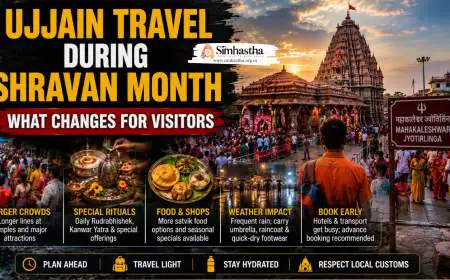

How Crowd Movement Works at Simhastha
Understand how crowd flow is managed at Ujjain Simhastha so first time pilgrims can move calmly and confidently.



How Crowd Movement Works at Simhastha (So You Don’t Panic)
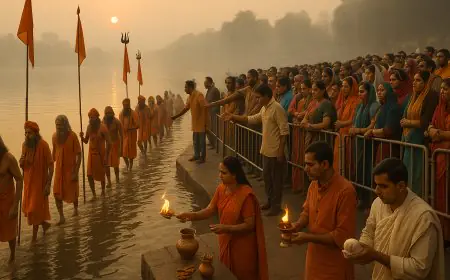
For first-time visitors, the sheer scale of Simhastha in Ujjain can feel overwhelming. The festival attracts millions of pilgrims who gather along the sacred Shipra River to participate in ritual bathing, temple visits, and spiritual gatherings. Seeing such massive crowds may naturally raise concerns about safety and movement.
However, what many visitors do not realize is that Simhastha crowd movement is carefully planned and scientifically managed. Authorities, planners, and crowd management experts design detailed systems that guide millions of pilgrims through the festival grounds safely and smoothly.
These systems include designated walking routes, entry and exit corridors, real-time monitoring, and trained personnel who guide pilgrims throughout the event. Understanding how these systems work helps visitors feel more confident and relaxed during the pilgrimage.
When pilgrims understand the logic behind Simhastha crowd flow, they can move comfortably with the flow of people rather than feeling overwhelmed by it. The goal of this guide is to explain how the crowd movement system works so that pilgrims can enjoy the spiritual experience without unnecessary anxiety.
Trending Guides Now
What Is Simhastha? Complete Explanation of Ujjain’s Sacred Kumbh
Why is Ujjain Kumbh Called Simhastha?
Why Simhastha Happens Only When Jupiter Enters Leo ?

How Simhastha 2028 Planning Uses Temporary Infrastructure Over Permanent Construction

Ujjain Railway Station to Mahakaleshwar Temple Distance (2026 Guide)

Ujjain Simhastha 2028 Dates Announced: Full Shahi Snan & Event Timeline

Ujjain Simhastha Update: CM Mohan Yadav Reviews 2028 Works

Karkateshwar Mahadev: 22/84 Mahadev of Ujjain
For Every pilgrims, understanding Simhastha 2028 dates and the official Shahi Snan timeline is essential before booking flights or accommodation, as these sacred dates are completely non-negotiable
Understanding the Scale of Simhastha Crowds
Before discussing how Simhastha crowd movement works, it is important to understand the scale of the festival.
Simhastha is one of the largest religious gatherings in the world. On major bathing days, millions of pilgrims may visit the ghats within a single day.
Despite these numbers, serious incidents are rare because the event is supported by extensive planning and infrastructure.
Authorities study past festivals and use modern crowd science to design systems capable of managing extremely large gatherings.
The result is a carefully structured environment where millions of people can participate in sacred rituals safely.

The Basic Principle of Crowd Flow
The most important concept behind Simhastha crowd movement planning is controlled flow.
Crowds are guided along specific walking routes that move in one direction.
These routes help prevent people from pushing against each other or creating congestion.
The basic rules include:
Separate entry and exit pathways
Wide pedestrian corridors
Controlled access to bathing areas
When pilgrims follow these routes, movement remains smooth even when large numbers of people are present.
A first time Simhastha guide is essential because without contextual understanding, pilgrims arrive prepared for devotion but unprepared for logistics, stamina, patience, and adaptability.
Designated Walking Routes for Pilgrims
One of the most important features of Simhastha crowd management is the use of designated walking routes.
These routes are clearly marked and monitored by officials.
Pilgrims are guided through:
Entry routes leading toward ghats
Exit routes leading away from the river
Circular walking paths around temple areas
This system ensures that people move in continuous loops rather than forming stationary crowds.
Following these paths helps maintain steady movement across the festival grounds.
Controlled Access to the Ghats
The ghats along the Shipra River are the focal point of Simhastha rituals.
Because millions of pilgrims want to perform sacred bathing, authorities carefully regulate access to these areas.
This includes:
Staggered entry schedules
Security checkpoints
Limited access zones during peak periods
By controlling the number of people entering the ghats at any moment, crowd pressure is reduced and safety is maintained.
Crowd Monitoring Through Technology
Modern technology plays a major role in Simhastha crowd safety systems.
Authorities monitor crowd density using tools such as:
CCTV networks
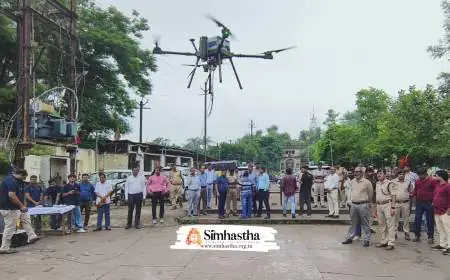
Drone surveillance
Crowd monitoring sensors
These systems allow officials to observe how crowds move in real time.
If certain areas become too crowded, authorities can redirect movement or temporarily restrict access.
This constant monitoring helps prevent dangerous congestion.
Couples arriving during Ujjain Simhastha should spend their first few hours adjusting to the rhythm of the pilgrimage. Walking slowly through the city allows visitors to absorb the powerful spiritual atmosphere created by the gathering of saints and devotees attending the Ujjain Kumbh Mela.To deepen your understanding of the spiritual customs and sacred rituals practiced during Ujjain Simhastha, read our complete Simhastha rituals and sacred practices guide that explains their meaning, timing, and significance.
The Role of Trained Volunteers and Police
Thousands of trained personnel support Simhastha crowd management.
These teams include:
Police officers
Disaster response units
Festival volunteers
Their responsibilities include guiding pilgrims, managing walking routes, and responding quickly to any potential problems.
They are stationed throughout the festival area to provide assistance and maintain order.
Pilgrims should feel comfortable approaching them for guidance if needed.
Also Read | Best Time to Visit Ujjain Simhastha 2028
Why Crowds Move Slowly but Safely
One common concern among first-time visitors is the slow pace of movement during Simhastha.
However, slow movement is actually a key part of safe crowd management.
Moving slowly ensures that:
People do not push or rush
Authorities can monitor crowd density
Emergency services remain accessible
The steady flow of pilgrims prevents sudden surges that could create unsafe conditions.
Understanding this principle helps visitors remain calm when movement slows.
Also Read | Step-by-Step Guide to Shipra Snan at Ujjain Kumbh Mela
How Pilgrims Can Move Comfortably With the Crowd
Pilgrims can improve their experience by understanding how to move naturally with the crowd.
Some helpful practices include:
Walking at the same pace as others
Avoiding sudden stops in busy areas
Following designated routes
Trying to move against the crowd flow often causes stress and confusion.
Moving calmly with the direction of the crowd allows pilgrims to navigate the festival smoothly.
Also Read | Common Simhastha Mistakes Visitors Must Avoid
Best Times to Avoid Dense Crowds
While crowd management systems work effectively, visitors who prefer quieter experiences can choose specific times to visit.
Early morning hours often provide a calmer environment.
Midweek days also tend to attract fewer pilgrims compared to weekends or major ritual days.
Planning visits during these periods allows pilgrims to enjoy the spiritual atmosphere with less congestion.
What to Do if You Feel Overwhelmed
Even with excellent planning, the scale of Simhastha crowds can feel intense for first-time visitors.
If you feel overwhelmed, the best approach is to remain calm and follow simple steps.
Move toward open areas
Follow official walking routes
Seek assistance from nearby volunteers
Festival staff are trained to help pilgrims navigate safely.
Staying calm and trusting the crowd management system helps prevent panic.
Planning a trip to Ujjain Simhastha? Check our Ujjain Simhastha 2028 Cost Per Person (Full Budget Guide) to understand accommodation, food, and travel expenses during the Ujjain Kumbh Mela.
Why Simhastha Crowd Systems Work So Well
The success of Simhastha crowd movement planning comes from years of experience and continuous improvement.
Each festival provides valuable data that helps planners refine their systems for the next event.
By combining traditional pilgrimage routes with modern crowd science, authorities create an environment where millions of people can move safely.
This remarkable coordination is one of the reasons Simhastha continues to operate successfully despite its enormous scale.
Moving With Faith and Confidence
For pilgrims visiting Simhastha Ujjain, understanding how crowd movement works can transform the experience.
Instead of worrying about the size of the gathering, visitors can trust the systems designed to guide and protect them.
The festival becomes not only a spiritual journey but also an example of how careful planning allows millions of people to share sacred moments safely.
When pilgrims move calmly with the flow of the crowd, they can focus on the deeper purpose of the pilgrimage: devotion, reflection, and connection with the timeless traditions of faith.
Related Simhastha 2028 Guides :
- Simhastha 2028 Dates Officially Announced: Full Event & Shahi Snan Timeline
- Top 10 Routes to Enter Ujjain During Simhastha 2028 Without Traffic Hassles
- How to Travel Inside Ujjain During Simhastha 2028: Routes, Maps and Movement Plans
- How to Travel in Ujjain During Peak Snan Days: Do’s & Don’ts for Simhastha 2028
- Solo Travel Guide for Simhastha 2028: Safety, Budget, Stay & Movement Tips
- Mumbai to Ujjain for Simhastha 2028: Fastest Routes & Budget Tips
- Bengaluru to Ujjain for Simhastha 2028: Night Travel vs Day Travel Comparison
- Delhi to Ujjain for Simhastha 2028: Fastest Same-Day Travel Plan for Pilgrims
- Ujjain Simhastha from New York: Best Travel & Stay Guide
- Ujjain Simhastha From London: Complete Travel & Stay Guide
Frequently Asked Questions