

























Ujjain Travel Scams Tourists Should Avoid in 2026
Protect your pilgrimage with this guide to Ujjain travel scams tourists should avoid in 2026. Spot fake VIP passes, auto-rickshaw fraud, overpriced rituals, digital cons, and more.



The Fake VIP Pass and the Bhasma Aarti Booking Trap
The most devastating and financially painful scam in Ujjain revolves around the Bhasma Aarti, the sacred pre-dawn ritual at Mahakaleshwar Temple. Because passes for this ritual are limited and often booked weeks in advance, a thriving black market of touts has emerged who promise guaranteed, last-minute access for a hefty fee. These fraudsters operate near the temple entrance, at the railway station, and even inside the new Mahakal Lok corridor, approaching pilgrims with a conspiratorial whisper. They claim to have an "inside contact" in the temple trust, or they flash a laminated card that looks, to the untrained eye, official.
The scam has several variations. Sometimes the tout takes your money and disappears into the crowd, never to return. More elaborately, they might lead you to a side door, only for a "security guard" to demand an additional "security fee," and then a "priest" demands a "special puja fee." By the time you realize you have been strung along, you are several thousand rupees lighter, with no darshan to show for it. The truth is simple: Bhasma Aarti passes are available only through the official temple website or the authorized counter at the temple. There are no agents, no insiders, no backdoors, and no last-minute VIP exceptions. If someone offers you a pass for cash, it is a scam. The official pass, if available, will cost a nominal fee, not the thousands of rupees that touts demand. If the official passes are sold out, accept it with grace and attend the general darshan, which is equally powerful. Never, ever hand over money to a stranger for a pass. ⚠️
How to Book Legitimately and Avoid Heartbreak
To avoid the Bhasma Aarti pass scam, plan ahead. The passes are released in batches on the official Shri Mahakaleshwar Temple Management Committee portal. Book yours as early as possible. If you arrive in Ujjain without a pass, go directly to the official help desk inside the temple complex, not to anyone outside. The temple administration has recently introduced more transparent systems, including digital verification. If a helpful stranger approaches you with an offer, a simple, firm "Main official counter se booking kar chuka hoon" (I have already booked at the official counter) usually sends them scuttling away. Remember that the true Mahakal does not require a bribe to grant you his darshan. The Lord of Time is beyond the reach of touts, and your sincere prayer in the general queue is heard as clearly as any prayer from the VIP enclosure. ✅
Auto-Rickshaw Overcharging and the Phantom Route
The second most ubiquitous scam in Ujjain involves the city's army of auto-rickshaw drivers. The moment you step out of the railway station or off a bus, you will be surrounded by a swarm of drivers offering to take you to your hotel or to the temple. Many of these men are honest, hardworking locals who will give you a fair ride. But a significant minority are skilled predators who have perfected a menu of tricks. The most common is the refusal to use the meter, followed by an outrageously inflated fixed fare. A ride that should cost fifty rupees is quoted at three hundred. Another trick is the phantom route: the driver agrees to a reasonable fare, but then takes you on a long, circuitous journey through the back lanes, claiming that the main road is blocked or that he is taking you to a "special entrance." You arrive having paid triple the fare and thoroughly disoriented.
Trending Guides Now

Ujjain Simhastha 7 Day Itinerary for Families
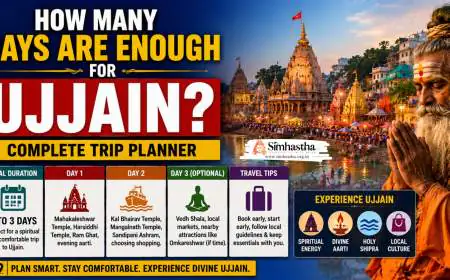
How Many Days Are Enough for Ujjain? Complete Trip Planner

Ujjain Simhastha 5 Day Itinerary for Couples
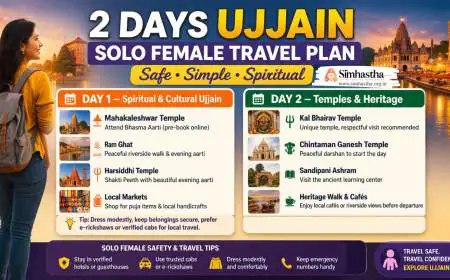
2 Days Ujjain Solo Female Travel Plan Safe Guide

Ujjain Railway Station to Mahakaleshwar Temple Distance (2026 Guide)

Ujjain Simhastha 2028 Dates Announced: Full Shahi Snan & Event Timeline
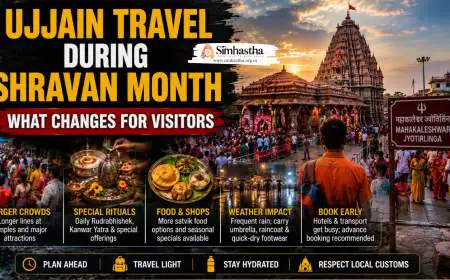
Ujjain Travel During Shravan Month: What Changes for Visitors

Latest Simhastha 2028 Development Projects Every Pilgrim Should Know
Some drivers work on commission with shops and hotels. They will tell you that your booked hotel has burned down, or is full, or is in a dangerous area, and then take you to a different place where they receive a kickback. This is a classic and still effective scam. The golden rule for Ujjain auto-rickshaws is this: always use the prepaid auto-rickshaw counter at the railway station. The fare is fixed and fair, and the receipt gives you a clear record. If you hail an auto on the street, negotiate the fare before you get in, and have a rough idea of the distance using a map application on your phone. Better yet, use the shared auto-rickshaw system for the main temple routes; it costs a pittance and is an authentic local experience. Never let a driver dictate where you will stay or eat. Their "uncle's restaurant" or "brother's hotel" is almost always part of a commission racket. 🚆
The Counterfeit Priest and the Extortionate Ritual
Within the temple courtyards and on the steps of the major ghats, you may be approached by a man in the robes of a priest. He will smile warmly, offer a blessing, and begin to guide you toward a shrine, explaining that a special puja is about to take place, one that requires your participation. Before you know it, you are sitting cross-legged, a mantra is being chanted at high speed, and you are being asked to pay for "sacred offerings" that are, in reality, a few rupees' worth of flowers and rice. The fake priest scam preys on the pilgrim's natural reverence for the clergy and fear of disrespecting a holy man.
These imposters are not affiliated with the temple. They are skilled actors who have learned a few shlokas and dressed the part. They target solo travellers, families who look lost, and anyone who seems particularly anxious. The ritual they perform is meaningless, and their demand for dakshina is exorbitant. The legitimate temple priests do not solicit devotees in this manner. They are stationed inside the sanctums, they wear official identification, and they do not aggressively tout for business. If you wish to have a specific puja performed, always approach the official temple counter and pay the prescribed fee, for which you will receive a receipt. A gentle but firm refusal—"Baba, main mandir ke counter se puja karwa lunga"—is all that is needed. Do not let guilt or embarrassment force you into a fraudulent transaction. 🛕
The Overpriced Prasad and the Shop Commission Game
As you walk through the lanes leading to the Mahakaleshwar Temple, you will be dazzled by shops displaying beautiful puja thalis, baskets of flowers, coconuts, and ornate packets of sweets. The shopkeepers are welcoming, and some will offer you tea as you browse. This is a pleasant experience until you ask for the bill. The scam here is two-fold: grossly inflated prices for simple offerings that cost a fraction elsewhere, and the bait-and-switch, where the items you carefully select are swapped for lower-quality versions when packed. A thali that you assembled for two hundred rupees is priced at two thousand. A garland of wilting flowers is substituted for the fresh ones you chose.
The shops that engage in this practice are often those closest to the temple, where footfall is highest and pilgrims are in a hurry. The touts who linger outside often receive a commission for steering you to a particular shop. The solution is simple: purchase your offerings from a shop slightly further from the temple entrance, where the prices are reasonable, or from the street vendors who sell loose flowers and coconuts at honest rates. Do not accept tea or refreshments from shopkeepers you do not know; it is often a psychological tactic to create a sense of obligation. A pilgrim's offering is measured by the sincerity of the heart, not the size of the bill, and Mahakal, who is offered the sacred ash, is not impressed by an overpriced packet of sweets. ✅
The Phantom Hotel and the Online Booking Mirage
As the Simhastha 2028 approaches, the accommodation scam is becoming increasingly prevalent. Fraudsters create fake listings on popular hotel booking websites, complete with stolen photographs, glowing reviews, and temptingly low prices. The pilgrim books the room, pays an advance, and arrives in Ujjain only to find that the address does not exist, or that the building is a private residence, or that the room shown in the photographs bears no resemblance to the dingy, uninhabitable cell they are offered. Another variation is the bait-and-switch hotel, where you are told upon arrival that your booked room has been "damaged" or "flooded," but that you can be moved to a "partner property" that turns out to be a poor-quality lodge at the same price.

To protect yourself, book through established, reputable platforms that offer verified listings and guest reviews. Be wary of deals that seem too good to be true. Before paying an advance, call the hotel directly using a number you have found independently, not the one on the potentially fake listing. If a hotel staff member meets you at the station and attempts to redirect you, refuse firmly and insist on being taken to the address you booked. For budget pilgrims, the dharamshalas run by the temple trusts are a safe and genuine alternative, where the risk of fraud is virtually zero. These government or trust-run guesthouses may be basic, but they are honest, and your money will not vanish into a phantom's pocket. 🏨
Digital Cons and the UPI Fraud at Temple Gates
Technology, which has simplified so much of travel, has also opened a new frontier for scammers. The QR code donation scam is the most insidious of these digital frauds. You will see printed QR codes pasted on walls, donation boxes, and even handheld placards, claiming to be the official digital donation gateway for a temple, a cow shelter, or a charitable trust. The fraudsters often dress like volunteers, wearing ID cards that look official, and they may have set up a small table with a register of "donors." Scanning the code and making a payment sends your money directly into the scammer's personal account.
The temples of Ujjain, including Mahakaleshwar, do have official donation channels, but they are clearly marked, often embedded within the temple's own website or located at the genuine donation counter inside the complex. They do not operate through random individuals with printed QR codes on the street. Another common digital scam involves fake Wi-Fi hotspots with names like "Mahakal Free Wi-Fi," which, when connected to, can steal personal data from your phone. Always verify the official digital payment links through the temple's verified website or app. Do not scan a QR code held by a stranger. For your own internet access, use your mobile data or a trusted VPN rather than unsecured public networks. 📱
Fake Guides and the Storyteller's Toll
The city of Ujjain is a living museum of mythology, and a knowledgeable guide can unlock layers of meaning that would otherwise remain hidden. Unfortunately, the fake guide scam exploits this desire for knowledge. Unlicensed individuals, speaking reasonably good English or Hindi, will approach you near the temple or the ghats, offering to explain the history and the rituals. They often begin with genuinely interesting facts, building trust. Then, the tour takes a turn. They steer you to specific shops where they receive a commission, or to a "rare shrine" where a "special puja" requires a "donation." At the end of the tour, they demand an exorbitant fee, far beyond what a legitimate guide would charge.
A legitimate, government-approved guide in Ujjain will have an official identification card issued by the Madhya Pradesh Tourism Board. They will agree on a price before the tour begins, and they will not pressure you to make purchases or extra donations along the way. If you are approached by someone who seems to be offering a casual, friendly walk that "doesn't need a fee," be wary; the fee is usually collected in more cunning ways. You can also rely on the official audio guides or the informational plaques that are installed along the Mahakal Lok corridor, which provide a rich, scam-free narrative of Ujjain's sacred history. 🚶
Common Mistakes and How a Pilgrim's Intuition Can Protect Them
The most effective weapon against any scam is your own intuition. Scammers thrive on confusion, fatigue, and the pilgrim's natural reluctance to say no. They often strike when you have just arrived, exhausted and disoriented, at the railway station. They target those who seem rushed, anxious, and insecure. The single most important thing you can do is to slow down. Do not make decisions immediately upon arrival. Take a moment to breathe, to drink some water, to ignore the touts, and to walk calmly to the prepaid auto counter or the official information desk.
Another common mistake is carrying large amounts of cash. Use digital payments where possible, but always to verified accounts. Keep your cash in small denominations, and never reveal a large wad of notes when paying for a small item. Be suspicious of unsolicited help, especially from those who seem over-familiar or who touch you on the arm to guide you. In the temple, if someone attempts to push you into a quick darshan or a side room for a fee, resist the impulse to follow. The legitimate queue is the only queue. Finally, never book accommodation through a tout at the station, and never, ever give your passport or ID to anyone except the official reception desk of a registered hotel. Your documents are your lifeline, and a scammer with your passport has you trapped. ⚠️
The Spiritual Shield and the Grace of Mahakal
Ultimately, the scams that plague Ujjain are a test of discernment, and that discernment is itself a spiritual quality. The pilgrim who is alert, grounded, and informed is not an easy mark. The pilgrim who is blinded by desire—the desire for a VIP pass, a shortcut, a bargain—is the one who falls. In a sense, the scammers are dark teachers, reminding us that even on a sacred journey, we must keep our worldly wits about us. But let this not sour your heart. The overwhelming majority of Ujjain's residents are good, honest, and deeply respectful of pilgrims. The auto driver who refuses to overcharge, the shopkeeper who rounds down your bill, the stranger who points you to your hotel when you are lost—these are the true face of the city.
Go to Ujjain with your eyes open and your heart open. Know the scams, recognize their patterns, and then, having armed yourself, let go of the fear. The city of Mahakal is a place of profound transformation, and no tout, no trickster, no digital fraud can steal the grace that flows from the Lord of Time. Your pilgrimage is sacred, and with a little wisdom, it will remain so, from the moment you step off the train to the moment you leave, with the sacred ash on your forehead and the peace of Mahakal in your soul. 🔱
Frequently Asked Questions