






















Ujjain Temple Photography Rules Every Visitor Should Know
Capture moments without crossing lines. Know the Ujjain temple photography rules every visitor should know—where cameras are banned, why flash is forbidden, and how to shoot respectfully.


Where the Lens Is Forbidden and the Logic of Sacred Darkness
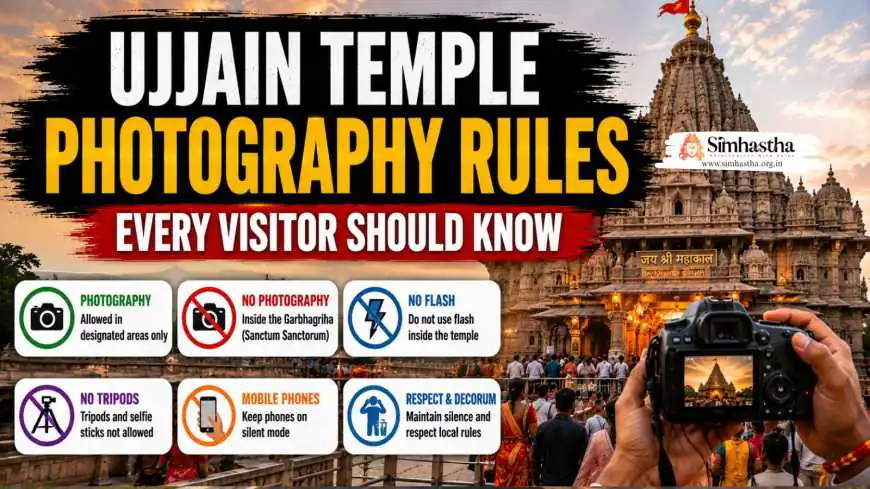
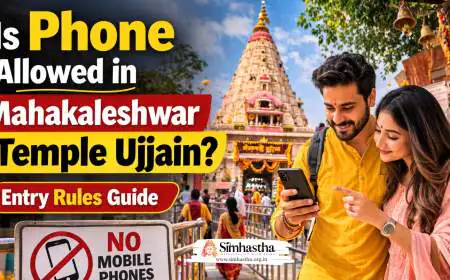
The most important, non-negotiable rule begins at the threshold of the garbhagriha, the inner sanctum. At Mahakaleshwar, the nation's most sensitive and heavily guarded Jyotirlinga, the ban on photography is absolute. You will be asked to deposit your phone, camera, smartwatch, and even your belt with a large metal buckle at the secure locker rooms before entering the main queue. The logic here is multi-layered. From a security standpoint, the temple is a high-risk target, and unmonitored electronic devices are a vulnerability. From a spiritual perspective, the garbhagriha is not a tourist attraction; it is a living, pulsating space of worship. The flash of a camera, the clicking of a shutter, and the glowing screen of a smartphone are considered violent intrusions into the intimate, sacred conversation between the devotee and the divine. In the crushing, breathless moment when you are finally face-to-face with the dark, ash-anointed lingam, the last thing the priests and your fellow pilgrims need is a selfie stick jabbing into the ribs of a weeping devotee. The general photography rule for Ujjain Temples follows this pattern: if you are in the open courtyard or the outer Mahakal Lok plaza, you may photograph the architecture, the spires, and the crowds. The moment you step under the roof of the mandapa (the covered hall) leading to the sanctum, put the camera away. 🛕
The Mahakaleshwar Exception and the Mahakal Lok Freedom
The multi-crore Mahakal Lok corridor, which stretches for over 900 meters, is a deliberate architectural gift to photographers. The administration understands that pilgrims want to document their journey, and this magnificent, open-air plaza is the designated zone for exactly that. Here, you can photograph the magnificent carved pillars, the towering statue of Shiva, the water features, and the grand entrance to the temple. The light is usually excellent, and the atmosphere is designed to be visitor-friendly. This is where you take your Ujjain photos. But be aware of the transition point: the bridge that takes you from the Mahakal Lok into the old temple complex. Once you cross into the shaded, older part of the temple where the queue begins to tighten, the "No Photography" signs appear. Security guards will stop you if you raise your phone. For the Bhasma Aarti, the rule is even stricter. Even if you have a VIP pass that places you inside the sanctum antechamber, photography of the ritual is universally forbidden. The only images of the Bhasma Aarti that exist in the public domain are official ones released by the temple trust. Do not risk your darshan by trying to sneak a photo in the dark; the guards are experienced and uncompromising. 🔱
Kal Bhairav Temple and the Rule of Total Discretion
If Mahakaleshwar represents the strictly regulated monument, Kal Bhairav Temple represents the deeply occult and personal space. Here, the photography rules are governed by the intense, often overwhelming energy of the deity. The temple is not a sprawling complex but a confined, powerful space where devotees queue up to offer liquor to the fierce guardian of Ujjain. Photography inside the main sanctum and the immediate offering area is strictly prohibited. The act of offering a bottle of liquor to the deity is a private, tantric exchange, and treating it as a photo opportunity is considered deeply disrespectful, both by the priests and by the guardian deity whom locals believe watches over everything. You may take photographs of the exterior of the temple, the outer courtyard, and the famous temple dogs without issue. However, avoid pointing your camera at devotees who are in the middle of their ritual offering. The raw, often tearful faces of the faithful are not props for your travel album. At Kal Bhairav, the rule is simple: if you feel the urge to photograph something inside, ask yourself if you are capturing the divine or commodifying a miracle. The deity's fierce, unblinking gaze is said to follow those who disrespect his domain, and while that may be a metaphor, the stern reprimand of the temple guard is a much more immediate reality. ⚠️
Harsiddhi, Mangalnath, and the Courtyard Freedom
Not all of Ujjain’s temples demand a complete digital fast. Harsiddhi Mata Temple, a jewel of Maratha architecture, is a photographer’s paradise—provided you stay in the courtyard. The stunning twin Deep Stambhas (lamp pillars), the red and ochre walls, and the open sky make for breathtaking compositions. During the evening Deep Malika ceremony, when the pillars are lit with hundreds of flames, the scene is one of the most photographed in Ujjain. Here, you can freely use your camera or phone, but you must not enter the inner mandapa with it raised. Mangalnath Temple, perched on the Shipra, allows photography of the river, the setting sun, and the outer temple architecture. The interior sanctum is, predictably, off-limits. Gadkalika and the Bhartrihari Caves are more lenient given their quieter footfall, but even there, do not assume you can shoot the deity's image up close without explicit permission from the attending priest. Always look for the "No Camera" sign, and if in doubt, a silent, folded-hand gesture toward the sanctum and a whispered "Photo allowed hai?" to the nearest priest or guard will save you from an uncomfortable confrontation. ✅
Trending Guides Now

Ujjain Simhastha 7 Day Itinerary for Families

Best Time to Visit Ujjain Simhastha 2028 Crowd Levels & Pilgrim Guide
Is Phone Allowed in Mahakaleshwar Temple Ujjain?

How Many Days Are Enough for Ujjain? Complete Trip Planner

Ujjain Railway Station to Mahakaleshwar Temple Distance (2026 Guide)

Ujjain Simhastha 2028 Dates Announced: Full Shahi Snan & Event Timeline

Ujjain Travel During Shravan Month: What Changes for Visitors

Latest Simhastha 2028 Development Projects Every Pilgrim Should Know
The Complete Drone Ban and the Airspace of the Gods
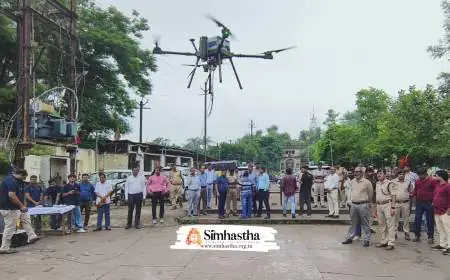
To be absolutely, unmistakably clear: drones are completely and totally banned over every single temple, ghat, and crowded area in Ujjain. This is not a temple rule; this is the law. The airspace over the Mahakaleshwar Temple in particular is a high-security "Red Zone," monitored by central intelligence agencies. The ban extends to all lightweight commercial drones, including those under 250 grams that might not require a license elsewhere. During the Simhastha Mela, the drone ban is enforced with extreme prejudice, and the police are equipped with anti-drone technology. If you are caught flying a drone anywhere near the temples or the Mela grounds, the device will be confiscated, you will be detained, and you will likely face serious legal charges under the Indian Penal Code and aviation regulations. Do not pack your drone for Ujjain. The only permissible aerial photographs are those you might take from a high hotel balcony or an officially sanctioned rooftop, and even then, pointing a telephoto lens directly down into a temple courtyard may attract unwanted attention. The skies above the city of Mahakal belong to the birds and the gods, not to your quadcopter. 🚫
The Flash Conundrum and the Destruction of Atmosphere
Even in areas where photography is permitted, flash photography is universally despised. The harsh, white burst of a camera flash in the dim, atmospheric light of an ancient stone temple shatters the visual mood and can physically damage antique pigments and paintings over time. More importantly, it disrupts the meditative focus of other devotees. Imagine standing in the serene Harsiddhi courtyard, the flames of the Deep Malika flickering in the dusk, and suddenly a tourist’s flashgun fires like lightning, searing the scene into a flat, washed-out glare. To avoid being that person, always disable your flash before entering any temple complex. Modern smartphones and mirrorless cameras have excellent low-light capabilities. A slight grain, a touch of blur, or the natural orange glow of a diya is infinitely more evocative than a clinical, forensic flash image. Learn to stabilize your hands against a pillar, control your breathing, and use the available light. The photos you take in reverence will carry the authentic atmosphere of the shrine, while the photos taken with a flash will only broadcast your ignorance. 💡
Smartphones, Selfie Sticks, and the Vanity Trap
The modern pilgrim’s greatest spiritual obstacle might well be the selfie stick. While not universally banned in the outer zones, they are heavily frowned upon and are completely prohibited in the security queues of Mahakaleshwar and Kal Bhairav. The selfie stick is a physical manifestation of the ego in a space designed for its dissolution. Taking a selfie in front of the Mahakal Lok’s grand statue is harmless enough, but attempting to angle a stick into the queue for a quick snap with the deity's door in the background is a recipe for disaster. You will lose your balance, poke someone, and likely get your stick confiscated. The smartphone, however, is the standard camera for ninety percent of pilgrims, and it is perfectly acceptable in the open areas. But the rule of the sanctum applies as much to a phone as it does to a DSLR. Just because your phone is small enough to palm does not mean you can sneak a video during the Bhasma Aarti. The guards are trained to spot the subtle glow of a recording screen. Keep your phone in your pocket when you are inside the temple buildings. 📱
Respecting the Devotee as Subject and the Ethics of Pilgrim Portraits
Ujjain is a visual anthropologist’s dream—the Naga sadhus with their tridents, the rural women in their vibrant leheriya sarees, the elderly pilgrims with eyes clouded by cataracts and faith. The temptation to snap these portraits is immense. The photography rule of ethics here is universal: ask for permission. A sadhu is a holy person, not a zoo animal. A woman praying is having a private conversation with the divine, not posing for a photo essay. The good photographers, the ones who bring home soulful images rather than hostile glares, are those who take the time to connect. They lower their camera, they smile, they fold their hands in a "Namaste," and they ask, "Ek photo le sakta hoon?" If the person says no, they accept it gracefully. If they say yes, they take the shot quickly and then show the subject the image on the screen, sharing a moment of human connection that transcends the transaction. Sometimes, offering a small token of respect—a ten-rupee note or a piece of fruit to a sadhu—is a traditional gesture that acknowledges their time. Never pay children for photos, as this creates a culture of begging. The photos you take with consent will always, always be better than the stolen ones, because the eyes looking back at your lens will be open and willing, not hostile and violated. 📸
Common Mistakes That Will Get Your Camera Confiscated
Beyond the obvious rule-breaking, there are a few common photography mistakes that catch visitors off guard. The first is photographing the security checkpoints or the queue lines. Security infrastructure is sensitive, and guards will immediately intervene if they see you filming the metal detectors or the frisking process. The second mistake is using a tripod in the open corridors without permission. While a tripod is a great tool for the Deep Malika at Harsiddhi, it can become a tripping hazard in a crowd, and the police may ask you to pack it up. If you need to use a tripod for professional work, you must seek prior permission from the temple administration. The third mistake is carrying a professional-looking camera into the sanctum line. Even if you don't shoot, a large DSLR slung around your neck will cause the guards to pull you out of the queue and send you back to the locker room. Lock everything up. Enter the sanctum with nothing but your prayer and your open hands. Fourth, do not lean over railings or climb onto temple structures for a "better angle." This is dangerous, disrespectful, and will get you immediately ejected. Fifth, do not photograph the temple's donation boxes or financial records. It is simply not done. Finally, always wipe your memory card clean of any disrespectful or accidental sanctum shots before you leave the temple, not just to avoid trouble but to cleanse your own digital karma. ⚠️
Practical Gear Advice and the Case for the Small Camera
The most powerful camera for Ujjain is the one that disappears when you are not using it. A bulky DSLR with a massive 24-70mm lens is a liability in the chaos of an Ujjain queue. It bangs against pillars, it intimidates subjects, and it screams "tourist." A small, fixed-lens mirrorless camera or a high-end smartphone with a good manual mode is the ideal tool for this city. A 35mm or 50mm prime lens is perfect for the atmospheric street scenes and the ghats; it forces you to zoom with your feet and connect with the scene, rather than standing at a distance and sniping. A wide-angle lens can capture the grandeur of the architecture, but be careful of distortion when photographing sacred geometry. Keep a small microfiber cloth handy—Ujjain is dusty, and the fine sandalwood powder and ash in the air can coat your lens glass surprisingly quickly. Carry an extra battery, but remember that charging points in the temple complex are virtually non-existent. And for the love of Mahakal, back up your photos to a cloud service or a secondary card every night. Losing your camera or having a card corrupt in the crush of a festival crowd is a heartbreak that can be avoided with a little digital discipline. ✅

When Not to Shoot and the Spiritual Discipline of Restraint
There is a higher, unspoken rule of Ujjain temple photography that goes beyond the physical signs and the security guards. It is the rule of inner restraint. The greatest spiritual photographers know when to put the camera down entirely. The moment you have just received the sacred ash on your forehead after a darshan is not a moment to whip out your phone and check your notifications or snap a selfie of the vibhuti. It is a moment to sit, to breathe, to let the grace settle. Spending an entire aarti with your eye glued to a viewfinder can mean you never actually see the aarti; you just record it. The camera can become a barrier, a mediator that keeps you at a safe, observational distance from the raw, transformative power of the divine. Choose certain sacred moments—the final aarti, the first glimpse of the Shipra at dawn—to be completely device-free. Trust your memory. Trust your soul's ability to capture an image far more vivid and enduring than a CMOS sensor. The pilgrims who have visited Ujjain for centuries before the invention of the camera carried their darshan home in their hearts, and that is a tradition worth upholding. 📷🙏
The Eternal Snapshot and the Blessing of Mahakal
At the end of your journey through Ujjain, the photographs you take will be the ones you took with permission, with patience, and with a sense of humble participation rather than arrogant extraction. The photography rules of Ujjain's temples are not walls designed to exclude you; they are guardians of a sacred silence that the modern world is rapidly losing. They remind you that some things—the glint of a diya on black stone, the tear rolling down a stranger's cheek, the crimson sindoor on the Goddess’s forehead—are too holy to be pixelated. The true blessing of Mahakal is not the image you carry in your phone, but the image of Him you carry behind your closed eyelids when you finally rest. Follow the rules, respect the unseen boundaries, and you will find that the city opens up to you in ways that no camera could ever capture. You will leave with a memory card full of vibrant, legal, and beautiful images, and a heart full of the ones that were too profound to shoot. That is the Ujjain photography rule that matters most. 🔱
Frequently Asked Questions