


























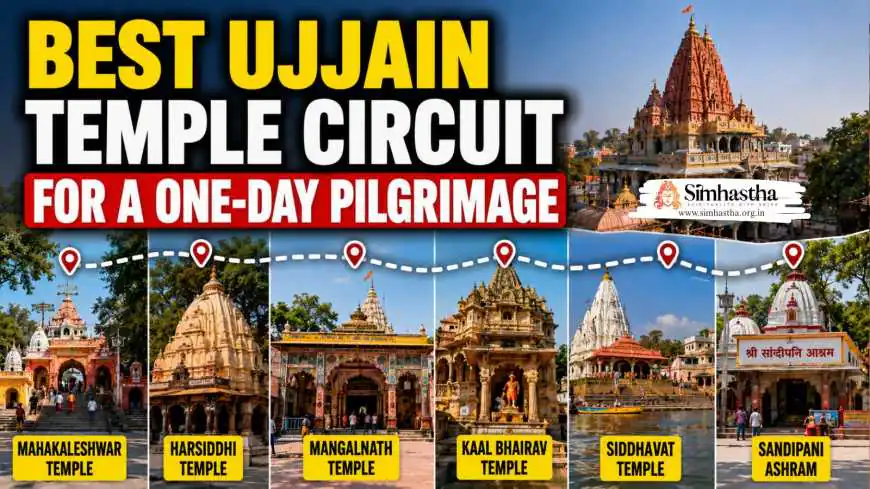
Best Ujjain Temple Circuit for a One-Day Pilgrimage
Maximize your divine day with the best Ujjain temple circuit for a one-day pilgrimage. Cover Mahakaleshwar, Bade Ganeshji, Harsiddhi, Kal Bhairav, and more on a perfectly timed spiritual route.


Beginning Before Dawn: Mahakaleshwar and the Bhasma Aarti
The day must begin in the dark. There is no gentler way to say this: to truly experience Mahakaleshwar, you need to be at the temple by 3:00 AM if you have secured a Bhasma Aarti pass, or by 4:00 AM for the early morning general darshan. This is not an arbitrary act of austerity; it is the most practical way to secure a darshan that is relatively unhurried before the massive crowds descend. The Bhasma Aarti, the ritual offering of sacred ash to the south-facing Jyotirlinga, is the spiritual apex of Ujjain. In the pre-dawn hush, as the ash is applied to the dark lingam and the chants rise, you are witnessing not just a ritual but a profound meditation on mortality and eternity. If a Bhasma Aarti pass is not available, don’t despair. The early morning general darshan, just after the aarti, still carries the residue of that powerful energy, and the queue moves more quickly than during the day.
After darshan, walk through the magnificent Mahakal Lok corridor, now bathed in the soft light of dawn. The carved panels of Shiva’s stories are best appreciated in this quiet hour. You have just offered your prayers to the Lord of Time; now take a moment to feel time slow down. Drink a small cup of tea from a stall outside, but do not linger too long; the circuit is calling. 🕰️
The Inner Spokes: Bade Ganeshji and Harsiddhi Mata
A short five-minute walk through the waking bazaar from Mahakaleshwar brings you to Bade Ganeshji Ka Mandir. This ancient temple houses a colossal, ornate idol of Ganesh, the remover of obstacles. In the logic of the pilgrimage, it is auspicious to seek Ganesh’s blessings immediately after the Jyotirlinga darshan, clearing the path for the rest of the day. The shrine is intimate, and in the early morning, the queues are minimal. Offer a coconut and a garland, and seek his blessings for a smooth completion of your journey.
From Bade Ganeshji, a slightly longer but pleasant walk—or a brief shared auto ride—takes you to the Harsiddhi Mata Temple, one of the 51 Shaktipeeths. If you have timed it right, the morning sun will be catching the red and ochre walls of the temple, and the great lamp pillars will stand serene before the crowds descend. Inside, the dark idol of the wish-fulfilling goddess is powerful. This is a space for personal, heartfelt prayer. Many devotees tie a sacred thread here, asking for the fulfilment of a specific wish. Even if you only have a few minutes, the energy of the sanctum is deeply nurturing. 🛕
Trending Guides Now

Ujjain Temple Photography Rules Every Visitor Should Know

Ujjain Simhastha 5 Day Itinerary for Couples

2 Days Ujjain Itinerary: Complete Temple Darshan Plan
Surat to Ujjain Travel Guide: Routes, Distance and Time

Ujjain Railway Station to Mahakaleshwar Temple Distance (2026 Guide)

Ujjain Simhastha 2028 Dates Announced: Full Shahi Snan & Event Timeline

Benefits of Becoming a Simhastha Volunteer

Ujjain Travel During Shravan Month: What Changes for Visitors
The Guardian’s Fort: Kal Bhairav and the Offering of Surrender
Now the circuit takes a slightly longer leap. From the central Shakti shrine, you move to the guardian of the city. An auto-rickshaw from Harsiddhi to Kal Bhairav Temple takes about fifteen minutes. This is the most physically and emotionally intense stop on the circuit. Kal Bhairav, the fierce protector of Ujjain, requires a particular etiquette. You are likely to have purchased a sealed bottle of liquor and perhaps some marigold garlands or black sesame seeds on the way.
The queue moves steadily. When you reach the priest, present your sealed bottle. Watch as he opens it, pours a measure onto the flat offering plate, and touches it to the deity’s lips. The bottle is returned to you as prasad. This is not a party; it is a profound tantric surrender, an offering of your intoxicating attachments and inner weaknesses to the fierce guardian who consumes them. The atmosphere is electric, charged with a raw, protective power. As you stand there, ask not for material favours but for fearlessness, for the removal of inner enemies—anger, jealousy, procrastination. Kal Bhairav hears the honest heart. After the darshan, step into the courtyard. Feed a biscuit to one of the temple dogs, the living vahanas of the deity. This small act of kindness is an integral part of the ritual. 🔱
The Midday Lull and the Scholar’s Refuge: Gadkalika
By now, the sun is climbing, and the Ujjain heat begins to assert itself. The next stop on the ideal one-day circuit is slightly off the main tourist radar, offering a cool, quiet sanctuary. Take an auto-rickshaw to Gadkalika Temple, the shrine intimately connected with the poet Kalidasa and the goddess of wisdom. This temple is a retreat for students, but its serenity is a balm for any pilgrim.
The legend whispers that Kalidasa was blessed here with divine intellect. You don’t need to be a student to appreciate the calm focus that permeates the courtyard. There is no elaborate ritual required. If you have a pen, you can place it at the feet of the goddess. Sit for fifteen minutes in the quiet. The temple’s detachment from the main commercial hubs makes it a perfect place to collect your thoughts, rest your legs, and prepare for the final acts of your pilgrimage. This is where the inner journey catches up with the outer one. 📚
The Afternoon Repose and a Glimpse of the Cosmos: Mangalnath
Your next destination is best approached in the late afternoon, and it requires another short auto-rickshaw journey to the banks of the Shipra. Mangalnath Temple, the birthplace of the planet Mars according to Puranic lore, offers a spectacular panoramic view of the river. The temple itself, painted red, is a powerful Navagraha shrine. Perform a simple abhishek or just offer red flowers to the lingam, praying for the pacification of the aggressive, fiery energies of Mangal in your life, or simply for courage and the energy to pursue your dharma.
But the true magic of Mangalnath is the ghat outside. As the sun begins its descent, the entire riverbank is bathed in shades of crimson and gold. This is not a crowded ghat. Find a spot on the steps, sit down, and just watch the Shipra flow. After the intensity of Kal Bhairav, this quiet interlude is essential. It grounds you, connects you to the cosmic rhythms, and subtly prepares you for the evening’s grand finale. 🚶

The Grand Finale: Ram Ghat and the Shipra Aarti
As dusk settles, make your way to Ram Ghat, the heart of Ujjain’s river worship. You will have time to find a good spot. The evening Shipra Aarti is a sensory immersion: the sound of conch shells, the rhythmic clanging of bells, the synchronized movements of the priests with their massive brass lamps, and the hundreds of small, floating diyas on the dark water.
Standing here, watching the aarti, you close the sacred circle of your one-day pilgrimage. You began the day with fire at the Mahakal Bhasma Aarti, the ash of the cremation ground. You end it with fire again, but this time it is the gentle, floating flame of a lamp offered to the river, a prayer of light and hope. Let the chants wash over you. This is the moment of completion, the spiritual digestion of everything you have received during the day. If you wish to offer your own diya, you can do so, but simply being present, watching the dark river reflect the golden flames, is a profound conclusion.
Timing, Transport, and Practical Wisdom for the Day
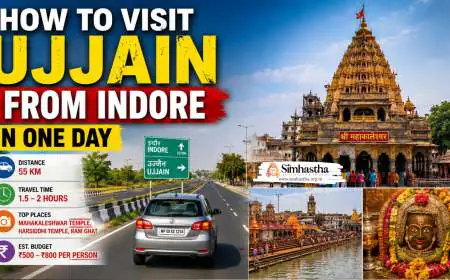
This circuit is designed for the pace of a devoted pilgrim, not a tourist on a tour bus. It requires an early start and a spirit of surrender to the day’s rhythm. Transport: Ujjain’s shared autos are efficient for the longer stretches, but for a seamless day, consider hiring a single auto-rickshaw driver for the entire circuit. You can negotiate a fixed price (around ₹500-700, depending on the season) to take you to all the temples and wait for you. This eliminates the stress of finding a new vehicle each time and allows you to leave small bags or offerings in the auto.
Food and hydration: Drink plenty of water throughout the day. A reusable bottle is essential. For breakfast, try the poha-jalebi at a stall near the Mahakal temple. Lunch can be a simple, light thali at a local restaurant near Harsiddhi. Avoid heavy, oily meals that might make you lethargic. The day’s pace is steady but not grueling, and a full stomach will make the auto-rickshaw rides and the afternoon heat feel uncomfortable.
Dress and etiquette: Dress modestly for the entire day. A kurta-pajama for men and a salwar kameez or saree for women is ideal. You will be removing your footwear at every temple, so simple slip-on sandals are a must. Carry a small bag with your essentials: water, phone, wallet, and offerings. Leave large luggage at your hotel or the railway station cloakroom. Respect the silence within the inner sanctums, and never try to touch the idols unless explicitly guided by a priest. ✅
Common Mistakes to Avoid on a One-Day Circuit
Even a perfectly planned day can be derailed by a few common errors. The first is starting too late. If you sleep in until 8 AM, you will spend the entire day in long queues, and by the time you reach the third or fourth temple, the heat and exhaustion will have stolen the joy from your pilgrimage. The second mistake is trying to cram in too much. This circuit covers the spiritual essentials. Resist the temptation to add a dozen more stops; you will end up spending more time in the auto-rickshaw than in the temples.
Another frequent misstep is ignoring the midday lull. Ujjain’s afternoons can be brutal, especially in summer. Attempting to walk long distances between temples in the midday sun is a recipe for heatstroke and irritability. The circuit above wisely uses the midday period for Gadkalika’s quiet courtyard and the auto journey to Mangalnath. Finally, do not come with a rigid, minute-by-minute schedule. The divine often has a way of inserting small, unexpected blessings into your day—a conversation with a sadhu, a sudden chant that stops you in your tracks, a moment of inexplicable peace at a ghat. Leave room for these. They are not distractions; they are the very substance of pilgrimage. ⚠️
The Inner Map and the Pilgrimage of One Day
A one-day pilgrimage is, in a sense, the most honest form of spiritual travel. It strips away the luxury of time and forces you to confront what is truly essential. You cannot see everything Ujjain has to offer in a day. You cannot perform every ritual, read every inscription, or absorb every nuance of the city’s history. But you can touch the centre. You can stand before Mahakal, feel the fierce shield of Bhairav, seek the blessings of the Goddess, and offer a lamp to the Shipra. In doing so, you participate in the unbroken, eternal pilgrimage that has flowed through Ujjain for millennia.
As you leave Ram Ghat at the end of the day, the sounds of the aarti fading behind you, and make your way back to your hotel or the station, you are not the same person who stumbled out of bed in the pre-dawn dark. The city has done its quiet, ancient work. You carry within you, now, a spark of the light you saw reflected on the Shipra, a stillness born from the ash of Mahakal, and a quiet, knowing smile that comes from having walked, for one perfect day, in the footsteps of saints. That is the gift of the best Ujjain temple circuit. It gives you, in twenty-four hours, a taste of eternity. 🔱
Frequently Asked Questions