






















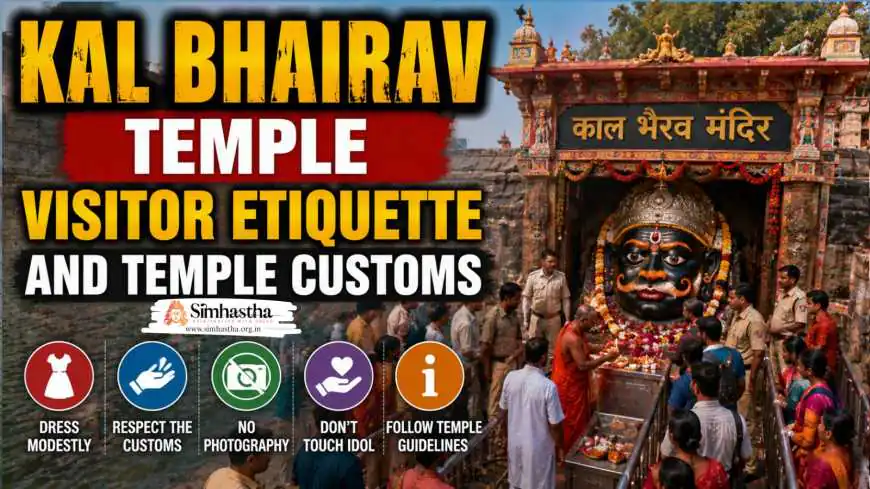
Kal Bhairav Temple Visitor Etiquette and Temple Customs
Learn the essential Kal Bhairav Temple visitor etiquette and temple customs. From the sacred liquor offering ritual to dress code and respectful conduct, prepare for a powerful darshan in Ujjain.


Why Kal Bhairav Temple Is Unlike Any Other Ujjain Shrine
To grasp the etiquette, you must first grasp the deity. Kal Bhairav is not merely another name of Shiva; he is the fierce manifestation specifically charged with guarding the sacred territory of Avantika. According to the Puranas, when Shiva established Ujjain as his eternal abode, he appointed Kal Bhairav as its kshetrapala—the guardian of the kshetra or sacred zone. No spiritual force, no wandering spirit, no negative energy may enter or operate within Ujjain's boundaries without Kal Bhairav's knowledge and consent. His vehicle is the dog, a creature known for its fierce loyalty and territorial awareness, and you will see dogs roaming freely around the temple courtyard, understood to be the deity's living attendants.
The idol itself is striking: a dark, powerful figure with a garland of skulls, a sword in one hand, and a bowl in the other. His eyes are wide, unwavering. The energy is not malevolent, but it is certainly not gentle. This is a guardian, a protector, and like any guardian, he responds to respect, to courage, and to the unvarnished truth of the devotee's heart. The liquor offering, the absence of elaborate puja rituals, the simple, direct manner in which devotees present their prayers—all of this flows from Kal Bhairav's nature. He is not interested in elaborate flattery. He is interested in your sincerity, your humility, and your willingness to approach him as you are, without pretension. Understanding this core identity transforms the "rules" from a list of arbitrary dos and don'ts into a coherent, deeply meaningful spiritual protocol. 🛕
The Sacred Offering of Liquor and How to Perform It Correctly
The Kal Bhairav Liquor Offering is the temple's most famous, most misunderstood, and most photographed ritual. Let me be clear from the outset: this is not a party, not a celebration, and certainly not an excuse for devotees to consume alcohol on the temple premises. The offering of madira or sharab to Kal Bhairav is a tantric ritual with deep symbolic roots. In tantric practice, offering something that is ordinarily forbidden or considered impure is the ultimate test of detachment and surrender. By offering liquor—a substance associated with intoxication and loss of control—to the deity, the devotee symbolically hands over their own weaknesses, addictions, and base desires, asking the fierce guardian to consume them and burn them away.
Here is the correct procedure. You may bring your own bottle, purchased from one of the many authorised liquor shops that line the approach road to the temple, or you can buy it there. Country liquor, particularly desi daru or mahua, is traditionally favoured, but commercially bottled spirits are also accepted and commonly offered. The bottle must be sealed and unopened. The priest, stationed near the deity, will take the bottle from you. Do not open it yourself. Do not attempt to pour it. Do not bring an open, half-consumed bottle as an offering; this is considered deeply disrespectful. The priest will open the bottle in front of the deity, pour a small quantity into a flat bowl or plate, and hold it to the deity's lips. The rest of the bottle is returned to you as prasad—blessed by the deity. You may then take it home, or many devotees choose to distribute it or leave it behind for the poor. You do not drink it in the temple. You do not linger with it. You accept the prasad with the same reverence you would show to a packet of sacred ash or a garland, and you move on to make space for the next devotee. ✅
Trending Guides Now

Why Mangalnath Temple Attracts Devotees From Across India

Why Students Visit Gadkalika Temple Before Exams
Why the Harsiddhi Deep Stambh Attracts Thousands

What Makes Bhartrihari Caves Different From Other Cave Shrines

Ujjain Railway Station to Mahakaleshwar Temple Distance (2026 Guide)

Ujjain Simhastha 2028 Dates Announced: Full Shahi Snan & Event Timeline

Benefits of Becoming a Simhastha Volunteer

Ujjain Travel During Shravan Month: What Changes for Visitors
The Deep Symbolism Behind the Ritual
Beyond the physical act of offering, there is a profound inner meaning that elevates the Kal Bhairav temple customs from transactional ritual to spiritual practice. The liquor represents the intoxicating, binding substances of the material world: not just alcohol, but wealth, power, pride, anger, and lust. These are the things that cloud the mind and keep the soul in bondage. By offering them to Kal Bhairav, the devotee symbolically says: "Lord, I cannot overcome these attachments on my own. I place them at your feet. Consume them. Transform them. Free me." The deity, in his fierce, uncompromising compassion, accepts the offering and returns it as prasad—now blessed, now transformed, now a reminder that everything, even that which could bind you, can become a vehicle for grace when offered with sincerity. When you understand this, you will stand in that queue not with a sense of awkwardness or spectacle but with a quiet, internal prayer, watching the priest touch the bottle to the deity's lips, and feeling, in that moment, that something of your own inner burden is being lifted, drop by drop. 🔱
Dress Code and Physical Conduct Inside the Temple Complex
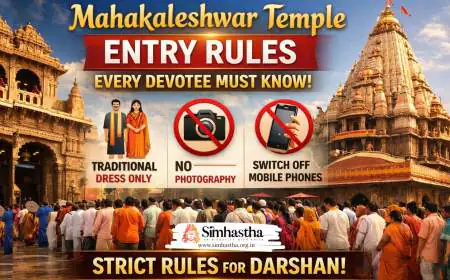
The Mahakaleshwar-tatkal-bhasma-aarti-booking-guide" class="contextual-link" data-post-id="760">dress code at Kal Bhairav Temple follows the general Ujjain standard of modesty but carries an additional weight due to the temple's tantric nature. Men should wear a kurta-pajama, dhoti, or trousers with a modest shirt. Avoid shorts, sleeveless vests, and clothing with loud or disrespectful prints. Women should wear a salwar kameez, saree, or a long skirt with a modest top, with the shoulders and legs below the knees covered. The colour black, associated with Bhairav, is considered particularly auspicious to wear here, though it is not mandatory.
Leather items—belts, wallets, bags, and jackets—are strictly prohibited inside the sanctum area, as in most Ujjain temples. If you wear a leather belt, remove it and leave it outside or with your footwear. Footwear must be deposited at the designated stalls before entering the temple courtyard. Do not leave your shoes scattered near the entrance; use the official shoe-stand.
Physical conduct within the temple is simple but firm. Do not touch the idol of the deity. Do not attempt to apply sindoor or ash directly to the deity yourself; this is the priest's role. Do not jostle or push in the queue. Kal Bhairav's energy is already intense; adding human aggression to it creates a volatile atmosphere. Maintain a quiet, respectful demeanour. Fold your hands, offer your prayer, complete your ritual with the priest, and step aside. Photography inside the main sanctum is generally prohibited. If you wish to take photographs in the outer courtyard, do so discreetly and without disturbing devotees. 📸
Temple Timings and the Best Hours for a Respectful Darshan
The Kal Bhairav Temple operates on a rhythm that is somewhat different from Ujjain's other major shrines. The temple opens early, typically around 5:00 AM or 6:00 AM, and remains open throughout the day until around 9:00 PM or 10:00 PM, with a brief closure during the mid-afternoon in some seasons. The most crowded times, as with all Ujjain temples, are the late mornings and the evening hours after sunset. Sundays and Tuesdays are particularly busy, as both days are associated with Bhairav, and the queue can stretch for an hour or more.
For a pilgrim seeking a quieter, more contemplative darshan, the early morning hours, shortly after opening, are ideal. The air is still cool, the crowds are thin, and the temple's fierce energy is balanced by the freshness of the new day. The late afternoon, around 4:00 PM to 5:00 PM, before the evening rush, is another relatively peaceful window. During these quieter times, the priests may have a moment to exchange a word, to offer a more extended blessing, or simply to allow you to stand before the deity for a few extra seconds without the pressure of the queue pushing from behind.

When you enter the main darshan area, observe the flow of the queue. There is no separate VIP or paid darshan line of the kind that exists at Mahakaleshwar; the darshan is democratic and direct. Join the line, wait your turn, and when you reach the front, state your offering clearly to the priest—"Bhairav Baba ko sharab arpan karni hai" or simply hold out the bottle. The priest will handle the rest. Do not argue, do not demand a longer ritual, and do not attempt to bypass the queue with money. Kal Bhairav's temple operates on a different economy, one where sincerity counts for more than currency. ⏰
The Do's and Don'ts Every Devotee Must Remember
A clear, concise list of do's and don'ts for Kal Bhairav Temple helps crystallize the essential etiquette for both first-time and returning visitors.
Do: Offer liquor in a sealed bottle, purchased from a reputable shop. Do: Bring additional offerings such as coconut, garlands of marigold flowers, black sesame seeds, and black cloth, all of which are traditionally associated with Bhairav. Do: Approach the deity with a clear, honest prayer. Bhairav is believed to respond particularly strongly to prayers for protection, for the removal of fear, for the overcoming of enemies (inner and outer), and for the healing of chronic illnesses. Do: Feed the dogs around the temple. Carrying a packet of biscuits or some bread and offering it to the dogs is a deeply auspicious act, as the dog is Bhairav's vahana and living representative. Do: Circumambulate the temple once after darshan, walking clockwise, if the temple layout permits.
Don't: Do not bring meat, blood, or any non-vegetarian offerings, despite occasional rumours or misrepresentations online. Kal Bhairav in Ujjain is a sattvic guardian in his ritual practice; the offering is liquor, not flesh. Don't: Do not consume alcohol yourself before or during the temple visit. Approaching the deity intoxicated is a grave disrespect. Don't: Do not engage in loud conversation, laughter, or arguments inside the temple courtyard. Don't: Do not touch or tease the dogs. They are not strays; they are temple guardians, and devotees treat them with reverence. Don't: Do not bring large bags, cameras with detachable lenses, or drones. The temple has limited storage facilities and security is thorough. Don't: Do not attempt to perform any black magic or harmful prayers. Kal Bhairav is a protector; petitions for harm to others are believed to backfire severely on the petitioner. ✅
Common Mistakes First-Time Visitors Make at Kal Bhairav Temple
Even with the best intentions, first-time visitors to Kal Bhairav Temple frequently stumble into a set of predictable mistakes that can sour the experience. The most common error is bringing an open bottle of liquor as an offering. The priest will refuse it, and the devotee is left embarrassed and empty-handed. Always ensure the bottle is sealed. The second common mistake is haggling with the priests or attempting to tip them for a "better" darshan. The priests at Kal Bhairav Temple are trained in a specific ritual protocol and are generally not amenable to commercial shortcuts. Offer your dakshina quietly in the donation box or to the priest's assistant, not as a negotiation.
Another frequent misstep is touching the deity or attempting to pour the liquor onto the idol directly. This is the priest's exclusive ritual function. Your role is to present the offering, receive the prasad, and offer your prayer. Do not reach out and touch the idol's face, feet, or the bowl. Many visitors also underestimate the intensity of the atmosphere. The combination of the deity's fierce form, the scent of liquor, the crush of the crowd, and the palpable tantric energy can feel overwhelming. Give yourself time to acclimate. Sit in the courtyard for a few minutes after darshan. Breathe. Let the experience settle. Rushing from the sanctum to the exit without pausing misses a crucial part of the temple's gift: the opportunity to sit in the presence of the guardian and feel, slowly, the fear and agitation you carried inside being replaced by a quiet, steady sense of protection. 🚶
Insights From Local Priests and Regular Devotees
The oral wisdom of the Kal Bhairav Temple priests and the long-time devotees who visit weekly, or even daily, offers a layer of understanding that no written guide can fully capture. The priests will tell you that Kal Bhairav is nyay priya—a lover of justice. He does not favour the rich over the poor, the powerful over the weak. He responds to the truth of the heart. They recount stories of people who came to the temple in desperate circumstances—a falsely accused man facing imprisonment, a woman whose husband had abandoned her and their children, a business owner being destroyed by a rival's malicious schemes—and who, after offering their sincere prayers and the ritual liquor, found their situations mysteriously and powerfully resolved.
But they also tell cautionary tales. The guardian of Ujjain is not a wish-fulfilling machine. Those who come with arrogance, with a sense of entitlement, or with the intention of harming others, often find their own plans unravelling. The temple, one priest might say quietly to a devoted listener, is a place of shakti—power. And power, by its nature, amplifies whatever intention is brought to it. A pure intention is amplified into grace. An impure intention is amplified into self-destruction. This is not a punishment from a vengeful god; it is simply the law of the guardian's presence. The devotee learns, over repeated visits, to approach Bhairav not as a supplicant begging for favours but as a student seeking the strength to face life's battles with courage and integrity.
The dogs, the priests will remind you, are not to be ignored. Feeding the dogs around the temple, especially on a Sunday or Tuesday, is an act of merit that is believed to reach Bhairav directly. The dogs are his ears and his eyes. A devotee who is kind to a temple dog will, in the words of one elderly regular, "never leave Bhairav Baba's gate empty-handed." 🛕
Preparing Your Offering and Mindset Before You Visit
Practical preparation for a Kal Bhairav Temple visit begins before you leave your accommodation. Assemble your offerings: a sealed bottle of liquor (desi sharab if you wish to follow the most traditional practice, but any clean, sealed spirit is acceptable), a coconut, a garland of marigold flowers, a packet of black sesame seeds, and perhaps a small piece of black cloth. You may purchase all of these from the shops that line the road leading to the temple; the prices are reasonable, and the shopkeepers can guide you on what is appropriate. Carry some extra biscuits or bread for the dogs; this small, inexpensive addition to your offering will bring you more joy than you expect.
More important than the physical offerings is the inner preparation. Kal Bhairav is a deity who sees through pretense. Before you enter the temple, spend a few moments in quiet reflection. What is the real prayer you are bringing? What is the fear you wish to release? What is the protection you genuinely need? Frame this prayer clearly in your mind. Do not bring a vague, generic wish list. Bring a single, clear, heartfelt petition or a simple expression of gratitude. The priests often observe that the most powerful darshans occur when the devotee arrives not with a shopping list of demands but with a single, sincere cry of the heart.
Dress simply, remove your footwear, leave your leather behind, and walk into the courtyard with the calm, steady awareness that you are entering the domain of a powerful protector. The guardian who watches over the city of Mahakal is now watching over you. That awareness, held quietly, is itself a form of protection. ✅
The Silent Power and the Unspoken Bond With the Guardian of Ujjain
After the darshan, after the offering has been given and the prasad returned to your hands, after you have sat for a while in the courtyard and fed a biscuit to a temple dog who looked at you with ancient, knowing eyes, you will feel something shift. The Kal Bhairav Temple is not a place that leaves you unchanged. The fierce, direct energy of the guardian has a way of cutting through mental clutter, of silencing the anxious chatter, of reminding you, at a level deeper than thought, that you are not alone. You are in the city of Mahakal, and Kal Bhairav is its watchman, and by extension, your watchman too, if you approach him with an honest heart.
This is the ultimate etiquette of Kal Bhairav Temple: not a rulebook but a relationship. The liquor, the flowers, the coconut, the black sesame—these are gestures. The real offering is your trust. The real prasad is the quiet, solid, unshakeable feeling that settles into your chest as you leave the temple and walk back into the ordinary streets of Ujjain, a feeling that whispers: you are protected. Whatever battles you are fighting, seen and unseen, the guardian of this ancient city has heard your prayer. He has accepted your offering. He is standing, fierce and vigilant, at the gate of your life. And nothing that means you harm will pass through. 🔱
Frequently Asked Questions