


















Mahakaleshwar Darshan During Festivals: What to Expect
Plan your Mahakaleshwar darshan during festivals with confidence. Learn what to expect from crowds, queues, timings, and the intense spiritual atmosphere during Ujjain's most sacred celebrations.


Mahashivratri at Mahakaleshwar and the Night of the Great Vigil
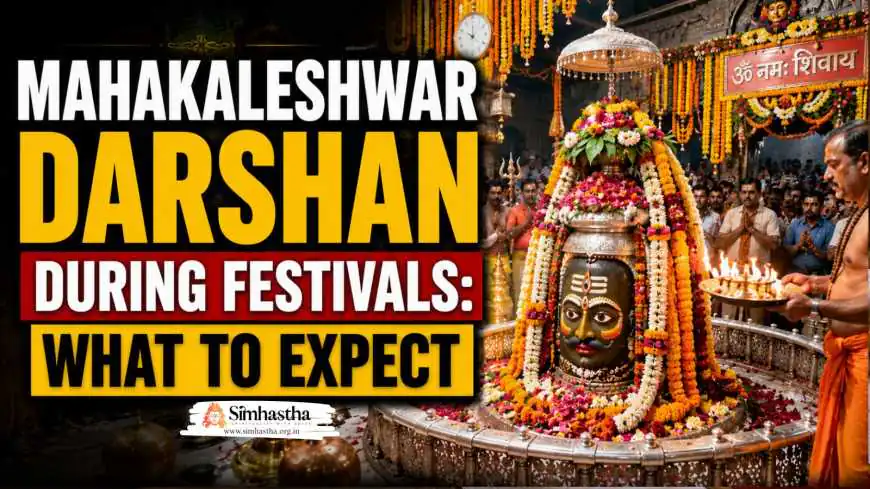
If there is one festival that defines the extreme, ecstatic intensity of Mahakaleshwar darshan during festivals, it is Mahashivratri. This is the great night of Shiva, the anniversary of the divine marriage of Shiva and Parvati, and the occasion when the Jyotirlinga is believed to radiate its most potent spiritual energy. At Mahakaleshwar, the only south-facing Jyotirlinga, the Mahashivratri celebration takes on an additional layer of significance connected to the deity's aspect as the Lord of Time and Death. Pilgrims begin arriving in Ujjain three to four days before the festival. By the evening of Mahashivratri, the entire area around the temple—the Mahakal Lok corridor, the surrounding streets, the ghats of the Shipra—is a solid, slow-moving mass of humanity. The temple remains open throughout the night, with special pujas performed at each prahar—the four three-hour segments of the night. The Bhasma Aarti on Mahashivratri morning is the single most sought-after ritual of the entire year, with passes often distributed through a lottery system or booked out months in advance. Without a pass, darshan during the peak hours of the night is an exercise in patience and physical endurance. The queue, which snakes through the corridor and out into the streets, moves at a glacial pace. Pilgrims stand for hours, chanting, singing bhajans, and inching forward. The moment of darshan itself, when it finally comes, is brief—a few seconds before the black stone lingam adorned with flowers and sacred ash—but the collective energy of the night, the sense of sharing a sacred vigil with hundreds of thousands of fellow devotees, is transformative. 🔱
The Four Prahar Pujas and the Nightlong Rhythm
The ritual structure of Mahashivratri at Mahakaleshwar follows the ancient tradition of the four prahar pujas, each corresponding to a specific phase of the night and carrying a specific spiritual significance. The first prahar puja, performed in the early hours of the night, invokes Shiva as the creator. The second prahar, around midnight, invokes him as the sustainer. The third prahar, in the deep, silent hours before dawn, invokes him as the destroyer. The fourth prahar, as the first light breaks, invokes him as the ultimate reality that transcends all three functions. Each prahar puja involves a complete abhishek of the lingam with milk, curd, ghee, honey, and sacred ash, accompanied by Vedic chanting and the blowing of conch shells. For devotees who manage to be present in the sanctum or near it during these rituals, the experience is overwhelming—the heat of the lamps, the sonorous vibration of the mantras, the fragrance of incense and flowers, and the sight of the dark lingam glistening with sacred offerings. The temple priests, trained in the specific liturgical requirements of each prahar, perform the rituals with a precision and devotion that have been handed down through generations. For the pilgrim outside in the queue, the changing pujas are marked by a shift in the temple bells, a change in the chants emanating from the sanctum, and a renewed surge of devotional energy in the crowd.
Shravan Month and the Monday Surge
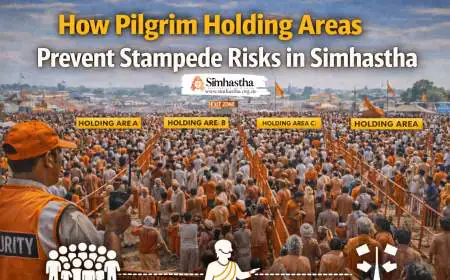
If Mahashivratri is the single most intense day for Mahakaleshwar darshan, Shravan month—the fifth month of the Hindu calendar, typically falling between July and August—is the most intense sustained period. Every day of Shravan is considered auspicious for Shiva worship, but the Mondays of Shravan, known as Shravan Somvar, carry a special potency. The belief is that prayers offered to Shiva on these Mondays are answered with particular grace, and the result is a massive surge in pilgrim numbers every Monday throughout the month. The temple opens earlier, closes later, and operates at maximum capacity throughout. The Bhasma Aarti during Shravan Mondays is booked solid, and even the general darshan queues can stretch to four to six hours. The Mahakal Lok corridor, normally spacious enough to absorb the non-festival crowds, fills to capacity. The administration deploys additional police personnel, sets up temporary holding areas with water and shade, and operates medical camps at key congestion points. Pilgrims undertaking the Shravan darshan should plan for an early morning arrival, ideally by 4:00 AM, to beat the worst of the crowds. Carrying water, wearing comfortable slip-on footwear, and being mentally prepared for a multi-hour wait are essential. The reward, however, is a darshan that feels earned, a moment of connection with the Jyotirlinga that is heightened by the collective devotion of the Shravan crowd and the knowledge that millions across India are offering their prayers to Shiva on this same sacred day. ✅
Nag Panchami, Kartik Purnima, and the Other Festival Peaks
Beyond the two titans of Mahashivratri and Shravan, several other festivals create significant crowd surges at Mahakaleshwar that pilgrims should anticipate. Nag Panchami, falling in Shravan month, adds the serpent-worship dimension to the Shiva devotion, and the temple sees a notable increase in footfall. Kartik Purnima, the full moon of the Kartik month, marks the culmination of the holy Kartik period and draws large crowds for the evening aarti and the deep daan ritual of offering lamps. Diwali, particularly the day of Narak Chaturdashi and the following Govardhan Puja, sees a surge as families combine the festive season with a pilgrimage to Mahakal. Makar Sankranti in January marks the sun's northward journey and is considered an auspicious day for Shiva darshan. Pradosh Vrat, occurring twice every lunar month on the thirteenth day of each fortnight, creates mini-peaks every two weeks, with the evening puja drawing larger-than-normal crowds. For each of these festivals, the pattern is consistent: the temple extends its hours, the crowd density increases significantly, the Bhasma Aarti and other special rituals require advance booking, and the general darshan queue becomes a multi-hour commitment. The pilgrim who arrives on these days without preparation is likely to be overwhelmed. The pilgrim who arrives with realistic expectations, adequate water, comfortable footwear, and a patient heart is likely to be transformed.
Trending Guides Now
Ujjain Railway Station to Mahakaleshwar Temple Distance (2026 Guide)

Best Time to Visit Mahakaleshwar Temple Crowd And Weather Guide

Mahakaleshwar Sheeghra Darshan Booking Guide 2026
Why This Jyotirlinga Faces South and What It Means

Ujjain Simhastha 2028 Dates Announced: Full Shahi Snan & Event Timeline
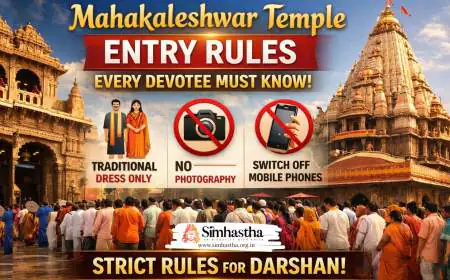
Mahakaleshwar Temple Entry Rules 2026: Dress Code, Mobile & Bag Policy
Benefits of Becoming a Simhastha Volunteer
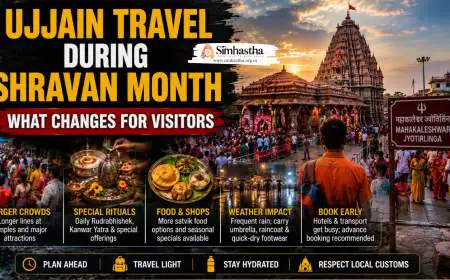
Ujjain Travel During Shravan Month: What Changes for Visitors
The Festival Bhasma Aarti and How to Approach It
The Bhasma Aarti is, at any time, the most sacred and sought-after ritual at Mahakaleshwar. During festivals, it becomes something approaching a spiritual Olympics. The aarti, performed in the pre-dawn hours, involves the anointing of the Jyotirlinga with sacred ash—vibhuti—freshly collected from a cremation ground, symbolizing the impermanence of the physical body and the eternity of the soul. During Mahashivratri and Shravan Mondays, the demand for Bhasma Aarti passes far exceeds the capacity of the sanctum. The temple administration typically operates a booking system that opens days or weeks in advance, often through an online portal, with passes selling out within hours of release. For pilgrims who secure a pass, the experience begins with a 2:00 AM or 3:00 AM reporting time, a security check, and a designated waiting area within the temple complex. The aarti itself, when witnessed from the proximity that a pass allows, is a profoundly moving experience—the darkness of the sanctum, the flames of the lamps, the chanting of the priests, the ash being applied to the lingam, and the collective intake of breath from the devotees as the ritual reaches its climax. For pilgrims who do not secure a pass, the Bhasma Aarti can still be experienced from the outer areas of the temple or the Mahakal Lok corridor, where the chants are broadcast, the energy is palpable, and the sense of participating in a vast, collective act of devotion is powerful, even if the visual connection to the lingam is not direct. ⏰
The Physical Demands and Health Preparations
Let me speak frankly about what the body endures during Mahakaleshwar darshan during festivals. The queues are long, often lasting six to twelve hours on the peak festival days. The waiting areas, while improved by the Mahakal Lok corridor, can become extremely crowded, with pilgrims standing shoulder-to-shoulder for extended periods. The weather adds another layer of challenge. Mahashivratri falls in February or March, when the pre-dawn temperatures can be quite cold, especially for pilgrims from warmer regions. Shravan falls during the monsoon, with humidity and the possibility of rain adding to the physical strain. Kartik Purnima in November brings milder weather but still requires preparation for extended standing. Pilgrims with pre-existing health conditions—heart problems, respiratory issues, joint pain, or diabetes—should consult their doctors before undertaking a festival darshan that involves prolonged standing and physical exertion. The temple administration operates medical posts at key points, but the sheer density of the crowd can make accessing them difficult in an emergency. The most important physical preparations are simple: hydrate well in the hours before joining the queue, eat a light but sustaining meal, carry essential medications in an easily accessible pocket, wear comfortable, supportive footwear that can be easily removed, and listen to your body. If you feel faint, dizzy, or unwell, do not push through. Alert a fellow pilgrim, a police officer, or a temple volunteer. The darshan is sacred, but the body that carries your soul to the darshan is also sacred. ⚠️
The Inner Preparation and the Spiritual Mindset
The physical preparation is important, but the spiritual preparation is essential. Arriving at Mahakaleshwar during a festival with an impatient, hurried, or entitled mindset is a recipe for suffering. The crowd is not an obstacle between you and the deity; the crowd is the collective body of devotees, and navigating it with grace, patience, and a spirit of service is itself a spiritual practice. The hours in the queue can be transformed from an ordeal into a sadhana—a practice of patience, of chanting, of observing the faces and the devotion of fellow pilgrims, of turning inward when the external environment is chaotic. Carry a mala or simply use your fingers to chant your mantra. Observe the elderly pilgrim ahead of you who has traveled from a distant village, the young mother managing her child with quiet determination, the group of friends singing bhajans to keep their spirits up. Let their devotion nourish your own. Release the expectation of a long, leisurely darshan. On festival days, the darshan in the sanctum may last only a few seconds—a glimpse of the lingam, a moment of eye contact with the priest, a quick offering of your prayers. Accept this. The preparation, the journey, the wait, and the surrender of your own timetable to the divine timetable are all part of the darshan. The moment at the sanctum is the culmination, not the entirety, of the experience. This shift in mindset—from consumer to devotee, from tourist to pilgrim—is what transforms the festival darshan from a stressful event into a profound spiritual experience. ✅
Practical Logistics for Festival Darshan Days
A few practical logistics can make the difference between a manageable festival darshan and a difficult one. Accommodation should be booked as close to the temple as possible, ideally within Walking Distance. During festivals, auto-rickshaws and taxis struggle to navigate the road closures and the pedestrian density around the temple. A hotel or guesthouse within a 1 to 2-kilometer radius allows you to walk to the temple, return for rest during the day, and avoid the transportation chaos. Timing is critical. The queues are shortest in the very early morning, around 4:00 AM to 5:00 AM, before the bulk of pilgrims arrive. The late afternoon, around 3:00 PM to 5:00 PM, often sees a relative lull between the morning rush and the evening aarti crowd. The peak congestion occurs from mid-morning to early afternoon and again during the evening aarti. Bel patra and puja offerings can be purchased from the many stalls along the approach roads. Prices are elevated during festivals, but purchasing them close to the temple rather than carrying them from home is more practical. Mobile phones should be fully charged, but network connectivity within the dense temple area can be unreliable, so do not depend on digital passes or maps loading quickly. A printed copy of any booked passes and a physical map or written directions are reliable backups. 🚶
The Mahakal Lok Corridor and Its Impact on Festival Crowds
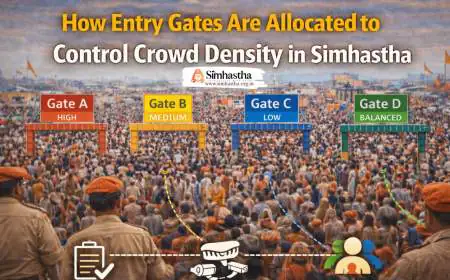
The Mahakal Lok corridor, the massive infrastructure project completed in 2022, has transformed the festival darshan experience in significant ways. The corridor, a beautifully designed, expansive pedestrian plaza stretching over 900 meters from the temple entrance, provides a vastly larger holding area for queues than what existed during previous festivals. The corridor's design, with its carved pillars, water features, and thematic sculptures depicting the stories of Shiva, creates a more aesthetically and spiritually uplifting waiting environment than the cramped streets of earlier times. However, the corridor has also made the temple more accessible and more attractive to pilgrims, which means that the absolute number of visitors during festivals has increased. The corridor absorbs the crowd more comfortably, but the crowd itself is larger. The administration has also used the corridor to implement a more organized queue management system, with designated entry and exit points, barricaded lanes, and large screens displaying live darshan and queue information. The result is a festival darshan experience that is more organized, more comfortable, and more visually beautiful than ever before, but that still requires patience, physical endurance, and realistic expectations on the peak festival days.
The Unforgettable Gift of a Festival Darshan
After all the practical advice, the warnings about crowds and queues, the tips about timing and preparation, there is this: a Mahakaleshwar darshan during a festival is one of the most extraordinary spiritual experiences available in the Hindu world. When you finally emerge from the sanctum, the vibhuti smeared on your forehead, the image of the dark, ancient lingam burned into your memory, the chants still echoing in your ears, you are not the same person who entered the queue hours earlier. Something has shifted. The ego has been softened by the long wait, the heart has been opened by the collective devotion, the mind has been quieted by the hours of chanting and the overwhelming sensory experience of the temple. The festival darshan is not comfortable. It is not convenient. It is not predictable. But it is alive with a power, an intensity, a raw, electric connection to the divine that the ordinary-day darshan, beautiful as it is, rarely matches. This is why pilgrims return, year after year, festival after festival, to stand in those long queues, to endure those hours of waiting, to catch that fleeting, precious glimpse of the Lord of Time. Because they know, from experience, that the glimpse is worth everything it costs. 🔱

Frequently Asked Questions