





























Mahakaleshwar Temple Ujjain: History, Bhasma Aarti, Darshan Guide & Complete Travel Details
Discover the complete guide to Mahakaleshwar Temple, Ujjain—history, significance, Bhasma Aarti, darshan timings, travel tips, and spiritual importance of one of India’s holiest Jyotirlingas.


Mahakaleshwar Temple, Ujjain – The Eternal Abode of Lord Shiva
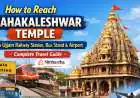
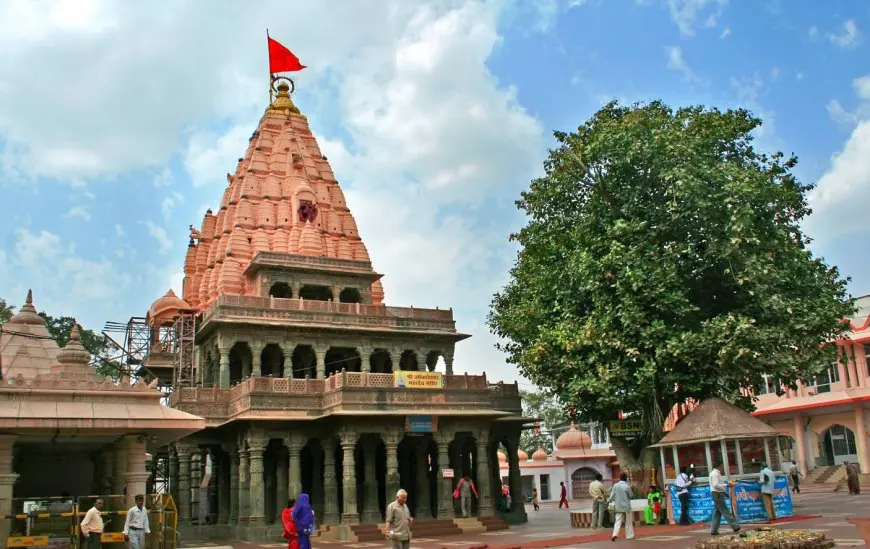
Mahakaleshwar Temple in Ujjain stands as one of India’s most revered spiritual destinations, the divine home of Lord Shiva in his fierce and benevolent form as Mahakal — the Lord of Time and Death. As one of the twelve Jyotirlingas, this sacred shrine holds immeasurable significance for devotees seeking liberation, protection, and spiritual awakening.
Located along the serene banks of the Shipra River, the temple is more than a place of worship; it is a radiant confluence of mythology, history, culture, and faith. Every stone, every corridor, and every sacred ritual in this temple carries centuries of devotion and divine power.
With the arrival of Simhastha Kumbh Mela 2028, Mahakaleshwar Temple continues to shine as the spiritual crown of Ujjain—welcoming millions of seekers from India and around the world.
For Every pilgrims, understanding Simhastha 2028 dates and the official Shahi Snan timeline is essential before booking flights or accommodation, as these sacred dates are completely non-negotiable.
Trending Guides Now

Omkareshwar Jyotirlinga: Complete Guide, History, Importance & Darshan Tips (2026)

Bhimashankar Jyotirlinga 2026: The Ultimate Guide to History, Trekking & Darshan
Trimbakeshwar Jyotirlinga: The Sacred Abode of Lord Shiva in Nashik

Rameshwaram Temple Guide: History, Darshan Timings, Rituals & Spiritual Significance (2026)

Ujjain Railway Station to Mahakaleshwar Temple Distance (2026 Guide)

Ujjain Simhastha 2028 Dates Announced: Full Shahi Snan & Event Timeline

Benefits of Becoming a Simhastha Volunteer

Ujjain Travel During Shravan Month: What Changes for Visitors
A Temple Rooted in Ancient History
The origins of the Mahakaleshwar Temple date back to ancient India. Historical references indicate that the temple existed as early as the 6th century CE, with several Puranic scriptures praising the site as one of Shiva’s most powerful abodes.
Over time, Ujjain faced multiple invasions, but the temple stood resilient—rebuilt, restored, and revered across generations.
The Maratha Revival
The present form of the temple was rebuilt in the 18th century by Maratha commander Ranoji Shinde, whose efforts brought back its glory and reinforced Ujjain as a central hub of Shaivism.
Today, the temple stands majestically as a five-storey architectural marvel, combining Maratha, Rajput, and ancient Indian design elements, reflecting Ujjain’s rich cultural tapestry.
The Divine Strength of the South-Facing Jyotirlinga
Unlike other Jyotirlingas, the Mahakaleshwar Shivling is south-facing (Dakshinamukhi)—a direction associated with Yama, the god of death. This unique orientation symbolizes:
-
Protection from negative forces

-
Liberation from fear and suffering
-
A powerful spiritual shield for devotees

This south-facing form is one of the rarest and holiest aspects of the Mahakal Jyotirlinga, amplifying its cosmic energy and spiritual potency.
The Self-Manifested (Swayambhu) Shivling
Mahakaleshwar is believed to be a Swayambhu Jyotirlinga, meaning the Shivling emerged from the earth on its own, not installed by human hands. This makes the temple an extraordinary spiritual force—a natural embodiment of Shiva’s presence.
Devotees feel a deep, unexplainable vibration upon entering the sanctum, as though the energy of Mahakal himself resides directly beneath their feet.
Bhasma Aarti – The Most Sacred Ritual of Mahakal
A Ritual Unlike Anything Else on Earth
The Bhasma Aarti, performed daily at 4:00 AM, is the temple’s most iconic ceremony. In this extraordinary ritual, the Shivling is adorned with sacred ash (bhasma) — symbolizing the eternal truth that every being ultimately merges with time.
This Aarti is the only one of its kind in India, drawing thousands of devotees daily.
Key Highlights:
-
Begins before sunrise
-
Involves sacred chants, damru beats, and traditional rituals
-
Requires mandatory online booking
-
Devotees must follow traditional attire guidelines
For many believers, witnessing the Bhasma Aarti is a life-changing spiritual experience.
Ujjain – The Spiritual Capital of India
Ujjain, one of the Sapta Puris (seven holiest cities of Hinduism), has been a center of learning, astrology, spirituality, and culture since ancient times. It was once the capital of the legendary King Vikramaditya and a flourishing seat of scholars, astronomers, and saints.
Mahakaleshwar Temple stands at the heart of this ancient city, surrounded by temples, ghats, and sacred sites.
During Simhastha Kumbh Mela, the entire city transforms into a massive spiritual hub flooded with millions of devotees, saints, and pilgrims who come seeking purification in the Shipra River and blessings from Mahakal.
How to Reach Mahakaleshwar Temple
By Air
-
Nearest Airport: Indore (55 km)
Direct flights available from Delhi, Mumbai, Hyderabad, Ahmedabad, and major cities.
By Rail
-
Ujjain Junction connects to all major Indian cities.
By Road
Regular buses and taxis connect Ujjain to:
-
Indore
-
Bhopal
-
Dewas
-
Ratlam
-
Omkareshwar
Travel is smooth and scenic, making the pilgrimage journey pleasant.
Best Time to Visit
⭐ Mahashivratri
The most powerful day for Shiva devotees — an unforgettable spiritual celebration.
⭐ Shravan Month (July–August)
A month dedicated to Shiva, attracting millions of pilgrims.
⭐ Simhastha Kumbh Mela (Every 12 Years)
Ujjain hosts one of the world’s largest spiritual gatherings, offering unparalleled energy and devotion.
Darshan Guidelines & Important Tips
-
Online booking is mandatory for Bhasma Aarti
-
Traditional attire required:
-
Men: Dhoti
-
Women: Saree or salwar-kameez
-
-
Mobile phones, leather items, and cameras are not allowed inside the sanctum
-
Follow temple discipline during entry into the Garbhagriha
-
Arrive early for special pujas during festivals
The Spiritual Experience of Mahakaleshwar
Stepping inside the Mahakal corridor, devotees feel a pulse of ancient energy. The chanting, the fragrance of incense, the divine glow of diyas, and the presence of the Jyotirlinga create an atmosphere impossible to describe in words.
For many, visiting Mahakaleshwar is not just a pilgrimage—it is a turning point in life, a moment where faith and inner peace merge.
Frequently Asked Questions