

























Simhastha 2028 Budget Allocation: Where Funds Are Going
Uncover the Simhastha 2028 budget allocation and where funds are going. From roads and bridges to sanitation and digital command centres, see how crores are being spent to transform Ujjain before the Kumbh.


The Arterial Roads and the Billion-Rupee Bypass
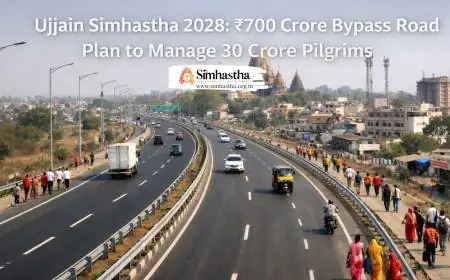
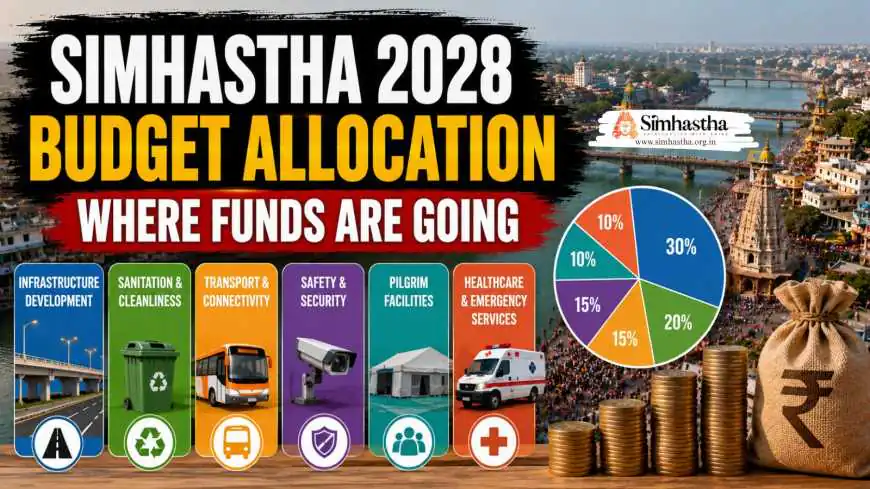
If you were to slice the Simhastha 2028 budget open, the single largest gush of funds would pour into transport infrastructure, with roads and bridges commanding an estimated ₹2,000 to ₹2,500 crore of the total outlay. The flagship of this spending is the Ujjain Eastern Bypass, a 28-kilometer, six-lane corridor that alone is consuming a significant chunk of the road budget. This is not just a road; it is a strategic military-grade diversion designed to wrestle non-pilgrim freight and through-traffic out of Ujjain’s choking urban arteries. The bypass includes a massive six-lane bridge over the Shipra, the cost of which runs into several hundred crores. Complementing this are the four new ring roads, concentric circles of concrete that will allow vehicles to orbit the city at various distances, decanting pilgrims into designated parking lots without them ever needing to touch the ancient, congested core. The widening of the Ujjain-Indore highway to six lanes, the creation of dedicated bus lanes, and the strengthening of rural approach roads from Dewas and Nagda are all being funded under this same umbrella. The government’s logic is brutally simple: if the pilgrims cannot move, the Mela fails. Every crore spent on asphalt and bridges is a premium paid against the nightmare of a static, suffocating gridlock. 🚆
The River Rejuvenation and the Sacred Flow of Funds
The second great financial commitment is to the Shipra River. The budget allocation for the Shipra Action Plan 2028, which falls partially under the National Mission for Clean Ganga and partially under state funding, is estimated to be in the range of ₹800 to ₹1,000 crore. This money is not being spent on cosmetic landscaping alone; it is being poured into the river's very bloodstream. Three new upstream barrages are being constructed to guarantee a constant flow of 500 cusecs during the bathing days, preventing the stagnation that marred previous Melas. Massive sewage treatment plants with tertiary-level filtration are being built to ensure that only clean, treated water enters the river. The iconic bathing ghats, particularly Ram Ghat and Triveni, are being transformed into amphitheatre-like stepped complexes with integrated water recycling systems. The budget also covers the installation of real-time water quality sensors at every major ghat, the data from which will be displayed on large public screens. This transparency is a direct answer to the water quality concerns that plagued the 2016 Simhastha, and it is being funded with the kind of financial seriousness usually reserved for metropolitan drinking water schemes. The Shipra is not merely a river in this budget; it is the spiritual product on which the entire pilgrimage depends, and it is being treated as such. 🌊
The Sanitation Colossus and the Price of Public Dignity
If the roads are the most expensive item, the sanitation and public health infrastructure is the most logistically heroic. The administration has committed to a "zero open defecation, zero visible waste" Mela, and the budget allocation for this sector is a staggering ₹500 to ₹700 crore. The centrepiece of this spend is the installation of 2.5 lakh temporary toilets, a significant percentage of which are being procured as advanced bio-digester units from the Defence Research and Development Organisation (DRDO) . These are not the shallow, stinking pits of the past; they are self-contained bacterial ecosystems that convert human waste into harmless water and methane. The budget covers the manufacturing, transportation, installation, and geotagged monitoring of every single unit. An army of 10,000 sanitation workers, recruited on performance-linked contracts, is being factored into the operational expenditure. Furthermore, the budget funds a fleet of compact electric waste collection vehicles, RFID-tagged bins that signal when full, and temporary material recovery facilities for waste segregation. A substantial chunk is also dedicated to the permanent sewerage network expansion, a ₹1,200 crore master plan that will serve the city for decades after the Mela is over. For the pilgrim, this means that the simple act of relieving oneself, which has historically been a source of fear and disease at mass gatherings, will be clean, dignified, and monitored for quality. 🚻
The Digital Omniscience and the Command-and-Control Centre
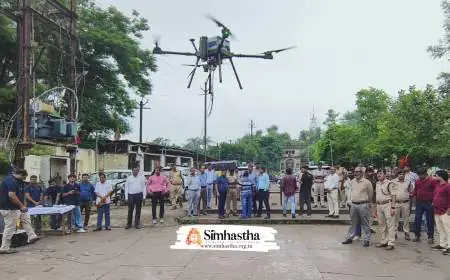
The Simhastha 2028 is being conceived as India's first truly digital Kumbh, and the budget allocation for technology and digital infrastructure has accordingly swelled to an estimated ₹300 to ₹400 crore. The nerve centre of this spend is the Integrated Command and Control Centre (ICCC) , a facility being custom-built in collaboration with IIT Indore. The ICCC budget covers the installation of over 5,000 CCTV cameras, drone surveillance feeds, mobile tower triangulation data integration, and the AI-powered predictive analytics engine that will forecast crowd surges six hours in advance. It also funds the unified mobile application for pilgrims, the digital ticketing and common mobility card system, the geotagged sanitation monitoring network, and the deployment of temporary telecom infrastructure—including deployable cell towers and satellite backhaul—to ensure the network does not collapse under the load of millions of simultaneous users. The digital budget also includes provisions for cybersecurity, a critical consideration given the high-profile nature of the event. In essence, this allocation buys a digital omniscience that will allow a handful of operators in a control room to see, predict, and manage the movements of ten crore people. It is an unprecedented expenditure on the software of crowd management, and it reflects a deep institutional learning from the analog chaos of past Melas. 📡
Trending Guides Now

Ujjain Airport Project: A Historic Leap Before Simhastha 2028
Government Doubles Powers of Ujjain Mayor and Commissioner Ahead of Simhastha 2028
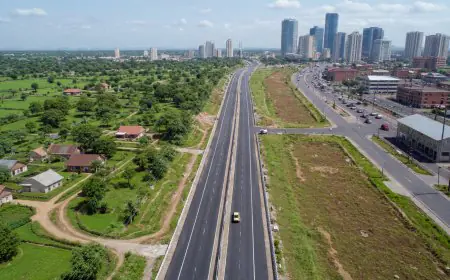
Indore–Ujjain Six-Lane Highway nearing completion — big step for regional growth!
Indore–Ujjain Six Lane Highway Update 2025: Completion Timeline & Simhastha Impact

Ujjain Railway Station to Mahakaleshwar Temple Distance (2026 Guide)

Ujjain Simhastha 2028 Dates Announced: Full Shahi Snan & Event Timeline

Benefits of Becoming a Simhastha Volunteer

Ujjain Travel During Shravan Month: What Changes for Visitors
Health, Safety, and the Medical Shield for Millions
The health and medical services budget for Simhastha 2028 is a critical and substantial allocation, estimated at ₹200 to ₹300 crore. This does not just cover a few first-aid tents. The budget is building a four-tier medical fortress. It funds the establishment of 120 first-aid posts and 48 mini-hospitals with 30 to 50 beds each, equipped with small operating theatres and labour rooms. It finances six large sector hospitals with specialist care in cardiology, orthopaedics, and infectious diseases. It covers the upgradation of the Ujjain District Hospital and the integration of the entire network through a telemedicine platform linking first-aid posts to specialists at AIIMS Bhopal and Delhi. The allocation also pays for 500 additional 108 emergency ambulances, including river ambulances stationed at the major bathing ghats to respond to drowning incidents. The budget for medical supplies—ORS packets, emergency drugs, and preventive medicines—is being stockpiled at levels that rival pandemic preparedness. A separate sub-allocation covers the fire safety infrastructure, including temporary fire stations within the Mela grounds and the deployment of trained personnel. The financial message is unambiguous: the life of every pilgrim, rich or poor, is being insured by a robust, multi-crore medical safety net. 🚑
Power, Water, and the Invisible Utilities
Beneath the grand temples and the temporary tent cities, an invisible web of utilities is being laid, and its budget runs into several hundred crores. The power infrastructure for the Mela, including two new 220 KV substations, underground cabling in the core Mela zone, and 50 MW of solar power arrays, is being funded to ensure that the entire temporary city—the hospitals, the command centre, the water pumps—never loses power. The budget also covers the installation of energy-efficient LED lighting across the entire Mela area, drastically reducing the power load. The drinking water budget is equally significant. A dedicated Simhastha water grid, drawing Narmada water through the existing pipeline and treating it at a new 200 MLD plant, is being built. The cost covers the network of 2,000 water ATMs, 5,000 tap points, and mobile tankers. Crucially, a provision for free ORS distribution kiosks at high-density points is included. These utilities are the silent guardians of the Mela; their failure would be catastrophic, and the budget reflects an acute awareness of this. The money is being spent not on things that will be seen, but on things that, if they failed, would be felt by every single pilgrim. ⚡
The Temporary City, Akhara Camps, and Pilgrim Accommodation
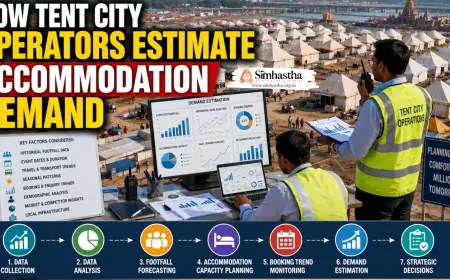
A significant portion of the Simhastha 2028 budget is allocated to the construction of the temporary city that will house pilgrims for the month-long festival. This includes the massive tent city installations, with a combined capacity of five to eight lakh pilgrims, stratified into premium, standard, and budget shivirs. The budget covers the tendering for these camps, the provision of basic amenities within them, and the creation of the community kitchens (langars) and dining areas. Funding is also directed toward the land development and basic infrastructure for the Akhara camps, including the allocation of land, temporary road access, and water and power connections to each of the thirteen major akharas. The parking plazas on the city's periphery, capable of holding tens of thousands of vehicles, are a major capital expense, as is the shuttle bus fleet that will connect these lots to the ghats. This temporary city is, in effect, one of the largest human habitations on the planet for a month, and its budget reflects the immense logistical challenge of creating a functional, liveable urban environment from scratch on open agricultural land. 🏕️
The Permanent Legacy and the Long-Term Civic Upgrade
One of the most intelligent aspects of the budget allocation strategy for Simhastha 2028 is the deliberate, embedded funding for projects that will permanently upgrade Ujjain's civic infrastructure. The expanded sewerage network, the new sewage treatment plants, the drinking water grid, and the underground electricity cabling are not being dismantled after the Mela; they are permanent gifts to the city. The ring roads and bridges will serve Ujjain's residents for decades, opening up new economic corridors and reducing daily commute times. The digital infrastructure, including the fibre optic backbone and the ICCC, is designed to function as Ujjain's permanent Smart City command centre. The ghat improvements and riverfront beautification are permanent amenities that will enhance the city's appeal as a year-round pilgrimage destination. This dual-use strategy means that the Simhastha budget is not a one-time consumption expenditure; it is a massive, accelerated capital investment in the city's future. The central and state governments are using the Kumbh as a catalyst to compress a decade's worth of urban development into a three-year sprint, and the budget is structured to ensure that the citizens of Ujjain are the ultimate, long-term beneficiaries. ✅
The Final Tally and a Pilgrim's Reading of the Ledger
The Simhastha 2028 budget, which will likely exceed ₹6,000 crore by the time the final supplementary demands are accounted for, can be read as a spiritual document in its own right. The largest offerings are not being made at the sanctum of Mahakaleshwar, but at the altars of clean water, safe roads, and human dignity. The crores spent on the Shipra's purity, on the Eastern Bypass, and on the bio-digester toilets are, in a sense, the most profound acts of collective worship a government can perform. They are the material manifestation of the ancient Vedic prayer, "Sarve bhavantu sukhinah"—"May all be happy, may all be free from illness, may all see what is auspicious, may no one suffer." Every budget line, from the gigantic bridge piers to the smallest ORS packet, is an operationalized blessing. As a pilgrim, when you walk on the smooth new road, drink clean water from a tap, and find a clean toilet waiting for you, you are experiencing the direct, tangible fruit of this multi-thousand-crore prayer. The bills have been paid, the contracts signed, and the funds released, all so that you, the pilgrim, can focus on what is truly important: the sacred dip, the darshan of Mahakal, and the quiet, inner transformation that is the true purpose of your journey. 🔱

Frequently Asked Questions