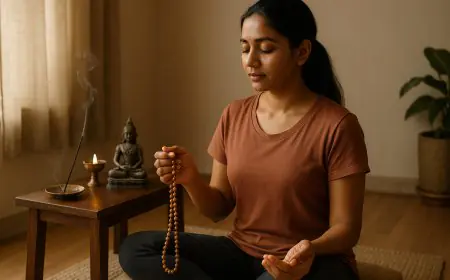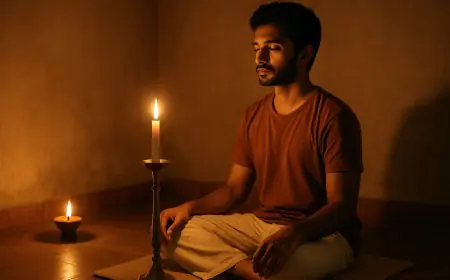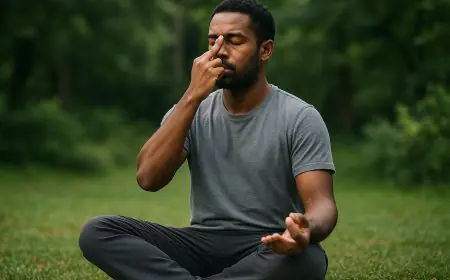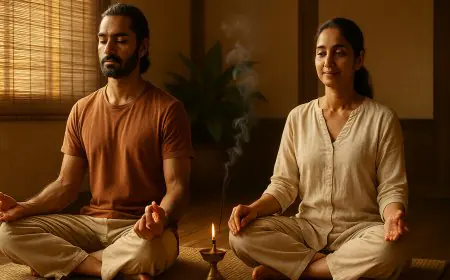
































Meditation in Sports Psychology and Performance: Unlocking Mental Strength for Athletes
Learn how meditation enhances sports psychology by sharpening focus, improving reaction time, reducing pressure anxiety, increasing resilience and boosting athletic performance naturally.


Meditation in Sports Psychology and Performance
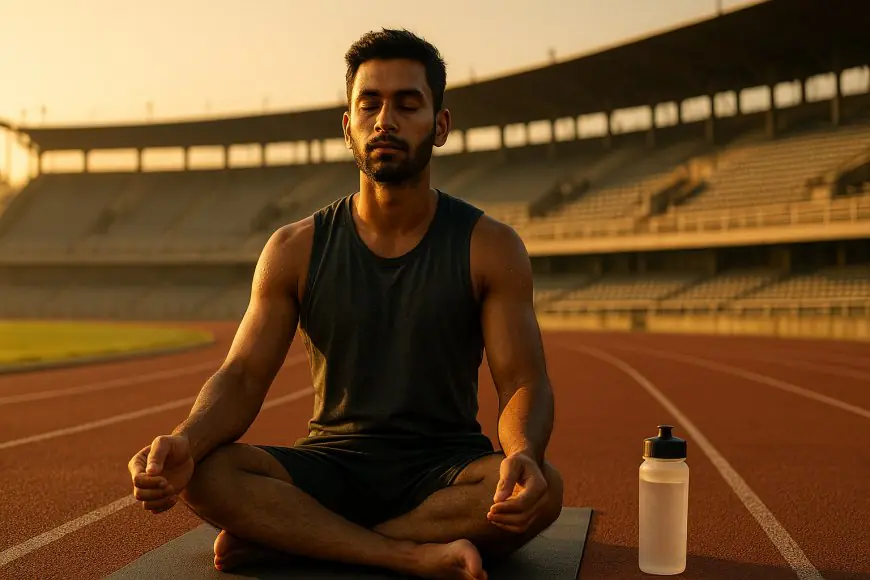
The world of sports has always celebrated physical strength, stamina and technique — but behind every champion lies a powerful mind. Modern sports psychology now confirms what ancient traditions already knew: victory begins in the mind long before it happens on the field. Meditation has become one of the most valuable tools in athletics because it trains mental strength, emotional control and deep focus — the invisible qualities that separate good athletes from great athletes.
Whether a player is competing under stadium lights or simply training alone, the ability to remain calm, confident and fully focused determines performance. Meditation is now integrated into programs of Olympic athletes, world-class cricketers, football teams, tennis players, swimmers, marathon runners and mixed martial artists because it gives them an inner advantage when pressure is at its peak.
Why the Mind Matters More Than Muscles
During competition, athletes often struggle not because of lack of skill, but because of:
-
Anxiety
Trending Guides Now
Kundalini Meditation: A Safe and Simple Guide to Awakening Inner Energy
Gaze Meditation: Improving Concentration Naturally with Candle Flame Trataka
Indian Meditation Traditions: Journey from the Vedas to Modern Day Practices

Chanting Meditation for Beginners: Easy Steps to Start Mantra Chanting

Ujjain Railway Station to Mahakaleshwar Temple Distance (2026 Guide)

Ujjain Simhastha 2028 Dates Announced: Full Shahi Snan & Event Timeline

Ujjain Simhastha Update: CM Mohan Yadav Reviews 2028 Works

Karkateshwar Mahadev: 22/84 Mahadev of Ujjain
-
Distraction
-
Negative self-talk
-
Fear of failure
-
Pressure from expectations
-
Emotional imbalance after mistakes
These mental disruptions slow reflexes, reduce confidence and interrupt muscle memory.

Meditation stabilises the brain, allowing athletes to enter a high-performance state called flow — where movements feel effortless, intuition becomes sharp and performance reaches its peak.
How Meditation Trains the Athlete’s Brain
Meditation directly benefits key psychological abilities required in high-performance sports:
| Mental Skill | Result |
|---|---|
| Focus | Athletes stay locked on the game without distraction |
| Reaction Time | Faster decision-making and sharper reflexes |
| Emotional Control | Calmness under pressure and in competition |
| Resilience | Ability to bounce back after mistakes |
| Confidence | Trust in training and instinct |
| Visualization | Clear mental rehearsal of success |
A physically trained athlete becomes unstoppable when the mind joins the body as a unified force.
Meditation Improves Focus and Reaction Time
Sports require micro-seconds of decision-making. Meditation strengthens brain networks responsible for:
-
Concentration
-
Split-second analysis
-
Situational awareness
-
Anticipation of opponent movements
Athletes remain present in each moment instead of getting distracted by previous mistakes or future concerns.
Anxiety Reduction and Pressure Management
Meditation reduces cortisol and nervous tension. Before a big match, athletes often feel:
-
Tight chest
-
Fast heartbeat
-
Overthinking
-
Fear of losing
Meditation activates the parasympathetic nervous system, shifting the brain into a calm, confident state. Instead of fighting pressure, athletes learn to transform it into fuel.
Visualization Meditation for Sports Performance
Many champions use visualization before training and matches. In this form of meditation, athletes imagine:
-
Perfect technique
-
Successful moves
-
Confidence and control
-
Victory moment and celebration
The brain responds as if the action has already happened, strengthening neural circuits that support actual performance.
Meditation Enhances Muscle Memory and Coordination
When the nervous system is stable, muscles respond more fluidly. Research shows that meditation improves:
-
Hand–eye coordination
-
Timing and rhythm
-
Body awareness
-
Balance and posture
These qualities matter in every sport — cricket, athletics, football, tennis, wrestling, swimming, archery and more.
Emotional Resilience After Mistakes
The best athletes are not the ones who never fail — but those who recover quickly. Meditation helps players:
-
Avoid frustration after missed chances
-
Stay emotionally neutral
-
Reset the mind instantly
-
Return to peak focus within seconds
This gives a competitive advantage when tournaments, matches or rounds are long.
Meditation for Injury Recovery and Comeback
Injuries are not only physical — they impact confidence and identity. Meditation supports healing because it:
-
Reduces stress chemicals that slow recovery
-
Helps manage fear of re-injury
-
Keeps motivation alive while off the field
-
Supports sleep and mental rest
A clear mind helps the body heal faster.
Why Meditation Builds Champions
Long-term meditators develop a stable athletic personality:
-
Calm under pressure
-
Confident yet humble
-
Focused yet relaxed
-
Competitive yet disciplined
-
Fearless yet patient
When the mind becomes an ally instead of an enemy, performance becomes consistent and powerful.
Every Level of Athlete Can Benefit
Meditation is not only for elite players. It supports:
-
School and college students in sports
-
Amateur players
-
Fitness and gym athletes
-
Professionals in national and international sports
10 minutes a day can transform performance — even without equipment.
Frequently Asked Questions