


















Common Mistakes in Breathing Meditation and How to Fix Them
Avoid the most common breathing meditation mistakes. Learn how to fix posture, breath rhythm, focus issues, and enhance your meditation experience naturally.
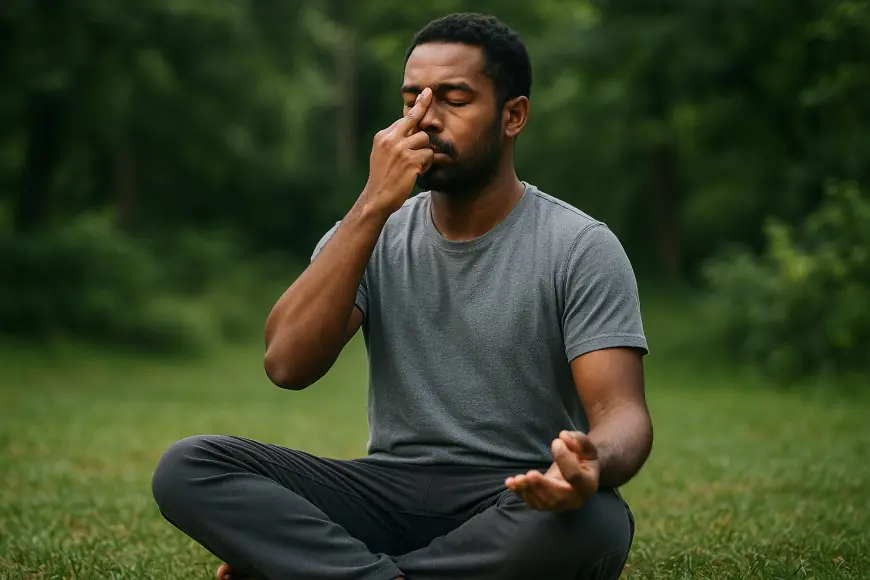


Introduction — Breathing Meditation Is Simple, But Easy to Misunderstand
Breathing meditation is one of the most beginner-friendly forms of meditation. You don’t need equipment, a special space, or even prior experience. All you need is your breath — something you’ve had since birth.
Yet despite its simplicity, people unknowingly make mistakes that limit the benefits.
These mistakes are common, natural, and easy to correct once you understand how breathing meditation actually works.
In this detailed guide, you’ll learn the 10 most common mistakes people make during breathing meditation, why they happen, and exactly how to fix each one so you can meditate with ease, comfort, and clarity.
1. Breathing Too Fast or Too Deeply
Mistake:
Beginners often try to “take big breaths” because they assume deeper = better.
This creates tension, dizziness, or mental agitation.
Trending Guides Now
Kundalini Meditation: A Safe and Simple Guide to Awakening Inner Energy
Gaze Meditation: Improving Concentration Naturally with Candle Flame Trataka

Indian Meditation Traditions: Journey from the Vedas to Modern Day Practices
Chanting Meditation for Beginners: Easy Steps to Start Mantra Chanting

Ujjain Railway Station to Mahakaleshwar Temple Distance (2026 Guide)

Ujjain Simhastha 2028 Dates Announced: Full Shahi Snan & Event Timeline

Ujjain Simhastha Update: CM Mohan Yadav Reviews 2028 Works

Karkateshwar Mahadev: 22/84 Mahadev of Ujjain
Why it happens:
People think meditation requires dramatic breathing changes.
How to fix it:
-
Breathe naturally
-
Let the breath be quiet and comfortable
-
Inhale gently, exhale longer than inhale
Correct pattern:
4 seconds inhale → 6 seconds exhale
Slow breathing calms the mind far more effectively than forceful breaths.

2. Trying Too Hard to Control the Breath
Mistake:
Forcing breath rhythm instead of allowing it to flow naturally.
Why it happens:
We’re used to “doing” something, not simply observing.
Fix:
Breathing meditation is about watching the breath, not controlling it.
Let the breath settle on its own — your role is to observe.
If breath becomes shallow, simply relax the body — the breath will deepen itself.
3. Slouching or Sitting in an Uncomfortable Posture
Mistake:
Hunched back, stiff neck, raised shoulders, or awkward sitting positions.
Why it happens:
Beginners try to “look meditative” instead of being comfortable.
Fix:
-
Sit upright but relaxed
-
Keep shoulders soft
-
Place hands on knees or lap
-
Use a cushion or chair if needed
Comfort improves breathing quality and awareness.
4. Over-Focusing on Breath to the Point of Stress
Mistake:
Trying too hard to “catch” every breath sensation.
Why it happens:
Beginners fear they are meditating incorrectly.
Fix:
Focus gently — not intensely.
Breathing meditation is soft attention, not laser-like concentration.
If focus becomes uncomfortable, expand awareness to the whole body for a minute.
5. Getting Frustrated When the Mind Wanders
Mistake:
Thinking “I can’t meditate” because thoughts appear.
Why it happens:
People assume meditation = zero thoughts.
Fix:
Mind wandering is normal.
Every time you return to the breath, you’re meditating perfectly.
Breath awareness is like a gentle anchor — keep coming back.
6. Creating Tension in the Jaw, Face, or Shoulders
Mistake:
Unnecessary muscle tension.
Why it happens:
Stress patterns remain active even while sitting.
Fix:
Before meditation, relax:
-
jaw
-
shoulders
-
neck
-
eyebrows
-
hands
Relaxed muscles allow deeper breathing and quieter thoughts.
7. Breathing Through the Mouth Instead of the Nose
Mistake:
Mouth-breathing disrupts relaxation and nervous system balance.
Fix:
Always breathe through your nose.
It:
-
filters air
-
warms air
-
slows breath
-
supports meditative calm
If your nose is blocked, gently return to nasal breathing when possible.
8. Meditating With Too Many Expectations
Mistake:
Expecting instant calm, spiritual experiences, or sudden enlightenment.
Why it happens:
People compare themselves to others or chase quick results.
Fix:
Meditation works best when you drop expectations.
Focus on the experience, not the outcome.
Calmness grows naturally.
9. Meditating for Too Long Too Soon
Mistake:
Beginners sit for 20–30 minutes and end up feeling restless.
Fix:
Start with:
-
5 minutes
-
then 8 minutes
-
then 10–12 minutes
-
eventually 15–20 if desired
Time grows with habit.
10. Meditating in a Distracting Environment
Mistake:
Practicing in a noisy or chaotic place.
Fix:
Choose a quiet spot or reduce stimulus:
-
dim lights
-
silent phone
-
breathable clothing
-
comfortable room temperature
This makes meditation smoother.
Advanced Tips to Improve Breathing Meditation
✔ Add longer exhalations
✔ Meditate at the same time daily
✔ Use a soft timer
✔ Practice belly breathing
✔ Observe pauses between breaths
✔ Let the breath become your anchor
These deepen awareness and calm the nervous system.
Why Fixing These Mistakes Matters
Correct breathing meditation helps you:
-
calm anxiety
-
reduce stress
-
improve focus
-
balance emotions
-
enhance sleep
-
increase mindfulness
Small adjustments create big shifts in your meditation results.
Conclusion — A Better Breathing Practice Begins With Awareness
Breathing meditation doesn’t require perfection.
It requires patience, comfort, and gentle awareness.
When you remove common mistakes, the breath becomes clearer, deeper, and naturally calming.
You don’t fix the breath.
You fix the conditions around the breath — and the breath fixes the mind.
Frequently Asked Questions