












Indian Meditation Traditions: Journey from the Vedas to Modern Day Practices
Discover the evolution of Indian meditation traditions from the Vedic era to modern times, exploring yogic practices, Buddhist meditation, Tantra, Bhakti, Kundalini and contemporary mindfulness.


Indian Meditation Traditions: From Vedas to Today
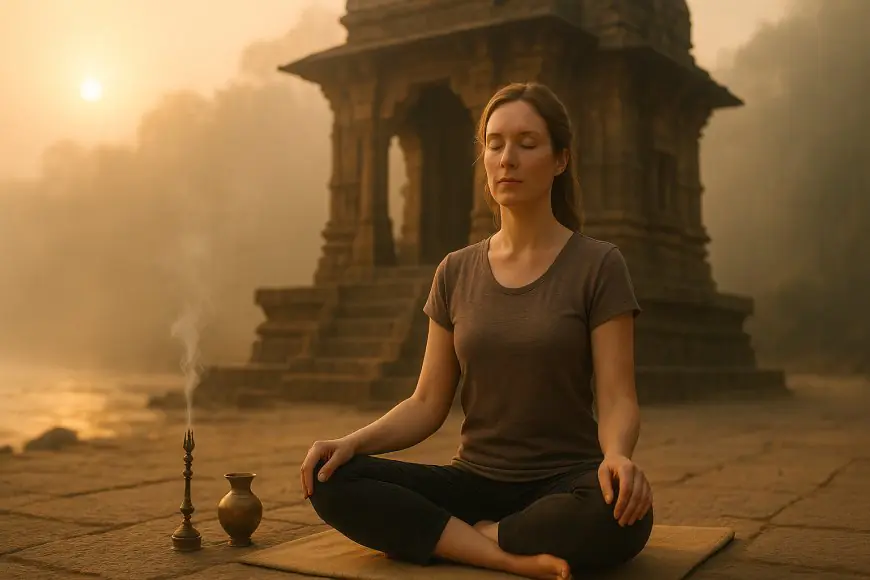
India is the birthplace of the world’s most influential meditation systems. For thousands of years, seekers, yogis, sages and monks refined techniques to understand consciousness, emotions and the human mind. What began as mystical exploration in the Vedas has today become a global movement for peace, clarity and well-being.
The evolution of Indian meditation is not a shift from old to new — it is a continuous unfolding of inner discovery, shaped by culture, philosophy and spiritual experimentation.
Vedic Period — The Birth of Meditation
The earliest references to meditation are found in the Rig Veda (≈1500 BCE). Meditation was practiced to connect with cosmic order (Rita), understand existence and realize the Self (Atman).
Techniques included:
Trending Guides Now
Using Mala Beads in Meditation Practice: A Complete Beginner’s Guide
Trataka Meditation in Indian Yogic System: Candle Gazing for Concentration and Inner Clarity
Candle Gazing Meditation (Trataka): A Complete Beginner’s Guide to Method and Benefits
Common Mistakes in Breathing Meditation and How to Fix Them

Ujjain Railway Station to Mahakaleshwar Temple Distance (2026 Guide)

Ujjain Simhastha 2028 Dates Announced: Full Shahi Snan & Event Timeline

Ujjain Simhastha Update: CM Mohan Yadav Reviews 2028 Works
Ujjain Railway Station to Kal Bhairav Temple: Distance, Auto Fare and Best Route
-
Silent contemplation
-
Breath awareness
-
Fire (Agni) visualization
-
Mantra chanting
Purpose: Union with the cosmic truth.
Upanishads — Meditation Becomes a Science of Consciousness
The Upanishads transformed meditation into a philosophical and experiential science.

Core practices:
-
Self-inquiry: “Who am I?”
-
Witness consciousness
-
OM meditation
-
Withdrawal of senses (Pratyahara)
They introduced a revolutionary idea:
Liberation is not after death — liberation is inner realization in this life.
Patanjali & Raja Yoga — System of Yogic Meditation
In 200 BCE, Patanjali encoded meditation into an 8-step path (Ashtanga Yoga).
Stages leading to meditation:
-
Ethical living (Yama, Niyama)
-
Posture (Asana)
-
Breath regulation (Pranayama)
-
Withdrawal of senses (Pratyahara)
-
Concentration (Dharana)
-
Meditation (Dhyana)
-
Absorption (Samadhi)
Aim: Complete stillness of mind.
Tantra & Kundalini — Energy-Based Meditation
Between 600–900 CE, Tantra emerged with the concept of Shakti (inner power).
Key techniques:
-
Energy visualization
-
Chakra activation
-
Kundalini awakening
-
Mantra + breath combinations
-
Mudras and bandhas
Purpose: Awaken life-force (Kundalini) for higher awareness.
Bhakti Movement — Meditation of Devotion
Between 1200–1600 CE, meditation shifted to devotion and emotional expression.
Forms:
-
Chanting divine names
-
Singing (Kirtan)
-
Surrender prayer
-
Heart-centered meditative love
Goal: Union with the divine through love rather than discipline.
Buddhist Contribution — Vipassana and Loving-Kindness
Siddhartha Gautama (The Buddha) redefined meditation into a path of awareness and compassion.
Major innovations:
-
Vipassana (Insight)
-
Metta (Loving-Kindness)
-
Breath awareness (Anapanasati)
-
Zazen-like stillness
Focus: Observe everything, react to nothing.
Sikh and Sufi Traditions in India
The spiritual melting pot of India shaped new meditation blends:
-
Sikh — Naam Simran (remembrance of Divine Name)
-
Sufi — Heart-centered breath meditation and whirling practice
Both emphasize love-based spiritual experience.
Modern Evolution — Meditation for Well-Being
Today, meditation has global applications:
| Tradition Root | Modern Form |
|---|---|
| Yoga | Mindfulness + breathwork |
| Buddhism | Insight & non-reaction meditation |
| Bhakti | Kirtan and mantra chanting |
| Tantra | Kundalini yoga and chakra healing |
| Vedic | OM meditation and self-inquiry |
The modern world seeks the same peace that ancient seekers pursued — through updated methods, classrooms, apps, centers and retreats, but carrying Indian roots at the core.
Final Thought
Indian meditation is not one technique — it is a river of traditions, flowing for thousands of years through different philosophies, cultures and personal experiences. Yet all paths point to one destination:
Inner peace through awareness.
India gave the world not a religion of meditation, but a science of consciousness — a gift that continues to heal humanity today.
Frequently Asked Questions