


















Loving-Kindness vs Vipassana Meditation: Key Differences and When to Practice Each
Understand the clear difference between Loving-Kindness Meditation and Vipassana, their goals, benefits, techniques, and which method suits different emotional and mental needs.
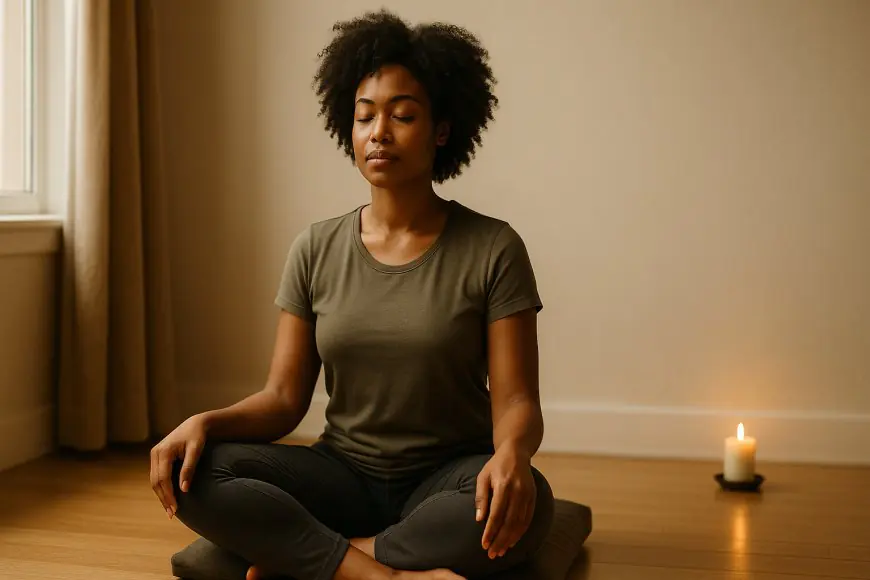


Loving-Kindness Meditation (Metta) focuses on cultivating compassion, positive emotions, and goodwill toward oneself and others through repeated phrases, while Vipassana Meditation develops insight and awareness by observing thoughts, sensations, and breath without reaction. Choose Metta meditation when you want to improve emotional warmth and healing, and practice Vipassana when your goal is deep self-awareness, clarity, and understanding of the mind.
Loving-Kindness vs Vipassana: Key Differences
Loving-Kindness Meditation (Metta) and Vipassana Meditation are two of the most practiced Buddhist-origin meditation techniques in the world. Although both cultivate awareness and inner peace, their approach, purpose and internal experience are very different.
Where Loving-Kindness opens the heart with compassion, Vipassana sharpens the mind with insight. One focuses on emotional warmth, the other on experiential wisdom. Together or individually, both can transform mental and emotional well-being — but they work in very different ways.
These two meditation styles are like two different paths through the same inner landscape. One softens the heart, the other sharpens perception. Loving-Kindness Meditation (Metta) gently expands your emotional world, while Vipassana Meditation quietly reveals how that world actually works.
Trending Guides Now
Kundalini Meditation: A Safe and Simple Guide to Awakening Inner Energy
Gaze Meditation: Improving Concentration Naturally with Candle Flame Trataka

Indian Meditation Traditions: Journey from the Vedas to Modern Day Practices

Chanting Meditation for Beginners: Easy Steps to Start Mantra Chanting

Ujjain Railway Station to Mahakaleshwar Temple Distance (2026 Guide)

Ujjain Simhastha 2028 Dates Announced: Full Shahi Snan & Event Timeline

Ujjain Simhastha Update: CM Mohan Yadav Reviews 2028 Works

Karkateshwar Mahadev: 22/84 Mahadev of Ujjain
Both belong to ancient traditions, both are powerful, but they serve different purposes. Understanding when to use each is what turns meditation from a habit into a skill.
Core Difference: Emotion vs Observation
Loving-Kindness Meditation (Metta)
- Focuses on generating compassion, love, and emotional positivity
- Uses repeated phrases like “May I be happy, may others be safe”
- Actively creates a mental state
Vipassana Meditation
- Focuses on observing reality as it is
- No repetition, no imagination, just awareness of breath, body, and thoughts
- Does not create, it reveals
In simple terms:
Metta builds feelings. Vipassana observes them.
How Each Practice Feels
- Metta Meditation feels warm, like lighting a lamp inside the chest
- Vipassana Meditation feels clear, like cleaning a foggy mirror
One nourishes, the other clarifies.
When to Practice Loving-Kindness (Metta)
Choose Loving-Kindness Meditation when you are experiencing:
- Emotional stress or loneliness
- Anger, resentment, or relationship tension
- Lack of self-love or confidence
- Need for emotional healing
It helps soften inner resistance and creates a sense of connection.
When to Practice Vipassana
Choose Vipassana Meditation when you want:

- Strong focus and awareness
- To understand your thought patterns
- Freedom from overthinking and reactivity
- Deep mental clarity and discipline
It trains you to observe without reacting, which is the root of mental stability.
Can You Practice Both Together?
Yes, and in fact, they complement each other beautifully.
- Start with Vipassana to develop awareness
- End with Metta Meditation to cultivate compassion
This combination creates both clarity and kindness, like having both a sharp mind and a soft heart.
Core Difference in Purpose
| Technique | Main Purpose |
|---|---|
| Loving-Kindness (Metta) | Emotional healing, compassion, forgiveness |
| Vipassana | Insight into the nature of mind and reality |
Metta softens the heart.
Vipassana clarifies the mind.
Internal Experience During Practice
| Quality | Loving-Kindness | Vipassana |
|---|---|---|
| Emotion | Warm, gentle, kind | Neutral awareness |
| Focus | Friendly phrases & feelings | Breath, sensations & thoughts |
| Energy | Expanding outward | Observing inward |
| Goal | Unconditional love | Understanding impermanence |
Metta builds positive emotions.
Vipassana dissolves reactive patterns.
Technique Breakdown
1️⃣ Loving-Kindness Meditation (Metta)
Purpose: Expand compassion and goodwill toward self and others.
Common phrases:
-
May I be happy
-
May I be safe
-
May I be peaceful
-
May I live with ease
Progression of attention:
-
Self
-
Loved ones
-
Neutral people
-
Difficult people
-
All beings
Results:
-
Reduced anger, guilt, loneliness and jealousy
-
Increased empathy and self-worth
Loving-Kindness is best when the heart feels heavy.
2️⃣ Vipassana Meditation
Purpose: Observe sensations, thoughts and emotions without reaction.
Process:
-
Natural breath awareness
-
Body sensations head-to-toe
-
Watching thoughts without attachment
Results:
-
Reduced overthinking and emotional reactivity
-
Deep clarity and inner calm
-
Dissolving lifelong patterns of stress
Vipassana is best when the mind feels crowded and restless.
Emotional Healing vs Insight Practice
| Category | Loving-Kindness | Vipassana |
|---|---|---|
| Focus | Emotional opening | Non-reactive observation |
| Healing | From inner hurt | From mental habits |
| Experience | Warmth & kindness | Stillness & neutrality |
| Transformation | Replaces negative emotions | Releases emotional triggers |
Neither technique is superior — they simply serve different needs.
When Loving-Kindness Works Best
Choose Metta when experiencing:
-
Hurt or heartbreak
-
Loneliness
-
Anger or resentment
-
Shame or self-criticism
-
Relationship struggles
Loving-Kindness repairs emotional wounds.
When Vipassana Works Best
Choose Vipassana when experiencing:
-
Constant overthinking
-
Anxiety or fear
-
Emotional reactivity
-
Identity or ego conflict
-
Desire for deep self-awareness
Vipassana reveals inner truth without judgment.
Should They Be Practiced Together?
Yes — when used together, the transformation becomes powerful:
Metta softens the emotional world of the heart.
Vipassana gives clarity in the mental world of thoughts.
The balance creates a healthy foundation:
-
Emotion without clarity = confusion
-
Clarity without emotion = coldness
Together, they create stable emotional peace and deep understanding.
Final Thought
Loving-Kindness teaches the heart to feel without fear.
Vipassana teaches the mind to see without distortion.
Whether you start with compassion or insight, both paths lead to inner freedom — the peace that does not depend on external conditions.
Frequently Asked Questions