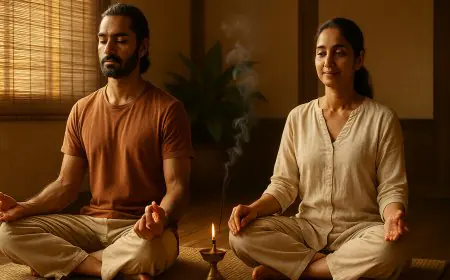



















Kundalini Meditation: A Safe and Simple Guide to Awakening Inner Energy
Explore a gentle, beginner-friendly approach to Kundalini Meditation that awakens inner energy safely through breath, awareness, grounding, and mindfulness.



Introduction — The Gentle Awakening Within
Kundalini Meditation is one of the most spoken-about forms of meditation in the world—often surrounded by mystery, symbolism, and misconceptions. In yogic tradition, Kundalini represents the dormant inner energy that lies at the base of the spine. When awakened gently and naturally, this energy promotes clarity, creativity, emotional balance, and a deep sense of inner harmony.
However, true Kundalini Meditation does not involve forceful or advanced practices. For most people, Kundalini awakens slowly through mindfulness, breath awareness, posture, grounding, and emotional clarity. This beginner-friendly version is powerful, safe, and aligned with the broader purpose of meditation: self-understanding and inner balance.
In this guide, you will learn a gentle approach to Kundalini Meditation suitable for everyday practitioners, without complex yogic techniques or risky breathwork.
What Is Kundalini Energy? (Beginner-Friendly Explanation)
Kundalini is described in yogic texts as a subtle potential energy located at the base of the spine (Muladhara Chakra). It is often symbolized as a coiled serpent—not literally, but metaphorically—representing:
Trending Guides Now
Using Mala Beads in Meditation Practice: A Complete Beginner’s Guide

Trataka Meditation in Indian Yogic System: Candle Gazing for Concentration and Inner Clarity
Candle Gazing Meditation (Trataka): A Complete Beginner’s Guide to Method and Benefits
Common Mistakes in Breathing Meditation and How to Fix Them

Ujjain Railway Station to Mahakaleshwar Temple Distance (2026 Guide)

Ujjain Simhastha 2028 Dates Announced: Full Shahi Snan & Event Timeline

Ujjain Simhastha Update: CM Mohan Yadav Reviews 2028 Works

Karkateshwar Mahadev: 22/84 Mahadev of Ujjain
-
dormant potential
-
inner power
-
creativity
-
life-force energy (prana)
-
consciousness
When this energy begins to move upward, it nourishes the chakras, leading to mental clarity, emotional stability, and deep awareness.

Important Clarification
Kundalini Meditation for beginners does not involve forceful awakening. True spiritual awakening is always:
-
gradual
-
natural
-
safe
-
guided by awareness
-
grounded in the body
This blog follows that safe and accessible approach.
Benefits of Kundalini Meditation (Gentle & Safe)
1. Emotional Balance
Calms overwhelming emotions, helping you respond—not react.
2. Mental Clarity
Clears mental fog and improves intuitive thinking.
3. Improved Focus & Presence
Strengthens your connection to the present moment.
4. Increased Vitality & Lightness
Breath-driven awareness rejuvenates the body.
5. Chakra Alignment
Energy begins to flow more evenly along the spine.
6. Inner Stability & Grounding
You feel rooted, centered, and mentally steady.
7. Deeper Self-Awareness
Gently exposes patterns, habits, and subconscious behavior.
These benefits make Kundalini Meditation ideal for modern stress-filled lives.
How Kundalini Meditation Works (Simplified)
Kundalini Meditation combines:
-
breathing
-
posture
-
attention on the spine
-
awareness of sensations
-
mantra or silence
-
grounding
These practices activate the parasympathetic nervous system, reduce stress, and gently stimulate energy awareness in the spine.
There is no pushing, forcing, or trying to awaken something dramatically.
Step-by-Step Kundalini Meditation for Beginners
This method is safe, gentle, and ideal for daily use.
Step 1: Sit Comfortably with a Straight Spine
Use a cushion, chair, or mat.
Ground your sit bones and relax your shoulders.
A straight spine helps energy flow naturally.
Step 2: Take 7 Slow Deep Breaths
Inhale through the nose → soft exhale
Let the breath relax the body.
Do not control the breath aggressively.
Step 3: Bring Awareness to the Base of the Spine
Focus gently on the tailbone area.
Feel grounding, warmth, and stability.
There is no need to visualize a serpent—just a sense of presence.
Step 4: Visualize a Soft Warm Glow
Imagine a small golden or red glow at the base of the spine.
Let it be:
-
soft
-
warm
-
calm
-
natural
Avoid bright or intense images.
Step 5: Allow the Breath to Rise Naturally
As you breathe, imagine your breath moving gently upward along the spine.
Not forced—just sensed.
Step 6: Focus on the Spine (Sushumna Awareness)
Feel the central channel of the spine:
-
stable
-
tall
-
open
Hold a calm awareness.
Step 7: Chant a Gentle Mantra (Optional)
You may silently repeat:
-
“So-Ham” (I am That / Natural Breath Mantra)
-
or “Sat Nam” (Truth is my Identity)
-
or simply focus on breath
This stabilizes the mind.
Step 8: Observe Sensations
You may feel:
-
warmth
-
light tingling
-
soft upward flow
-
lightness
-
calmness
These are normal signs of relaxation, not dramatic awakening.
Step 9: Sit in Silent Awareness
For 2–3 minutes, observe inner stillness.
Let energy settle naturally.
Step 10: Ground Yourself Before Ending
Rub your palms, place them on your eyes, exhale softly.
Feel completely present.
Grounding is essential after any energy-focused meditation.
What Kundalini Meditation Should Not Do
A safe practice will NOT cause:
-
intense heat
-
involuntary body movements
-
emotional breakdowns
-
sudden visions
-
dizziness
-
pressure in the spine
If such symptoms occur, reduce intensity or stop.
But with this method, such experiences are unlikely.
Gentle Signs of Kundalini Activation
These signs are subtle, peaceful, and healthy:
-
a sense of inner quiet
-
increased intuition
-
mild tingling during meditation
-
emotional clarity
-
stable confidence
-
deeper breath naturally
-
more presence in daily life
These are signs of balanced energy, not dramatic awakening.
Tips for a Safe Kundalini Meditation Practice
-
Practice regularly, not intensely
-
Keep your body relaxed
-
Avoid forceful breathing
-
Stay hydrated
-
Ground after meditation
-
Do not meditate when emotionally unstable
-
Keep expectations realistic
-
Honor your comfort level
This is how Kundalini was traditionally taught—slow, steady, and safe.
Conclusion — Awakening Without Force
Kundalini Meditation is not about dramatic experiences or sudden spiritual breakthroughs.
It is a gentle awakening of your natural awareness, helping you feel:
-
calmer
-
clearer
-
more intuitive
-
more balanced
-
more connected to yourself
With consistent practice, energy rises slowly, like the sun at dawn—not like lightning.
This is the authentic yogic path.
Frequently Asked Questions