


















Light Visualization Meditation: A Simple Technique for Calmness and Inner Clarity
Learn how light visualization meditation brings calmness, clarity, and emotional balance through simple mental imagery and breath-focused awareness.


Introduction
Light Visualization Meditation is one of the most accessible and soothing forms of meditation available today. Rooted in ancient yogic and contemplative traditions, this practice uses the gentle imagery of light to calm the mind, soften emotional tension, and cultivate inner clarity. Unlike advanced meditation techniques that require structured breathwork or experienced focus, light visualization simply guides your awareness through soft imagery, making it ideal for beginners and regular practitioners alike.
In a world filled with visual overstimulation, deadlines, and mental pressure, visualizing light provides a reset for the mind. It helps you move from scattered thoughts to focused awareness, from emotional heaviness to inner ease. Light symbolizes purity, guidance, strength, and healing across cultures, making it a powerful mental tool for inner transformation.
This blog explains the technique, science, benefits, and simple steps to practice Light Visualization Meditation effectively.
What Is Light Visualization Meditation?
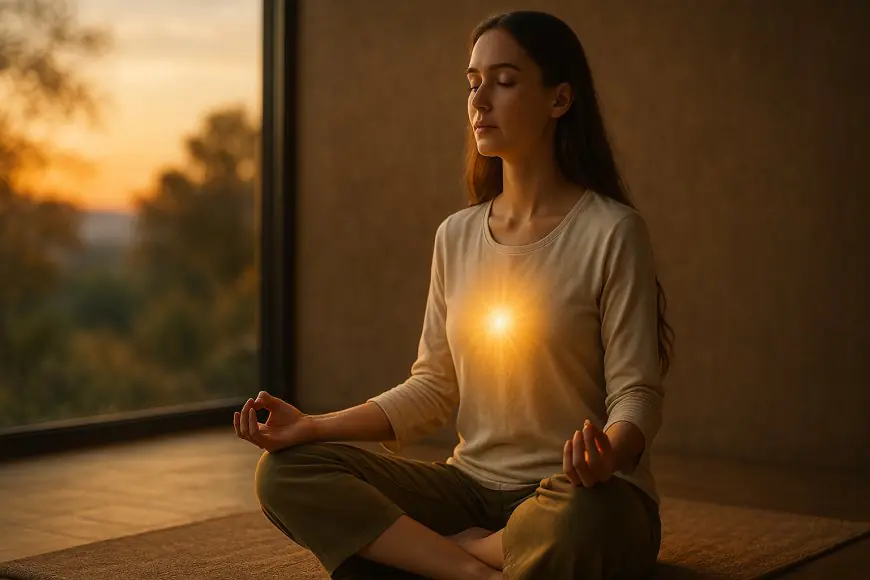
Light Visualization Meditation is the practice of mentally imagining a source of light—white, golden, or soft warm light—and allowing it to fill your body and mind. The light acts as an anchor for mindfulness, creating a soothing internal experience.
Trending Guides Now
Using Mala Beads in Meditation Practice: A Complete Beginner’s Guide

Trataka Meditation in Indian Yogic System: Candle Gazing for Concentration and Inner Clarity
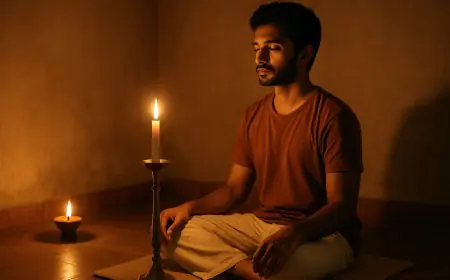
Candle Gazing Meditation (Trataka): A Complete Beginner’s Guide to Method and Benefits

Sanskrit Mantras for Focus and Positivity: Powerful Chants for a Sharp, Calm Mind

Ujjain Railway Station to Mahakaleshwar Temple Distance (2026 Guide)

Ujjain Simhastha 2028 Dates Announced: Full Shahi Snan & Event Timeline

Ujjain Simhastha Update: CM Mohan Yadav Reviews 2028 Works

Karkateshwar Mahadev: 22/84 Mahadev of Ujjain
Unlike complex visualization practices, this technique does not require perfect imagery. The goal is emotional calmness, clarity, and presence—not perfection.
This meditation can be done:
-
sitting
-
lying down
-
during stress
-
before sleep

-
early morning
-
during emotional overwhelm

The technique is flexible and adaptable.
How Light Visualization Meditation Works
Light visualization is effective because it engages both the mind’s imagery center and the emotional regulation centers of the brain. Here’s how it works internally:
1. Activates the Visual Cortex
When you imagine light, your brain responds similarly to when you actually see it. This creates a soothing neurological effect.
2. Encourages Emotional Regulation
Imagery is a powerful emotional tool. Visualizing light reduces anxiety and brings warmth, gentleness, and safety.
3. Supports Breath Awareness
Soft visual focus naturally lengthens and deepens your breath without forcing it.
4. Shifts Brainwaves
The mind moves from active beta waves into calmer alpha and theta states—associated with relaxation and creativity.
5. Reduces Cognitive Overload
Light imagery provides a simple anchor, preventing overthinking and mental chatter from taking over.
Benefits of Light Visualization Meditation
1. Deep Relaxation
Imagining light flowing through the body induces a sense of softness and ease.
2. Reduced Stress and Anxiety
Light has calming symbolism across cultures, helping the mind shift from tension to clarity.
3. Emotional Healing
Warm light imagery supports emotional release and inner comfort.
4. Improved Focus and Clarity
Visualization helps stabilize attention, improving productivity and awareness.
5. Better Sleep Quality
Soft light imagery calms the nervous system before sleep.
6. Enhanced Mind–Body Connection
This technique helps you become more aware of physical sensations and energetic states.
Step-by-Step Light Visualization Meditation Technique
Step 1: Sit or Lie in a Comfortable Position
Choose any posture that keeps your spine relaxed and your body at ease. If sitting, keep your shoulders soft.
Step 2: Close Your Eyes and Take 5 Slow Breaths
Inhale gently through the nose, exhale softly. Allow your exhale to be slightly longer.
Step 3: Visualize a Small Soft Light
Picture a soft white or golden light in front of your chest or above your head.
The light should be subtle, warm, and pleasant.
Step 4: Let the Light Expand Slowly
Imagine the light growing gently with your breath.
On each inhale, it becomes brighter.
On each exhale, it softens.
Step 5: Guide the Light Through Your Body
Visualize the light moving toward:
-
forehead
-
heart
-
abdomen
-
spine
-
shoulders
-
legs
-
hands
Like a warm wave of relaxation.
Step 6: Release Emotional Tension
Imagine the light dissolving stress, heaviness, or mental clutter.
Step 7: Sit in Silent Light
Stay with the imagery for 1–2 minutes.
Let the light surround your whole body.
Step 8: Gently Return
Open your eyes slowly, taking the calmness with you into your day.
Common Experiences During Light Visualization
-
a sense of warmth
-
feeling emotionally lighter
-
slowed breathing
-
inner quietness
-
gentle tingling
-
slight swaying or stillness
-
brighter mental clarity
These are normal responses to calming visualization.
Variations of Light Visualization Meditation
1. White Light Release
Visualize a white light dissolving emotional heaviness.
2. Golden Light Uplift
Imagine a golden sun-like glow filling you with strength and joy.
3. Healing Light Body Scan
Move the light slowly through each body part for relaxation.
4. Inner Flame Meditation
Focus on a tiny inner flame in the heart center that grows brighter.
5. Protective Light Shield
Imagine a soft bubble of light around you for emotional safety.
Tips for a Powerful Practice
-
Keep the imagery gentle, not dramatic
-
Do not force perfect visualization
-
Breathe naturally
-
Use soft background light in the room
-
Practice for 10–15 minutes daily
-
Start with guided versions if needed
-
Allow imagination to move freely
Visualization becomes stronger with consistency.
Conclusion
Light Visualization Meditation is a universal, gentle, and deeply calming practice suitable for everyone. By imagining soft natural light, you guide your mind toward peace, clarity, and emotional balance. The technique requires no special tools—only awareness and softness. With regular practice, it can become a powerful anchor during stress, anxiety, or mental overwhelm.
It reminds us that even when life feels heavy, light is always within reach—within the mind.
Frequently Asked Questions