

















Color Meditation: A Simple Technique to Heal the Mind Through Visual Imagery
Discover how color meditation uses soft visual imagery to calm the mind, reduce stress, and enhance emotional healing through gentle, mindful visualization.


Introduction
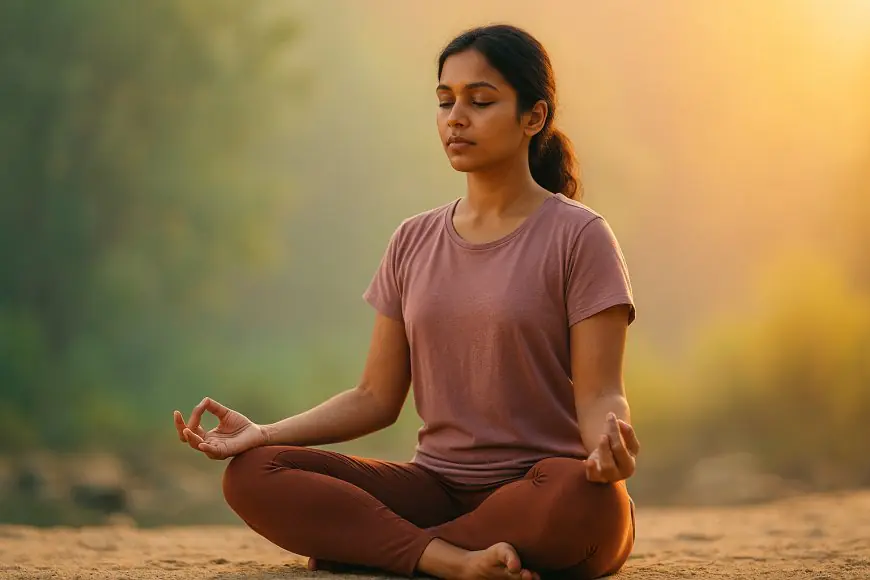
Color Meditation is one of the most naturally calming and emotionally healing forms of meditation. It uses gentle color imagery—soft blues, vibrant greens, golden warmth, or any hue—to shift your mental and emotional state. While visualization is one of humanity’s oldest contemplative tools, color meditation simplifies the process by giving the mind a single, soothing, symbolic anchor to focus on.
In yoga, Ayurveda, and global spiritual traditions, colors are seen as carriers of subtle mental and emotional qualities. For example, blue evokes peace, red symbolizes strength, green supports renewal, and yellow inspires clarity. Color meditation taps into these subtle associations to help you calm the mind, release stress, and embrace a deeper state of inner harmony.
Color Meditation is especially powerful for beginners because the mind finds it easier to engage with gentle imagery than with pure silence. This makes it an ideal practice for anyone struggling with overthinking, emotional heaviness, restlessness, or exhaustion.
What Is Color Meditation?
Color Meditation is a mindfulness technique where you intentionally visualize a specific color—usually soft, warm, and calming—to influence emotional states and improve mental clarity. This practice does not require strong imagination; even a faint awareness of color is enough.
Trending Guides Now
Candle Gazing Meditation (Trataka): A Complete Beginner’s Guide to Method and Benefits
Common Mistakes in Breathing Meditation and How to Fix Them
Meditation Techniques: The Complete Guide to Calm Mind and Inner Focus
Third Eye Meditation: How to Awaken Intuition and Deep Inner Awareness

Ujjain Railway Station to Mahakaleshwar Temple Distance (2026 Guide)

Ujjain Simhastha 2028 Dates Announced: Full Shahi Snan & Event Timeline

Ujjain Simhastha Update: CM Mohan Yadav Reviews 2028 Works

Ujjain Railway Station to Kal Bhairav Temple: Distance, Auto Fare and Best Route
This meditation is commonly practiced by:
-
beginners who need a gentle anchor
-
people who struggle with breath-only meditation
-
those dealing with emotional imbalance
-
individuals seeking a creative or intuitive boost
-
anyone looking for a calming routine


Visualization of color activates the brain’s visual centers, making the practice feel grounding and accessible.
How Color Meditation Works
Color Meditation works through the natural connection between visual imagery and emotional processing. When you visualize a color, the brain reacts similarly to actually seeing it.
1. Activates the Visual Cortex
Imagining color stimulates the brain regions associated with sight, bringing mental clarity and engagement.
2. Influences Emotional Centers
Colors have psychological effects—cool colors relax the mind, warm colors inspire energy.
3. Reduces Cognitive Noise
Visualization provides a focused mental anchor, reducing overthinking.
4. Supports Breath Awareness
While focusing on color, the breath naturally deepens and slows down.
5. Improves Internal State Awareness
Colors help express emotions that words cannot, aiding in emotional processing.
Benefits of Color Meditation
Emotional Benefits
-
reduces anxiety
-
eases emotional heaviness
-
enhances emotional resilience
-
supports healing from stress
Mental Benefits
-
improves clarity
-
enhances concentration
-
increases creativity
-
boosts mindfulness
Physical and Lifestyle Benefits
-
supports relaxation
-
improves sleep quality
-
reduces fatigue
-
encourages calm breathing
Color Meditation is especially helpful during stressful workdays, emotional overwhelm, or sleep difficulties.
Choosing the Right Color for Your Meditation
Each color carries symbolic and psychological meaning. Here are the most commonly used colors and their emotional qualities:
Blue – Peace & Mental Calmness
Ideal for racing thoughts, anxiety, and sleeplessness.
Green – Healing & Renewal
Soothes emotional fatigue and supports grounding.
Yellow – Clarity & Optimism
Boosts focus, confidence, and creativity.
White – Purity & Balance
Helps with emotional cleansing and inner clarity.
Pink – Compassion & Emotional Softness
Supports self-love, compassion, and gentle healing.
Golden – Strength & Higher Awareness
Used for inner confidence, stability, and insight.
Choose the color that resonates with your current emotional state.
Step-by-Step Color Meditation Technique
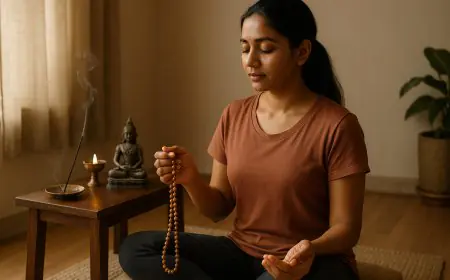
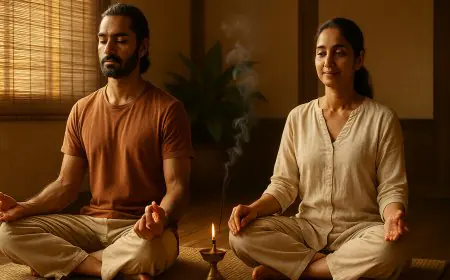
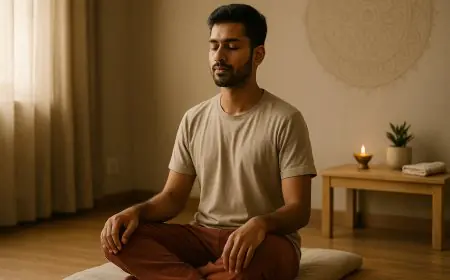
Step 1: Choose a Comfortable Posture
Sit cross-legged, on a chair, or even lie down. Keep the spine soft and relaxed.
Step 2: Close Your Eyes and Take 5 Slow Breaths
Let the exhale release tension from your neck, shoulders, and chest.
Step 3: Visualize the Chosen Color
Begin to imagine your chosen color in the form of a soft glow or diffused light.
Keep it gentle—not vivid or forceful.
Step 4: Let the Color Spread
Imagine the light expanding gradually:
-
from the chest
-
to the head
-
down the body
-
filling the entire space around you
Allow the imagery to remain soft and subtle.
Step 5: Observe Emotional Shifts
Pay attention to how the color makes you feel—lighter, calmer, clearer.
Step 6: Breathe Into the Color
Inhale as though breathing in the light.
Exhale as though releasing heaviness.
Step 7: Stay With the Experience
Let the color guide your inner state.
Sit with it for 2–5 minutes.
Step 8: Gently Return
Bring awareness back to your body, open your eyes slowly.
Advanced Variations (Beginner-Safe)
Dual-Color Meditation
Combine two colors—for example, blue for calmness and gold for strength.
Color Breathing
Imagine inhaling the color and letting it move through your body.
Color Body Scan
Move the color from your head to your toes, relaxing each part.
Color Room Visualization
Imagine sitting inside a room filled with soft, glowing color.
Why Color Meditation Is Ideal for Beginners
-
Color is easier than focusing on the breath alone
-
Visualization naturally engages the mind
-
Helps reduce emotional overwhelm quickly
-
Makes meditation enjoyable and creative
-
Builds confidence for deeper practices
-
Encourages consistency
Color meditation meets the mind where it already is—visual, emotional, and imaginative.
Common Experiences During Color Meditation
-
warmth or coolness
-
soft tingling
-
deep breathing
-
emotional ease
-
lighter thoughts
-
sense of space
-
improved focus afterward
These responses show the mind settling into awareness.
Conclusion
Color Meditation offers an elegant, accessible, and deeply soothing entry point into mindfulness. By visualizing soft, meaningful colors, you invite calmness, clarity, and emotional renewal into your daily life. It is a gentle method suitable for beginners and experienced meditators alike, providing rapid emotional balance and long-term mental clarity.
Practice it daily for just 10–15 minutes, and you’ll notice how color becomes a natural anchor for inner peace.
Frequently Asked Questions