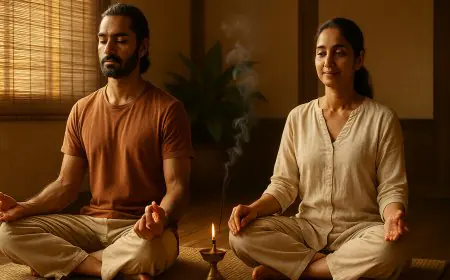



















Gaze Meditation: Improving Concentration Naturally with Candle Flame Trataka
Learn how candle flame gaze meditation (Trataka) improves concentration, mental clarity, emotional balance, and inner stillness through a simple yet powerful ancient practice of focused awareness.



Gaze Meditation: Improving Concentration Naturally
The mind today is constantly pulled in multiple directions — notifications, tasks, conversations, screens, pressure. With this never-ending flow of mental stimulation, concentration has become one of the rarest strengths. Gaze meditation, known as Trataka, is one of the most ancient and effective techniques for rebuilding focus naturally. It sharpens the mind, calms emotional turbulence, and activates deep awareness — all through the simple practice of looking steadily at a candle flame.
Trataka has been practiced in yoga, tantra, and classical meditation traditions for thousands of years. It works by training the eyes, breath, and mind to move in one direction rather than wandering outward. When the gaze becomes steady, thoughts begin to settle. When thoughts settle, awareness expands. This practice turns the candle flame into a mirror for the mind — stillness outside gradually creates stillness inside.
Why Candle Flame Gaze Meditation Works
Most distractions arise because the mind constantly jumps between internal thoughts and external stimuli. A candle flame provides a single, bright, stable point of focus — strong enough to hold attention without strain. The natural rhythmic dance of the flame draws the mind inward without force.
The practice strengthens:
Trending Guides Now
Using Mala Beads in Meditation Practice: A Complete Beginner’s Guide
Trataka Meditation in Indian Yogic System: Candle Gazing for Concentration and Inner Clarity
Candle Gazing Meditation (Trataka): A Complete Beginner’s Guide to Method and Benefits
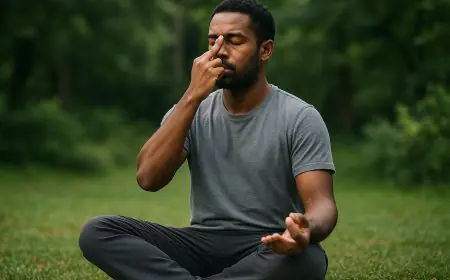
Common Mistakes in Breathing Meditation and How to Fix Them

Ujjain Railway Station to Mahakaleshwar Temple Distance (2026 Guide)

Ujjain Simhastha 2028 Dates Announced: Full Shahi Snan & Event Timeline

Ujjain Simhastha Update: CM Mohan Yadav Reviews 2028 Works

Karkateshwar Mahadev: 22/84 Mahadev of Ujjain
-
Mental concentration
-
Memory and retention
-
Cognitive stamina
-
Emotional regulation
-
Nervous system balance
Many practitioners report improved reading ability, work efficiency, and reduced mental fog after just a few weeks.

Ancient Spiritual Significance of Trataka
In yogic tradition, the flame represents:
-
Purity
-
Transformation
-
Illumination of the inner self
Gazing at the flame is considered a symbolic offering of attention to the Divine Light within. The still gaze activates the Ājna Chakra (third eye), connecting the mind with intuition and inner intelligence. When practiced with devotion, Trataka becomes more than a technique — it becomes a spiritual doorway.
Science Behind Gaze Meditation
Modern research suggests that fixed-point visual focus rewires attention networks in the brain. Benefits include:
-
Enhanced frontal cortex activity (focus center)
-
Reduction of amygdala overactivity (stress center)
-
Strengthening of neural pathways for cognitive control
Slow breathing during practice activates the parasympathetic nervous system, reducing anxiety and overthinking. Tear production during extended gazing cleans and refreshes the eyes, reducing dryness from screen usage.
Best Time for Candle Gaze Meditation
The ideal time is early morning before sunrise or night before sleep. During these hours:
-
The mind is quieter
-
The environment is silent
-
The flame appears brightest
Practice on an empty stomach or at least 2 hours after meals.
Ideal Setup for Trataka Practice
-
Quiet room with dim light
-
Candle placed at eye level and arm’s length distance
-
Straight spine and relaxed shoulders
-
Natural breathing — no forcing
Do not blink intentionally or strain your eyes. Let focus happen naturally and gently.
What You Experience During Practice
In the beginning:
-
Thoughts may wander
-
Eyes may water
-
Focus may break
That is normal. Trataka is not about preventing distractions — it is about returning to awareness each time it slips. Gradually, the gaze becomes steadier, breath calmer, and mind clearer.
Regular practitioners often experience:
-
Longer attention span
-
Enhanced creativity
-
Better productivity
-
Deep inner stillness
A 21-Day Trataka Transformation Plan
| Days | Duration | Focus |
|---|---|---|
| 1–7 | 5–7 min | Comfortable gazing, relaxed breathing |
| 8–14 | 8–10 min | Stronger visual focus, fewer thoughts |
| 15–21 | 10–12 min | Deep meditation phase & inner silence |
After 21 days, most people notice significant improvement in concentration and emotional balance.
Tips for Safe Practice
-
Do not overstrain or push yourself to gaze longer than comfortable
-
Stop immediately if you feel headaches
-
People with epilepsy should avoid flame-based Trataka
-
Contact lenses should be removed before practice
Final Thought
Gaze meditation is proof that concentration is not something we chase — it is something that emerges naturally when the mind learns to rest on one thing at a time. The candle flame becomes a silent teacher: steady, bright, unwavering. Through this simple ritual, the scattered mind becomes focused, the restless heart becomes calm, and awareness turns inward toward its true source.
Frequently Asked Questions