


























Varanasi / Kashi: The Eternal Spiritual Heart of India – A Pilgrim’s Journey
Explore the timeless spiritual significance of Varanasi (Kashi), one of the world’s oldest cities, home to the revered Kashi Vishwanath Temple. Discover its sacred ghats, history, and vibrant rituals.


Introduction
Varanasi, also known as Kashi, is the spiritual capital of India and one of the oldest continuously inhabited cities in the world. Situated on the banks of the Ganga River, Varanasi holds immense significance in Hinduism, not only as a place of worship but also as a symbol of life and death, liberation, and spiritual enlightenment. The city’s spiritual energy, centuries-old temples, and ghats offer a profound experience for millions of pilgrims who come to seek solace, perform rituals, and attain moksha (liberation).
This blog will guide you through the sacred essence of Varanasi / Kashi, exploring its history, temples, ghats, and the profound spiritual practices that define this ancient city.
For Every pilgrims, understanding Simhastha 2028 dates and the official Shahi Snan timeline is essential before booking flights or accommodation, as these sacred dates are completely non-negotiable.
History and Spiritual Significance of Varanasi / Kashi
Ancient Origins and Timelessness
The history of Varanasi dates back over 3,000 years, making it one of the oldest cities in the world. Known as Kashi in ancient times, the city is believed to be the abode of Lord Shiva, the destroyer in the Hindu trinity. According to Hindu mythology, Kashi is the place where Lord Shiva and Goddess Parvati are said to have resided. The city has been a center of learning, culture, and spiritual practices for millennia.
Trending Guides Now

Mathura – Shri Krishna Janmabhoomi: The Birthplace of Lord Krishna and One of Hinduism’s Most Sacred Cities
Kanchipuram: The Sacred City of Temples, Spirituality, and Heritage
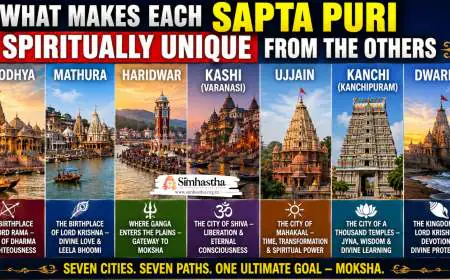
What Makes Each Sapta Puri Spiritually Unique From the Others

Ujjain: The Sacred City of Lord Shiva and the Spiritual Heart of India

Ujjain Railway Station to Mahakaleshwar Temple Distance (2026 Guide)

Ujjain Simhastha 2028 Dates Announced: Full Shahi Snan & Event Timeline

Benefits of Becoming a Simhastha Volunteer
Ujjain Travel During Shravan Month: What Changes for Visitors
Varanasi’s significance is rooted in the belief that those who die here attain moksha, freeing themselves from the cycle of birth and death. Shiva, the primary deity worshipped here, is the god of destruction and regeneration, symbolizing the eternal flow of life and death.
Kashi Vishwanath Temple: The Jewel of Varanasi
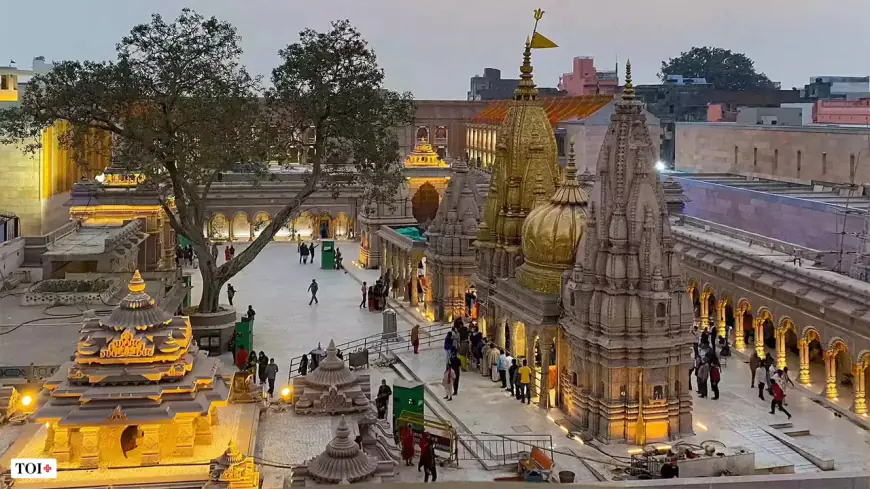
The Kashi Vishwanath Temple is one of the most important and revered temples in Hinduism. Dedicated to Lord Shiva, it stands as the heart of Varanasi’s spiritual essence. The temple’s gold-covered spire and magnificent architecture make it a sight to behold. Pilgrims from all over the world visit to seek blessings from Lord Vishwanath, believing that a visit to this sacred temple is a gateway to salvation.
A Symbol of Devotion
The Kashi Vishwanath Temple has been destroyed and rebuilt several times throughout history, with the current structure being rebuilt by Maharani Ahilya Bai Holkar in the 18th century. The temple is known for its spiritual sanctity, and the sacred Shivling is worshipped by millions each year.
The temple is located along the banks of the Ganga River, making it an integral part of the religious and cultural landscape of Varanasi.
The Ghats of Varanasi: Sacred Steps to Liberation
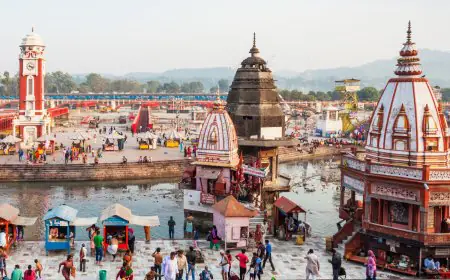
The ghats of Varanasi are among the city’s most iconic landmarks, representing the seamless connection between the sacred river, spiritual practices, and everyday life. There are more than 80 ghats along the Ganga River, each serving a unique purpose. Some ghats are used for bathing and purifying the body, while others are used for performing cremation rituals.
Dashashwamedh Ghat: The Heart of Varanasi’s Spirituality
Among the many ghats, Dashashwamedh Ghat is the most famous, where the evening Ganga Aarti takes place every day. The sight of thousands of lamps floating on the river, accompanied by chants and rituals, creates an awe-inspiring spiritual atmosphere that captures the essence of Varanasi.

Assi Ghat: A Place of Peace
Located at the southern end of the city, Assi Ghat is another popular ghat in Varanasi. Known for its tranquility, this ghat is often less crowded and offers a serene experience for those looking to connect with the river and the divine.
Religious Rituals and Practices in Varanasi
The city is a living testament to ancient Hindu practices. Pilgrims come to Varanasi to perform various rituals like the Ganga Snan (holy dip), prayers, and pujas (ceremonial offerings). The spiritual atmosphere is further enhanced by the constant chanting of sacred mantras, hymns, and the sound of bells ringing from temples.
Moksha and the Final Journey
One of the most unique aspects of Varanasi is its association with moksha. It is believed that those who pass away in Varanasi are freed from the cycle of birth and death and are granted liberation. The act of cremation at the Manikarnika Ghat, one of the oldest and busiest ghats, is a significant ritual performed for those who pass away in the city.
The Festivals of Varanasi
Maha Shivaratri: A Sacred Night
Maha Shivaratri is one of the most important festivals celebrated in Varanasi. Dedicated to Lord Shiva, this night-long event includes prayers, fasting, and bhajans (devotional songs). The Kashi Vishwanath Temple becomes a vibrant center of activity, with thousands of devotees visiting to offer prayers.
Dev Deepawali: The Festival of Lights
Held on the full moon night of Kartika month, Dev Deepawali is one of the most spectacular festivals in Varanasi. The ghats are illuminated with thousands of oil lamps, creating a mesmerizing sight as the entire city comes alive with spiritual fervor.
Visiting Varanasi: Practical Tips
Best Time to Visit
The best time to visit Varanasi is during the cooler months, from October to March. The Maha Shivaratri festival (usually in February or March) is an excellent time to witness the spiritual fervor of the city.
How to Reach Varanasi
-
By Air: The Lal Bahadur Shastri International Airport in Varanasi is well connected to major cities in India.
-
By Train: Varanasi is well connected to major cities like Delhi, Mumbai, and Kolkata through Varanasi Junction Railway Station.
-
By Road: Varanasi is connected to nearby cities like Allahabad, Kolkata, and Lucknow through well-maintained highways.
Conclusion
Varanasi is not just a city; it is the spiritual heart of India. Steeped in thousands of years of tradition, it offers a unique opportunity for introspection, worship, and connection with the divine. Whether you are a pilgrim seeking salvation, a traveler discovering the city’s ancient culture, or someone simply in search of peace, Varanasi will leave an indelible mark on your soul.
Visit Varanasi, immerse yourself in its spirituality, and experience the sacred essence of Kashi Vishwanath Temple, the ghats, and the eternal flow of the Ganga River.
Frequently Asked Questions