














Ujjain: The Sacred City of Lord Shiva and the Spiritual Heart of India
Explore Ujjain, one of the seven Sapta Puri cities, known for its spiritual significance and as the abode of Lord Shiva’s Mahakaleshwar Jyotirlinga. Discover the historical, cultural, and religious importance of Ujjain and its significance as a major pilgrimage destination in India.


Ujjain: The Sacred City of Lord Shiva and the Spiritual Heart of India
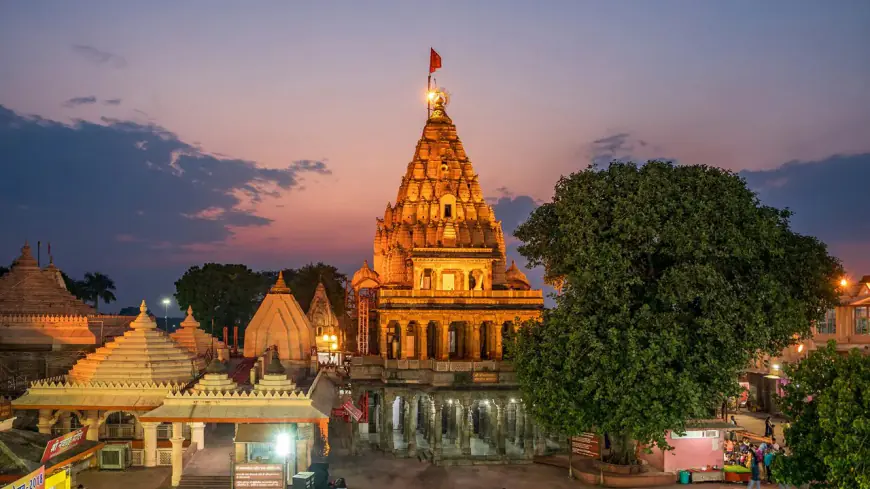
Ujjain, one of the most revered cities in India, is a part of the Sapta Puri (seven sacred cities in Hinduism), making it an essential pilgrimage destination for millions of devotees. Located in the state of Madhya Pradesh, Ujjain holds immense religious, historical, and cultural significance. The city is home to the famous Mahakaleshwar Jyotirlinga, one of the twelve Jyotirlingas of Lord Shiva, and is a center of spirituality and devotion.
For Every pilgrims, understanding Simhastha 2028 dates and the official Shahi Snan timeline is essential before booking flights or accommodation, as these sacred dates are completely non-negotiable.
Ujjain’s Spiritual Significance
Ujjain is not only known for its rich history but also for its deep connection to spirituality. It is one of the Sapta Puri cities, a set of seven sacred locations mentioned in Hindu scriptures, considered to be highly auspicious for worship and spiritual rituals. Ujjain is particularly famous for its Mahakaleshwar Temple, dedicated to Lord Shiva, which is regarded as one of the holiest places for worshippers of Shiva.
The city has been a significant center for religious activities, and its association with Lord Shiva, especially through the Mahakaleshwar Jyotirlinga, makes it a prime destination for pilgrims. Ujjain also holds an important place in Hindu mythology, and it is famously known as the place where the Kumbh Mela is held every 12 years, attracting millions of devotees and tourists.
Trending Guides Now

Ayodhya - Birthplace of Lord Rama and One of Hinduism’s Most Sacred Sapta Puri Cities

Mathura – Shri Krishna Janmabhoomi: The Birthplace of Lord Krishna and One of Hinduism’s Most Sacred Cities

Dwarka: The Legendary Kingdom of Lord Krishna and One of Hinduism’s Seven Sacred Cities
Comparing the Spiritual Traditions of the Seven Sacred Cities

Ujjain Railway Station to Mahakaleshwar Temple Distance (2026 Guide)

Ujjain Simhastha 2028 Dates Announced: Full Shahi Snan & Event Timeline

Ujjain Simhastha Update: CM Mohan Yadav Reviews 2028 Works

Karkateshwar Mahadev: 22/84 Mahadev of Ujjain
Mahakaleshwar Jyotirlinga: The Heart of Ujjain
The Mahakaleshwar Temple, dedicated to Lord Shiva, is the spiritual heart of Ujjain. The temple houses the Mahakaleshwar Jyotirlinga, which is one of the twelve Jyotirlingas of Lord Shiva scattered across India. This temple is unique because it is the only one of the twelve Jyotirlingas to face the south direction, which is considered significant in Hindu traditions. The temple is also famous for its Bhasma Aarti, where devotees offer ashes to Lord Shiva in a ritual that takes place early in the morning.
Key Temples in Ujjain
Apart from the Mahakaleshwar Temple, Ujjain is home to numerous other sacred temples that add to its spiritual allure:
-
Mangalnath Temple
Dedicated to Lord Mars (Mangal), this temple is believed to be the place where Mars was born. The temple is situated on the banks of the Shipra River and attracts a lot of devotees, particularly during Mangal Dosh (a specific planetary condition in Vedic astrology). -
Harsiddhi Temple
This is one of the 51 Shakti Peethas, where the right elbow of Goddess Sati is said to have fallen. The temple is considered extremely sacred by followers of the Shakti tradition and is dedicated to Goddess Harsiddhi. -
Chintaman Ganesh Temple
This temple is dedicated to Lord Ganesha and is believed to grant relief from obstacles and challenges. The idol of Lord Ganesha here is revered for its divine energy. -
Kaliadeh Palace and Temple
Located on the banks of the Shipra River, the Kaliadeh Palace is a historical site with a temple dedicated to Goddess Kali. This is one of the most serene spots in Ujjain, where history and spirituality merge.

Ujjain’s Role in the Kumbh Mela
Ujjain is also famous for hosting the Simhastha Kumbh Mela, one of the four Kumbh Melas that take place at different locations every 12 years. The Kumbh Mela is a grand spiritual gathering where millions of devotees come together to take a holy dip in the river and cleanse themselves of their sins. The Shipra River in Ujjain is considered sacred, and devotees believe that bathing in it during the Kumbh Mela purifies them spiritually.
Historical Importance of Ujjain
Ujjain’s historical significance is immense. The city was once the capital of the Avanti Kingdom and has been an important cultural and educational hub since ancient times. The city is mentioned in several ancient Hindu texts, including the Mahabharata, where it is referred to as Ujjayini.
The city is also historically linked with the Patanjali school of yoga and astronomy. The renowned astronomer Varahamihira is said to have been born in Ujjain, and the city is also known for the ancient Jantar Mantar, an astronomical observatory built in the 18th century.
How to Reach Ujjain
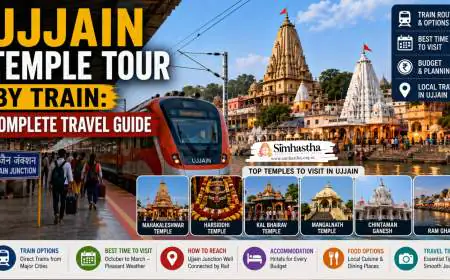
Ujjain is well-connected by road, rail, and air.
-
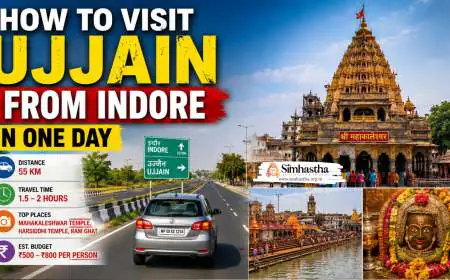
Nearest Airport: Indore Airport (about 55 km from Ujjain)
-
Railway Station: Ujjain Railway Station (well-connected to major cities in India)
-
By Road: Ujjain is easily accessible by buses and taxis from nearby cities like Indore and Bhopal.
Best Time to Visit Ujjain
The best time to visit Ujjain is during the winter months (November to February), when the weather is pleasant and ideal for outdoor activities, temple visits, and spiritual rituals. The city experiences a surge of pilgrims and tourists during the Simhastha Kumbh Mela.
Spiritual Experience in Ujjain
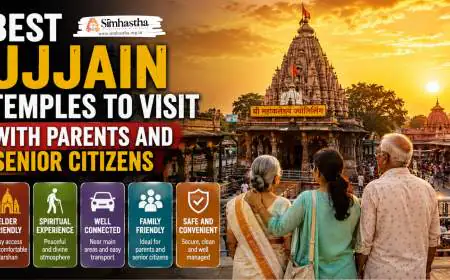
Ujjain offers a spiritual experience like no other. Pilgrims can engage in daily prayers, rituals, and participate in pujas in the temples, particularly the Mahakaleshwar Temple, where the Bhasma Aarti provides a deeply spiritual experience. The Shipra River is another major attraction, where people come to take a sacred dip and perform rituals.
Festivals in Ujjain
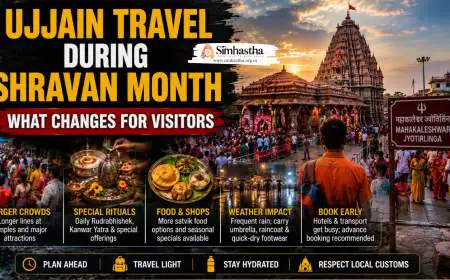
Ujjain celebrates several festivals with grand fervor. The Mahashivaratri festival at the Mahakaleshwar Temple attracts millions of devotees. Other important festivals include Simhastha Kumbh Mela, Navaratri, Gudi Padwa, and Diwali, all of which have their own significance and cultural celebrations.
Accommodation and Dining in Ujjain
Ujjain offers various accommodations ranging from budget guesthouses to luxury hotels, catering to the needs of pilgrims and tourists. The city also offers several restaurants serving traditional Madhya Pradesh cuisine, including poha, sabudana khichdi, and pani puri.
Frequently Asked Questions