










Mathura – Shri Krishna Janmabhoomi: The Birthplace of Lord Krishna and One of Hinduism’s Most Sacred Cities
Mathura, the birthplace of Lord Krishna, stands as one of Hinduism’s seven sacred cities — Sapta Puri. A revered pilgrimage destination, its rich cultural and spiritual history draws millions annually. Discover the spiritual significance of Mathura and its temples, including the sacred Shri Krishna Janmabhoomi.


Introduction: The Sacred Heart of Mathura
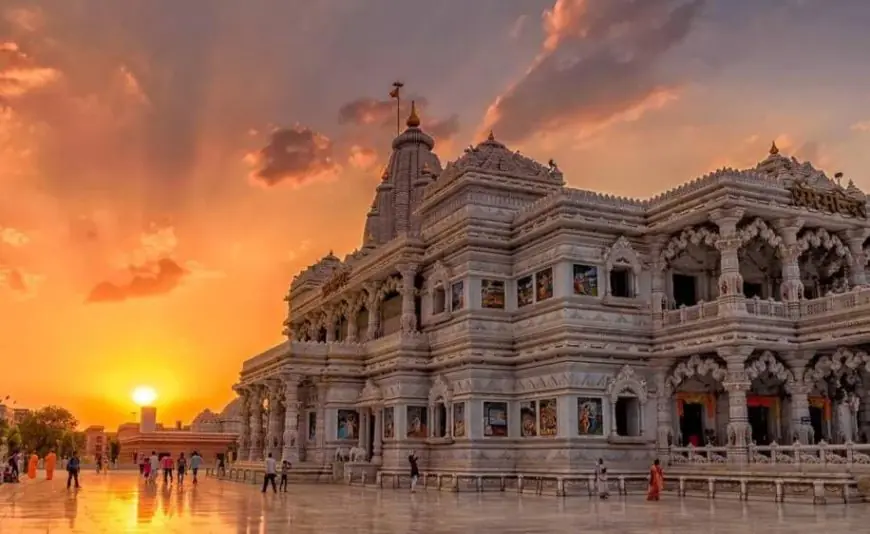
Mathura, one of the seven most sacred cities in Hinduism, holds a cherished place in the spiritual and cultural heritage of India. It is famously known as the birthplace of Lord Krishna, an incarnation of Lord Vishnu, who is revered as a divine hero, philosopher, and king. Situated in the state of Uttar Pradesh, Mathura is not just a historical town but a center of devotion, pilgrimage, and profound significance for millions of Hindus.
This ancient city is part of the sacred Sapta Puri, the seven cities that are of paramount importance in the Hindu tradition. The significance of Mathura extends far beyond its architectural marvels and vibrant festivals. It is woven into the fabric of Indian mythology, particularly the story of Lord Krishna's birth and childhood, which have been immortalized in countless scriptures, songs, and arts.
For Every pilgrims, understanding Simhastha 2028 dates and the official Shahi Snan timeline is essential before booking flights or accommodation, as these sacred dates are completely non-negotiable.
Mathura’s Spiritual Significance in Hinduism
As one of the Sapta Puri, Mathura shares its reverence with the likes of Varanasi, Ayodhya, and Haridwar. The city is famed for being the birthplace of Lord Krishna, and it is here that he is believed to have been born in a prison cell to Queen Devaki and King Vasudeva, as described in the Bhagavata Purana.
Trending Guides Now

Ujjain: The Sacred City of Lord Shiva and the Spiritual Heart of India

Dwarka: The Legendary Kingdom of Lord Krishna and One of Hinduism’s Seven Sacred Cities
Haridwar – Gateway to Spirituality and One of the Seven Holiest Cities in Hinduism
Kanchipuram: The Sacred City of Temples, Spirituality, and Heritage

Ujjain Railway Station to Mahakaleshwar Temple Distance (2026 Guide)

Ujjain Simhastha 2028 Dates Announced: Full Shahi Snan & Event Timeline

Ujjain Simhastha Update: CM Mohan Yadav Reviews 2028 Works
Karkateshwar Mahadev: 22/84 Mahadev of Ujjain
For Hindus, visiting Mathura is akin to connecting with the divine energy that shaped the course of dharma in India. The city is central to the teachings of Lord Krishna, encompassing his philosophies of righteousness (dharma), devotion (bhakti), and love for humanity. Mathura remains a destination where people come to meditate, pray, and be spiritually enlightened, creating an environment where devotion is deeply rooted in everyday life.
The Sacred Shri Krishna Janmabhoomi Temple
At the heart of Mathura stands the Shri Krishna Janmabhoomi Temple, one of the most revered places of worship for Hindus worldwide. This temple is believed to be built on the very spot where Lord Krishna was born, inside the Kansa’s prison. The temple complex includes various shrines, a large courtyard, and an impressive architecture that reflects the grandeur and sanctity of the birth of Lord Krishna.
The temple’s main feature is the birthplace of Lord Krishna, where a stone pedestal marks the exact spot of his birth. This sacred space is surrounded by other shrines, including those dedicated to his family and his foster parents, Nanda and Yashoda, whose love and care played a crucial role in Krishna's early years.
The temple also houses an ornate Krishna idol, beautifully dressed and decorated with vibrant colors. Devotees gather here in large numbers, especially during the annual festivals of Janmashtami, the celebration of Lord Krishna’s birth, and Holi, which marks his playful and mischievous nature.
Mathura's Role in the Life of Lord Krishna
Mathura holds an indispensable place in the life of Lord Krishna. After his birth, Krishna’s early years were spent in Gokul and Vrindavan, nearby towns that are also sacred to his devotees. However, it is Mathura that is most directly associated with the beginning of his journey as a divine protector and warrior.
The city witnessed several major episodes in Krishna's life, most notably his confrontation with King Kansa, his maternal uncle. Kansa’s oppressive rule over Mathura was broken by Krishna, who eventually killed him and restored peace. This act of deliverance is deeply embedded in the psyche of Mathura’s people, symbolizing Krishna as the divine protector of truth and justice.

The Mathura-Vrindavan region, encompassing both these cities, is filled with temples, ghats, and places that commemorate Krishna’s life and his divine acts. Pilgrims come here not just to visit sacred sites but to experience the atmosphere that is inherently tied to the stories of Krishna’s childhood miracles and divine playfulness (leelas).
Mathura-Vrindavan: The Twin Spiritual Cities
While Mathura is known primarily for Krishna's birth, Vrindavan, located just a short distance away, holds special significance for Krishna's later years, including his life as a young child, his romantic adventures with Radha, and his association with the gopis. Together, these two towns—Mathura and Vrindavan—form a sacred hub for Krishna devotees.
-
Vrindavan is filled with temples, ghats, and kunds (sacred ponds) that hold legendary significance in Krishna’s life. Pilgrims often visit both cities together, exploring the rich tapestry of Krishna’s legacy.
-
Mathura’s ghats and the Yamuna River, flowing through the city, are closely tied to Krishna’s divine pastimes. The ghats are often filled with pilgrims who bathe in the holy river to purify themselves.
Mathura's Temples: Architectural Wonders and Pilgrimage Sites
Apart from the Shri Krishna Janmabhoomi Temple, Mathura is home to several other iconic temples that attract pilgrims year-round:
-
Vishram Ghat: Located on the banks of the Yamuna River, it is the site where Lord Krishna is believed to have rested after killing King Kansa. It is a popular spot for devotees to take a holy dip.
-
Dwarkadhish Temple: Dedicated to Lord Krishna, this temple is famous for its beautiful architecture and vibrant celebrations, particularly during Janmashtami.
-
Govardhan Hill: While located slightly outside Mathura, Govardhan Hill is closely tied to Krishna’s life. Krishna lifted the mountain to protect his devotees from a torrential downpour. The hill and surrounding area are a place of worship and reverence.
-
Radha Kund and Shyam Kund: These are sacred ponds where Krishna and his devotees performed rituals. Radha Kund is especially revered for its association with Radha and Krishna’s divine love.
-
Bansi Vata: This is the site where Krishna is said to have played his flute, enchanting the gopis with his divine music. Pilgrims visit this location to connect with the romantic and devotional aspects of Krishna’s life.
Mathura as a Hub of Devotion
Mathura’s importance goes beyond being a religious destination. It has grown into a spiritual hub that brings together not just Hindus but people from all over the world who seek peace, spirituality, and connection to the divine. The city is host to various spiritual workshops, satsangs, and devotional music programs that help deepen the understanding of Krishna’s teachings.
-
Mathura’s festivals such as Janmashtami, Radha Ashtami, and Holi attract thousands of devotees. These festivals are marked by exuberant celebrations, devotional singing, dancing, and reenactments of Krishna’s life and leelas.
-
The Mathura-Vrindavan region is also a major destination for spiritual tourism, with thousands visiting each year to experience the divine atmosphere and connect with their faith.
Mathura’s Legacy in Art, Culture, and Philosophy
The significance of Mathura extends beyond religion. The city has contributed significantly to Indian art, culture, and philosophy. Mathura art, particularly the Mathura School of Art, is famous for its sculptures and images of gods, goddesses, and Buddha. The city’s philosophical significance is intertwined with the teachings of Lord Krishna, particularly in the Bhagavad Gita, where Krishna imparts the eternal principles of duty, devotion, and righteousness to Arjuna.
-
Art: The city is home to numerous sculptures, paintings, and religious artifacts depicting Krishna’s life and his divine acts. These artifacts are not only important for their artistic value but also for their representation of the deeper spiritual truths Krishna taught.
-
Philosophy: The philosophy of Krishna, especially his teachings in the Bhagavad Gita, continue to inspire people globally. The message of selfless action (Karma Yoga), devotion (Bhakti Yoga), and the pursuit of truth (Jnana Yoga) guides many in their spiritual practice.
Visiting Mathura: A Pilgrim’s Guide
When planning a visit to Mathura, there are several things to keep in mind to ensure an enriching experience:
-
Best Time to Visit: The most auspicious times are during Janmashtami (August/September) and Holi (March), as these festivals bring the city to life with devotional fervor.
-
How to Reach Mathura:
-
By Air: The nearest airport is in Agra (about 60 km away), with regular flights from major cities.
-
By Train: Mathura Junction is well connected by trains from across India.
-
By Road: Mathura is easily accessible by road from cities like Delhi, Agra, and Jaipur.
-
-
Accommodation: Mathura offers various accommodations, from budget guesthouses to luxury hotels. Many temples also offer stay options for pilgrims.
-
Dress Code: Visitors are advised to wear modest clothing when visiting religious sites. Women are encouraged to cover their heads when entering temples.
Conclusion
Mathura is more than just a city; it is the living heart of devotion, a place where the past and present converge, and the divine presence of Lord Krishna can be felt at every corner. Whether you visit for its historical significance, cultural richness, or spiritual power, Mathura promises an unforgettable experience. The legacy of Lord Krishna continues to inspire millions, making this sacred city one of the most revered pilgrimage destinations in the world.
Har Har Mahadev!
Frequently Asked Questions