














Why Travel Insurance Matters for Simhastha Pilgrims
Travel insurance for Simhastha pilgrims covers medical emergencies, trip cancellations, lost belongings, and crowd-related risks. Essential protection for Kumbh Mela.
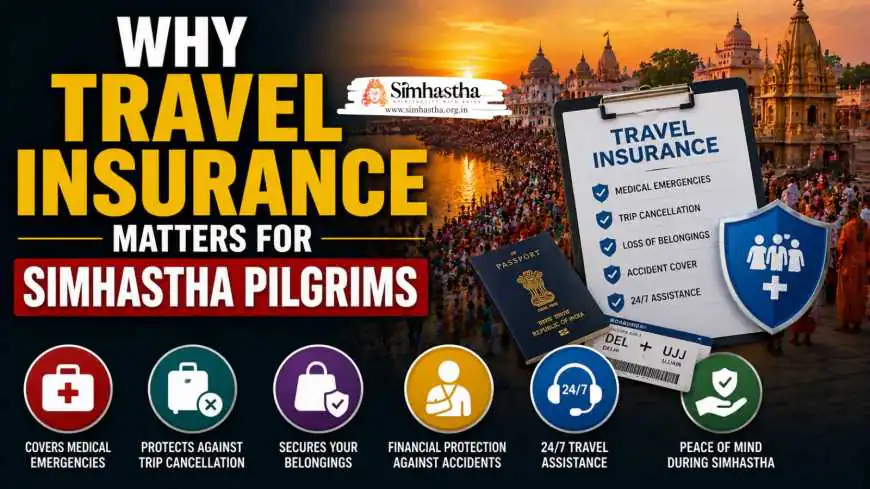

Why Travel Insurance Matters for Simhastha Pilgrims
Travel insurance for Simhastha pilgrims is not an optional add-on or an unnecessary expense—it is as essential as your train ticket and hotel booking. When 50 to 80 million people converge on a single city over 30 to 45 days, the predictable systems of normal life break down. Hospitals overflow. ATMs run dry. Phones lose signal. And in this chaos, a medical emergency, a lost wallet, or a canceled train can become a nightmare without financial protection.
Yet most Indian pilgrims never buy travel insurance. They assume “nothing will happen to me” or “insurance is for foreign tourists.” During the 2016 Simhastha, I witnessed senior citizens stranded without their medications after luggage was stolen. I met families who spent their entire pilgrimage budget on emergency hospital bills. I helped a young man whose wallet disappeared in a crowd, leaving him unable to pay for his hotel or return train.
Travel insurance costs ₹300 to ₹1,500 for the entire Simhastha period. That is less than one night’s budget hotel stay. The peace of mind it buys—knowing that medical evacuation, trip cancellation, lost baggage, and accidental injury are covered—is priceless when you are 1,000 kilometers from home in a crowd of 10 million people.
Let me explain exactly what Simhastha pilgrims need to know about travel insurance, why standard policies often fall short for Kumbh Mela, and how to choose coverage that actually protects you when you need it most. 🔱
Trending Guides Now
2 Days Ujjain Itinerary for Senior Citizens Easy Travel

Ujjain Simhastha 5 Day Itinerary for Couples

Safety Guidelines Every Ujjain Simhastha Pilgrim Must Follow
How Hotel Pricing Works in Ujjain Simhastha 2028

Ujjain Railway Station to Mahakaleshwar Temple Distance (2026 Guide)

Ujjain Simhastha 2028 Dates Announced: Full Shahi Snan & Event Timeline
Ujjain Railway Station to Gadkalika Temple: Distance, Auto Fare and Route
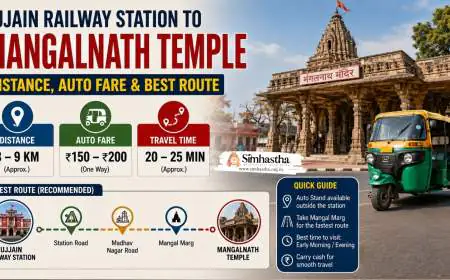
Ujjain Railway Station to Mangalnath Temple: Distance, Auto Fare and Best Route
The Unique Risks Pilgrims Face at Simhastha
Normal travel insurance assumes normal travel risks. Simhastha presents extraordinary risks that many standard policies exclude. Understanding these risks is your first step to buying the right coverage.
Extreme Crowd Density – Crush and Trample Risks
During Shahi Snan days, certain ghats and temple areas reach 10 to 15 people per square meter—beyond safe limits. Stampede and crush injuries are real possibilities. The 2016 Simhastha saw multiple crowd surge incidents with injuries requiring hospitalization.
Insurance gap: Many standard policies exclude “mass gathering events” or have sub-limits for crowd-related injuries. You need a policy that explicitly covers participation in large religious gatherings.
Inadequate Medical Infrastructure – Need for Evacuation
Ujjain’s normal hospital capacity (approximately 3,000-4,000 beds) serves 500,000 residents. During Simhastha peak, the population swells to 10-15 million. Even with temporary medical camps, advanced care is scarce. A heart attack, stroke, or serious accident often requires evacuation to Indore (55 km) or Bhopal (200 km).
Insurance gap: Basic policies cover “local hospitalization” but not emergency ambulance transfer to another city. Air evacuation (helicopter) to a major hospital costs ₹2-5 lakhs. Ensure your policy includes medical evacuation.
Theft and Pickpocketing in Crowds
Simhastha attracts professional thieves who target distracted pilgrims. Mobile phones, wallets, jewelry, and bags disappear in seconds. Pilgrims carrying large cash amounts (common because hotel bookings require advance payment) are especially vulnerable.
Insurance gap: Many policies have low limits for cash (₹5,000-10,000) and exclude jewelry entirely. Check your policy’s personal belongings coverage—you may need an add-on rider.
Trip Cancellation and Interruption
Your confirmed hotel may double-book. Your train may be canceled due to crowd management. You may fall ill before departure and miss the Shahi Snan entirely. Each of these scenarios leaves you with non-refundable advance payments of ₹10,000 to ₹50,000.
Insurance gap: Basic policies exclude “known events” (booking after Simhastha dates were announced) or require cancellation for specific covered reasons only. Read the trip cancellation clause carefully.
Heat Stroke and Dehydration
Simhastha typically falls in April-May when Ujjain temperatures reach 42-45°C (107-113°F). Thousands of pilgrims suffer heat-related illnesses each Kumbh. Severe cases require IV fluids and overnight observation—unexpected medical costs of ₹5,000-20,000.
Insurance gap: Some policies classify heat stroke as “preventable” and deny claims. Look for policies that explicitly cover environmental illnesses.
Pre-Existing Medical Conditions Flaring
Pilgrims with diabetes, hypertension, heart disease, or respiratory conditions face higher risks in extreme heat, crowds, and disrupted routines. A diabetic emergency or hypertensive crisis in Ujjain requires immediate treatment.
Insurance gap: Standard travel insurance excludes pre-existing conditions. You need a policy with pre-existing condition coverage or a specific pilgrimage plan.
Lost Documents – Identity Crisis
Losing your Aadhaar card, voter ID, passport, or train tickets in a city of millions is devastating. Without ID, hotels cannot check you in. Without tickets, you cannot return home. Replacing documents from another city takes days.
Insurance gap: Document loss coverage is standard but often has low limits (₹5,000-10,000) and excludes “mysterious disappearance.” Keep digital copies separately.

What Simhastha Travel Insurance Should Cover
Based on the risks above, here is your mandatory coverage checklist for Simhastha pilgrimage insurance.
Medical Coverage – Minimum ₹5 Lakhs
-
Hospitalization expenses in Ujjain, Indore, or Bhopal
-
Doctor consultations and diagnostic tests
-
Medicines prescribed during hospitalization
-
Room rent (ICU and general ward)
-
Do not settle for ₹50,000 or ₹1 lakh – serious conditions exhaust that in 2 days
Medical Evacuation – Minimum ₹5 Lakhs
-
Emergency ambulance transfer from Ujjain to Indore/Bhopal
-
Air evacuation (helicopter) for critical cases
-
Repatriation of mortal remains (for international pilgrims or families needing transport)
-
Family transport to your bedside (if hospitalized for extended period)
Trip Cancellation and Interruption – Minimum ₹50,000
-
Non-refundable hotel payments if you cancel for covered reasons (illness, death in family, natural disaster)

-
Unused train/air ticket refunds
-
Additional accommodation costs if your trip is extended due to covered events
-
Crucially: Ensure “mass gathering cancellation” is not excluded

Personal Belongings – Minimum ₹25,000
-
Theft or loss of baggage, clothing, basic electronics
-
Higher sub-limits for cash (₹10,000+)
-
Coverage for jewelry and religious items (many policies exclude or limit to ₹5,000)
-
Laptop and mobile phone coverage (often sub-limited to ₹10,000-15,000)
Personal Accident – Minimum ₹10 Lakhs
-
Permanent disability (loss of limb, eyesight, paralysis) from accident during pilgrimage
-
Accidental death benefit for your family
-
Crowd crush and stampede explicitly covered (read exclusions)
Document Loss – Minimum ₹10,000
-
Emergency replacement of passport, ID cards, travel tickets
-
Hotel accommodation while documents are being replaced
-
Courier charges for delivery of new documents
24/7 Emergency Assistance
-
Toll-free helpline operating 24×7 during Simhastha
-
English and Hindi speaking support
-
Coordination with local hospitals and police
-
Advance payment guarantee (insurance company pays hospital directly)
Real Scenarios Where Insurance Saved Pilgrims
Let me share actual cases from previous Simhastha and Kumbh Melas. These are anonymized but real.
The Diabetic Emergency: A 68-year-old man from Bihar arrived in Ujjain for Simhastha. On Shahi Snan day, he became disoriented and collapsed. Diagnosed with severe hypoglycemia and dehydration, he required 3 days of hospitalization in Indore because Ujjain had no ICU beds. His travel insurance covered ₹1.8 lakhs in hospital bills, ambulance transfer (₹12,000), and his wife’s accommodation near the hospital (₹6,000). Without insurance, his family would have exhausted their savings.
The Theft in Crowd: A family from Maharashtra had their bag stolen while entering the temple queue. Inside: ₹45,000 cash, mobile phones (2), gold earrings (estimated ₹35,000), and all ID documents. Their travel insurance reimbursed ₹25,000 for belongings (policy limit) and covered emergency document replacement (₹8,000). They still lost money but avoided total devastation.
The Canceled Train: A group of 8 pilgrims from Gujarat booked Tatkal tickets for their return journey. Their train was canceled due to operational issues caused by crowd management. The next available train was 3 days later. Their hotel charged an extra 3 nights at inflated Simhastha rates (₹6,000 per night x 3 = ₹18,000). Travel insurance reimbursed the full additional accommodation cost plus the canceled ticket value.
The International Pilgrim’s Evacuation: A US citizen visiting Simhastha had a severe asthma attack triggered by dust and heat. Ujjain’s hospitals could not provide advanced respiratory care. His travel insurance arranged air evacuation (helicopter) to Bhopal’s top hospital—cost ₹4.5 lakhs. The insurance company paid the hospital directly. Without insurance, he would have faced financial ruin and potential medical disaster.
The Senior Citizen’s Fall: An 80-year-old woman slipped on wet temple steps, fracturing her hip. Surgery in Indore cost ₹2.2 lakhs. Her travel insurance covered everything except a ₹10,000 deductible. The insurance company also arranged a wheelchair and assisted her family with transport back to their home state after discharge.
These stories share one common thread: every pilgrim thought “it won’t happen to me” before it did. And every one of them thanked Mahakal they had insurance.
Standard Policies vs. Simhastha-Specific Coverage
Not all travel insurance policies are equal for Kumbh Mela. Here is what standard plans exclude that you need.
Exclusion #1: Mass Gathering Events
Many travel insurance policies (especially international plans) exclude participation in large public events including religious gatherings, political rallies, and sports events. Read your policy’s “General Exclusions” section. If “mass gathering” or “crowd event” appears, this policy is useless for Simhastha.
Solution: Buy a policy specifically marketed for pilgrimage or Kumbh Mela. Ask the insurer directly: “Does this cover medical expenses arising from crowd-related injuries at Simhastha?”
Exclusion #2: Pre-Existing Conditions
Standard travel insurance excludes all pre-existing medical conditions—diabetes, hypertension, asthma, heart disease, arthritis, etc. If you have a heart attack at Simhastha, the insurer will request your medical history. If you had hypertension medication prescribed 5 years ago, they may deny the claim.
Solution: Look for policies with “pre-existing condition coverage” for stable conditions. Some pilgrimage-specific plans cover flare-ups of known conditions if you have been stable for 6-12 months.
Exclusion #3: Extreme Heat and Dehydration
Some policies classify heat stroke, dehydration, and heat exhaustion as “preventable illnesses” and deny claims. They argue you should have drunk more water and avoided peak sun hours.
Solution: Ask specifically: “Does this policy cover hospitalization for heat stroke and dehydration?” Get the answer in writing (email or chat transcript).
Exclusion #4: High-Risk Activities
Walking through waist-deep water during Shahi Snan? Climbing temple steps with millions of people? Some insurers classify these as “high-risk activities” (like bungee jumping or scuba diving) and exclude them.
Solution: Read the “hazardous activities” exclusion list. If bathing in a river during a religious festival is excluded, choose another insurer.
Exclusion #5: Terrorism and Civil Unrest
While Simhastha is peaceful, crowd pressure events can lead to injuries that insurers might categorize under “civil unrest” exclusions.
Solution: Confirm with the insurer that medical treatment for injuries sustained during authorized religious gatherings is covered regardless of how they categorize the incident.
How Much Does Simhastha Travel Insurance Cost?
Prices vary based on age, trip duration, coverage amount, and pre-existing conditions. Here are realistic estimates for 2028 Simhastha.
Domestic Indian Pilgrim (Age 18-50)
-
Basic plan (₹2 lakhs medical, no evacuation, ₹10k belongings): ₹300-500 for 15 days
-
Standard plan (₹5 lakhs medical, ₹5 lakhs evacuation, ₹25k belongings): ₹600-1,000 for 15 days
-
Comprehensive plan (₹10 lakhs medical, ₹10 lakhs evacuation, ₹50k belongings, trip cancellation): ₹1,200-1,800 for 15 days
Domestic Pilgrim Senior Citizen (Age 51-70)
-
Basic plan: ₹600-1,000 for 15 days
-
Standard plan: ₹1,200-1,800 for 15 days
-
Comprehensive plan: ₹2,000-3,000 for 15 days
Domestic Pilgrim Over Age 70
-
Many insurers refuse coverage above 70
-
Specialist senior citizen policies: ₹3,000-5,000 for 15 days
-
Some policies require medical checkup and charge higher premiums based on health status
International Pilgrim
-
Basic plan (₹5 lakhs medical): $20-40 USD for 15 days
-
Comprehensive plan (₹20 lakhs medical, evacuation to home country): $50-100 USD for 15 days
-
Note: International pilgrims need coverage for repatriation of remains to home country—this is expensive and essential
Family Plan (2 Adults + 2 Children under 12)
-
Typically 10-20% cheaper than buying individual policies
-
Standard family coverage (₹5 lakhs per person): ₹1,500-2,500 for 15 days
Pro tip: Buy insurance as soon as you book your travel and accommodation. Trip cancellation coverage only applies to events after the policy purchase date.
Top Insurance Providers for Simhastha Pilgrims
These insurers have specific pilgrimage or Kumbh Mela plans. Always verify current offerings—plans change.
For Indian Pilgrims
ICICI Lombard – Offers “Pilgrimage Insurance” specifically for Kumbh Mela and religious yatras. Covers pre-existing conditions (with waiting period), crowd injuries, and medical evacuation. Available online.
New India Assurance – Public sector insurer with “Overseas Travel Insurance” (also covers domestic pilgrimages if you select “pilgrimage” purpose). Good for senior citizens but claim process slower than private insurers.
Bajaj Allianz – “Travel Guard” policy with optional “pilgrimage add-on” covering crowd events and pre-existing condition flare-ups (extra premium). Excellent 24/7 helpline.
HDFC ERGO – “Travel Insurance” with “religious gathering” coverage included in standard plan. Check policy wording—some versions exclude it.
TATA AIG – Comprehensive coverage but higher premiums. Best for international pilgrims or those wanting maximum coverage.
For International Pilgrims
World Nomads – Popular with foreign travelers. Covers medical evacuation, trip cancellation, and adventure activities. Check if Simhastha qualifies as “covered event”—some policies exclude mass gatherings.
Allianz Global Assistance – Offers plans for India travel. 24/7 English helpline based in India. Good evacuation coverage.
Seven Corners – Specializes in travel to developing countries. High medical coverage limits (₹1 crore+). More expensive but reliable.
SafetyWing – Popular with digital nomads. Basic coverage at low prices. May exclude mass gathering events—read carefully.
GeoBlue – Excellent for US citizens. High medical limits, direct billing with Indian hospitals. Expensive but worth it for seniors with pre-existing conditions.
How to Buy Travel Insurance for Simhastha
Follow this step-by-step process to ensure you get the right coverage.
Step 1: List Your Specific Risks
-
Age and health conditions (especially pre-existing)
-
Travel duration (number of days in Ujjain)
-
Trip cost (hotels, trains, flights to be insured for cancellation)
-
Valuable items you are carrying (laptop, jewelry, camera)
-
Whether you will bathe in river (some policies treat this separately)
Step 2: Compare 3-5 Policies Online
Use aggregators like PolicyBazaar, Coverfox, or SquareMouth (international). Do not buy the first policy you see. Look specifically for:
-
Medical coverage: Minimum ₹5 lakhs (₹10 lakhs better)
-
Evacuation: ₹5 lakhs minimum
-
Trip cancellation: Equal to your total prepaid expenses
-
Personal belongings: ₹25,000+ with adequate cash sub-limit
Step 3: Read Exclusions Carefully
Do not skip this. Search the policy document for these words:
-
“Mass gathering”
-
“Crowd”
-
“Religious event”
-
“Pre-existing”
-
“Heat stroke”
-
“Dehydration”
-
“Adventure”
-
“Hazardous”
If any exclusion concerns you, call the insurer and ask for clarification in writing.
Step 4: Check Hospital Network in Ujjain
Some insurers have direct billing arrangements with specific hospitals. Ask:
-
Which hospitals in Ujjain are in your network?
-
Does Choithram Hospital accept direct billing?
-
What about hospitals in Indore (for serious cases)?
Direct billing means the insurance company pays the hospital directly—you do not need cash upfront. This is crucial because Simhastha ATMs run dry and your cards may not work.
Step 5: Buy – But Read the Fine Print First
Purchase online or through an agent. Save the policy document (PDF) on your phone and print a physical copy. Save the 24/7 emergency helpline number in your phone contacts before you leave home.
Step 6: Share Policy Details with Family
Send your policy number, insurer name, and helpline number to at least two family members not traveling with you. If you are incapacitated, they need to coordinate with the insurer.
What Travel Insurance Does NOT Cover – Critical Exclusions
Even the best policies have limits. Knowing these prevents nasty surprises at claim time.
Wilful Negligence
If you ignore warning signs and wade into dangerously deep water despite lifeguards shouting, your claim may be denied. Insurance expects reasonable self-care.
Intoxication
Any accident or injury occurring while under the influence of alcohol or non-prescribed drugs is excluded. Simhastha is a sober pilgrimage—maintain that.
Unattended Belongings
If you leave your bag on a ghat step, walk away, and return to find it gone—that is not covered. Theft claims require evidence of forcible removal (cut bag strap, broken lock, pickpocketing).
War and Terrorism
Standard policies exclude war and terrorism. However, Simhastha is peaceful. This exclusion matters only in extreme, unlikely scenarios.
Self-Inflicted Injuries
Obviously excluded.
Non-Emergency Treatments
Insurance covers emergency medical treatment only. You cannot claim routine dental checkups, elective procedures, or cosmetic treatments.
Adventure Sports
If you decide to go paragliding or bungee jumping in Ujjain (not relevant for most pilgrims), injuries are not covered.
Normal Pregnancy
Routine pregnancy care and normal delivery excluded. Emergency complications of pregnancy (ectopic, miscarriage, severe bleeding) may be covered—read policy.
Claim Filing Outside Time Limits
Most policies require claim notification within 24-48 hours of the incident. For theft, file police report immediately. For hospitalization, call insurer within 24 hours.
Claim Process – What to Do When Things Go Wrong
Knowing the claim process before you need it saves critical time.
Medical Emergency Claim
-
Call insurer’s 24/7 helpline immediately (number on your policy document)
-
Provide your policy number, location, and nature of emergency
-
Ask for cashless hospitalization if available—insurer issues guarantee to hospital
-
If no cashless facility, pay yourself and claim reimbursement later
-
Keep all documents: Discharge summary, bills, prescriptions, diagnostic reports
-
Submit claim within 7 days of discharge (or as specified in policy)
Theft or Loss Claim
-
File police report immediately at nearest police station. Obtain FIR copy (essential for claim)
-
Notify hotel management if theft occurred on their premises
-
Call insurer within 24 hours to register claim
-
List all stolen items with estimated value and proof of ownership (photos, receipts)
-
Submit FIR, claim form, and supporting documents within 7 days
Trip Cancellation Claim
-
Call insurer before canceling anything – they may require specific documentation
-
Obtain written proof of cancellation reason (doctor’s certificate, death certificate, train cancellation letter)
-
Cancel bookings and request refund letters from hotels/travel providers
-
Submit claim with all documentation within 30 days of cancellation
Common Claim Rejection Reasons
-
Delayed notification (most common reason)
-
Insufficient documentation (no FIR for theft, no discharge summary for medical)
-
Pre-existing condition not disclosed at purchase
-
Excluded activity (crowd event if policy excludes it)
-
Alcohol involvement (even if not the primary cause)
International Pilgrims – Special Considerations
If you are traveling from outside India for Simhastha, your insurance needs are more complex.
Repatriation of Remains
In the unthinkable event of death, transporting mortal remains to your home country costs ₹5-20 lakhs depending on distance. Ensure your policy covers this—many basic international plans do not.
Home Country Evacuation
For serious illness or injury, you may need evacuation back to your home country for long-term treatment. This costs ₹20-50 lakhs (air ambulance). Only comprehensive policies include this.
Visa Medical Requirements
Some countries (especially Gulf nations) require proof of medical insurance for visa issuance. Your Simhastha policy may satisfy this—check with your embassy.
Language Barriers
Ensure your insurer has English-speaking helpline based in India. International call centers may have delays.
Currency and Payment
International policies often pay claims in your home currency. Confirm how exchange rates are calculated. Some policies have deductibles in USD/EUR—know your out-of-pocket exposure.
Digital Nomad Considerations
If you are working remotely during Simhastha, standard travel insurance excludes “business equipment.” You may need specialist digital nomad insurance for laptop, camera, and other work gear.
Senior Pilgrims – The Most Insurance-Critical Group
Senior citizens (age 60+) face the highest risks at Simhastha and also the highest need for insurance—yet many insurers reject them or charge prohibitive premiums.
Why Seniors Need Insurance Most
-
Higher medical risk: Heart attacks, strokes, dehydration, falls
-
Longer recovery: Extended hospital stays more likely
-
Difficulty navigating crowds: Higher accident risk
-
Medication dependence: Lost luggage means lost medicines
-
Pre-existing conditions: Almost universal in this age group
Where Seniors Can Find Coverage
Public sector insurers (New India Assurance, Oriental Insurance, United India) are more likely to cover seniors than private insurers. Premiums are higher but coverage exists.
Senior-specific plans: Some insurers offer “senior citizen travel insurance” with reduced coverage but acceptance up to age 80-85.
Group coverage: If traveling with a senior citizen group or religious organization, ask about group insurance—often cheaper and more accessible than individual policies.
Check with your regular health insurer: Some Indian health insurance policies offer a “travel rider” for domestic pilgrimages. This may be your best option because they already cover your pre-existing conditions.
Senior Claim Tips
-
Carry medical summary from your regular doctor (conditions, medications, allergies)
-
Keep 7 days extra medication in your hand luggage (never check it)
-
Inform hotel staff about your room location and medical needs
-
Wear medical ID bracelet for critical conditions (diabetes, epilepsy, heart disease)
-
Share your policy number with at least two fellow pilgrims
Digital Insurance – Buying and Managing Policies Online
Buying and managing travel insurance has become much easier with digital tools.
Best Apps and Websites for Purchase
PolicyBazaar – Best for comparing multiple Indian insurers. Easy filtering by coverage amount, age, and trip duration.
Coverfox – Good user interface. Shows policy exclusions clearly before purchase.
Direct insurer apps – ICICI Lombard, HDFC ERGO, and Bajaj Allianz have excellent apps for buying and managing policies.
Paytm and PhonePe – Offer select travel insurance policies at competitive prices. Convenient if you already use these apps.
Digital Policy Management
-
Store policy PDF in cloud storage (Google Drive, iCloud) and phone locally
-
Save emergency helpline numbers in phone contacts and WhatsApp starred messages
-
Take screenshots of policy number, coverage summary, and helpline numbers (works offline)
-
Share policy details via family WhatsApp group
Online Claim Filing
Most insurers now accept claims online:
-
Upload documents via app or website
-
Track claim status digitally
-
Receive claim payments via UPI or bank transfer
Keep physical copies of all documents as backup. Digital systems can fail during Simhastha when networks are congested.
Group Insurance for Pilgrimage Parties
If you are traveling with a temple group, family reunion, or community organization, group travel insurance offers advantages.
Benefits of Group Insurance
-
Lower per-person cost (10-30% cheaper than individual policies)
-
Simplified purchase (one transaction for everyone)
-
Easier claims coordination (single point of contact)
-
Higher coverage limits sometimes available
Minimum Group Size
Most insurers require 5-10 persons for group rates. Some offer group pricing for families (2 adults + children).
How to Arrange Group Insurance
-
Designate one person as group coordinator
-
Collect basic information from all members (name, age, pre-existing conditions to be disclosed)
-
Request quotes from 3 insurers
-
Purchase as a single transaction
-
Distribute individual policy certificates (each member gets their own document with their name)
Caveats
Group policies still require individual medical disclosures. Do not hide pre-existing conditions to get lower premium—claims will be denied. Each member’s coverage is independent; one person’s claim does not affect others.
The Spiritual Case for Insurance – Dharma and Practicality
Some pilgrims resist buying insurance because they feel it shows lack of faith in Mahakal. “Bholenath will protect me. Why do I need insurance?”
I understand this sentiment deeply. Faith is the foundation of pilgrimage. Millions trust Mahakal completely—and that trust is beautiful and valid.
But here is my respectful counter: Arranging insurance is also an act of faith. You are a trustee of your family’s financial stability. If you fall ill, your family will spend not just their money but also their peace of mind. Buying insurance is responsible stewardship of the resources Mahakal has given you.
Moreover, insurance does not prevent Mahakal’s protection. It works alongside it. You wear a seatbelt while trusting the driver. You lock your home while trusting your neighbors. Insurance is simply another form of practical wisdom—the same wisdom that makes you book a hotel in advance rather than hoping for a vacant room upon arrival.
The saints themselves carried medicine, planned their routes, and took precautions. Surrendering to God does not mean surrendering common sense.
Buy the insurance. Then, with full faith, immerse yourself in Simhastha’s spiritual grace. You have done your part. Mahakal will do his. 🔱
Frequently Asked Questions