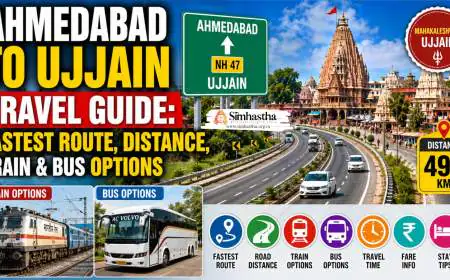















Travel Insurance vs Health Insurance for Pilgrims
Travel insurance vs health insurance for pilgrims: key differences, coverage gaps, and what every pilgrim needs before visiting Ujjain or Simhastha.

Your Health Insurance Might Not Protect You on Pilgrimage
You have health insurance. You pay the premiums every year. You assume that if something goes wrong—a fall, a heart issue, dehydration—you're covered. That assumption could cost you dearly.
Here's the truth most pilgrims discover only after an emergency: standard health insurance and travel insurance are not the same thing. Your regular health policy has limits. It may not cover you outside your home city. It may not cover emergency evacuation. It certainly won't cover trip cancellation or lost luggage.
I've seen pilgrims rushed to hospitals during Simhastha with heatstroke, crowd injuries, and cardiac events. The ones with proper travel insurance received care without financial panic. The ones who assumed their health insurance would suffice faced denied claims, out-of-network charges, and bills in the lakhs.
This guide explains the critical differences between travel insurance vs health insurance for pilgrims. When you need one, when you need the other, and why most pilgrims need both. Because the divine protects the soul. Insurance protects the wallet. Don't confuse the two. ⚕️
Trending Guides Now

Ujjain Temple Photography Rules Every Visitor Should Know

Ujjain Simhastha 5 Day Itinerary for Couples

2 Days Ujjain Itinerary: Complete Temple Darshan Plan
Surat to Ujjain Travel Guide: Routes, Distance and Time

Ujjain Railway Station to Mahakaleshwar Temple Distance (2026 Guide)

Ujjain Simhastha 2028 Dates Announced: Full Shahi Snan & Event Timeline

Ujjain to Mahakaleshwar Temple Distance & Taxi Fare (2026)
Ujjain Railway Station to Mangalnath Temple: Distance, Auto Fare and Best Route
What Pilgrims Actually Face: The Real Risks
Before we compare insurance types, let's understand what you're protecting against.
Medical emergencies common during pilgrimage:
-
Heatstroke and dehydration. Ujjain summers reach 42-45°C. Thousands of pilgrims, limited shade, long queues. Dehydration is common. Heatstroke can be fatal.
-
Crowd-related injuries. Stampedes, crushing, falls in queues. During Simhastha peak days, 3-5 crore people gather. Injuries happen.
-
Cardiac events. Elderly pilgrims walking long distances, standing for hours. Heart attacks during pilgrimage are not rare.
-
Respiratory issues. Dust, poor air quality, allergens. Asthma attacks, breathing difficulties.

-
Infections. Food poisoning, waterborne diseases, skin infections from crowded bathing ghats.
-
Accidents. Falls on wet ghat steps, slips in crowded temple premises, auto accidents.

Non-medical emergencies:
-
Trip cancellation. A family emergency, your own illness before departure, visa issues.
-
Lost baggage. Your medications, important documents, valuables disappearing.
-
Travel delays. Train cancellations, flight delays, stranded overnight.
-
Emergency evacuation. Needing transport from a small Ujjain hospital to a major facility in Indore or Mumbai.
Your regular health insurance might cover some of the medical items. It covers almost none of the non-medical ones. That's where travel insurance enters.
Health Insurance: What It Covers (And What It Doesn't)
Let me start with the policy you already have.
What standard health insurance typically covers:
-
Hospitalization for illness or injury (within network hospitals)
-
Doctor consultations (sometimes)
-
Diagnostic tests
-
Medications (during hospitalization)
-
Ambulance charges (sometimes, with limits)
What standard health insurance often DOES NOT cover:
-
Out-of-network hospitals. Your policy may only cover specific hospitals. If you're taken to a different one in an emergency, you may pay out of pocket.
-
Geographic restrictions. Many policies cover only your home city or state. Traveling to Ujjain (different state) may mean no coverage.
-
Emergency evacuation. Transporting you from Ujjain to a better hospital in Indore or to your home city. This can cost ₹10,000-₹50,000 for ground ambulance, ₹2-5 lakhs for air ambulance.
-
Trip cancellation. If you get sick before departure and can't travel, health insurance doesn't reimburse your train tickets or hotel bookings.
-
Lost baggage. Your medications in checked luggage that goes missing. Health insurance doesn't cover this.
-
Crowd-related injuries. Some policies exclude injuries from "mass gatherings" or "civil unrest." Check your fine print.
For international pilgrims visiting India: Your home country health insurance almost certainly does NOT cover you in India. Some premium policies have international coverage, but most do not. Without specific international travel insurance, you are uninsured in India.
The bottom line: Health insurance is for ongoing medical needs and planned care. It is not designed for the unpredictable emergencies of travel.
Travel Insurance: What It Covers That Health Insurance Doesn't
Travel insurance is specifically designed for the risks of being away from home. It complements your health insurance or, for international pilgrims, replaces it entirely.
Medical coverage in travel insurance:
-
Hospitalization for new illnesses or injuries during the trip (including out-of-network hospitals)
-
Emergency medical evacuation (air ambulance to appropriate facility)
-
Repatriation of remains (if the worst happens)
-
Dental emergency coverage (tooth pain during pilgrimage)
-
Daily hospital cash (fixed amount per day of hospitalization)
Non-medical coverage in travel insurance (health insurance has none of this):
-
Trip cancellation/interruption. Reimbursement if you cancel before departure or cut your trip short due to covered reasons (illness, family emergency, natural disaster).
-
Trip delay. Compensation for meals and accommodation if your train/flight is delayed.
-
Lost/delayed baggage. Reimbursement for essential purchases if your bags are delayed, or compensation if they're lost.
-
Personal accident. Lump sum payment for accidental death or dismemberment.
-
Personal liability. Coverage if you accidentally cause injury to someone else or damage property.
For domestic pilgrims (Indians traveling within India): Many travel insurance policies offer "domestic travel insurance" specifically for trips within the country. It's affordable (₹500-₹1,500 for a week-long trip) and covers the gaps in your regular health insurance.
For international pilgrims: You need comprehensive international travel insurance. Period. Your home health insurance does not cover India. A medical emergency without insurance could cost you ₹5-10 lakhs or more.
Key Differences at a Glance
| Coverage Area | Health Insurance | Travel Insurance |
|---|---|---|
| Hospitalization (in-network) | ✅ Yes | ✅ Yes (often broader network) |
| Hospitalization (out-of-network) | ❌ Limited or no | ✅ Yes (emergencies covered) |
| Pre-existing conditions | ❌ Usually excluded (waiting period) | ❌ Excluded (unless declared and accepted) |
| Emergency evacuation | ❌ No | ✅ Yes (air/ground ambulance) |
| Trip cancellation | ❌ No | ✅ Yes |
| Trip delay | ❌ No | ✅ Yes |
| Lost baggage | ❌ No | ✅ Yes |
| Daily hospital cash | ❌ No | ✅ Yes (optional) |
| Out-of-state/out-of-country | ❌ Limited or no | ✅ Yes |
| Crowd-related injury | ❌ May be excluded | ✅ Yes (check policy) |
| Cost for 1-week domestic trip | Already paying premiums | ₹500-₹1,500 extra |
The critical takeaway: Health insurance and travel insurance are not substitutes. They are complements. Health insurance covers your ongoing medical needs. Travel insurance covers the unpredictable emergencies of being away from home.
Which Pilgrims Need Travel Insurance?
Let me be specific about who should buy travel insurance for pilgrimage.
Domestic Pilgrims (Indian citizens traveling within India)
You need travel insurance if:
-
You're traveling to a different state (health insurance may have geographic limits).
-
You're traveling during Simhastha or another large gathering (crowd-related injury risk).
-
You're elderly or have pre-existing conditions (for evacuation coverage).
-
You've prepaid for train tickets, hotels, or tour packages (trip cancellation coverage).
-
You want peace of mind for ₹500-₹1,500.
You may skip travel insurance if:
-
You're traveling within your home city (not applicable for Ujjain).
-
Your health insurance has no geographic restrictions and covers out-of-network hospitals.
-
You're willing to self-insure (pay out of pocket for any emergency).
-
You're on an extremely tight budget and willing to accept the risk.
My recommendation: For a Ujjain trip from another city, buy domestic travel insurance. It costs less than one night in a mid-range hotel. The peace of mind is worth it.
International Pilgrims (foreign citizens traveling to India)
You ABSOLUTELY need travel insurance. No exceptions.
Your home country health insurance does not cover India. A hospitalization in Ujjain could cost:
-
Basic room with care: ₹5,000-₹10,000 per day
-
ICU: ₹20,000-₹50,000 per day
-
Emergency evacuation to Mumbai/Delhi: ₹50,000-₹1,00,000 (ground ambulance) or ₹5-15 lakhs (air ambulance)
-
Repatriation to home country: ₹10-30 lakhs
Without insurance, you pay all of this yourself. A family of four from the US without insurance faces potential financial ruin from a single medical emergency.
Minimum coverage for international pilgrims: $50,000-$100,000 medical coverage, including emergency evacuation and repatriation.
Real Scenarios: When You Need Which Insurance
Let me walk you through real pilgrim situations.
Scenario 1: Heart attack at Mahakal Temple
An elderly pilgrim from Delhi collapses in the queue. Rushed to a nearby hospital. ICU for 5 days. Needs air ambulance to Delhi for further care.
-
Health insurance (if good coverage): Covers hospitalization (if hospital is in-network). Does NOT cover air ambulance (₹10 lakhs+). Does NOT cover family's accommodation in Ujjain during treatment.
-
Travel insurance: Covers hospitalization (emergency, any hospital). Covers emergency evacuation (air ambulance). Covers family's extended stay (some policies).
Verdict: Both policies help. Travel insurance provides critical evacuation coverage.
Scenario 2: Dehydration and fainting
A young pilgrim from Mumbai faints in the sun. Treated at a clinic, given IV fluids, released after 6 hours. Total bill: ₹5,000.
-
Health insurance (if out-of-network): May deny claim (hospital not in network). May require reimbursement paperwork.
-
Travel insurance (domestic): Covers emergency outpatient treatment. Often has cashless facility.
Verdict: Travel insurance is simpler and more reliable for small emergencies away from home.
Scenario 3: Trip cancelled due to family emergency
You booked train tickets and a hotel for Simhastha. Your parent falls ill the day before departure. You cancel everything. Lose ₹15,000 in advance payments.
-
Health insurance: Nothing. Zero.
-
Travel insurance (with trip cancellation): Reimburses non-refundable expenses (up to policy limits). Requires documentation (medical certificate for parent).
Verdict: Only travel insurance protects your prepaid expenses.
Scenario 4: Lost luggage with medications
Your checked bag containing critical medications (blood pressure, diabetes) is lost by the airline. You arrive in Ujjain without your medicines.
-
Health insurance: Nothing (not a medical claim, no hospitalization).
-
Travel insurance (with baggage coverage): Reimburses emergency purchase of essential items, including medications. Some policies have 24/7 assistance to help source prescriptions.
Verdict: Only travel insurance helps here.
Scenario 5: International pilgrim with appendicitis
A pilgrim from Canada is in Ujjain. Appendix bursts. Emergency surgery needed. Hospital in Indore. Bill: ₹3 lakhs. Plus need to cancel return flight and rebook. Plus family needs to stay longer.
-
Health insurance (Canadian): No coverage in India.
-
Travel insurance (international, comprehensive): Covers surgery, hospitalization, changed flight, extended stay for family, emergency contact assistance.
Verdict: International pilgrims must have travel insurance. Non-negotiable.
Pre-Existing Diseases: What's Covered (And What's Not)
This is the most misunderstood area.
Health insurance: Most policies have a waiting period for pre-existing diseases (2-4 years). If you've had a condition before buying the policy, it may not be covered during the waiting period. After the waiting period, it's covered (for hospitalization, not OPD).
Travel insurance: Almost never covers pre-existing diseases. If you have a heart condition and have a heart attack during pilgrimage, travel insurance will likely deny the claim—unless you purchased a policy specifically covering pre-existing conditions (available from some providers at higher premiums).
What you should do:
-
For domestic pilgrims: Rely on your health insurance for pre-existing conditions. Get travel insurance for other emergencies (accidents, evacuation, trip cancellation).
-
For international pilgrims: Disclose all pre-existing conditions when buying travel insurance. Some policies offer coverage for "stable" pre-existing conditions (no changes in medication or symptoms in the last 6-12 months). Be honest—non-disclosure can void your policy.
For elderly pilgrims: Standard travel insurance may not cover age-related conditions. Look for "senior citizen travel insurance" or "pilgrim travel insurance" specifically designed for older travelers. Premiums are higher, but coverage is more appropriate.
Simhastha-Specific Considerations
Simhastha 2028 has unique risks that affect your insurance needs.
Crowd-related injuries: Some travel insurance policies exclude injuries from "mass gatherings" or "riots." Read the fine print. Look for policies that specifically cover Kumbh Mela or large religious gatherings.
Heat-related illnesses: Dehydration, heatstroke, heat exhaustion are common. Ensure your policy covers outpatient treatment (not just hospitalization). A simple IV fluids at a clinic may not require hospital admission but still costs money.
Infectious diseases: Large gatherings increase transmission of respiratory and gastrointestinal infections. Ensure coverage includes treatment for infectious diseases.
Emergency evacuation during Simhastha: Roads are congested, ambulances are delayed. Some travel insurance policies have "emergency medical transport" that can arrange helicopter evacuation from the mela ground to a major hospital. This is expensive but potentially life-saving.
Tent city stays: If you're staying in a government tent city, check if your travel insurance covers theft of belongings from temporary accommodation. Some policies exclude "unsecured" locations.
Pro tip: When buying travel insurance for Simhastha, ask specifically: "Does this policy cover events at Kumbh Mela/Simhastha?" Some insurers offer "pilgrimage-specific" policies with appropriate coverage.
What to Look for in a Pilgrim Travel Insurance Policy
Here's my checklist for choosing travel insurance for pilgrimage.
Essential coverages:
-
✅ Medical expenses (hospitalization and outpatient) - minimum ₹5 lakhs for domestic, $50,000 for international
-
✅ Emergency evacuation (air ambulance if needed)
-
✅ Trip cancellation (reimburses non-refundable expenses)
-
✅ Trip delay (compensation for delayed trains/flights)
-
✅ Lost/delayed baggage (especially for medications)
-
✅ 24/7 emergency assistance (phone number that works in India)
-
✅ Crowd-related injury coverage (explicitly stated)
Nice-to-have coverages:
-
✅ Daily hospital cash (₹500-₹2,000 per day of hospitalization)
-
✅ Personal accident (lump sum for accidental death/dismemberment)
-
✅ Personal liability (if you accidentally cause injury to someone)
-
✅ Pre-existing condition coverage (if available and affordable)
What to check carefully:
-
❌ Exclusions: Read the "what's not covered" section carefully.
-
❌ Network hospitals: Some travel policies have cashless networks. Know which hospitals in Ujjain are in-network.
-
❌ Deductibles: You may need to pay the first ₹500-₹5,000 of each claim.
-
❌ Claim process: Keep emergency contact numbers saved on your phone.
Estimated Costs for Pilgrim Travel Insurance
Domestic travel insurance (Indians traveling to Ujjain):
-
3-5 day trip: ₹300-₹800
-
7-10 day trip: ₹500-₹1,500
-
Senior citizen (age 60-80): ₹800-₹2,500
-
Family plan (4 members, 7 days): ₹1,500-₹3,000
International travel insurance (foreigners visiting India for Simhastha):
-
7-10 day trip: $30-$80 USD
-
2 weeks: $50-$120 USD
-
Senior citizen: $80-$200 USD
-
Family of 4 (2 weeks): $150-$400 USD
Compare to potential costs without insurance:
-
Hospitalization for dehydration: ₹5,000-₹15,000
-
Hospitalization for heart attack: ₹1-5 lakhs
-
Air evacuation from Ujjain to Mumbai: ₹5-15 lakhs
-
Repatriation of remains to USA: ₹10-30 lakhs
Insurance is a fraction of the cost of a single emergency.
Common Insurance Mistakes Pilgrims Make
Assuming health insurance covers everything. Read your policy. Understand geographic limits, out-of-network coverage, and evacuation.
Not disclosing pre-existing conditions. For international travel insurance, non-disclosure can void your entire policy. Be honest. Pay the higher premium if needed.
Buying the cheapest policy without checking coverage. The ₹200 policy may exclude crowd-related injuries. For Simhastha, that's useless. Pay ₹500 for proper coverage.
Not saving emergency numbers. When you buy the policy, save the 24/7 assistance number in your phone. Add it to your contacts. Also save it in a notebook (in case phone dies).
Waiting until after departure to buy. Travel insurance must be purchased before your trip starts. You cannot buy it after an emergency happens.
Ignoring exclusions. Policies don't cover adventure sports, self-inflicted injuries, or alcohol-related incidents. Plan accordingly.
Not carrying policy documents. Print a copy. Save a PDF on your phone. Email it to yourself. Have it accessible.
A Note on International Pilgrims: Special Considerations
If you're traveling from outside India to attend Simhastha, your situation is different.
Your home health insurance does NOT cover you in India. Verify this. Call your provider. Ask: "Am I covered for medical emergencies in India?" The answer is almost certainly no.
You need comprehensive international travel insurance. Minimum $50,000 medical coverage. Include emergency evacuation and repatriation.
Medicare (US) does not cover outside US. No coverage at all. You must buy private travel insurance.
UK residents: Your NHS coverage does not extend to India. Buy travel insurance.
EU residents: European Health Insurance Card (EHIC) does not work in India. Buy travel insurance.
Recommended providers for international pilgrims: World Nomads, Allianz Global Assistance, SafetyWing, AXA. Read reviews specific to India coverage.
The Emotional Insurance: Peace of Mind
Beyond the financial protection, travel insurance offers something harder to quantify: peace of mind.
When you're standing in a packed queue at Mahakal Temple, the sun beating down, you shouldn't be worrying about whether you can afford an ambulance if you faint. When your elderly parent is walking to Ram Ghat, you shouldn't be calculating evacuation costs. When your child complains of stomach pain, you shouldn't hesitate to seek medical care because of bills.
Insurance removes that hesitation. You make decisions based on health, not on money.
Pilgrimage is already physically demanding. Don't add financial stress to the burden. Buy travel insurance. Rest easier. Focus on the divine.
Lord Mahakal protects your soul. Insurance protects your savings. Both are forms of wisdom. 🙏
Frequently Asked Questions