






















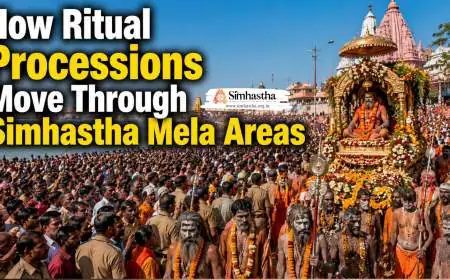



Which 84 Mahadev Temples Are Most Associated With Local Legends?
Discover which 84 Mahadev temples are most associated with local legends—from Agastyeshwar to Nagchandeshwar. Explore Ujjain's sacred Chaurasi Mahadev Yatra and its mythical stories.



Which 84 Mahadev Temples Are Most Associated With Local Legends?
Imagine a city so sacred that Lord Shiva himself chose to manifest in 84 different forms across its landscape. A city where every stone, every lane, every crumbling shrine whispers a story of divine intervention, demonic battles, royal penance, and miraculous blessings. 🕉️🏛️
Welcome to Ujjain—the city of Mahakal—where the 84 Mahadev temples (Chaurasi Mahadev) form a sacred network that is as rich in legend as it is in spiritual energy.
Which 84 Mahadev temples are most associated with local legends? The answer is not a simple list—it's a journey through mythology itself. According to the Skanda Purana, the Avantiksetra Mahatmya mentions that Ujjain is home to 84 Mahadevs, 6 Vinayaks, 24 goddesses, 8 Bhairavs, 11 Rudras, and 12 Adityas. The city was once known as Mahakalavana, or the "forest of Shiva".
Each of these 84 shrines carries a unique legend—stories of sages, kings, demons, and devotees that have been passed down through generations. Some temples are open only once a year. Some were established by the Pandavas during their exile. Some liberate devotees from karmic cycles. And some are so hidden that only the most dedicated pilgrims can find them.
Trending Guides Now

84 Mahadev Yatra in Ujjain: Complete Sacred Circuit Guide
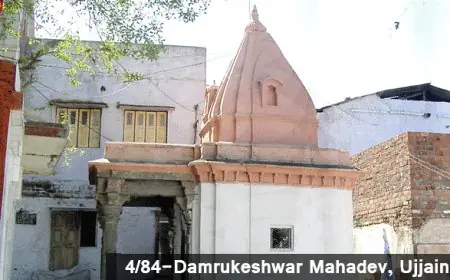
Shri Damrukeshwar Mahadev, Ujjain – The Divine Shiva Lingam Born from the Cosmic Damru Sound
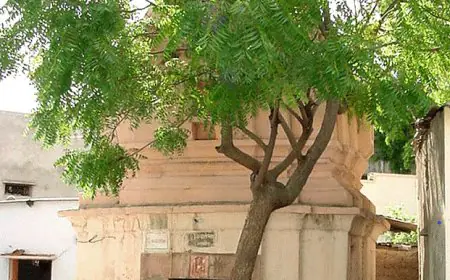
Shri Kapaleshwar Mahadev Ujjain – The Sacred Site Where Shiva’s Kapal Vrat Was Completed
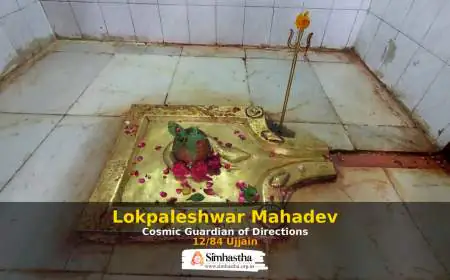
Lokpaleshwar Mahadev: 12/84 Ujjain's Cosmic Protector

Ujjain Railway Station to Mahakaleshwar Temple Distance (2026 Guide)

Ujjain Simhastha 2028 Dates Announced: Full Shahi Snan & Event Timeline

How ISKCON Ujjain Engages Young Devotees Through Programs

Benefits of Becoming a Simhastha Volunteer
Let me take you on a journey through the most legend-rich of Ujjain's 84 Mahadev temples—the ones where the stories are as powerful as the stones themselves. 🌟🔱
📜 The Origin: Why 84 Mahadevs?
Before we explore the temples themselves, we must understand the legend behind their existence.
The Andhakasur Legend
According to the Skanda Purana, a powerful demon named Andhakasur (or Dushan) terrorized the three worlds. Each drop of his blood that fell to the earth created a new demon. To stop this endless cycle of destruction, Lord Shiva struck the demon in Ujjain, and 84 drops of his blood fell on the sacred land. At each spot where a drop landed, Shiva manifested himself as a linga to contain the evil.
These 84 manifestations became the 84 Mahadev Temples.
The Symbolism of 84
The number 84 is not arbitrary. In Sanatan cosmology, it represents the 84 lakh yonis (births) that a soul must pass through in the cycle of karma and rebirth. Completing the darshan of all 84 Mahadevs is believed to dissolve accumulated karmic impressions and liberate the devotee from the endless cycle of rebirth.
The Sacred Network
Each Mahadev is considered a living spiritual energy point. The temples are spread across Ujjain city and its outskirts, forming a mystical circuit. Many scholars believe they are arranged in a cosmic triangular pattern, linked to ancient astronomy and energy fields. The tradition of Chaurasi Mahadev represents the complete spiritual circumference of Mahakal Kshetra.

🏛️ The Legend-Bearers: 12 Temples with the Most Powerful Stories
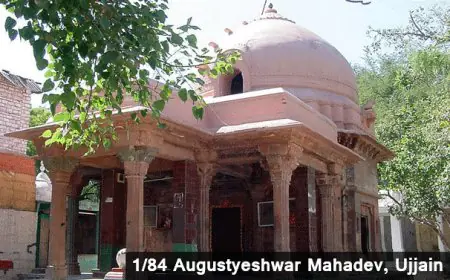
1/84 – Agastyeshwar Mahadev: The Sage's Redemption
Location: Behind Harsiddhi Mata Temple, Jaisinghpura
The Legend: According to tradition, Sage Agastya was once accused of committing the sin of killing a Brahma. To absolve himself, he performed rigorous penance at this spot. Lord Shiva appeared, blessed him, and freed him from the sin. From then on, the shrine became famous as Agastyeshwar Mahadev.
Why It Matters: This temple marks the beginning of the 84 Mahadev Yatra. Devotees believe darshan here grants liberation from sins and blessings of wisdom. The temple is considered very ancient, linked to the sacred Mahakal Van where sages performed austerities.
4/84 – Damrukeshwar Mahadev: The Protector of Heaven
The Legend: The mythological story of Damrukeshwar Mahadev begins with the protection of heaven and earth from a great demon named Vajrasura. Lord Shiva manifested here to safeguard the divine realm from this powerful demon.
Why It Matters: The temple gets its name from Shiva's damru (drum), symbolizing the primordial sound of creation. Worshipping here is believed to grant protection from enemies and evil forces.
8/84 – Kapaleshwar Mahadev: The Lord Who Conquered Sin
The Legend: Devadhidev Mahadev himself once narrated the glory of Shri Kapaleshwar Mahadev to his devotees. According to legend, this is where Lord Shiva got rid of the blame of killing Brahma. After severing Brahma's fifth head, the skull (kapala) clung to Shiva's hand. He wandered the earth as a kapali (skull-bearer) until he was liberated at this spot.
Why It Matters: The temple represents Shiva's journey from sin to liberation. Devotees believe worshipping here cleanses one from the burden of past sins.
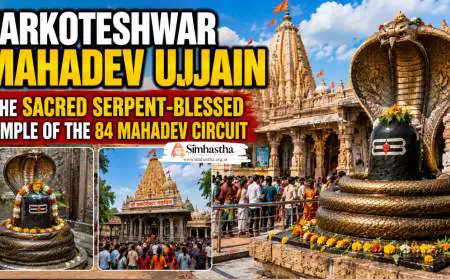
10/84 – Karkotkeshwar Mahadev: The Serpent's Redemption
Location: Near the banks of the Shipra River
The Legend: According to religious and mythological stories, Kadru, the mother of snakes, cursed all her sons—every snake born from her would be burnt to ashes in the yagya of the mighty Janamejaya. The serpent Karkotak sought refuge and redemption at this sacred spot, worshipping Lord Shiva to escape the curse.
Why It Matters: This temple is especially significant for those suffering from Kaal Sarp Dosh. Devotees believe worshipping here removes serpent-related afflictions and grants protection from fear.
13/84 – Mankamneshwar Mahadev: The Wish-Fulfiller
Location: Gandharva Ghat, near old Chhoti Rapat, on the banks of the Shipra River
The Legend: The name Mankamneshwar translates to "the Lord who fulfills wishes" (Man = mind, Kamna = desire). According to local belief, this is a wish-fulfilling shrine where devotees come to pray for marriage, children, prosperity, and success.
Why It Matters: The temple is located at Gandharva Ghat, adding to its mystical significance. It is considered one of the most powerful temples for wish fulfillment among the 84 Mahadevs.
15/84 – Indradyumneshwar Mahadev: The Path to Heaven
The Legend: According to mythology, visiting and worshipping at this temple allows a person to attain heaven. The temple is named after King Indradyumna, a legendary ruler known for his devotion to Lord Shiva.
Why It Matters: Devotees believe that darshan here opens the doors to heavenly realms and grants spiritual elevation.
16/84 – Ishaneshwar Mahadev: Freedom from Demonic Wrath
The Legend: This temple is where all the gods, along with Indra, got freedom from the wrath of the demon Tuhund. The gods worshipped Lord Shiva here to seek liberation from the demon's tyranny.
Why It Matters: The temple represents divine protection from demonic forces. Worshipping here is believed to remove obstacles and grant victory over enemies.
17/84 – Apsareshwar Mahadev: The Celestial Dancers' Worship
The Legend: Apsareshwar was named after the worship of Apsaras (celestial dancers). Once upon a time, all the gods along with Indra were residing here, and the celestial dancers worshipped Lord Shiva at this spot.
Why It Matters: This temple represents the connection between the divine and the celestial realms. It is associated with beauty, grace, and artistic blessings.
19/84 – Nagchandeshwar Mahadev: The Once-a-Year Miracle
Location: Patni Bazaar, Nagnath ki Gali, Ujjain
The Legend: According to Sage Narada, Mahakaal Vana (the ancient name of Ujjain) was declared the holiest region on Earth. It is said that 84 forms of Lord Shiva reside across this sacred land, and Nagchandeshwar holds a special place among them. According to local belief, only those who worship Nagchandeshwar Mahadev are truly blessed to traverse Ujjain and find peace in life and afterlife.
The Miracle: This temple is unlike any other. It remains locked for 364 days and is accessible to devotees for just 24 hours on Nag Panchami—a festival dedicated to the worship of serpents. The doors open at midnight on Nag Panchami during the holy month of Shravan (July–August). Lakhs of devotees gather from across India, with crowds exceeding 3–4 lakh in a single day.
The Idol: The idol inside is a captivating sight: Lord Shiva and Goddess Parvati are seated on a multi-hooded naga (serpent), with young Ganesha nearby. The idol is carved in the Pashupatinath style of Nepal and is a unique representation found nowhere else in the world.
Why It Matters: The temple is linked with the removal of Kaal Sarp Dosh, warding off nightmares, serpent fears, and bringing spiritual liberation. It is one of the most powerful and mysterious shrines in the 84 Mahadev circuit.
36/84 – Markandeshwar Mahadev: Where Death Was Defeated
Location: Vishnu Sagar Parisar, Ankapath, Ujjain
The Legend: The Markandeshwar Mahadev temple is believed to be the place where the young sage Markandeya was praying to Shiva in order to win over his destiny. According to legend, Markandeya was destined to die at age 16. He worshipped Lord Shiva at this spot with unwavering devotion. When Yamaraj (the god of death) came to claim him, Lord Shiva himself appeared and defeated death.
Why It Matters: This temple represents victory over death itself. Devotees believe that darshan here increases lifespan and removes the fear of untimely death. Worshipping here is believed to grant longevity, health, and protection from fatal diseases.
40/84 – Kundeshwar Mahadev: The Sage's Pond
Location: Near a natural water reservoir in ancient Ujjain
The Legend: According to legend, a devoted sage once performed deep penance at this spot. He created a pond (kund) and installed a Shivalinga beside it, worshipping Lord Shiva with full devotion. Pleased by his austerity, Lord Shiva appeared and blessed the place. Since then, it came to be known as Kundeshwar Mahadev—"the Lord of the Pond".
Why It Matters: The temple is considered a powerful place for self-purification and inner peace. The nearby pond adds a tranquil charm, making it ideal for meditation and prayer. Special rituals are held here during Shravan month and Mahashivratri.
44/84 – Uttareshwar Mahadev: The Northern Guardian
Location: Mangalnath Mandir area, Ujjain
The Legend: According to local legends, Uttareshwar Mahadev was established to safeguard the northern direction of the holy city of Ujjain. The temple is believed to be part of a spiritual energy grid that protects the sacred boundaries of the city. Another legend says that Lord Indra could not control the rain clouds, causing floods or droughts on earth, and this temple was established to restore balance.
Why It Matters: Uttareshwar is one of the four door-guardian Mahadevs that protect Ujjain from the four directions. Mahakal is believed to be their Kshetradhipati (lord of the region).
45/84 – Trilochaneshwar Mahadev: The Third Eye of Shiva
The Legend: This temple was established to honor the fierce form of Shiva, who with his third eye, destroyed desires, ignorance, and negative energies. According to a beautiful local legend, two pigeons lived at Trilochaneshwar Mahadev. They drank water offered to Shiva and lived on grains offered by devotees. They listened to stories and bhajans of Shiva daily. Through this simple devotion, the pigeons were blessed with liberation.
Why It Matters: The temple symbolizes Shiva's third eye of wisdom. It reminds devotees that even the simplest beings can attain salvation through devotion.
46/84 – Veereshwar Mahadev: The Warrior's Blessing
The Legend: According to local belief, when the Pandavas visited Ujjain during their exile, they installed 84 Shivlings across the city. Veereshwar Mahadev was established by them before a major battle, symbolizing Shiva's warrior aspect. The linga came to be known as Veereshwar as it was worshipped by a brave boy who ruled the whole world and reached Heaven after death.
Why It Matters: Devotees believe that worshipping Veereshwar Mahadev helps in leading a happy life on earth and grants liberation. It is associated with courage, strength, and victory.
48/84 – Abhayeshwar Mahadev: The Lord of Fearlessness
The Legend: According to legend, when one cycle of creation ended, the Sun and the Moon also disappeared. Lord Brahma became deeply concerned about the next cycle of creation. From his sight, two pearls fell, which transformed into two fierce demons. To protect creation, Lord Shiva manifested at this spot as Abhayeshwar—"the Lord who grants fearlessness".
Why It Matters: Visiting the Abhayeshwar Mahadev Temple is believed to instill fearlessness and enhance spiritual benefits. It represents protection from fear and anxiety.
61/84 – Sobhagyeshwar Mahadev: The Lord of Fortune
Location: Patni Bazaar, Ujjain
The Legend: According to legend, King Ashwahan's queen, Madanmanjari, was cursed with misfortune. It is said that even the touch of her husband would drain his energy. Saddened, she sought guidance from a sage, who advised her to worship the Shiva Linga located in the Mahakal Van. With deep devotion, she performed the rituals, and her misfortune disappeared. From that day, the deity came to be known as Sobhagyeshwar Mahadev—"The Lord who bestows fortune and prosperity".
Why It Matters: The temple is especially popular among women, who pray here for a good husband and the long life of their spouse. Devotees believe worshipping here removes planetary afflictions (graha doshas) and negative influences. The temple witnesses an extraordinary rush during Hartalika Teej, with doors open at midnight for continuous darshan.
77/84 – Pushpadanteshwar Mahadev: The Lord of the Mountain
Location: Kartik Chowk, Pandariba, Ujjain
The Legend: The temple is visible from the top of the valley on Kaka Ramchandra Raghuvanshi Marg. The name Pushpadanteshwar combines "pushpa" (flower) and "danta" (tooth/tusk), suggesting a connection to Ganesha or to a legend involving floral offerings.
Why It Matters: This is one of the later temples in the 84 Mahadev circuit, and visiting it completes the final stages of the pilgrimage. It represents the culmination of the spiritual journey.
🏛️ The Four Guardians and the Spiritual Grid
Four Mahadevs are considered to be the door guardians of the prosperous city of Ujjain:
-
Uttareshwar Mahadev (44/84) guards the north
-
The other three guardians protect the south, east, and west
Mahakal is believed to be their Kshetradhipati (the lord of the region). This spiritual energy grid protects the sacred boundaries of the city. The 84 Mahadev temples form a cosmic triangle, representing the complete spiritual circumference of Mahakal Kshetra.
🕯️ The Living Traditions: Rituals and Practices
The 84 Mahadev Yatra
Devotees walk or travel to all 84 temples, offering water, milk, flowers, and bilva leaves. The chanting of "ॐ नमः शिवाय" is constant during the journey. The yatra is especially performed during Shravan Maas (July–August) and Bhadrapada (August–September).
Special Days and Unique Traditions
-
Nagchandeshwar Temple: Open only once a year on Nag Panchami
-
Sobhagyeshwar Temple: Special midnight darshan during Hartalika Teej
-
Markandeshwar Temple: Associated with conquering the fear of death
-
Shravan Month: The most auspicious time for the yatra, with special rituals at all 84 temples
The Shravan 2026 Inauguration
In August 2026, the 84 Mahadev, Nav Narayan, and Sapt Sagar darshan-pujan yatra was inaugurated from the Mahakaleshwar Temple. The temple's chief priest, Vineet Giri Maharaj, flagged off the yatra.
🌟 Why These Legends Endure
The 84 Mahadev temples of Ujjain are not just historical relics—they are living traditions where mythology meets everyday faith. Each temple carries a story that has been passed down through generations:
-
Stories of redemption (Agastyeshwar, Kapaleshwar)
-
Stories of protection (Damrukeshwar, Ishaneshwar)
-
Stories of wish fulfillment (Mankamneshwar, Sobhagyeshwar)
-
Stories of victory over death (Markandeshwar)
-
Stories of cosmic order (Uttareshwar, Abhayeshwar)
-
Stories of divine mystery (Nagchandeshwar)
These stories are not just entertainment—they are spiritual tools that help devotees understand the nature of existence, the power of devotion, and the grace of Lord Shiva.
As Devdutt Pattanaik writes, "The city of Ujjain with 84 shrines dedicated to the destroyer, ultimately venerates the unending cycle of life and the immortality of the soul".
💫 Final Thoughts: The Stories That Live in Stone
Which 84 Mahadev temples are most associated with local legends? The answer is: all of them. Each of the 84 temples carries a story, a miracle, a blessing. Some are grand and dramatic—demons slain, curses broken, death conquered. Others are quiet and intimate—a sage's penance, a queen's prayer, a pigeon's devotion.
But what makes these legends truly special is that they are not just stories from the past. They are living traditions that continue to inspire devotion today. When you visit Agastyeshwar Mahadev, you are standing where Sage Agastya stood. When you worship at Sobhagyeshwar, you are seeking the same blessings that Queen Madanmanjari sought. When you stand in the queue at Nagchandeshwar on Nag Panchami, you are part of a tradition that has continued for centuries.
The 84 Mahadev temples of Ujjain are not just a pilgrimage—they are a journey through the mythology of Shiva himself. Each temple is a chapter in the eternal story of the destroyer who redeems, the lord of time who conquers death, and the god who manifests in 84 forms to protect his devotees.
And that is why these legends endure. 🕉️🔱🙏
Frequently Asked Questions