
































Simhastha Rituals
Simhastha Rituals represent the living spiritual backbone of the Ujjain Simhastha Kumbh, where ancient Sanatan traditions unfold in their purest form. Rooted in Vedic injunctions, Shaiva philosophy, and akhara discipline, these rituals are not symbolic performances but precise spiritual actions governed by astrology, sacred geography, and lineage-based authority. Every ritual performed during Simhastha follows a strict framework defined by planetary positions, river sanctity, and centuries-old custom preserved by akharas and priestly orders. At the heart of Simhastha rituals lies Shipra Snan, the holy bath in the Shipra River, believed to cleanse karmic impressions when undertaken on astrologically determined dates. Unlike other Kumbh gatherings, Simhastha rituals are deeply connected to Ujjain as Mahakal’s city, where Lord Shiva is worshipped in his eternal, time-governing form. This connection makes rituals here more regulated, more disciplined, and spiritually irreversible in intent. The Shahi Snan, led by akharas in a strict hierarchical order, is the most visible ritual of Simhastha, yet it is only one layer of a much larger ritual ecosystem. Beneath it operate daily fire rituals, secretive akhara ceremonies, initiation rites for ascetics, renunciation vows, lineage confirmations, and night-time spiritual observances that never appear in public schedules. Each ghat, each time window, and each procession route is chosen not for convenience, but for ritual correctness. Simhastha rituals are also location-specific. Certain rites are permitted only at designated ghats, while others are restricted to akhara zones or temple-linked spaces. Even the timing of aarti, pind daan, shraddh, and ancestral rites changes during Simhastha, reflecting the elevated spiritual charge of Ujjain during this period. This category documents, explains, and preserves the complete ritual system of Simhastha, from publicly visible ceremonies to rarely discussed traditions known only to sadhus and priests. Every article within this section is designed to offer factual clarity, cultural accuracy, and spiritual depth, ensuring that pilgrims, researchers, and seekers understand not just what is done during Simhastha, but why it must be done exactly that way. Simhastha Rituals are not optional observances. They are the mechanism through which the Simhastha Kumbh fulfills its cosmic purpose.

Simhastha Rituals Complete Guide to Sacred Practices in...
A complete and official guide to Simhastha rituals in Ujjain, explaining what ha...

Difference Between Shahi Snan and General Snan
Understand the clear spiritual, ritual, and hierarchical difference between Shah...


Why Shahi Snan Is NOT a Public Bath
A deeply explanation of why Shahi Snan in Ujjain Simhastha and Kumbh Melas is a ...

Shahi Snan Dates for Ujjain Simhastha 2028 Official Sch...
Official Shahi Snan dates for Ujjain Simhastha 2028 explained with tithi signifi...

Why Snan Dates Shift According to Planetary Positions i...
Snan dates in Simhastha are not fixed on a calendar. This detailed guide explain...

Why the First Shahi Snan Holds Supreme Spiritual Authority
The first Shahi Snan is the most authoritative ritual of Simhastha. This detaile...
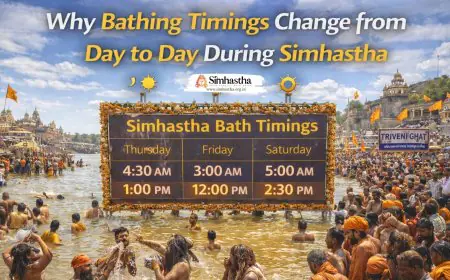
Why Bathing Timings Change from Day to Day During Simha...
Bathing timings during Simhastha are not fixed. This in-depth guide explains the...
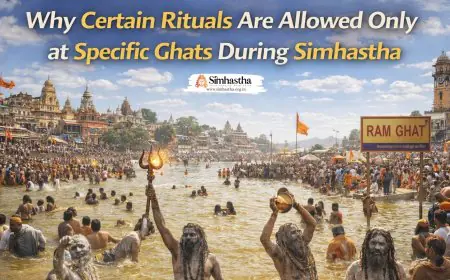
Why Certain Rituals Are Allowed Only at Specific Ghats ...
During Simhastha in Ujjain, every ritual is performed only at designated ghats. ...