























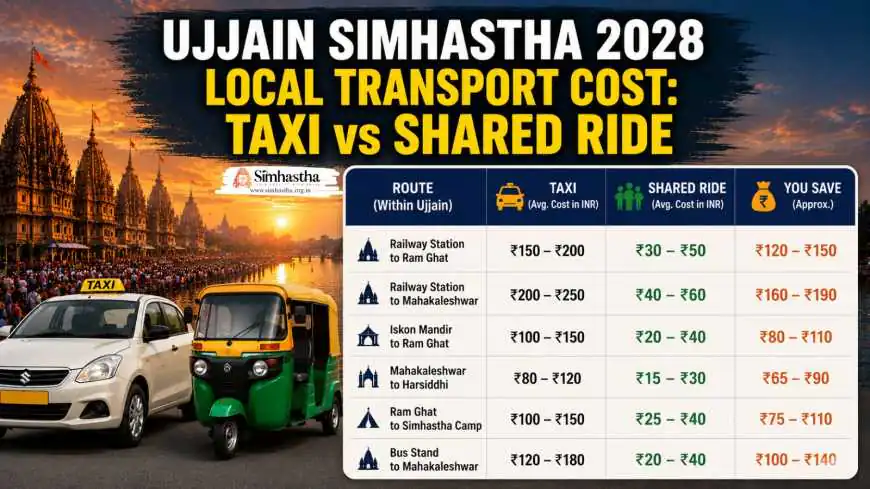
Ujjain Simhastha 2028 Local Transport Cost: Taxi vs Shared Ride
Compare taxi vs shared ride costs for getting around Ujjain during Simhastha 2028. Real prices, auto fares, shuttle buses, and money-saving tips.


Getting Around Ujjain During Simhastha: Your Wallet Will Thank You for Reading This
You've made it to Ujjain. The train journey is behind you. The bags are unpacked. Now comes the moment you realize: the holy dip is at Ram Ghat, Mahakal Temple is in one direction, your dharamshala is in another, and the crowds are unlike anything you've ever seen.
How do you move? And more importantly, how do you move without watching your Simhastha budget get crushed by overpriced autos?
I've walked these streets during peak Kumbh days, watched families argue with auto drivers, and seen pilgrims pay ₹500 for a ride that should have cost ₹60. I've also seen smart travelers move across the city for less than ₹100 a day using shared rides and their own two feet.
This guide is your honest, ground-level breakdown of Ujjain Simhastha 2028 local transport cost. No marketing. No guesses. Just real numbers, real strategies, and real talk about when to spend on a taxi and when to squeeze into a shared tempo. Because the divine is everywhere in Ujjain—but so are the transport traps. Let's navigate both. 🛺
Trending Guides Now
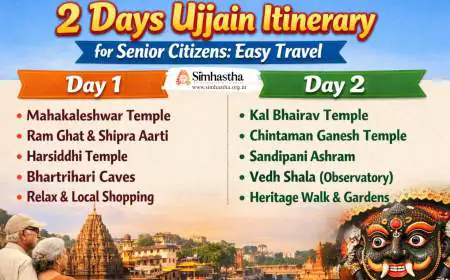
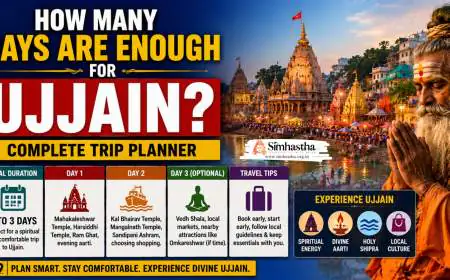
2 Days Ujjain Itinerary for Senior Citizens Easy Travel

Ujjain Simhastha 5 Day Itinerary for Couples

Safety Guidelines Every Ujjain Simhastha Pilgrim Must Follow
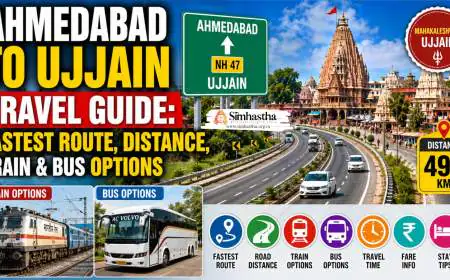
Mumbai to Ujjain for Simhastha 2028: Fastest Routes & Budget Tips

Ujjain Railway Station to Mahakaleshwar Temple Distance (2026 Guide)

Ujjain Simhastha 2028 Dates Announced: Full Shahi Snan & Event Timeline
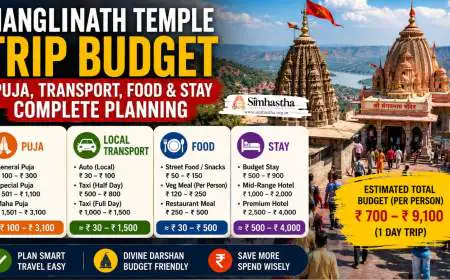
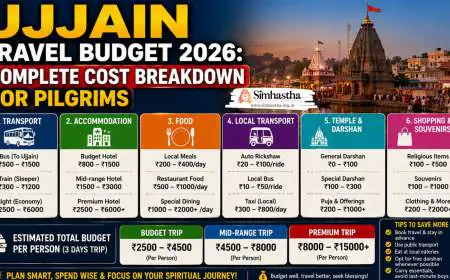
Mangalnath Temple Trip Budget: Puja, Local Transport, Food and Stay Planning
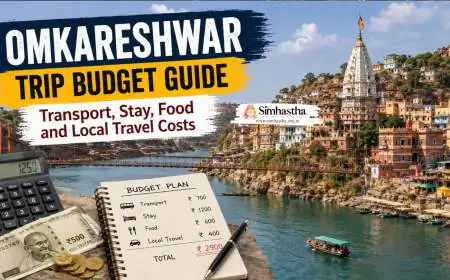
Omkareshwar Trip Budget Guide: Transport, Stay, Food and Local Travel Costs
Why Local Transport Costs Explode During Simhastha
Let me explain the economics of a Kumbh Mela from a local auto driver's perspective.
Normally, Ujjain has 5 lakh residents and a few thousand tourists. Auto drivers earn ₹500-₹800 daily. During Simhastha, 5 crore pilgrims arrive. Demand for autos increases 100x. Supply? The same number of autos (plus a few hundred brought from nearby cities). Simple math: prices skyrocket.
A ride that costs ₹50 in January will cost ₹300-₹500 on a shahi snan day. Is that fair? No. Is it reality? Yes.
But here's what most guides won't tell you: you don't have to pay those prices. The city runs alternatives—shuttle buses, shared tempos, walking corridors—that bypass the auto mafia entirely. The catch? You need to know where to find them.
Auto Rickshaws: The Most Convenient (And Most Expensive) Option
Let's start with the obvious. Autos are everywhere. They'll take you door-to-door. You don't need to figure out routes or share space with strangers.
Normal Ujjain auto fare (off-season):

-
Short ride (1-2 km): ₹30-₹40
-
Medium ride (3-5 km): ₹50-₹70
-
Long ride (5-8 km): ₹80-₹120
Simhastha peak day auto fare (reality check):
-
Short ride (1-2 km): ₹150-₹250
-
Medium ride (3-5 km): ₹300-₹500
-
Long ride (5-8 km): ₹500-₹800
Family of four making 3 trips per day for 5 days:
-
At normal rates: ₹450-₹750 total
-
At Simhastha peak rates: ₹2,700-₹7,500 total
See the problem? Autos during peak days are not budget-friendly.
When to use an auto despite the cost:
-
You're traveling with elderly or disabled family members
-
It's late at night (10 PM to 6 AM) and shuttles aren't running
-
You're carrying heavy luggage (more than one bag per person)
-
The weather is extreme (heavy rain or scorching heat)
-
Your group has 5+ people (split cost becomes reasonable)
How to negotiate:
-
Agree on the fare BEFORE sitting in the auto
-
Ask 2-3 drivers before choosing one
-
Know the approximate distance (use Google Maps)
-
Offer 30-40% less than their opening demand
-
Walk away if they don't agree—someone else will
Pro tip: Download Ola and Uber. During Simhastha, they work in Ujjain and offer fixed prices (usually 20-30% lower than what street autos demand). Pay by UPI to avoid cash disputes.
Shared Autos and Tempos: The Sweet Spot for Budget Travelers
This is where you save real money. Shared rides (called "tempos" or "share autos" in Ujjain) operate on fixed routes, pick up multiple passengers, and charge per person.
How shared tempos work:
-
They run on specific routes (e.g., Railway Station → Ram Ghat → Mahakal Temple → Freeganj)
-
You wait at a designated stop or flag one down
-
The auto/tempo already has 4-6 passengers inside
-
You squeeze in (yes, it's tight)
-
You pay a fixed per-person fare, regardless of distance on that route
Simhastha shared tempo fares (per person):
| Route | Normal fare | Simhastha fare (peak) | Travel time |
|---|---|---|---|
| Railway Station to Ram Ghat | ₹10-₹15 | ₹20-₹30 | 15 min |
| Nanakheda to Mahakal Temple | ₹15-₹20 | ₹30-₹40 | 12 min |
| Freeganj to Kshipra Ghats | ₹10-₹15 | ₹20-₹30 | 10 min |
| Madhav Nagar to Ram Ghat | ₹15-₹20 | ₹30-₹40 | 15 min |
| Bus Stand to Mahakal Temple | ₹10-₹15 | ₹20-₹25 | 8 min |
Family of four making 3 shared rides per day:
-
At normal rates: ₹120-₹180 total
-
At Simhastha peak rates: ₹240-₹360 total
Compare that to private autos at ₹2,700-₹7,500. The difference is staggering.
Downsides of shared tempos:
-
Cramped (especially with bags or children)
-
No door-to-door service (you walk from the stop)
-
Longer wait times (10-20 minutes during peak)
-
Routes are fixed (won't go to remote locations)
When shared rides make sense:
-
You're traveling light (one small bag or no bag)
-
Your group is 1-4 people (larger groups won't fit)
-
You're physically able to walk 5-10 minutes from the stop
-
It's daytime (shared rides are rare after 9 PM)
Pro tip: Ask locals or shopkeepers for the nearest "share auto stand." The official stands are usually near major chowks (intersections). Look for the crowd of people waiting—that's the spot.
Municipal Shuttle Buses: The Hidden Hero of Simhastha 🚌
Every Kumbh Mela, the municipal corporation runs special shuttle buses connecting parking zones, railway station, bus stand, and major ghats. These are the cheapest and most organized option—but most pilgrims don't know about them.
Shuttle bus fares (fixed by the government, no surge pricing):
-
Any route within the mela zone: ₹10-₹30 per person
-
Longer routes (Freeganj to Ram Ghat): ₹30-₹50
Family of four making 3 shuttle bus trips per day:
-
Total daily cost: ₹120-₹360 (depending on route length)
Advantages over autos and shared tempos:
-
Fixed price (no bargaining, no surge)
-
Air conditioned on some routes (look for blue buses)
-
More space (you can sit with your family)
-
Designated stops with signage
-
Operates even during peak crowd hours
Disadvantages:
-
Limited routes (only major corridors)
-
Less frequent during non-peak hours (before 6 AM, after 9 PM)
-
Can get crowded (standing room only)
-
Need to walk to designated stops (no door-to-door)
How to find shuttle bus stops:
-
Look for yellow boards with "Simhastha Special Bus Stop"
-
Ask at information booths (they have route maps)
-
Download the MP Tourism app (will have live bus tracking during mela)
-
Follow the crowd—where people are queuing, that's the stop
Pro tip: During peak bathing dates, the municipal corporation runs free shuttle buses from major parking lots to the ghats. If you're driving to Ujjain, park at designated lots (₹100-₹200 per day) and take the free bus. You save parking hassles AND transport costs.
Walking: The Most Underrated Local Transport
Here's the secret that frequent Kumbh attendees know: Ujjain's spiritual core is walkable.
The distance from Ram Ghat to Mahakal Temple is 800 meters (10 minutes). From Mahakal Temple to Harsiddhi Temple is 400 meters (5 minutes). From Ram Ghat to the nearest shuttle bus stop is usually under 500 meters.
Walking saves you:
-
₹300-₹500 per auto ride
-
10-15 minutes of waiting/negotiating
-
The stress of crowded vehicles
Walking costs you:
-
Comfortable shoes (₹800-₹1,500 one-time investment)
-
5-10 extra minutes per destination
-
Physical energy (plan rest breaks)
Realistic walking distances in Ujjain:
| Route | Distance | Walking time |
|---|---|---|
| Ram Ghat to Mahakal Temple | 0.8 km | 10-12 min |
| Mahakal Temple to Harsiddhi Temple | 0.4 km | 5-6 min |
| Ram Ghat to Kshipra Ghat 2 | 0.6 km | 8-10 min |
| Railway Station to Ram Ghat | 1.2 km | 15-18 min |
| Nanakheda to Mahakal Temple | 2.5 km | 30-35 min (better to take bus) |
When to walk:
-
Within the mela zone (Ram Ghat to Mahakal Temple area)
-
During off-peak hours (early morning 4-6 AM, evening 7-9 PM)
-
When you're traveling alone or with older kids
-
When the weather is pleasant (October-February)
When NOT to walk:
-
With heavy luggage or elderly parents
-
During peak afternoon heat (12-3 PM, especially in summer months)
-
After 10 PM in isolated areas
-
When you're already exhausted from queuing
Pro tip: Buy comfortable walking shoes 2 months before Simhastha. Break them in. Do not buy new shoes right before the trip—blisters on pilgrimage are miserable.
Cycle Rickshaws: The Eco-Friendly Middle Ground
Between autos (expensive) and walking (free but tiring) lie cycle rickshaws. They're slower than autos, cheaper than taxis, and more available than shuttles.
Cycle rickshaw fares during Simhastha:
-
Short ride (1-2 km): ₹50-₹100
-
Medium ride (2-3 km): ₹100-₹150
-
Long ride (3-4 km): ₹150-₹200
Family of four (two rickshaws or one larger rickshaw):
-
Per ride: ₹100-₹200 total
-
3 rides per day for 5 days: ₹1,500-₹3,000
Advantages:
-
Cheaper than autos (by 40-50%)
-
Open air (better for those who get car sick)
-
Easy to find near temple areas
-
Negotiable (drivers are more reasonable than auto wallahs)
Disadvantages:
-
Slow (10 km/h vs auto's 30 km/h)
-
Physically demanding for the driver (avoid during extreme heat—it's cruel)
-
No protection from rain or sun
-
Not suitable for long distances (>4 km)
Pro tip: For distances under 2 km, take a cycle rickshaw. For distances over 3 km, take a shuttle bus or shared auto. Cycle rickshaws are best for the "in-between" distances that are too long to walk but too short for a bus.
Taxis and Private Cabs: Only for Special Circumstances
Private taxis (including Ola, Uber) are the most expensive option. Use them only when necessary.
Taxi fares during Simhastha (one way):
| Route | Distance | Normal fare | Simhastha fare |
|---|---|---|---|
| Railway Station to Ram Ghat | 1.2 km | ₹80-₹120 | ₹250-₹400 |
| Nanakheda to Mahakal Temple | 2.5 km | ₹120-₹180 | ₹350-₹550 |
| Freeganj to Kshipra Ghats | 4 km | ₹150-₹250 | ₹450-₹700 |
| Indore Airport to Ujjain | 55 km | ₹800-₹1,200 | ₹1,500-₹2,500 |
When to book a taxi:
-
You have elderly family members (70+ years) with mobility issues
-
You're traveling with a disabled person (wheelchair accessible taxis exist—book in advance)
-
You have 5+ people with heavy luggage
-
It's late night (11 PM to 5 AM) and no other options exist
-
You're on a very tight schedule (need to reach airport/railway station urgently)
How to save on taxis:
-
Use ride-hailing apps (Ola, Uber) which have fixed prices and prevent surge gouging (somewhat)
-
Share with another family going the same direction (split fare 50-50)
-
Book round trips instead of two one-ways (negotiate a package)
-
Avoid booking taxis from railway station or airport prepaid counters without comparing app prices
Pro tip: If you need a taxi for multiple days (e.g., elderly parents who can't walk), negotiate a per-day package with a local driver. ₹1,500-₹2,500 per day for 8-10 hours of service is typical during Simhastha. This is cheaper than booking individual rides.
Real Cost Comparison: Taxi vs Shared Ride for a 5-Day Trip
Let me show you what a family of four actually spends on local transport during Simhastha, depending on their choices.
Scenario A: Private taxis for everything
-
3 rides per day × 5 days = 15 rides
-
Average Simhastha taxi fare: ₹450 per ride
-
Total: ₹6,750
Scenario B: Private autos for everything
-
15 rides × ₹350 average auto fare
-
Total: ₹5,250
Scenario C: Mix of shared tempos + walking
-
8 shared rides (₹100 per ride for family of four) + 7 walking (free)
-
Total: ₹800
Scenario D: Shuttle buses only
-
15 bus rides × ₹30 per ride for family of four
-
Total: ₹450
Scenario E: Walking only (within mela zone)
-
0 rides (walk everywhere within 1.5 km radius)
-
Total: ₹0
The difference between Scenario A (₹6,750) and Scenario E (₹0) is ₹6,750—enough to cover a family's entire food budget for 5 days or a comfortable dharamshala stay.
Route-by-Route Cost Guide for Pilgrims
Here's exactly what you should pay (maximum) for each major route during Simhastha 2028. Write these down.
| Route | Walk | Shared Tempo | Shuttle Bus | Cycle Rickshaw | Auto | Taxi |
|---|---|---|---|---|---|---|
| Railway Station → Ram Ghat (1.2 km) | 15 min | ₹20 | ₹15 | ₹60 | ₹200 | ₹300 |
| Ram Ghat → Mahakal Temple (0.8 km) | 10 min | ₹15 | ₹10 | ₹50 | ₹150 | ₹250 |
| Nanakheda → Ram Ghat (2.5 km) | 30 min | ₹30 | ₹25 | ₹120 | ₹350 | ₹500 |
| Freeganj → Mahakal Temple (4 km) | 50 min | ₹40 | ₹35 | ₹180 | ₹450 | ₹650 |
| Madhav Nagar → Kshipra Ghat (3 km) | 40 min | ₹35 | ₹30 | ₹150 | ₹400 | ₹550 |
| Bus Stand → Ram Ghat (1 km) | 12 min | ₹15 | ₹10 | ₹50 | ₹150 | ₹250 |
| Indore Airport → Any Ujjain hotel (55 km) | N/A | N/A | ₹80 (to city) + taxi | N/A | N/A | ₹1,500-₹2,500 |
Note: These are peak Simhastha rates. If you're traveling on non-peak days (before/after major snan dates), reduce these numbers by 30-40%.
How to Find Shared Rides and Shuttle Buses (Real Locations)
Let me give you exact locations. No vague instructions.
Major shared tempo stands in Ujjain:
-
Tower Chowk – Tempos to Ram Ghat, Freeganj, Nanakheda
-
Juna Rasta – Tempos to Railway Station, Madhav Nagar
-
Dewas Gate – Tempos to Mahakal Temple, Kshipra Ghats
-
Nanakheda Bus Stop – Tempos to City Center, Ram Ghat
Shuttle bus stops during Simhastha:
-
Railway Station – Outside the main entrance, yellow board
-
Bus Stand (Nana Kheda) – Designated Simhastha bus bay
-
Ram Ghat Entrance – Near the police control room
-
Mahakal Temple Parking – Behind the temple complex
-
Freeganj Chauraha – Next to the petrol pump
Pro tip: During peak days, the municipal corporation releases a Simhastha transport app with live tracking of shuttle buses. Download it. It saves hours of waiting.
The Hidden Cost of "Convenience" (And How to Avoid It)
Let me tell you a story.
At the last Simhastha, I watched a family of four arrive at the railway station at 8 PM. Tired. Hungry. Two crying children. An auto driver offered to take them to their dharamshala in Nanakheda for ₹600. They paid without negotiating.
The next morning, they discovered the dharamshala was 1.2 km from the station—a 15-minute walk. The auto should have cost ₹150. They paid 4x because they were exhausted and uninformed.
Here's how you avoid this:
-
Before you leave home, Google Maps the walking distance from railway station/bus stand to your accommodation
-
If it's under 2 km, walk (unless you have heavy luggage or elderly)
-
If it's over 2 km, ask at the information booth for the shuttle bus stop
-
Only take an auto if neither walking nor bus is feasible
-
And always, always agree on the fare before getting in
Mobile Apps That Save You Money on Local Transport
Ola / Uber – Works in Ujjain during Simhastha (limited coverage, but try). Fixed prices. UPI payment. 20-30% cheaper than street autos on average.
Google Maps – Shows walking routes, public transport options, and estimated auto fares (use as negotiation baseline).
MP Tourism Simhastha App – Will have live shuttle bus tracking, route maps, and fare information. Not yet released for 2028 but will be available by late 2027.
IRCTC RailYatri – For getting from railway station to your destination. Has a "local transport" feature with estimated fares.
Rapido – Bike taxis. Cheapest motorized option (₹30-₹60 per ride). Works well for solo travelers or couples. Not ideal for families with young kids.
What Locals Do (And You Should Too)
I asked Ujjain residents how they move during Simhastha. Here's what they told me.
"We don't go out during peak hours." – Between 10 AM and 4 PM, they stay home or walk only. They schedule temple visits for 5-7 AM or 7-9 PM.
"We use fixed-route tempos, never private autos." – They know the shared tempo stands and never haggle with private autos.
"We walk everywhere within 2 km." – Even locals with scooters park them and walk during mela days. Traffic is that bad.
"We keep small change." – ₹10, ₹20, ₹50 notes. Shared rides don't have change for ₹500 notes.
Copy them. They've been doing this for generations.
What You'll Actually Spend: Real Pilgrim Reports
From my conversations with families who attended Simhastha 2016 (the last one in Ujjain):
Family from Mumbai, 5 days, 4 people:
-
Used shuttle buses and walked
-
Total local transport cost: ₹650
-
"Never felt the need for autos. Buses were frequent."
Family from Delhi, 4 days, 3 people (one elderly):
-
Mix of auto (for elderly) + walked (for others)
-
Total local transport cost: ₹2,100
-
"We paid for comfort when needed. Saved when possible."
Family from Bangalore, 6 days, 4 people:
-
Used shared tempos and cycle rickshaws
-
Total local transport cost: ₹1,200
-
"Cycle rickshaws are underrated. Fun for kids too."
Solo pilgrim from Chennai, 5 days:
-
Walked everywhere (stayed within 1.5 km of ghats)
-
Total local transport cost: ₹0
-
"The walking was my meditation."
The Emotional Truth About Getting Around
Here's what no cost guide will tell you.
Moving through Ujjain during Simhastha is not convenient. The crowds will press against you. The waits will test your patience. The bargaining will exhaust you. There will be moments when you just want to throw money at the problem and be done with it.
That's normal. That's human.
But here's the gift hidden inside the struggle. The shared tempo where you sit next to a farmer from Ratlam who offers you a piece of his jaggery. The shuttle bus where a stranger holds your child so you can tie your shoe. The walk where you hear a bhajan from an unknown temple and stop, just stop, and feel something shift inside you.
Those moments don't happen in a private taxi with the windows rolled up. They happen when you're in the mess, in the flow, in the shared chaos of pilgrimage.
So save money on transport, yes. But also save something else: your willingness to be uncomfortable, to be close, to be part of something bigger than your own convenience.
The Kshipra is waiting. And the journey there, on foot or in a crowded tempo, is already part of the prayer. 🙏
Frequently Asked Questions