
































Rupees 476 Crore Sewerage Upgrade Begins to Keep Shipra River Clean for Simhastha 2028
Ujjain has started a ₹476 crore sewerage and STP upgrade to protect the Shipra River and ensure clean ghats, safe wastewater management, and hygienic conditions during Simhastha 2028.
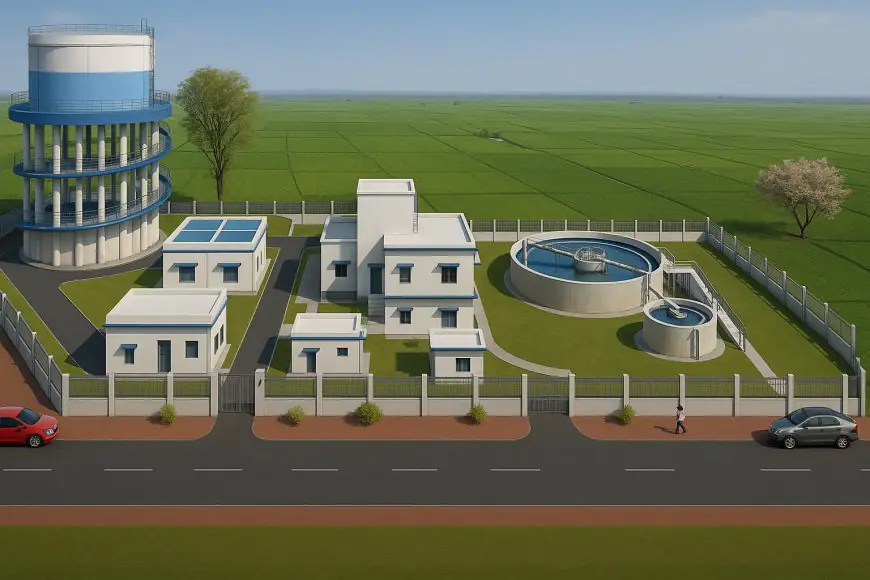


₹476 Crore Sewerage Network to Strengthen Cleanliness for Simhastha 2028
As the countdown to Simhastha 2028 gathers momentum, Ujjain has begun one of the largest sanitary infrastructure upgrades in its history. A massive ₹476.06 crore sewerage and treatment system is being built to ensure the holy Shipra River remains clean and pure during the spiritual mega-festival. With millions of devotees expected from across India and abroad, this civic upgrade focuses on pollution control, public health safety, and a smooth festival experience.
The project signals Ujjain’s commitment toward creating a city where devotion and hygiene coexist harmoniously, ensuring that every pilgrim experiences a sacred and healthy environment.
For Every pilgrims, understanding Simhastha 2028 dates and the official Shahi Snan timeline is essential before booking flights or accommodation, as these sacred dates are completely non-negotiable.
Citywide Sewerage Network Built for Festival Crowds and Urban Growth
Simhastha multiplies Ujjain’s population within days, making sanitation capacity crucial for public safety. To prevent wastewater from entering ghats or natural water channels, the city is establishing an underground sewerage pipeline network that covers both residential areas and dedicated Simhastha sectors.
Trending Guides Now

Ujjain Airport Project: A Historic Leap Before Simhastha 2028
Government Doubles Powers of Ujjain Mayor and Commissioner Ahead of Simhastha 2028
Indore–Ujjain Six-Lane Highway nearing completion — big step for regional growth!

Indore–Ujjain Six Lane Highway Update 2025: Completion Timeline & Simhastha Impact

Ujjain Railway Station to Mahakaleshwar Temple Distance (2026 Guide)

Ujjain Simhastha 2028 Dates Announced: Full Shahi Snan & Event Timeline

Benefits of Becoming a Simhastha Volunteer

Ujjain Travel During Shravan Month: What Changes for Visitors
The system includes deeper pipelines for uninterrupted flow, dedicated drainage lines leading to new treatment units, and pumping stations that keep the network functional even during the highest footfall. The festival camps, major roads leading to ghats, and permanent city zones will all be connected to the upgraded grid, eliminating overflow and contamination risks.
For readers seeking complete and authoritative coverage of Ujjain Simhastha, including its history, mythological significance, Shahi Snan rituals, dates, temples, Akharas, travel planning, and first-time pilgrim guidance, refer to our ultimate Simhastha guide for Ujjain. This detailed resource consolidates every essential aspect in one place and serves as the primary reference for understanding Simhastha holistically.
High-Technology Sewage Treatment Plants to Protect Shipra River
The new sewage treatment plants are designed with modern purification technology to ensure water quality remains optimal before returning to natural sources. These facilities use bio-filtration, aeration, and digital monitoring to ensure efficient water purification and a complete shutdown of untreated wastewater discharge into the Shipra.
Several units are being positioned near high-density festival zones to treat wastewater locally, reducing pressure on main treatment hubs. Sludge drying will be automated, odor will be controlled through dedicated systems, and treated water will be reused for irrigation and road-cleaning, reducing freshwater dependency.
Swachh Ujjain, Swasth Ujjain — A Long-Term Mission Beyond the Festival
Although the project is essential for Simhastha, the administration emphasizes that it is designed to bring lasting transformation. The sewerage revamp strengthens Ujjain’s participation in the Swachh Bharat Mission and aligns with the Zero Waste Simhastha 2028 initiative.
Cleanliness drives are being launched across schools, residential colonies, and marketplaces to encourage mindful use of public spaces. Volunteer groups are being trained for cleanliness support during the festival, while educational teams are guiding residents and pilgrims on responsible waste disposal. This shift aims to turn hygiene from a civic requirement into a habit and shared responsibility.

Cleaner Shipra, Healthier Communities
The Shipra River is not only the centerpiece of Simhastha — it is deeply connected to Ujjain’s cultural identity. Keeping it clean is crucial for both spiritual and health-centered reasons. The upgraded sewerage system will significantly reduce the risk of pollution in bathing areas, prevent the spread of water-borne infections, and stop toxic discharge from reaching groundwater.
The system also supports the Kanh Diversion Closed Duct plan, ensuring stormwater and urban runoff do not mix with sacred water sources. This ecological safety net ensures hygiene across the city and safeguards devotees, residents, and the environment.
Part of a ₹20,000-Crore Urban Reform Vision
The sewerage project is one segment of the large-scale development blueprint transforming Ujjain into a future-ready spiritual destination. The Simhastha 2028 Master Plan includes:
| Component | Status / Value |
|---|---|
| Road Widening | 581 km |
| New Ghats Construction | 29 km |
| Kanh Diversion Closed Duct | ₹919 crore |
| Drinking Water Network | ₹1,113 crore |
| Sewerage & STP Upgrade | ₹476.06 crore |
Together, these developments strengthen transport connectivity, access to water, sanitation, and festival infrastructure — ensuring Ujjain remains safe, well-organized, and spiritually vibrant.
CM Dr. Mohan Yadav — “Cleanliness Is Devotion”
Chief Minister Dr. Mohan Yadav reviewed the ongoing sewerage project and emphasized that civic improvements reflect spiritual discipline. His message highlighted that devotees deserve a clean environment that matches the sanctity of their faith.
He noted that maintaining hygiene is a form of worship and that Ujjain must host visitors with respect, care, and purity. This vision is shaping every step of the Simhastha 2028 preparation process.
Frequently Asked Questions