


















Does Shipra Holy Bath Remove Sins? Scriptures Explain
Does bathing in the Shipra River remove sins? Explore what Hindu scriptures say about Shipra Snan, karma purification, and Simhastha rituals.



Does Holy Bath in Shipra Really Remove Sins? What Scriptures Say
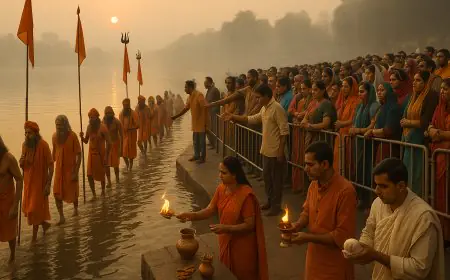
For centuries, millions of pilgrims have traveled to Ujjain to take a holy bath in the Shipra River, believing that the sacred water possesses the power to purify the soul and remove accumulated sins. This belief is especially strong during Simhastha, the great Kumbh gathering held in Ujjain, when devotees gather on the riverbanks to perform ritual bathing.
But an important spiritual question often arises: Does the Shipra holy bath truly remove sins, and what do Hindu scriptures say about it?
In Hindu philosophy, ritual bathing in sacred rivers is not merely a physical act. It is understood as a spiritual process involving devotion, intention, repentance, and divine grace. The sacred texts describe holy rivers as manifestations of divine energy capable of cleansing spiritual impurities when approached with faith and discipline.
The Shipra River, revered in many ancient scriptures, holds a special place in this spiritual tradition. The texts emphasize that while sacred bathing can purify past karmic impressions, its deeper purpose is to inspire moral transformation and spiritual awakening.
Trending Guides Now

Ujjain Simhastha 2028 Dates Announced: Full Shahi Snan & Event Timeline

Why Ujjain Is One of the Four Kumbh Cities in India

What Is Simhastha? Complete Explanation of Ujjain’s Sacred Kumbh
Difference Between Simhastha, Kumbh Mela, and Ardh Kumbh – Meaning, Significance & Comparison

Ujjain Railway Station to Mahakaleshwar Temple Distance (2026 Guide)

Mahakaleshwar Temple Entry Rules 2026: Dress Code, Mobile & Bag Policy

Ujjain Simhastha Update: CM Mohan Yadav Reviews 2028 Works

Karkateshwar Mahadev: 22/84 Mahadev of Ujjain
Understanding the scriptural perspective helps reveal that the Shipra Snan ritual represents far more than a symbolic dip in water—it reflects a profound spiritual practice rooted in ancient teachings about karma, purification, and divine connection.
For Every pilgrims, understanding Simhastha 2028 dates and the official Shahi Snan timeline is essential before booking flights or accommodation, as these sacred dates are completely non-negotiable
The Sacred Status of the Shipra River in Hindu Tradition
The Shipra River has long been regarded as one of the sacred rivers of India, particularly in connection with the spiritual city of Ujjain.
Ancient texts describe Ujjain as a powerful spiritual center where cosmic energies converge. The presence of the Shipra River enhances the sanctity of the city and plays a central role in its religious rituals.
According to traditional belief, sacred rivers carry divine energy capable of purifying the body and mind. The Shipra is often associated with spiritual renewal, particularly during auspicious celestial alignments.
Because of this sacred status, ritual bathing in the Shipra has become an essential practice for pilgrims visiting Ujjain during festivals and important religious occasions.

Scriptural References to Sacred River Bathing
The concept of holy river bathing for spiritual purification appears frequently in Hindu scriptures.
Ancient texts emphasize that rivers created or blessed by divine forces possess the ability to cleanse spiritual impurities when devotees approach them with faith.
Scriptures often describe three levels of purification connected to sacred bathing:
Purification of the physical body
Purification of the mind through devotion
Purification of karmic impressions
The act of bathing in sacred water therefore represents both an external ritual and an internal spiritual process.
A first time Simhastha guide is essential because without contextual understanding, pilgrims arrive prepared for devotion but unprepared for logistics, stamina, patience, and adaptability.
The Role of Karma in the Concept of Sin
To understand the idea that a holy bath in Shipra removes sins, it is important to understand the concept of karma.
In Hindu philosophy, karma refers to the actions performed by individuals and the consequences those actions create. Every action leaves an imprint that influences future experiences.
Sins in this context are understood as negative karmic actions that create spiritual obstacles.
Ritual purification practices, including sacred bathing, are believed to help neutralize or reduce these karmic effects when performed with sincere devotion and repentance.
Thus, the cleansing power of Shipra Snan is linked to the broader spiritual framework of karma and transformation.
Why Simhastha Makes Shipra Bath Especially Sacred
The Simhastha festival is considered the most powerful time for performing sacred bathing in the Shipra River.
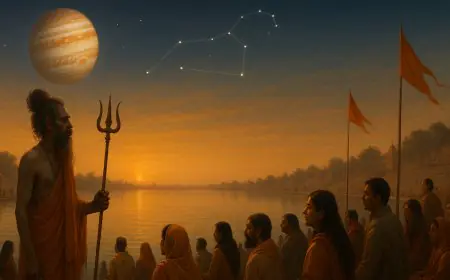
Simhastha occurs when specific planetary alignments take place, particularly involving Jupiter and the zodiac sign Leo. According to traditional astrology, these celestial conditions amplify spiritual energy.
During this period, the Shipra River is believed to carry heightened spiritual potency.
Pilgrims who perform Shipra Snan during Simhastha believe that the combined influence of sacred geography and cosmic alignment creates an extraordinary opportunity for purification and spiritual renewal.
The Importance of Intention in Sacred Bathing
Scriptures consistently emphasize that the effectiveness of sacred rituals depends on the inner intention of the devotee.
Merely bathing in water without spiritual awareness does not produce the same results as bathing with devotion, humility, and repentance.
The sacred texts highlight several important elements that enhance the spiritual value of ritual bathing:
Faith in the divine
Sincere repentance for past actions
Commitment to moral living
Respect for sacred traditions
When these qualities accompany the ritual, the act of bathing becomes a transformative spiritual experience.
Couples arriving during Ujjain Simhastha should spend their first few hours adjusting to the rhythm of the pilgrimage. Walking slowly through the city allows visitors to absorb the powerful spiritual atmosphere created by the gathering of saints and devotees attending the Ujjain Kumbh Mela.To deepen your understanding of the spiritual customs and sacred rituals practiced during Ujjain Simhastha, read our complete Simhastha rituals and sacred practices guide that explains their meaning, timing, and significance.
Spiritual Symbolism of Water in Hindu Philosophy
Water holds deep symbolic meaning within Hindu spiritual traditions.
It represents purification, renewal, and the flow of divine energy. Rivers are often viewed as living manifestations of sacred forces.
The act of immersing oneself in sacred water symbolizes the release of past impurities and the beginning of a renewed spiritual journey.
This symbolism explains why Shipra Snan is seen as both a ritual and a spiritual metaphor for inner transformation.
Also Read | Best Time to Visit Ujjain Simhastha 2028
The Role of Pilgrimage in Spiritual Purification
The journey to sacred places such as Ujjain is also considered an important part of spiritual purification.
Pilgrimage requires effort, devotion, and discipline. Traveling long distances to perform rituals at sacred sites is believed to strengthen spiritual intention.
When pilgrims combine travel, prayer, and ritual bathing, the experience becomes a holistic spiritual practice that supports moral and spiritual renewal.
Thus, the power of Shipra holy bathing is closely connected to the overall pilgrimage experience.
Also Read | Step-by-Step Guide to Shipra Snan at Ujjain Kumbh Mela
Interpretations by Spiritual Teachers
Many spiritual teachers explain that the Shipra Snan ritual should be understood both literally and symbolically.
On one level, the ritual represents faith in divine grace and sacred tradition.
On another level, it serves as a reminder that true purification occurs through self-reflection, ethical living, and spiritual awareness.
The ritual encourages devotees to leave behind harmful habits and begin a more disciplined spiritual life.
Also Read | Common Simhastha Mistakes Visitors Must Avoid
The Psychological and Community Dimension
Beyond its scriptural significance, the Shipra holy bath ritual also has powerful psychological and social effects.
Participating in the ritual alongside millions of other pilgrims creates a shared experience of devotion and spiritual unity.
This collective participation reinforces faith and strengthens the sense of belonging within the spiritual community.
For many pilgrims, the emotional experience of the ritual becomes as meaningful as the ritual itself.
The Deeper Meaning Behind Shipra Snan
The question of whether Shipra holy bathing removes sins ultimately leads to a deeper spiritual insight.
Scriptures suggest that purification does not occur through ritual alone. Instead, ritual acts as a doorway that encourages transformation of the mind and heart.
The sacred bath becomes a symbolic commitment to leave behind negative actions and move toward a more ethical and spiritually conscious life.
In this sense, the power of Shipra Snan lies not only in the sacred water but also in the spiritual intention that accompanies the ritual.
Planning a trip to Ujjain Simhastha? Check our Ujjain Simhastha 2028 Cost Per Person (Full Budget Guide) to understand accommodation, food, and travel expenses during the Ujjain Kumbh Mela.
A Sacred Invitation to Renewal
The tradition of bathing in the Shipra River during Simhastha continues to inspire millions of pilgrims each generation.
Scriptures describe sacred rivers as pathways to divine grace, but they also remind devotees that true purification begins within the heart.
The holy bath therefore becomes an invitation to reflect, renew, and reconnect with spiritual values.
For those who approach the ritual with faith and sincerity, the experience of Shipra Snan represents a profound moment of spiritual renewal within the timeless traditions of Hindu devotion.
Related Simhastha 2028 Guides :
- Simhastha 2028 Dates Officially Announced: Full Event & Shahi Snan Timeline
- Top 10 Routes to Enter Ujjain During Simhastha 2028 Without Traffic Hassles
- How to Travel Inside Ujjain During Simhastha 2028: Routes, Maps and Movement Plans
- How to Travel in Ujjain During Peak Snan Days: Do’s & Don’ts for Simhastha 2028
- Solo Travel Guide for Simhastha 2028: Safety, Budget, Stay & Movement Tips
- Mumbai to Ujjain for Simhastha 2028: Fastest Routes & Budget Tips
- Bengaluru to Ujjain for Simhastha 2028: Night Travel vs Day Travel Comparison
- Delhi to Ujjain for Simhastha 2028: Fastest Same-Day Travel Plan for Pilgrims
- Ujjain Simhastha from New York: Best Travel & Stay Guide
- Ujjain Simhastha From London: Complete Travel & Stay Guide
Frequently Asked Questions