






















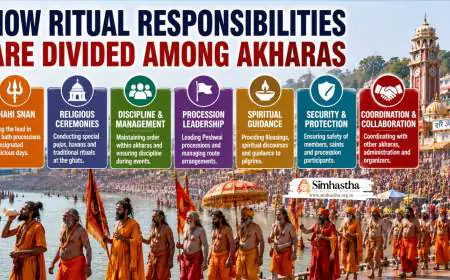

Myths and Facts About Kal Bhairav Temple Offerings
Separate myths from facts about Kal Bhairav Temple offerings. Learn the truth about the liquor ritual, why meat is never offered, and how to approach Ujjain's fierce guardian with honest devotion.
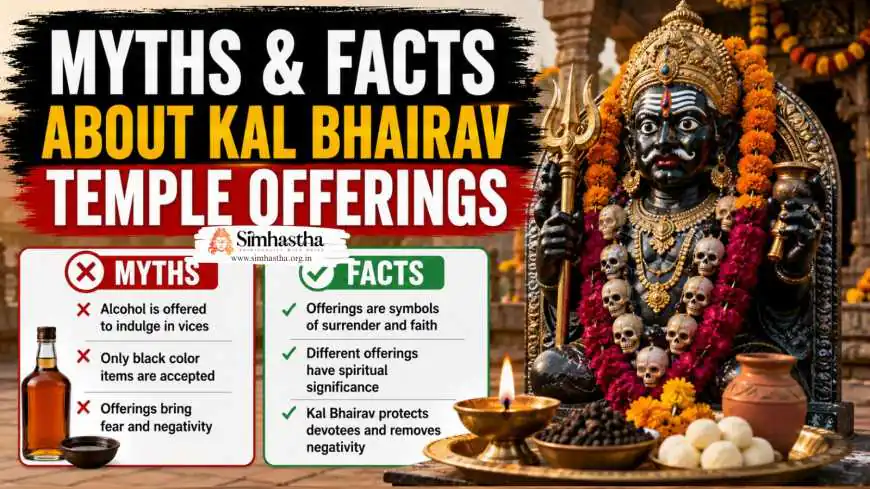


The Liquor Offering Is Not a Party but a Sacred Surrender
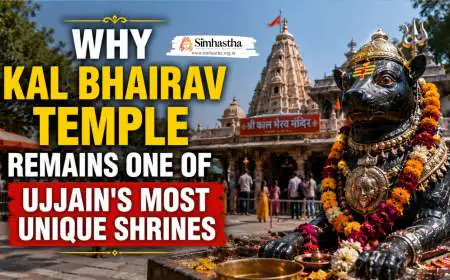
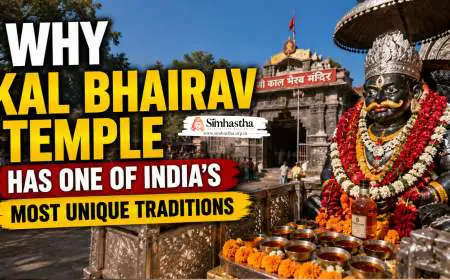
The single greatest myth surrounding Kal Bhairav Temple is that the liquor offering is a profane, bizarre custom at odds with the purity of Hindu worship, or worse, that it is a Bacchanalian ritual where devotees and priests indulge in drinking. The fact is fundamentally different. The offering of madira to the fierce guardian is a deeply codified tantric ritual of surrender. In the tantric path, what is ordinarily considered impure or taboo is deliberately offered to the divine as an act of radical non-attachment. Liquor, which intoxicates and clouds the mind, represents the devotee's own inner weaknesses—their anger, lust, greed, and pride. By placing a sealed bottle before the deity, the devotee is symbolically saying, "Lord, I cannot overcome these binding forces on my own. I place them at your feet. Consume them. Transform them." The priest then performs the ritual offering, touching the opened bottle to the deity's lips, and the remainder is returned not as a drink for immediate consumption but as blessed prasad, a substance that has been transformed by the deity's fierce grace. This is not a party; it is a profound, ritualised act of spiritual detoxification. 🔱
Meat and Blood Have Never Been Offered to Kal Bhairav in Ujjain
One of the most persistent and damaging myths, often amplified by sensationalist media, is that Kal Bhairav Temple accepts meat, blood, or animal sacrifice. This is categorically false. While Bhairava in certain esoteric texts is associated with cremation grounds and the consumption of impure substances, the ritual protocol of the Mahakaleshwar-tatkal-bhasma-aarti-booking-guide" class="contextual-link" data-post-id="760">Ujjain temple is strictly sattvic in this regard. The guardian deity of this particular kshetra is worshipped with vegetarian offerings. The ritual items that are traditionally accepted and blessed are sealed liquor, coconuts, marigold garlands, black sesame seeds, black cloth, and simple sweets. Any visitor attempting to bring meat, blood, or any non-vegetarian offering into the temple would be stopped by the priests and the security. The myth likely arises from a conflation of Ujjain's Kal Bhairav with more extreme tantric Bhairava shrines in other parts of the subcontinent, or from a fundamental misunderstanding of the fierce iconography. The dogs, who are sacred to Bhairava, are fed simple biscuits and vegetarian fare by the devotees. The energy of the temple is undeniably fierce, but its ritual purity is meticulously maintained. Offering meat would be a grave violation of the temple's maryada and would insult the guardian it seeks to honour. 🪔
The Bottle Must Be Sealed and Never Consumed Inside the Temple
A common logistical mistake, often born from this myth, is that a devotee can bring an open, half-consumed bottle of whiskey from their home or hotel and offer it at the shrine. The fact is ironclad: the bottle must be completely sealed and unopened. The priest will not accept an open bottle. The seal is the proof of the offering's integrity; an open bottle is considered ritually impure, a leftover, not an offering. The ritual involves the priest breaking the seal in the deity's presence, pouring a small quantity into the offering plate, and touching it to the idol. The devotee's role is to present the sealed bottle to the priest. A second part of this myth is that the devotee should then drink the prasad immediately inside the temple. This is absolutely forbidden. The returned prasad is a sacred substance, and consuming it inside the temple precincts or entering the temple in an intoxicated state is a deep disrespect to the guardian. The prasad is to be taken home, treated with reverence, or distributed. The act of offering is a one-way transaction of surrender, not a shared drink with the deity. ✅
Country Liquor and Mahua Are Traditionally Favoured, Not Costly Foreign Brands
Many visitors, out of a misplaced sense of devotion, believe they must bring the most expensive bottle of Scotch or premium vodka to please the fierce lord. The fact is that Kal Bhairav has no need for premium branding. The traditional offering is desi daru (country liquor) or mahua, a spirit distilled from the mahua flower, which has been used in local rituals for centuries. These simple, rustic liquors are considered closer to the earth and more aligned with the raw, unpretentious energy of the guardian deity. They also carry a specific chemical and symbolic composition that has been part of the ritual ecology for generations. The priest will accept a sealed bottle of any commercial brand—it is not refused—but the devotee who arrives with a locally purchased quarter of desi sharab, bought from the authorised shops lining the approach road, is participating in a tradition that is far more authentic and spiritually resonant. The idea that a more expensive offering earns more grace is a classic transactional myth. Bhairava, the lord of the cremation ground who wears a garland of skulls, is impressed not by the price tag but by the sincerity behind the offering. A bottle of simple country liquor offered with a humble heart is infinitely more potent than a premium brand offered with ego. 🛕
Trending Guides Now
Why Kal Bhairav Is Considered the Guardian of Ujjain
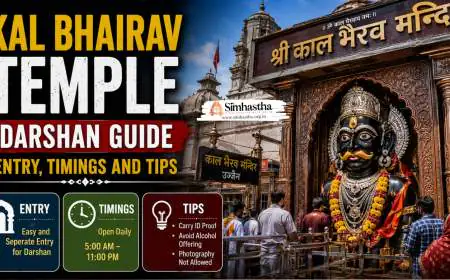
Kal Bhairav Temple Darshan Guide: Entry, Timings and Tips

Kal Bhairav Temple Rules Every First-Time Visitor Must Know

Why Kal Bhairav Temple Attracts International Visitors

Ujjain Railway Station to Mahakaleshwar Temple Distance (2026 Guide)

Ujjain Simhastha 2028 Dates Announced: Full Shahi Snan & Event Timeline

Mahakaleshwar Sandhya Aarti Online Booking 2026: Fee, Timings, Entry Gate and Step-by-Step Process

Latest Simhastha 2028 Development Projects Every Pilgrim Should Know
Only the Priest Pours the Offering; The Devotee Does Not Touch the Idol
A chaotic and disrespectful practice that sometimes occurs is a devotee, overwhelmed by fervour, attempting to open the bottle themselves, pour it onto the idol, or touch the deity's lips directly with the bottle. This is a myth of participation that must be replaced with the fact of priestly mediation. The ritual is the exclusive domain of the temple's authorized priests. The devotee's role is to stand before the deity, hold the sealed bottle in their hands for a moment of prayer, and then hand it to the priest. The priest then takes the bottle, opens it, pours a measured amount onto the flat offering plate, and touches it to the stone lips of the murti. The devotee should not reach out to touch the idol, pour the liquor, or interfere with the priest's movements. The queue is managed for a reason; the ritual is precise. The priest's role is not a power play but a functional necessity. He is trained in the specific mantras and the exact sequence of gestures that constitute the valid ritual. A sincere devotee receives the full blessing by simply witnessing the act and receiving the returned prasad. The urge to "do it yourself" stems from a misunderstanding of how sacred ritual functions. The ritual is a collaboration, with the priest as the skilled instrument. 🙏
Black Magic and Spells of Harm Are Not Welcome Here
Because of his fierce, tantric form, a dangerous myth has attached itself to Kal Bhairav: that he is a deity who can be petitioned for black magic, hexes, or the destruction of one's enemies. The fact is the stark opposite. Kal Bhairav is the nyay priya, the lover of justice, the divine kotwal who protects Ujjain. He is the guardian of the sacred city, and his fierce energy is directed against the forces of adharma, not for the petty vendettas of individuals. A prayer offered with the intention of harming another person is not only spiritually impotent at this shrine but is considered to backfire severely on the petitioner. The guardian sees the intention behind every offering. The bottles of liquor that are offered by the desperate and the vengeful are, in the spiritual reality, refused. The priests and local devotees recount numerous cautionary tales of those who tried to use the shrine for maleficent purposes and ended up bringing destruction upon their own lives. The temple is a place of protection, not a supernatural hitman for hire. The sincere devotee prays for courage, for the removal of inner enemies (anger, jealousy, fear), and for the strength to walk the path of dharma. That is the only petition that the dark, fierce guardian honours. ⚠️
The Temple Dogs Are Not Strays but Living Guardians
A visitor who is unaware of the temple's customs might see the dogs lounging in the courtyard and dismiss them as strays, or worse, shoo them away in fear. The myth is that these are just random, unfortunate animals; the fact is that the dogs are sacred and integral to the worship of Kal Bhairav. In the theology of the temple, the dog is the vahana, the divine vehicle of Bhairava. The dogs that live in and around the temple are considered living embodiments of the deity's protective, territorial energy. They are not pets, but they are not nuisances. Devotees who feed the temple dogs biscuits or simple bread are performing a meritorious act, as their offering is believed to reach the deity directly. Harming, teasing, or showing aggression toward the dogs is considered an affront to Bhairava himself. The dogs are part of the sacred ecosystem of the shrine, and they are treated with the respect due to the servants of a great lord. A pilgrim who takes a moment to quietly feed a dog in the courtyard will often find the experience as blessed as the darshan itself. The dogs' ancient, knowing eyes are said to be the very eyes of the guardian, watching over his domain. 🐕
The Returned Prasad Is a Blessed Substance, Not a Beverage
A persistent and awkward myth is that the prasad returned from Kal Bhairav's offering is simply a "free drink" or a trophy to be consumed immediately as a mark of machismo. The fact is that the returned bottle of liquor is sanctified prasad, no different in its sacred status from a packet of vibhuti from Mahakaleshwar or a laddu from a temple kitchen. It has been touched to the deity and transformed. As such, it should be treated with reverence. It should not be guzzled in the street, shared as a joke, or used to get intoxicated. Traditional practice is to take the prasad home, place it respectfully, and consume a small amount later with the understanding that one is ingesting a blessing. Many devotees choose not to consume it at all, instead keeping it on their home altar as a symbol of the guardian's protection. The prasad is the tangible return on the offering, the proof that the surrender has been accepted. To treat it with disrespect is to unravel the spiritual meaning of the entire ritual. This is one of the most crucial facts for any first-time visitor to internalize before they stand in the queue. 🛕
The Offering of an Empty Bottle Is a Grave Insult
Perhaps the most insulting, though thankfully rare, mistake is the assumption that an empty bottle, even a symbolic one, can be offered as a gesture. The myth that "the thought counts" or that the ritual is purely symbolic is countered by the fact that the material substance of the offering is essential. A sealed, full bottle of liquor is a real sacrifice of a valuable substance. It represents a genuine material offering made to the divine. An empty bottle is a hollow shell, a mockery of the ritual. It signifies an attempt to cheat the deity, to go through the motions without any real surrender. The priest will immediately refuse it, and the devotee's attempt at fraud will be publicly exposed. The offering of alcohol at Kal Bhairav Temple is not a metaphor; it is a concrete tantric ritual in which the physical substance of intoxication is literally handed over for transformation. An empty bottle is an empty gesture, and the fierce guardian of Ujjain is not moved by empty gestures. Bring the real offering, sealed and whole, or offer only your sincere prayers, which are also accepted with grace. ⚠️
Kal Bhairav Is Not a "Tantric Demon" but a Sattvic Guardian of the Sacred City
The accumulation of myths—liquor, fierce form, cremation ground associations—leads some outsiders to categorize Kal Bhairav as a "dark" or "demonic" entity, a dangerous god for desperate people. The fact is that Kal Bhairav, in the context of Ujjain, is a sattvic guardian, a protector appointed by Mahakal himself. His role is to maintain the spiritual boundary of Avanti. He is the divine police chief, and his fierceness is a function of his protective duty, not his intrinsic nature. The ritual offerings, though they appear unconventional, are a sophisticated spiritual technology for dealing with the shadow aspects of the human psyche. The temple is a place of immense power, but it is a power ordered toward protection, justice, and spiritual purification. The devotees who frequent the shrine are not a cabal of dark magicians but ordinary people seeking strength, courage, and the removal of obstacles. The guardian is a father figure, stern but infinitely loving to those who come under his protection. To label him as demonic is to profoundly misunderstand the entire theology of the shrine. He is a fearsome angel, not a fallen one. 🔱

The Only Acceptable Currency Is a Sincere Heart
In an age where VIP passes and monetary shortcuts have crept into many temples, a final myth is that a larger donation or an expensive bottle will grant a pilgrim a more powerful blessing at Kal Bhairav. The fact is that the guardian's economy runs on sincerity alone. The queue is democratic; there is no premium darshan lane. The priest will accept a simple bottle of country liquor from a poor farmer with the same ritual precision as he accepts a bottle from a wealthy merchant. The guardian's fierce gaze penetrates the heart, not the wallet. A pilgrim who arrives with a genuinely penitent heart, a true desire to be freed from a binding addiction or a paralyzing fear, will leave with a profound sense of relief, regardless of the cost of their offering. The prasad returned to them is a sign of a personal, protective covenant that no amount of money could ever buy. This is the most important fact, the one that dissolves all the transactional myths. Kal Bhairav is not for sale. His protection is a gift of grace to the sincere. The sealed bottle is the symbolic key that opens the door to that grace, but the true offering is the unsealed, vulnerable heart of the devotee. 🙏
Frequently Asked Questions