






























Why Evening Visits to Harsiddhi Temple Are So Popular
Discover why evening visits to Harsiddhi Temple are so popular among pilgrims in Ujjain. From the mesmerizing lamp ritual to the cool spiritual atmosphere, experience the magic firsthand.


The Deep Malika Ceremony That Stops Time Itself
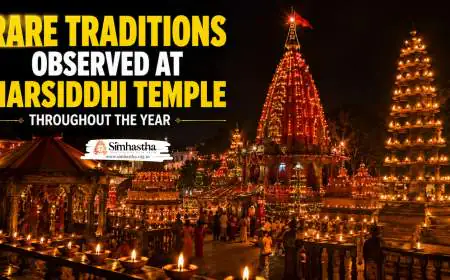
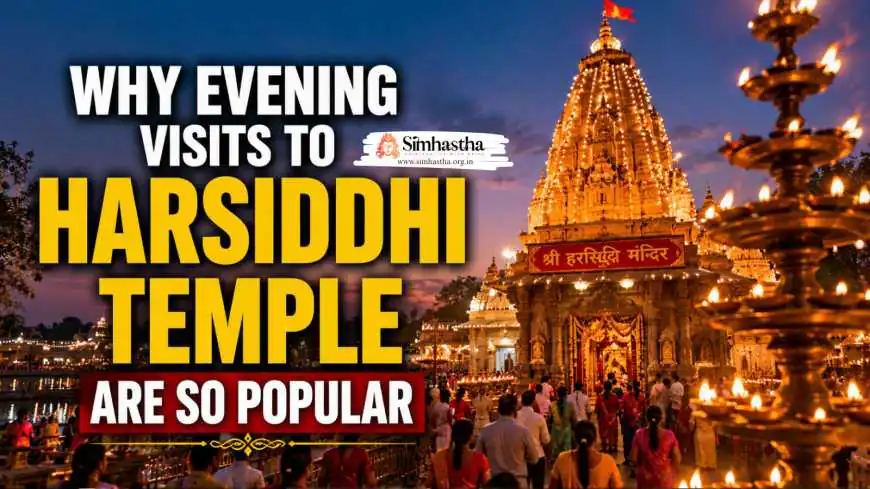
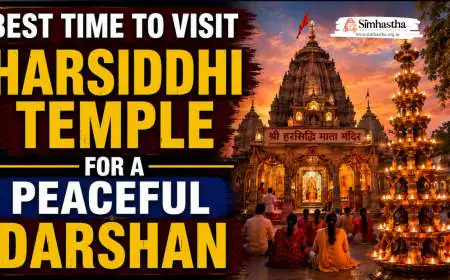
If you ask any pilgrim who has experienced it, the singular phenomenon that makes an evening visit to Harsiddhi Temple unforgettable is the Deep Malika ritual. This is not merely an aarti in the conventional sense. As twilight settles, the temple priests begin lighting rows upon rows of earthen lamps that line the towering deep stambhas—two majestic lamp pillars that flank the temple's entrance. These pillars, constructed in the Maratha architectural style characteristic of the temple's 18th-century reconstruction, are embedded with hundreds of small niches, each designed to cradle a single diya. When every lamp is kindled, the twin pillars appear as cascading columns of golden fire against the darkening sky. The sheer visual drama of this moment—the flames flickering in unison, the shadows dancing on the ancient stone walls, the scent of ghee and camphor saturating the evening air—creates an atmosphere that feels suspended between the earthly and the divine. This is the experience that travel photographs struggle to capture and that brings pilgrims back, evening after evening, during their stay in Ujjain.
The Shaktipeeth Energy That Intensifies After Sunset
Beyond the visual spectacle, there is an intangible, energetic shift that occurs at Harsiddhi Temple in the evening hours. As one of the most powerful Shaktipeeths in India, the temple is believed to be a reservoir of primordial feminine energy. Devotees and Tantric practitioners alike have long held that this shakti energy becomes more palpable and accessible after sunset, when the distractions of the material world fade and the veils between realms grow thinner. The temple's sanctum, housing the dark stone idol of Goddess Harsiddhi—a form of Parvati worshipped for wish fulfillment and protection—seems to draw seekers deeper into its mystery during the evening darshan. The crowds, while substantial, often carry a quieter, more contemplative quality at this hour. You'll notice fewer hurried tourists and more genuine devotees sitting in the courtyard, eyes closed, absorbing the vibrations. The evening transforms the temple from a monument to be seen into a presence to be felt. 🔱
The Maratha Architectural Drama Under Evening Lighting
The Harsiddhi Temple's architecture itself is a star performer in the evening spectacle. Built in the distinctive Maratha style during the reign of the Scindias, the temple features a striking shikhara, ornate pillars, and spacious courtyards that take on an entirely different character under artificial illumination. The strategic placement of modern lighting, installed sensitively to enhance rather than overwhelm the ancient stonework, highlights the intricate carvings of deities, floral motifs, and mythological scenes that might go unnoticed in the harsh midday sun. The deep reds and ochres of the temple walls deepen into richer, more saturated tones as natural light fades. The two towering deep stambhas frame the main shrine like sentinels, and when lit, they create a natural photographic frame that has made the temple one of Ujjain's most Instagrammed spiritual locations. But more importantly, this architectural lighting serves a devotional purpose—it directs the eye upward, toward the shikhara, toward the sky, toward the infinite, subtly guiding the devotee's consciousness in the same direction as their prayers.
The Courtyard Gathering and Community Devotion
Unlike the often rushed, queued experiences at some of Ujjain's more crowded temples, the evening hours at Harsiddhi offer something unexpectedly communal and unhurried. The large courtyard in front of the main shrine becomes a gathering space where families sit together on the cool stone floor, where groups of women sing bhajans in low, melodious voices, and where solo travelers find a quiet corner to journal or meditate. This is not a space you are rushed through. The temple's layout, with its expansive open area, naturally accommodates this slower, more reflective mode of worship. In the evening, the temperature in Ujjain drops to a comfortable level, and sitting on the ancient stones that have absorbed centuries of devotion becomes a physical comfort in itself. The evening visit to Harsiddhi Temple becomes less of a checklist item and more of a genuine spiritual practice—a space where you can breathe, observe, participate, or simply be still, without the pressure of a line forming behind you.
Trending Guides Now
Why Harsiddhi Temple Is Considered One of Shakti's Sacred Seats
The Untold Story Behind Harsiddhi Temple's Twin Deep Stambhs
Why Harsiddhi Temple Is Important During Navratri Celebrations
Best Time to Visit Harsiddhi Temple for a Peaceful Darshan

Ujjain Railway Station to Mahakaleshwar Temple Distance (2026 Guide)

Ujjain Simhastha 2028 Dates Announced: Full Shahi Snan & Event Timeline

How ISKCON Ujjain Engages Young Devotees Through Programs

Benefits of Becoming a Simhastha Volunteer
The Mythological Pulse That Beats Stronger at Dusk
To understand the pull of the evening visit, one must understand the stories embedded in these stones. Harsiddhi Mata is not merely a local deity; her worship connects Ujjain to a vast tapestry of Indian spiritual tradition. According to the Shiva Purana, when Lord Shiva carried the burning body of Sati across the universe, her elbow fell at this very spot. This makes the temple a Shaktipeeth of the highest order—a place where the divine feminine's very essence is eternally present. Another powerful tradition identifies Harsiddhi with Goddess Amba, the family deity of the Vaghela and Solanki dynasties of Gujarat, linking Ujjain's spiritual geography to the broader narrative of Rajput and Maratha devotion. In the evening, when the lamps are lit and the chants rise, these ancient stories feel less like mythology and more like living memory. The priest circling the sanctum with the sacred flame, the collective intake of breath as the aarti reaches its crescendo, the vermillion and turmeric offerings staining the devotees' foreheads—these rituals are the ongoing, breathing continuation of a story that began millennia ago. 🛕
The Photographic and Sensory Appeal of the Evening Hours
Let me speak practically for a moment, because the sensory experience of the evening Harsiddhi Temple visit is a legitimate and powerful draw. The harsh midday light in Ujjain can be unforgiving, washing out the warm tones of the temple stone and casting deep, unflattering shadows. As sunset approaches, the golden hour bathes the temple in a light that photographers dream about. Then, as darkness falls, the artificial illumination takes over, and the temple becomes a different subject entirely—more dramatic, more mysterious, more photogenic. The flames of the Deep Malika create a dynamic, living light source that no static architectural lighting can replicate. The smell of incense thickens pleasantly in the cooler evening air. The sounds—temple bells, conch shells, rhythmic chanting—seem to carry further and resonate deeper in the relative quiet of the Ujjain evening. This multi-sensory feast is not a superficial attraction; it is a legitimate pathway to heightened awareness and emotional connection. When all your senses are engaged simultaneously and harmoniously, the mind finds it easier to let go of its chatter and sink into the present moment.
Practical Wisdom for Your Evening Pilgrimage
Arriving at the right time transforms the experience from chaotic to sublime. The Deep Malika ceremony typically begins around sunset, which in Ujjain varies from approximately 5:45 PM in winter to around 7:00 PM in summer. I recommend arriving at least thirty minutes before the expected sunset time. This gives you the opportunity to first have a peaceful darshan inside the main sanctum while the queues are still moderate, then settle into a spot in the courtyard with a clear view of the lamp pillars. If you arrive right at the moment of lighting, you will find yourself navigating through the thickest crowd and potentially missing the gradual, ceremonial buildup that is an integral part of the ritual's beauty. Weekday evenings are noticeably quieter than Fridays and festival nights, when the temple draws massive crowds. The Harsiddhi Temple evening timing officially extends until 9:00 PM, with the main aarti typically performed between 6:30 PM and 7:30 PM depending on the season. ✅
What to Wear and Carry for Evening Comfort
The evening in Ujjain, even during summer, brings a significant temperature drop, and the temple courtyard's stone floor can become cool. A light shawl or dupatta is advisable year-round, not just for warmth but as a gesture of modesty within the temple precincts. As with all Ujjain Temples, dress conservatively—legs and shoulders covered, shoes removed at the designated area before entering. One practical item that seasoned pilgrims often carry is a small, foldable mat or a piece of cloth to sit on in the courtyard. The stone can be hard and cold for extended sitting, and having your own seating allows you to claim a comfortable meditation spot without depending on the limited benches. Carry a small water bottle, but be mindful to keep the temple premises clean. The temple area has a drinking water facility, but it's often crowded in the evening hours. And importantly, if you wish to photograph the Deep Malika, do so with reverence—avoid flash photography during the actual aarti, and be mindful not to obstruct the devotees' view or the priests' movements. 📸
The Goddess Who Grants Wishes After Twilight
There is a deeply held belief among devotees that prayers offered at Harsiddhi Temple in the evening carry a special potency for wish fulfillment. The very name "Harsiddhi" translates to "one who grants wishes with happiness," and the evening hours are traditionally considered the time when the Goddess is most receptive to the heartfelt petitions of her children. You will observe many devotees tying sacred threads, offering coconuts, or lighting small ghee lamps in designated areas of the courtyard with a specific prayer or sankalpa in their hearts. This is not grand, ostentatious ritual. It is quiet, personal, often tearful. It is a woman praying for her daughter's marriage, a student seeking success in examinations, a middle-aged man asking for the health of his aging parents. The evening atmosphere, with its softened edges and flickering flames, makes these vulnerable, sincere offerings feel safe. There is no harsh scrutiny, only the silent, compassionate presence of the Goddess and the shared humanity of fellow pilgrims absorbed in their own conversations with the divine.
The Contrast With Daytime Visits
To fully appreciate why evening visits to Harsiddhi Temple are so popular, it helps to understand what the daytime experience lacks. During the day, particularly between 11 AM and 4 PM, the temple can feel like a different place. The heat radiating off the stone makes prolonged sitting uncomfortable. The tour groups arrive in buses, filling the courtyard with the energetic but distracted chatter of sightseeing. The lamps are unlit, and while the architecture remains impressive, the spiritual atmosphere feels more dormant, more like a museum than a living shrine. The priests, too, often seem more rushed during the day, managing the flow of visitors through the sanctum with practiced efficiency rather than devotional leisure. This is not a criticism of the daytime temple—it remains a powerful and essential pilgrimage site at any hour. But the difference is stark and instructive. The evening visit offers what the daytime cannot: intimacy, sensory richness, and the palpable sense of the divine feminine awakening as the world grows quiet.

The Ujjain Evening Pilgrimage Circuit
The Harsiddhi Temple evening visit is not an isolated event; it is the jewel in a larger evening pilgrimage experience that Ujjain uniquely offers. A logical and deeply satisfying itinerary begins with the afternoon darshan at Mahakaleshwar Jyotirlinga, moves to the Bade Ganeshji Ka Mandir, then arrives at Harsiddhi in time for sunset and the Deep Malika. From here, many pilgrims walk or take a short auto-rickshaw ride to Ram Ghat for the Shipra River evening aarti, which takes place around 7:30 to 8:00 PM. The sequence of experiences—from the powerful masculine energy of Mahakal to the nurturing, wish-fulfilling feminine energy of Harsiddhi to the elemental, flowing devotion of the river aarti—creates a complete spiritual circuit that mirrors the cosmic balance of Shaivism and Shaktism. In this circuit, Harsiddhi occupies the sweet spot, the transitional moment where day becomes night and where the devotee's heart opens after the rigors of the day's pilgrimage. 🚶
The Priestly Lineages and Ritual Continuity
Behind the evening spectacle lies an unbroken lineage of temple priests who have maintained the ritual purity and precision of the evening ceremonies for generations. The Harsiddhi Temple is served by families of priests who trace their service back to the Scindia period and beyond. The lighting of the Deep Malika is not a casual act; it follows a specific sequence, with specific mantras, and is performed by designated priests who have inherited this duty. This ritual continuity is part of what makes the evening experience feel so authentic and potent. It is not a performance designed for tourists; it is a genuine, living tradition that has been observed faithfully, evening after evening, for centuries. When you stand in the courtyard and watch the lamps being lit, you are witnessing not a reenactment but a continuation. The priest lighting the lamps today learned the procedure from his father, who learned it from his father, in an unbroken chain that connects the present moment directly to the temple's founding era. This depth of tradition adds a gravitas to the evening visit that is felt even by those who arrive knowing nothing of the history.
The Healing Silence After the Aarti
One of the most underrated aspects of the evening visit to Harsiddhi Temple is what happens after the main aarti concludes. The bulk of the crowd disperses relatively quickly—families heading to dinner, tour groups moving to their next destination. But a significant number of devotees remain. The noise level drops. The temple bells go silent. The flames in the deep stambhas continue to burn steadily, now with less competition from camera flashes and chatter. This post-aarti window, roughly from 8 PM to the temple's closing at 9 PM, is when the deepest, most meditative darshans occur. The sanctum is less crowded, the priests are more available for a moment of eye contact or a brief blessing, and the courtyard becomes a sanctuary of silence punctuated only by the occasional rustle of a bird settling into the temple eaves. If you seek not just to witness but to absorb, to be still, and to carry something of the temple's peace back with you into the world, this is your window. Do not rush away with the crowd. Linger. Sit. Breathe. The Goddess has time for you now. 🔱
The enduring popularity of the evening visit to Harsiddhi Temple is not a matter of trend or marketing. It is a word-of-mouth, soul-to-soul transmission that has passed from one generation of pilgrims to the next. They come for the lamps, yes. They stay for the atmosphere. They return for the feeling of being seen by the Goddess herself, in the intimate, flickering light of a Ujjain dusk, when the veil between the human and the divine feels thin enough to touch. And when you finally walk out of the temple courtyard, the sound of the closing bells following you into the night, you understand that some experiences cannot be merely seen—they must be felt, at twilight, in the presence of the Mother.
Frequently Asked Questions