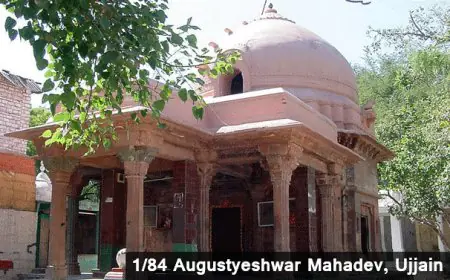



































Ancient Origins of the 84 Mahadev Temple Network
Explore the ancient origins of the 84 Mahadev temples in Ujjain, their spiritual significance, sacred geography, and hidden connections in Sanatan tradition.



The Sacred Blueprint Behind the 84 Mahadev Network
The 84 Mahadev temples in Ujjain are not merely a cluster of shrines scattered across an ancient city. They represent a deeply intentional and spiritually engineered network that reflects the philosophical and cosmological depth of Sanatan Dharma. This sacred system, known as the Chaurasi Mahadev, is believed to be designed as a living spiritual map, guiding devotees through the symbolic journey of life, death, and liberation.
At its core, the network reflects the ancient understanding that geography is not just physical space but a vessel of energy. The temples are positioned in such a way that they create a continuous flow of spiritual vibrations, turning the entire city of Ujjain into a dynamic field of consciousness. Each temple acts like a node in this field, contributing to a larger energetic system that has been active for centuries.
This concept is not accidental or symbolic alone. It is rooted in a highly evolved tradition where sages combined spirituality, astronomy, and architecture to create sacred landscapes that functioned as tools for transformation.
Why the Number 84 Holds Cosmic Importance
The number 84 is deeply embedded in Hindu spiritual philosophy. It is commonly associated with the concept of 84 lakh yonis, representing the countless forms of life through which the soul evolves. Completing the 84 Mahadev Yatra in Ujjain is believed to symbolically transcend this cycle and move closer to moksha.
Trending Guides Now

Karkoteshwar Mahadev Ujjain – The Sacred Serpent-Blessed Temple of the 84 Mahadev Circuit

Shri Anadikalpeshwar Mahadev, Ujjain – The Eternal Form of Shiva Among the 84 Mahadev Shrines

Guheshwar Mahadev Temple, Ujjain: The Sacred Cave of Lord Shiva
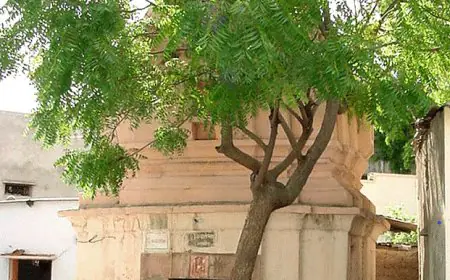
Shri Kapaleshwar Mahadev Ujjain – The Sacred Site Where Shiva’s Kapal Vrat Was Completed

Ujjain Railway Station to Mahakaleshwar Temple Distance (2026 Guide)

Ujjain Simhastha 2028 Dates Announced: Full Shahi Snan & Event Timeline

Mangalnath Temple Trip Budget: Puja, Local Transport, Food and Stay Planning

Omkareshwar Trip Budget Guide: Transport, Stay, Food and Local Travel Costs
Each of the 84 Mahadev temples represents a distinct manifestation of Lord Shiva, reflecting different aspects of existence. Some temples are associated with creation, others with destruction, while many embody balance, meditation, and transformation. Together, they create a complete representation of the universe and the soul’s journey within it.
This numerical significance transforms the pilgrimage into more than a physical journey. It becomes a philosophical experience where each step represents progress through layers of existence.
Ujjain as a Cosmic Energy Center
Ujjain has long been recognized as one of the most powerful spiritual centers in India. Historically known as Avantika, it was one of the seven sacred cities believed to grant liberation. The city’s importance is not only cultural but also energetic.
The 84 Mahadev temples in Ujjain are part of a larger sacred geography that includes rivers, ghats, and other temples. The placement of these temples aligns with ancient principles of energy flow, ensuring that the entire region functions as a unified spiritual ecosystem.
At the heart of this system lies the Mahakaleshwar Jyotirlinga, which acts as the central anchor of energy. The surrounding temples are believed to distribute and balance this energy, creating a harmonious spiritual environment that enhances the experience of devotees.
The Role of Ancient Rishis and Spiritual Science
The creation of the Chaurasi Mahadev temple network is attributed to ancient sages who possessed advanced knowledge of both spiritual and physical sciences. These rishis understood how to harness natural energies and channel them through specific points on the earth.

They selected temple locations based on factors such as geomagnetic alignment, water flow, and cosmic positioning. Each site was then consecrated with precise rituals, turning it into a powerful energy center.
This process required a deep understanding of mantra, tantra, and yantra, ensuring that the temples were not just places of worship but active sources of spiritual energy.
Spiritual Significance of the Chaurasi Mahadev Yatra
The 84 Mahadev Yatra is considered one of the most transformative spiritual journeys in Ujjain. Devotees who undertake this pilgrimage are believed to cleanse accumulated karma and align themselves with higher consciousness.
Unlike typical pilgrimages, this yatra involves visiting multiple temples in a sequence that reflects spiritual progression. Each temple visit is an opportunity for introspection, prayer, and connection with the divine.
The journey often becomes meditative, as the repetition of movement, darshan, and rituals creates a rhythm that draws the mind inward.
Today, many devotees are rediscovering this ancient system through structured pilgrimage planning. A well-planned route ensures that the spiritual and logistical aspects are both aligned, which is why following a complete 84 Mahadev Yatra in Ujjain guide becomes important for first-time pilgrims.
Architectural Diversity and Sacred Design
The 84 Mahadev temples in Ujjain showcase a remarkable diversity of architectural styles. Some temples date back to ancient times, featuring simple stone structures, while others reflect medieval influences with intricate carvings and elaborate designs.
Despite this diversity, all temples share a common principle: the sanctum is designed to concentrate energy. The Shiva linga, placed at the center, acts as a focal point for this energy, allowing devotees to connect with it during worship.
The design of each temple reflects a balance between aesthetics and functionality, ensuring that the spiritual purpose is always at the forefront.
Hidden Geometry and Energetic Alignment
One of the most fascinating aspects of the Chaurasi Mahadev network is its hidden geometric structure. Many temples are aligned in patterns that correspond to ancient yantras, which are symbolic representations of cosmic energy.
These geometric alignments are not visible to the naked eye but can be understood through deeper study. They enhance the flow of energy across the network, creating a continuous field that envelops the city.
This hidden design adds another layer of depth to the pilgrimage, as devotees unknowingly move through a carefully constructed spiritual grid.
The Influence of Celestial Movements
The placement of the 84 Mahadev temples is also believed to be influenced by celestial observations. Ancient scholars aligned the temples with planetary positions, ensuring that each site resonates with cosmic rhythms.
During specific periods such as Mahashivratri and Simhastha Kumbh, these alignments become even more significant. The energy of the temples is believed to intensify, making these times especially powerful for spiritual practices.
This connection between earth and sky reflects the holistic approach of ancient Indian knowledge systems.
Cultural Continuity Through Centuries
The Chaurasi Mahadev temples have remained active for centuries, supported by generations of devotees, saints, and rulers. Each era has contributed to their preservation, ensuring that their spiritual essence remains intact.
Festivals, rituals, and daily worship have kept these temples alive as centers of devotion. They are not relics of the past but living institutions that continue to shape spiritual life in Ujjain.
Ritual Practices and Energy Activation
Rituals are an essential part of the 84 Mahadev temples in Ujjain. Practices such as abhishek, mantra chanting, and दीप अर्पण help maintain the energy of the temples.
These rituals are not merely symbolic. They are designed to activate and sustain the spiritual vibrations of each site. Devotees who participate in these practices become part of a continuous flow of energy that connects them to centuries of tradition.
Modern Relevance in a Changing World
In today’s fast-paced world, the Chaurasi Mahadev Yatra offers a rare opportunity to reconnect with deeper truths. It provides a space for reflection, away from the distractions of modern life.
The temples serve as reminders of a time when spirituality was integrated into daily living. They continue to attract seekers from across the world, drawn by their timeless significance.
Walking the Path of Inner Transformation
The journey through the 84 Mahadev temples is as much internal as it is external. Each temple visit becomes a step toward self-awareness and spiritual growth.
Devotees often describe the experience as transformative, with each stage of the journey bringing new insights and clarity. The physical act of moving from one temple to another mirrors the inner journey of the soul.
A Living Network of Divine Consciousness
The 84 Mahadev temple network stands as a testament to the brilliance of ancient Indian civilization. It represents a seamless integration of spirituality, science, and art.
This network continues to function as a living system, guiding devotees and preserving a tradition that has endured for centuries. Its relevance today highlights the timeless nature of its design and purpose.
Where Time, Faith, and Geometry Converge
The 84 Mahadev temples in Ujjain are more than a pilgrimage route. They are a bridge between the physical and the spiritual, the past and the present, the individual and the universal.
To walk this path is to engage with a system that was designed not just to be seen, but to be experienced. It is a journey through sacred space, guided by ancient wisdom, and illuminated by the enduring presence of Mahadev.
While understanding the philosophical depth of the 84 Mahadev temples in Ujjain is essential, experiencing it physically through the yatra brings a completely different level of clarity. If you are planning to undertake this journey, explore our detailed 84 Mahadev Yatra in Ujjain: Complete Sacred Circuit Guide to understand the exact route, temple sequence, travel tips, and time planning.
84 Mahadev Ujjain Yatra Guides :
- 01/84 - Agastyeshwar Mahadev Temple
- 02/84 - Guheshwar Mahadev Temple, Ujjain
- 03/84 - Dhundheshwar Mahadev Temple, Ujjain
- 04/84 - Shri Damrukeshwar Mahadev, Ujjain
- 05/84 - Shri Anadikalpeshwar Mahadev, Ujjain
- 06/84 - Shri Swarnajaleshwar Mahadev Ujjain
- 07/84 - Shri Trivishtapeshwar Mahadev Ujjain
- 08/84 - Shri Kapaleshwar Mahadev Ujjain
- 09/84 - Shri Swargadwareshwar Mahadev Ujjain
- 10/84 - Karkoteshwar Mahadev Ujjain
- 11/84 - Siddheshwar Mahadev Ujjain
Frequently Asked Questions