

































Step-by-Step Guide to Performing a Proper Snan During Ardh Kumbh 2027
Follow this step-by-step guide to perform a safe, respectful and spiritually powerful snan during Ardh Kumbh 2027, from preparation to post-dip rituals.


Step-by-Step Guide to Performing a Proper Snan During Ardh Kumbh 2027
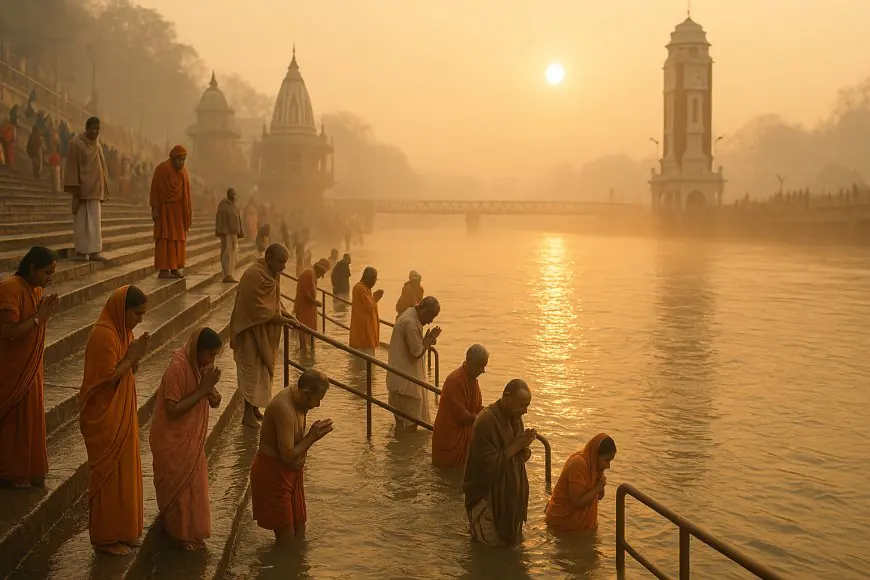
For many devotees, Ardh Kumbh 2027 in Haridwar will be a once-in-a-lifetime opportunity to take snan in the sacred Ganga. But a truly fulfilling holy dip is not just about entering the water; it is a combination of preparation, safety, respect for dharmic traditions and a focused inner mindset. This step-by-step guide shows you how to perform snan properly: spiritually meaningful, physically safe and fully aligned with the mood of Ardh Kumbh.
Understanding the Meaning of Snan at Kumbh
Snan during Kumbh is not a casual bath. It is a symbolic act of surrender and purification. Scriptures describe it as washing away layers of inner heaviness, guilt, confusion and negativity. While the physical body is cleansed by water, devotees believe the subtle body is lightened by faith and prayer.
When crores of pilgrims gather with a shared intention of cleansing and renewal, the emotional and spiritual environment becomes extremely powerful. Your snan becomes part of this shared vibration, amplifying your intention.
Before You Reach the Ghat: Inner and Outer Preparation
A proper snan starts long before you step onto the ghats. Good preparation keeps the body comfortable and the mind calm.
Trending Guides Now

The Astrology Behind Ardh Kumbh 2027: Why These Dates Are Considered Highly Auspicious
The Magic of Mantras: What You’ll Hear at Every Ghat During Ardh Kumbh 2027
Rituals You Didn’t Know Exist at Kumbh: Hidden Traditions of Ardh Kumbh 2027

The Secret Astronomical Timing Behind Ardh Kumbh Mela 2027

Ujjain Railway Station to Mahakaleshwar Temple Distance (2026 Guide)

Ujjain Simhastha 2028 Dates Announced: Full Shahi Snan & Event Timeline

Benefits of Becoming a Simhastha Volunteer

Ujjain Travel During Shravan Month: What Changes for Visitors
Prepare Your Body
- Sleep early the previous night so you can wake up peacefully for morning snan.
- Eat a light meal or snack before leaving; avoid very heavy or oily food.
- Stay hydrated with water or mild herbal drinks, but don’t over-drink right before entering the water.
- Wear simple, comfortable cotton clothes that dry quickly and do not become heavy when wet.
Prepare Your Mind
- Decide one or two clear intentions (sankalp) for your snan: forgiveness, fresh start, health of family, inner peace.
- Mentally let go of anger, complaints and arguments before leaving for the ghat.
- Remind yourself that the snan is an act of humility and gratitude, not a show or a competition.
What to Carry to the Ghat for Snan
Carrying too many items increases stress. Carry only what you truly need:
- Small towel or quick-dry towel
- One extra pair of clothes if you plan to change
- Plastic or waterproof bag for wet clothes
- Minimal cash in a waterproof pouch
- Photocopy of ID and accommodation details
- Light shawl or sweater for after snan
- Slip-resistant slippers for use on the ghats
Leave jewellery, large sums of money and unnecessary electronics safely at your accommodation.
When You Reach the Ghat: Observing the Atmosphere
As you reach Har Ki Pauri or other ghats, pause for a few moments before jumping into activity. Observe the flow of people, instructions from volunteers and police, and the entry/exit patterns.
Key Things to Notice
- Where are people entering the water and where are they exiting?
- Are there railings or chains to hold while stepping down?
- Which areas are less crowded and safer for elderly or children?
- Where are the nearest support points (medical tent, help desk, toilets)?
This small observation time helps you choose a safe and calm spot for snan.
Step-by-Step Procedure for Proper Snan
Below is a clear, practical sequence you can follow. Adjust slightly according to crowd, health and local instructions, but keep the spirit of these steps.
1. Find a Safe Spot
- Choose an area with a railing or chain if you are elderly, not a strong swimmer or with children.
- Avoid extremely crowded steps where people are rushing or pushing.
- Stand at least a few moments on dry steps to adjust to the environment.
2. Center Yourself with a Short Prayer
- Stand facing the river with folded hands.
- Close your eyes and take three slow, deep breaths.
- Silently express gratitude for reaching this sacred place.
- Set your sankalp in simple words: for example, “May this snan purify my mind and bless my family with peace.”
3. Enter the Water Slowly and Safely
- Hold the railing or a trusted person’s hand while stepping down.
- Test each step with your foot; stones can be slippery.
- Do not jump, run or push while entering.
- Go only as deep as you feel stable; chest-level is sufficient for most pilgrims.
4. Perform the Actual Dip (Snan)
- Once stable, face slightly upstream or toward the main flow.
- Join your palms, offer a small mental pranam to Mother Ganga.
- Take water in your hands and gently pour some back as offering.
- When ready, inhale, hold your nose if needed and gently immerse your head or body partially/fully as per your comfort.
- Rise slowly, exhale, and steady yourself again by holding the railing or chain.
- Many pilgrims take 3 dips; you may take fewer if you are elderly, unwell or feel cold.
5. Recite Simple Mantras or Prayers
You don’t need complicated Sanskrit. Even simple heartfelt words are powerful.

- You may chant “Om Namah Shivaya”, “Ganga Maaiya ki Jai” or any personal mantra.
- If you know traditional verses, you may recite them slowly.
- Focus more on feeling than on perfect pronunciation.
6. Complete the Snan with Gratitude
- Offer one final handful of water back to the river as thanks.
- Silently promise to live with more awareness, kindness and dharma.
- Turn back slowly, still holding the railing, and begin to exit.
7. Exit Carefully and Dry Off
- Climb the steps slowly; do not rush even if others are moving fast.
- Move away from the edge before stopping to adjust your clothes or shawl.
- Use your towel to dry the head, neck and feet first to avoid catching a chill.
- Wear your shawl or warm layer immediately, especially in winter mornings.
Important Safety Guidelines During Snan
A holy dip should never compromise safety. Keeping a few practical rules in mind protects you and others around you.
General Safety Rules
- Follow all police, volunteer and announcement instructions without argument.
- Do not go into deep water, even if you know how to swim; currents can be strong.
- Never turn your back fully to strong currents while standing near the edge.
- Keep children and elders always within arm’s reach.
- Avoid snan if you feel feverish, dizzy, or extremely weak; take rest and seek medical advice.
What to Avoid
- No pushing, running or shouting on steps.
- No risky selfies or photos near the edge.
- No attempts to show bravery by going deeper or closer to the current.
- No littering in water — respect the sacred river.
Special Guidance for Seniors, Women and Children
Seniors
- Choose non-peak hours for snan to avoid heavy crowd pressure.
- Use ghats with rails and gentle slopes where available.
- Take only one or two dips; there is no rule that more dips equal more blessings.
Women
- Prefer comfortable, non-transparent clothing suitable for public snan.
- Use women-friendly sections where provided during peak days.
- Go in small groups whenever possible for support.
Children
- Never allow children to enter water alone — hold their hand at all times.
- Choose very shallow, calm sections for their snan.
- Dry them quickly after snan and wrap them in warm clothes.
What to Do After Snan
Many pilgrims rush away quickly after snan, but a little mindful time afterwards deepens the experience.
- Sit for a few minutes in a quieter corner, simply watching the river.
- Offer a short prayer for everyone’s wellbeing — not only your own.
- If you wish, give a small donation to verified charitable or temple funds.
- Drink clean water, have a light snack and rest before long walks.
Your inner state after snan is soft and open — it is a good time to reflect on life and decisions with honesty.
Common Mistakes to Avoid During Kumbh Snan
- Trying to perform snan at the most crowded central spot just for photos.
- Arguing with volunteers or police over direction or timings.
- Carrying a large bag to the ghat and then worrying about keeping it safe.
- Forcing sick, very elderly or frightened family members into the water.
- Treating snan as a checklist task instead of a moment of presence.
Remember: the spiritual value of snan comes from sincerity, not from pushing your limits.
Keeping the Spirit of Snan Alive After You Return Home
The real power of snan is not just in those few minutes in water, but in the way you live afterwards. You may choose to:
- Drop one negative habit, thought pattern or daily action after snan.
- Begin or deepen a daily prayer, meditation or chanting practice.
- Be more compassionate in family and work spaces.
- Remember Ganga as purity and clarity whenever life feels confusing.
In this way, your Ardh Kumbh snan continues to bless you long after the festival ends.
Frequently Asked Questions