

































How to Avoid Peak-Day Crowds in Haridwar During Ardh Kumbh 2027
Smart travel and movement strategies to avoid peak-day crowds in Haridwar during Ardh Kumbh 2027 — routes, timings, snan plans and safety hacks for pilgrims.


How to Avoid Peak-Day Crowds in Haridwar During Ardh Kumbh 2027
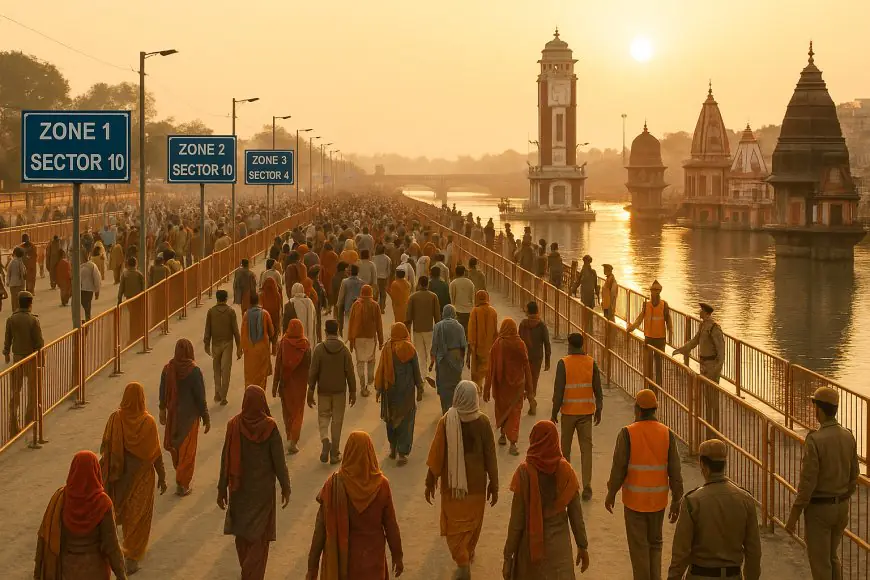
Ardh Kumbh 2027 in Haridwar will see one of the largest gatherings ever recorded for a religious event. For many devotees, the divine energy of millions chanting, bathing and praying together brings extraordinary inspiration. But for families with children, senior citizens, international travellers or devotees who prefer a calmer spiritual experience, navigating peak-day crowds can be physically and mentally exhausting. Avoiding the most intense rush is not only possible — it is easy if you plan ahead. This 360° guide explains exactly how to experience Kumbh safely, respectfully and peacefully without getting caught in overwhelming crowd density.
Why Crowd Avoidance Matters During Ardh Kumbh
Crowds at Har Ki Pauri and other ghats reach their peak during Shahi Snan and major bathing muhurats. Crowd management infrastructure is extensive, but every pilgrim must make personal navigation choices. A peaceful Kumbh visit comes down to timing, route selection, diversion awareness, stay location and ghat selection.
Avoidance doesn’t mean missing out on devotion — it means performing snan and darshan with clarity, safety and ease. A spiritually fulfilling experience has more to do with peace of mind than pushing through jam-packed spaces.
Peak-Day Crowd Patterns: What Actually Happens on the Ground
Knowing how and when crowds rise helps make smart decisions. Crowd intensity follows predictable waves during Shahi Snan days:
Trending Guides Now
Ardh Kumbh 2027 Safety Plan: How Authorities Manage Millions on Shahi Snan Days

Digital Darshan: Experiencing Ardh Kumbh 2027 Online

Emergency Services Setup for Ardh Kumbh 2027: Hospitals, Camps & Help Centers

Ujjain Railway Station to Mahakaleshwar Temple Distance (2026 Guide)

Ujjain Simhastha 2028 Dates Announced: Full Shahi Snan & Event Timeline

Benefits of Becoming a Simhastha Volunteer

Ujjain Travel During Shravan Month: What Changes for Visitors

Mahakaleshwar Temple Entry Rules 2026: Dress Code, Mobile & Bag Policy
- 3:30 AM – 6:30 AM: Early surge from devotees seeking sunrise snan
- 6:30 AM – 9:30 AM: The heaviest wave; ghats become saturated
- 9:30 AM – 12:30 PM: Still very dense, with slow and controlled movement
- 12:30 PM – 3:30 PM: Movement becomes easier; elderly and families can move better
- 3:30 PM – 6:30 PM: A secondary mini-surge from returning groups
The goal is not to fight the most intense wave, but to stay ahead of it or behind it. That single decision can reduce waiting, fatigue and risk by nearly 70%.
The Rule of Timing — When to Perform Snan for a Peaceful Experience
The best way to avoid peak crowds is to choose the right time for snan. There are two winning strategies depending on health, stamina, and personal comfort.
Strategy A: Ultra-Early Snan (For Physically Fit Pilgrims)
- Arrive at the ghat between 3:45 AM and 4:45 AM.
- Begin snan before the flood of sunrise pilgrims.
- Exit by 6:15 AM while others are still entering.
This gives the spiritual ambience of morning snan without fighting the peak-wave crowd.
Strategy B: Midday Snan (For Families and Seniors)
- Reach ghats after 12:30 PM once the morning surge dissipates.
- Crowd is calmer yet the divine atmosphere remains strong.
- Cover less distance and burn less energy.
Midday snan is statistically the safest and most manageable slot for those sensitive to dense crowds.
Choosing the Right Ghat — A Game Changer for Crowd Avoidance
Most pilgrims unknowingly contribute to their own discomfort by trying to reach only Har Ki Pauri. While it is the historic epicenter, dozens of surrounding ghats offer equally sacred snan with far lower crowds.
Less-Crowded Ghats to Consider
- Subhash Ghat
- Prem Nagar Ghat
- Singh Dwar Ghat
- Saptrishi Ghat (for families)
- Bilkeshwar Ghat (calmer environment)
- Gau Ghat (more space for seniors)
The sanctity of snan does not come from the exact stone you stand on but from surrender and devotion. Choosing a quieter ghat provides more mindful immersion and safer movement.

Route Selection: Avoiding Traffic Before You Reach the Crowd
Haridwar authorities create alternate pilgrim pathways on peak days. Choosing the right ones removes unnecessary struggle.
- Group travelers: shuttle bus routes and designated drop zones
- Families: pedestrian corridors near safe ghats
- Seniors: electric vehicle assistance zones (limited capacity)
- General pilgrims: recommended walking corridors instead of bypassing barricades
The key is not to resist diversions — they are made for your safety.
Accommodation Strategy — Where You Stay Determines Your Experience
A major mistake pilgrims make is booking stays too far from safe-access corridors. On crowded days, distance becomes exhaustion.
Best Localities for Crowd-Free Movement
- BHEL area (excellent shuttle connectivity)
- Jagjeetpur belt (calmer and family-friendly)
- Haripur Kalan region (ideal for seniors and groups)
- Rishikesh road proximity (easy entry and exit corridor)
If staying near Har Ki Pauri during peak days, expect strict movement control and long walking distances. Staying slightly away ensures smoother navigation.
Meal and Rest Timings — Crowd Reduction Through Rhythm Shift
Avoid eating when the city eats. You’ll move when others stop.
- Eat breakfast after snan rather than before
- Have lunch earlier (11:00 AM) or later (3:00 PM) — avoid the mid-window rush
- Carry dry snacks to skip meal-hour queues
This rhythm shift saves hours of standing and waiting.
Smart Walking Discipline — The Golden Rule of Crowd Avoidance
Being in Haridwar during peak crowd is not the problem. Moving at the wrong time and in the wrong direction is. Smart pilgrims do this:
- Walk only in the direction of the stream — never force reverse movement
- Do not attempt shortcuts by climbing barriers — it slows everyone
- Use side walking lanes — they are less crowded than central lanes
- Follow volunteers — they always know the fastest path
A calm pace saves more time than push-and-rush behaviour.
Tips for Elderly, Children and International Pilgrims
For Seniors
- Avoid early morning peak wave
- Use shawls and thermal wear for sudden chills after snan
- Carry only lightweight bags
For Children
- Write guardian phone number on child’s wristband
- Choose shallow ghats instead of major ghats
- Do snan midday rather than dawn
For International Devotees
- Choose medium-crowd days to adjust smoothly
- Download offline map due to possible network congestion
- Stick to recommended ghats for clarity
Mindset — Stay Calm, Not Competitive
Peak-day crowd difficulty rises not because of numbers, but because of anxious behaviour. The more pilgrims remain grounded, patient and cooperative, the smoother the atmosphere becomes.
- Do not rush to be “first”; every dip is equal
- Trust crowd-control systems — they protect everyone
- Celebrate cooperation; discourage pushing or panic
The more peaceful you are, the more sincere your devotion feels.
The Spiritual Reward of a Calm Snan
Approaching snan with clarity and peace makes the ritual deeper. When the body is safe and mind relaxed, the sacred experience becomes emotional rather than stressful. A calm snan helps pilgrims:
- focus completely on prayer
- feel gratitude rather than urgency
- carry the energy of peace for months after Kumbh
The essence of pilgrimage is not difficulty — it is awareness.
Summary of Crowd-Free Snan Formula
- Pick the right ghat (avoid only Har Ki Pauri on peak days)
- Pick the right time (ultra-early or midday)
- Pick the right route (follow shuttle/pedestrian corridors)
- Pick the right stay (not too close to tightly controlled zones)
- Move during non-meal hours
- Stay calm, respectful and patient
When these factors work together, Ardh Kumbh becomes smooth, safe and uplifting — even on peak days.
Frequently Asked Questions