































Ardh Kumbh 2027 Safety Plan: How Authorities Manage Millions on Shahi Snan Days
Discover how authorities manage millions of pilgrims during Ardh Kumbh 2027 Shahi Snan days — crowd control, medical support, traffic plans and safety systems.


Ardh Kumbh 2027 Safety Plan: How Authorities Manage Millions on Shahi Snan Days
Shahi Snan is the spiritual heartbeat of the Ardh Kumbh, attracting millions of pilgrims on a single day. Managing such large numbers while ensuring comfort, safety and devotional discipline requires some of the world’s most advanced crowd management strategies. For Ardh Kumbh 2027 in Haridwar, authorities have designed a comprehensive safety framework to protect every pilgrim throughout the sacred bathing hours.
Why Shahi Snan Requires High-Precision Management
Shahi Snan days witness a sudden surge of pilgrims, saints and Akharas entering Har Ki Pauri and surrounding ghats at specific muhurats. Without proper arrangements, crowd pressure, traffic deadlocks and emergency delays can become critical. A multi-layer safety plan reduces risks, supports movement and maintains the sanctity of rituals.
Core Goals of the 2027 Safety Strategy
- Zero-congestion around ghats during peak bathing hours
- Safe access for elderly, women and children
- Rapid emergency response anywhere in the mela area
- Protection of pilgrims from theft and safety threats
- Discipline and dignity during sacred rituals
These objectives guide every logistical decision taken by authorities.
Multi-Layer Crowd Management at Ghats
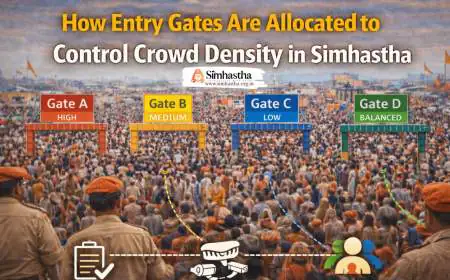
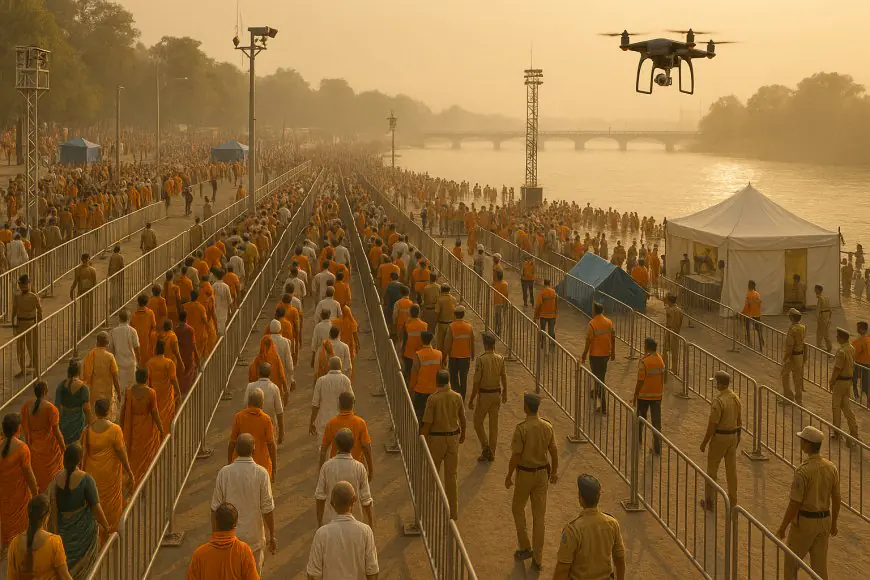
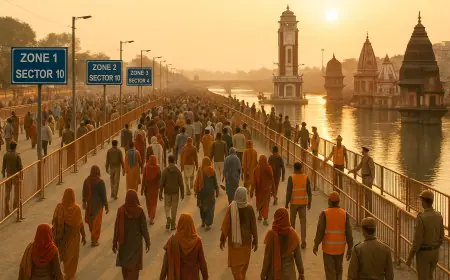
The bathing ghats are divided into multiple entry and exit lanes, ensuring that no single route becomes overloaded. Pilgrims move through controlled gates monitored by volunteers and security personnel.
Trending Guides Now
How to Avoid Peak-Day Crowds in Haridwar During Ardh Kumbh 2027

Digital Darshan: Experiencing Ardh Kumbh 2027 Online
Emergency Services Setup for Ardh Kumbh 2027: Hospitals, Camps & Help Centers

Ujjain Railway Station to Mahakaleshwar Temple Distance (2026 Guide)

Ujjain Simhastha 2028 Dates Announced: Full Shahi Snan & Event Timeline

Benefits of Becoming a Simhastha Volunteer

Ujjain Travel During Shravan Month: What Changes for Visitors

Mahakaleshwar Temple Entry Rules 2026: Dress Code, Mobile & Bag Policy
Ghat-Area Safety Arrangements
- Separate entry and exit corridors with barricades
- Emergency access lanes kept reserved for response teams
- Rope dividers ensuring safe movement toward water and back
- Hourly flow calculations for regulating pilgrim density
- Loudspeaker announcements for advisory and safety alerts
These steps create a calm, predictable environment for the holy dip.
Police and Volunteer Deployment Across the City
Security forces, disaster response teams and trained volunteers support traffic management, ghat safety and public services across Haridwar.
Human Resource Deployment for Shahi Snan
- Large police presence at ghats and crowded intersections
- Mounted police and river-rescue teams for special zones
- Volunteer marshals guiding movement in walkways
- Dedicated women police for safety and complaint support
- Lost-and-found help squads for children and senior citizens
These combined teams create a strong yet reassuring safety atmosphere.
Medical & Emergency Preparedness
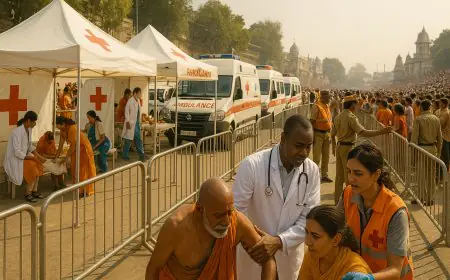
Temporary medical facilities ensure immediate response to dehydration, injury, fatigue or medical emergencies during the festival.
Healthcare Network During the Event
- 24×7 medical camps near major ghats and tent clusters
- Ambulances stationed across crowd-sensitive zones
- Mobile trauma units operating during peak baths
- First-aid posts for minor injuries and health checks
- Child and elderly assistance teams
This network provides fast support without interrupting the spiritual experience.
Smart Surveillance & Disaster Prevention Systems
Technology plays a crucial role in safety planning, especially during high-density ritual timings.

Digital Monitoring Systems
- CCTV coverage across ghats, walkways and entry corridors
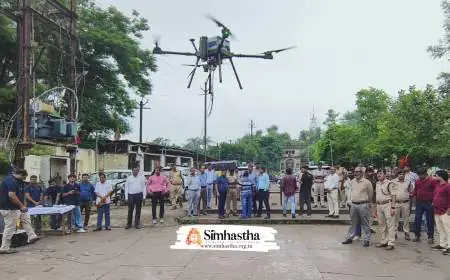
- Drone monitoring for crowd analysis from the sky
- AI-based crowd density alerts sent to control rooms
- Public-address systems for urgent announcements and guidance
With these systems, authorities maintain constant awareness of pilgrim movement.
Traffic & Transport Safety During Peak Days
On Shahi Snan days, private vehicles are restricted near bathing zones to prevent traffic jams.
Traffic Management on Peak Ritual Hours
- Peripheral parking hubs connected to shuttle loops
- Dedicated bus lanes leading to ghat areas
- Pedestrian-only zones during muhurat hours
- Route advisory displays guiding vehicle and foot movement
This ensures smooth access to ghats without crowd-pressure or danger at intersections.
Women & Family Safety Measures
Dedicated measures ensure that every pilgrim, especially women and children, feels safe and supported.
Family-Centric Safety Arrangements
- Women-only help desks at multiple locations
- Secure thermal-scanned entry zones after dusk
- Surveillance teams in crowded family areas
- Assistance cabins for missing person reports
The safety system is proactive rather than reactive.
What Pilgrims Should Do for Their Own Safety
Authorities provide the framework, but a few responsible habits keep the journey peaceful for everyone.
Recommended Safety Practices for Pilgrims
- Carry minimal belongings to ghats
- Avoid pushing or rushing towards water
- Follow instructions from volunteers and police
- Keep group members and children close
- Drink enough water and rest between rituals
Safety and devotion go hand-in-hand for a fulfilling pilgrimage.
A Spiritually Safe Pilgrimage Experience
The Ardh Kumbh 2027 safety plan represents incredible cooperation between citizens, police, medical teams, volunteers and administrators. The goal is simple — ensure that every pilgrim experiences the sacred Shahi Snan in peace, dignity and protection. With disciplined movement, compassionate support systems and advanced safety planning, Haridwar is prepared to welcome the world with devotion and care.
Frequently Asked Questions