


















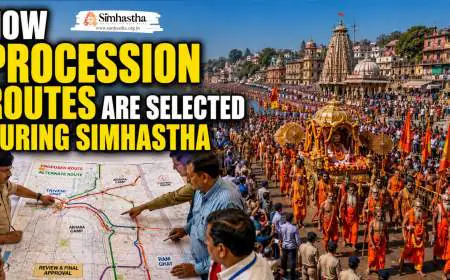




How Heat and Fatigue Increase Travel Expenses in Simhastha 2028
Discover how heat and fatigue drive up travel costs during Ujjain Simhastha 2028. Learn to avoid dehydration expenses, emergency transport, and costly mistakes.



Why Ujjain’s Summer Heat Is a Financial Threat, Not Just a Physical One
Simhastha Kumbh Mela runs from March 27 to May 27, 2028. The second half of April and all of May are peak summer months in central India. Average daytime temperatures: 38°C to 42°C. Humidity adds another layer of misery. When your body overheats, your ability to make rational financial decisions collapses. You stop comparing prices. You stop negotiating. You just want relief – and you will pay almost anything to get it.
Heat increases your expenses through four main channels:
-
Premium pricing on essentials – Demand for cold water, electrolytes, juices, and cooling items skyrockets. Vendors know you have no choice.
-
Emergency medical costs – Dehydration, heat exhaustion, and heatstroke require clinic visits, medicines, or even hospitalization.
Trending Guides Now

Ujjain Simhastha 7 Day Itinerary for Families

Is Phone Allowed in Mahakaleshwar Temple Ujjain?
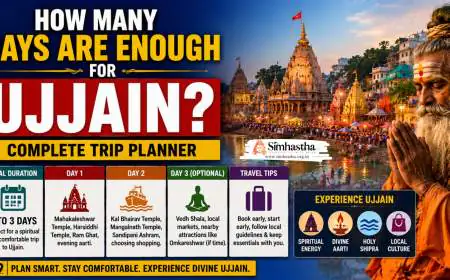
How Many Days Are Enough for Ujjain? Complete Trip Planner
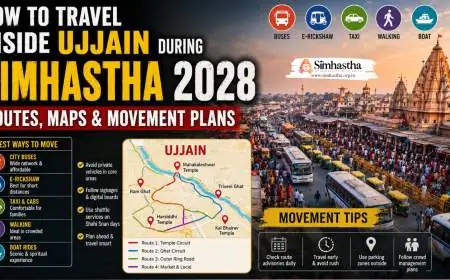
How to Travel Inside Ujjain During Simhastha 2028: Routes, Maps and Movement Plans

Ujjain Railway Station to Mahakaleshwar Temple Distance (2026 Guide)

Ujjain Simhastha 2028 Dates Announced: Full Shahi Snan & Event Timeline

Benefits of Becoming a Simhastha Volunteer
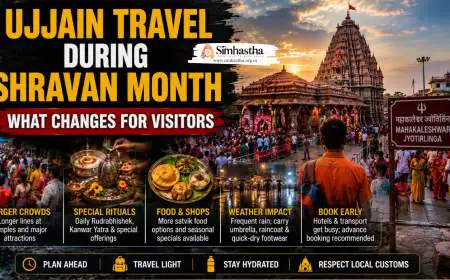
Ujjain Travel During Shravan Month: What Changes for Visitors
-
Costly convenience choices – You take AC cabs instead of walking or using non‑AC buses. You eat at expensive restaurants instead of budget dhabas because they have fans or AC.
-
Wasted prepaid bookings – You feel so exhausted that you skip a paid activity (e.g., a temple tour or a booked pooja) because you cannot physically make it.
Let me walk you through each category with real numbers.
How Heat Multiplies Your Daily Expenses During Simhastha
1. Water and Hydration Costs – The Silent Budget Drain
A normal day in Ujjain (non‑Simhastha): 1 litre bottled water = ₹20. You drink 2–3 litres = ₹60 per day.
During Simhastha 2028 on a Shahi Snan day with 40°C heat: The same 1 litre bottle can cost ₹50 – ₹100 near Shipra Ghats or outside Mahakaleshwar Temple. Vendors know you are thirsty. You will buy it because dehydration causes dizziness and fainting.
Cost impact: If you buy 4 litres (easily needed in extreme heat), your daily water expense jumps from ₹60 to ₹200 – ₹400. Over a 7‑day trip, that is ₹1,400 – ₹2,800 extra compared to normal prices.

Electrolyte drinks (ORS, Gatorade, etc.) : Normally ₹20–₹30 per packet. During peak heat + crowd, vendors charge ₹50 – ₹100. You may need 2–3 packets daily.
Tip: Carry your own reusable water bottle and fill it at your hotel or at designated free water stations (MP Tourism usually sets these up). Carry ORS powder sachets from home – ₹5 each versus ₹50 on site.
2. Food Spoilage and Replacing Meals
Heat accelerates food spoilage. If you buy cut fruits, chaat, or dahi from a roadside stall that has been sitting in the sun for hours, you risk food poisoning. Then you spend money on:
-
₹500 – ₹1,500 for a private clinic visit
-
₹200 – ₹500 for medicines (antibiotics, anti‑emetics, ORS)
-
₹300 – ₹600 for replacing the unsafe meal with a safer (often more expensive) one from a packaged food shop or hotel restaurant
Heat‑induced skipping of meals : When it is too hot, you may skip breakfast or lunch. Then by evening, you are starving and make impulsive, overpriced food choices – ₹300 for a small pizza slice, ₹250 for a thali that would cost ₹100 elsewhere.
Prevention: Eat at your hotel or tent city mess where food is prepared in hygienic, cooled kitchens. Pack dry snacks (biscuits, nuts, energy bars) from home to avoid midday hunger.
3. Transport Upgrades – From Walking to AC Cabs
Your original plan: Walk 1.5 km from your tent to Ram Ghat and back. Save ₹100 on auto fare.
Reality after 4 hours in 42°C sun: Your legs feel like lead. Your head is pounding. An auto rickshaw driver appears – "AC auto to your tent, only ₹500". You pay. The normal fare is ₹80. You just spent ₹420 extra because of heat fatigue.
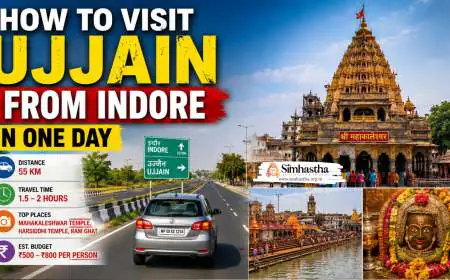
On Shahi Snan days, private AC cars from Mahakal Temple to Indore Airport (55 km) normally cost ₹1,500. Exhausted pilgrims pay ₹4,000 – ₹6,000 because they cannot face another hour of waiting in the sun for a shared taxi.
Total extra transport cost over a 7‑day trip: easily ₹1,500 – ₹3,000 due to heat‑driven upgrades.
Prevention: Build mandatory rest breaks into your schedule. Do not attempt to walk long distances between 12 PM and 4 PM. Pre‑book transport for known long trips (e.g., Ujjain to Indore) before you leave home.
4. Accommodation Heat Surcharges (Last‑Minute Upgrades)
You booked a non‑AC room in a budget guest house for ₹1,000 per night. Smart cost saving – in theory. But when the temperature hits 40°C and the room has only a ceiling fan that blows hot air, you will not sleep. After one sleepless night of sweating, you desperately upgrade to an AC room in the same guest house – now costing ₹3,500 – ₹5,000 per night (peak season rates). The guest house owner knows you have no other option.
Extra cost for 3 nights: ₹2,500 – ₹4,000 overspend.
Prevention: If you are visiting between April 15 and May 15, book an AC room from the start. The few hundred rupees extra per night is far cheaper than last‑minute desperation upgrades.
5. Medical Expenses – The Biggest Financial Shock
Heat exhaustion or heatstroke is a real risk during Simhastha 2028. Symptoms: nausea, rapid heartbeat, confusion, fainting. If you collapse in a queue, you will be taken to a nearby clinic.
Average costs for heat‑related medical treatment in a private Ujjain clinic:
| Service | Cost (₹) |
|---|---|
| Doctor consultation | 800 – 1,500 |
| IV fluids (drip) | 1,500 – 3,000 |
| Basic medicines (ORS, paracetamol, anti‑nausea) | 300 – 800 |
| Blood test (if severe) | 500 – 1,200 |
| Ambulance from ghat to clinic | 1,000 – 2,000 |
| Hospital admission (1 day, mild heatstroke) | 5,000 – 10,000 |
Potential total for a serious heat‑related event: ₹8,000 – ₹18,000. That can wipe out an entire pilgrim's budget.
Prevention: Wear a wide‑brimmed hat and light cotton clothing. Drink water every 20 minutes (not just when thirsty). Rest in shaded areas. Avoid standing in direct sun between 11 AM and 3 PM. Know the location of the nearest free medical camp (government sets up multiple during Kumbh).
Fatigue as a Financial Engine: How Tiredness Triggers Bad Spending
Fatigue is the silent partner of heat. Even if the temperature is moderate, physical exhaustion from walking long distances, standing in queues for hours, and sleeping poorly makes you take expensive shortcuts.
Fatigue‑Driven Decisions That Cost Money
| Normal (Well‑Rested) Decision | Fatigued Decision | Extra Cost |
|---|---|---|
| Walk 20 minutes to the tent city | Hire an auto rickshaw for "just this once" | ₹100 – ₹200 per trip |
| Wait in the free darshan queue (2 hours) | Buy a VIP Sheeghra pass last minute | ₹250 – ₹750 extra |
| Eat at a budget dhaba 500 m away | Order overpriced room service or restaurant near temple | ₹200 – ₹400 per meal |
| Wake up early for 4 AM Bhasma Aarti | Skip it because too tired → lose ₹1,500 prepaid ticket | ₹1,500 wasted |
| Carry your own water bottle | Buy overpriced water every hour | ₹200 – ₹500 per day |
Daily extra cost due to fatigue: easily ₹500 – ₹1,500 per person. Over a 7‑day trip, that is ₹3,500 – ₹10,500 of avoidable spending.
The “Sunk Cost” Trap of Prepaid Activities
You booked a ₹2,500 guided temple tour that involves walking to 5 different temples over 4 hours. On the day, you are exhausted from the previous night's terrible sleep (heat + noise). You decide to skip the tour. You lose the full ₹2,500 – no refund. Then you still need to visit those temples later using expensive auto rickshaws (₹500 extra). Total loss: ₹3,000 due to fatigue.
Real‑Life Cost Scenarios (Based on Simhastha 2016 Patterns)
Let me build three realistic pilgrim profiles and calculate how heat and fatigue increase their actual expenses.
Scenario A: Budget Solo Pilgrim – Planned Budget ₹15,000 for 7 Days
| Expense Category | Planned (₹) | Actual with Heat/Fatigue (₹) | Difference (₹) |
|---|---|---|---|
| Water & drinks | 600 | 1,800 (overpriced bottles) | +1,200 |
| Food | 2,500 | 3,800 (more restaurant meals, less dhaba) | +1,300 |
| Local transport | 700 | 1,900 (AC auto upgrades) | +1,200 |
| Medical (ORS, clinic visit) | 0 | 1,200 (mild dehydration treatment) | +1,200 |
| Last‑minute VIP darshan | 0 | 750 | +750 |
| Total extra | +5,650 |
Final actual spend: ₹20,650 – 38% over budget.
Scenario B: Family of Four – Planned Budget ₹50,000 for 5 Days
| Expense Category | Planned (₹) | Actual with Heat/Fatigue (₹) | Difference (₹) |
|---|---|---|---|
| AC room upgrade (2 nights) | 0 | 6,000 | +6,000 |
| Water (4 persons) | 800 | 3,200 (₹100 per bottle) | +2,400 |
| Medical (child with heat rash + ORS) | 0 | 2,500 | +2,500 |
| Extra autos (too tired to walk) | 0 | 1,800 | +1,800 |
| Food (cooler restaurants, AC dining) | 8,000 | 12,000 | +4,000 |
| Total extra | +16,700 |
Final actual spend: ₹66,700 – 33% over budget.
Scenario C: International Traveler – Planned Budget $800 (₹66,000)
| Expense Category | Planned ($) | Actual ($) | Difference ($) |
|---|---|---|---|
| Heatstroke clinic + IV fluids | 0 | 180 | +180 |
| Extra bottled water (4 days) | 10 | 50 | +40 |
| AC taxi from Ujjain to Indore (instead of bus) | 20 | 70 | +50 |
| Hotel early checkout (could not sleep, moved to AC hotel) | 0 | 120 | +120 |
| Replacement of spoiled snacks | 5 | 25 | +20 |
| Total extra | +$410 (₹34,000) |
Final actual spend: $1,210 – 51% over budget.
Strategic Prevention: How to Keep Heat and Fatigue from Emptying Your Wallet
You cannot change the weather. But you can change your behavior to avoid the cost traps.
Strategy 1: Shift Your Daily Schedule
The sun is strongest from 11 AM to 3 PM. During these hours, do not stand in outdoor queues or walk long distances. Instead:
-
Rest at your hotel or tent city (take a cool shower, nap)
-
Eat a light lunch in an air‑conditioned restaurant
-
Visit indoor attractions (some temples have shaded halls)
-
Plan your Shipra Snan for early morning (5–7 AM) or late evening (6–8 PM)
Cost saved: Avoids last‑minute AC auto upgrades and overpriced midday water.
Strategy 2: Pre‑Hydrate and Carry Your Own Supply
Start drinking extra water two days before you arrive in Ujjain. Your body needs to be fully hydrated before the heat hits.
-
Carry a 1‑litre insulated steel water bottle – it keeps water cool for 6+ hours.
-
Fill it at your hotel or at MP Tourism water kiosks (free).
-
Carry oral rehydration salts (ORS) from home – mix one packet in your bottle when you feel tired.
Cost saved: ₹200 – ₹400 per day on bottled water.
Strategy 3: Book Accommodation with AC and Reliable Power Backup
Yes, AC rooms cost more. But compare: ₹1,500 extra per night for AC vs ₹1,000 non‑AC but then paying ₹3,000 for a last‑minute upgrade after one sleepless night. The AC room is cheaper in the long run.
Also ensure your hotel has inverter or generator backup. Power cuts are common in summer. No fan/AC at midnight = sleepless night = next day’s fatigue = more bad spending.
Strategy 4: Build Forced Rest Stops into Your Itinerary
Every 90 minutes of standing or walking, sit down for 15 minutes in shade. Use this time to drink water, wet a cloth on your neck, and check your phone for cheaper vendor options (avoiding impulse overpaying).
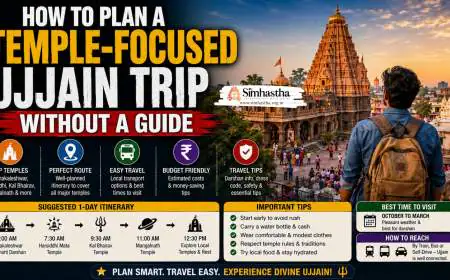
Example itinerary modification: Instead of visiting Kal Bhairav, Harsiddhi, and Mahakal in one morning (3+ hours walking), split them across two days. The extra day of accommodation is cheaper than fatigue‑driven overpayments.
Strategy 5: Use Cooling Accessories That Cost Pennies
-
Handheld folding fan (₹50) – reduces perceived temperature, keeps you calmer, reduces impulse to run into an AC shop.
-
Cooling neck wrap (₹200 – ₹500) – soak in water, wear around neck. Lowers body temperature by 5‑8°F.
-
Umbrella (₹150 – ₹300) – creates shade anywhere. Cheaper than ducking into expensive cafes to escape sun.
Strategy 6: Set a “No Heat Decisions” Rule
Before you leave home, write down a list of expensive shortcuts you are not allowed to take, no matter how tired or hot you feel. Examples:
-
No paying more than ₹100 for a 1‑litre water bottle.
-
No taking an auto for distances under 1 km.
-
No buying food from vendors without a printed price list.
-
No upgrading to a different hotel without calling your original booking first.
When heat and fatigue hit, your brain will try to justify breaking these rules. Having them written down makes you more likely to stick to your plan.
Strategy 7: Share the Load in a Group
If you travel with 2–3 other people, assign roles:
-
Hydration manager – carries the shared water bottle and reminds everyone to drink.
-
Route planner – uses offline maps to find the shortest shaded paths, avoiding unnecessary walking.
-
Cost guard – points out when fatigue is driving a bad spending decision.
Groups are less likely to make panicked, overpriced choices because one person is usually still thinking clearly.
Turning Heat and Fatigue from Enemies into Allies
Here is a mindset shift that saves thousands of rupees: acknowledge that heat and fatigue will happen, and plan for them as line items in your budget. Add a “heat buffer” of 15‑20% to your estimated daily expenses. By expecting the extra cost, you will not be shocked when it comes. And you will be less likely to make desperate, even more expensive mistakes.
Also, remember that early mornings (4 AM – 8 AM) and late evenings (6 PM – 9 PM) in Ujjain are actually pleasant, even in May. The temperature drops to 25°C – 30°C. Use these windows for your most physically demanding activities: bath in Shipra River, walk to Mahakal Temple, visit distant ghats. Save the midday for sleeping, reading, or planning the next day’s activities in an air‑conditioned room.
Simhastha 2028 is a spiritual marathon, not a sprint. Treat your body with the same care you treat your budget. When you keep your body cool and well‑rested, your money stays in your pocket. And you walk away from Ujjain with holy memories, not financial regrets.
Har Har Mahadev.
Frequently Asked Questions