
































Spiritual Gratitude Rituals After Darshan
Discover powerful spiritual gratitude rituals after darshan. Learn how to express devotion, maintain peace, and deepen your connection with divine energy daily.


Spiritual Gratitude Rituals After Darshan
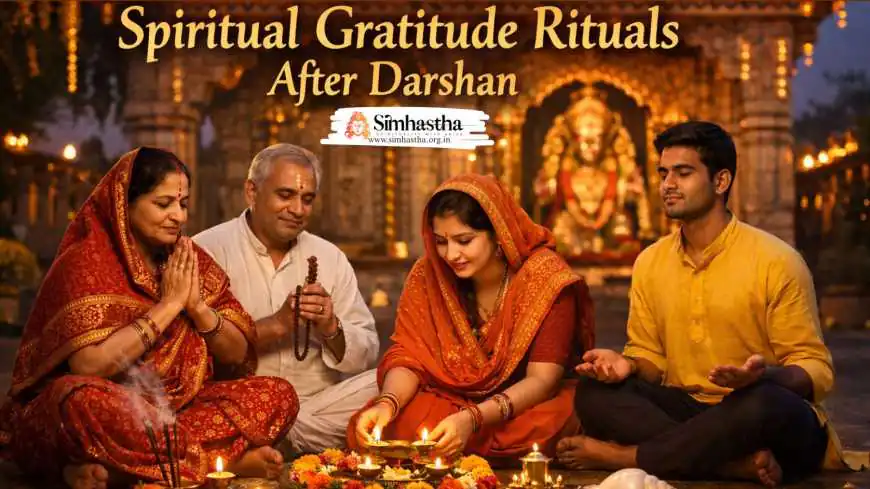
After experiencing darshan, devotees often feel a deep sense of peace, fulfillment, and connection. This moment naturally gives rise to gratitude, which becomes a powerful tool for sustaining spiritual awareness. Practicing spiritual gratitude rituals after darshan helps transform a temporary emotional experience into a lasting state of devotion and balance. Through simple yet meaningful actions like prayer, reflection, and mindful living, devotees strengthen their connection with the divine. These gratitude practices temple visit are not limited to temples but can be integrated into daily life, allowing the energy of darshan to continue influencing thoughts, emotions, and actions long after the visit.
Understanding Gratitude in Spiritual Practice
Gratitude in spirituality goes beyond saying thank you. It is a deep acknowledgment of presence, guidance, and support.
In the context of expressing gratitude hindu rituals, gratitude becomes a form of devotion. It aligns the mind with positivity and awareness, creating a stable inner state.
This understanding forms the foundation of spiritual discipline gratitude.
Trending Guides Now

Ujjain Railway Station to Mahakaleshwar Temple Distance (2026 Guide)
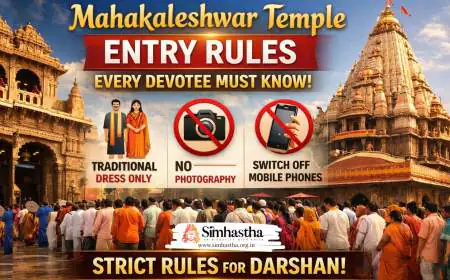
Mahakaleshwar Temple Entry Rules 2026: Dress Code, Mobile & Bag Policy

Bhasma Aarti at Mahakaleshwar Temple – Complete Pilgrim Guide

Best Time to Visit Mahakaleshwar Temple Crowd And Weather Guide

Ujjain Simhastha 2028 Dates Announced: Full Shahi Snan & Event Timeline

Why Ujjain Is One of the Four Kumbh Cities in India

Mangalnath Temple Trip Budget: Puja, Local Transport, Food and Stay Planning

Omkareshwar Trip Budget Guide: Transport, Stay, Food and Local Travel Costs
The Immediate Expression of Gratitude After Darshan
Right after darshan, devotees often feel a natural urge to express thanks. This moment is highly significant.
Simple acts of mahakal gratitude rituals include:
-
Folding hands in silence
-
Offering a prayer of thanks
-
Mentally acknowledging blessings
These actions help anchor the experience and deepen emotional connection.

Also Read | Mahakaleshwar Temple Darshan Timings And Aarti Schedule
Silent Reflection as a Gratitude Practice
Silence is one of the most powerful ways to express gratitude. Sitting quietly after darshan allows devotees to absorb the experience fully.
During this reflection, individuals can:
-
Recall the darshan moment
-
Observe their emotions
-
Feel a sense of completeness
This practice enhances post darshan spiritual habits.
Writing Gratitude Reflections
Journaling is an effective method for expressing gratitude. Writing helps organize thoughts and deepen awareness.
Devotees can write about:
-
What they felt during darshan
-
What they are grateful for
-
What they wish to improve
This process strengthens ujjain darshan reflection gratitude and provides clarity.
Also Read | Best Time to Visit Mahakaleshwar Temple Crowd And Weather Guide
Offering Daily Prayers of Gratitude
Continuing gratitude through daily prayer helps maintain connection with the divine.
A simple shiva bhakti gratitude practices routine may include:
-
Morning prayer of thanks
-
Evening reflection
-
Acknowledging daily blessings
Consistency ensures that gratitude becomes a habit.
Practicing Gratitude Through Actions
Gratitude is not limited to words. It can be expressed through actions.
Devotees can practice:
-
Helping others
-
Showing kindness
-
Maintaining honesty
These actions reflect devotion gratitude practices and reinforce spiritual values.
Also Read | Mahakal Lok Architecture A Divine Fusion Of Arts
Maintaining Awareness of Blessings
One of the key aspects of gratitude is awareness. Recognizing small blessings creates a positive mindset.
This includes:
-
Appreciating health and relationships
-
Acknowledging opportunities
-
Being mindful of daily experiences
This awareness supports daily gratitude after darshan.
Gratitude as a Tool for Inner Peace
Gratitude naturally reduces stress and anxiety. When individuals focus on what they have rather than what they lack, their mental state improves.
This shift leads to:
-
Emotional balance
-
Reduced negativity
-
Greater contentment
It is a core benefit of inner peace gratitude rituals.
Also Read | Senior Citizen Darshan Guide
Strengthening Faith Through Gratitude
Gratitude reinforces faith. When devotees acknowledge blessings, their trust in the divine grows stronger.
This strengthens:
-
Spiritual connection
-
Emotional resilience
-
Confidence in life’s journey
It becomes an essential part of post pilgrimage gratitude.
Integrating Gratitude Into Daily Life
The goal of gratitude rituals is integration. Devotees should carry this mindset into everyday activities.
This includes:
-
Being mindful during work
-
Appreciating interactions
-
Staying positive in challenges
Integration ensures continuity of spiritual gratitude rituals after darshan.
Also Read | Women Safety Guide for Ujjain
Avoiding the Loss of Gratitude Over Time
It is common for gratitude to fade after the initial experience. Regular practices help maintain it.
Devotees can:
-
Set reminders for reflection
-
Maintain a gratitude journal
-
Practice daily prayer
These steps ensure long-term consistency.
Gratitude and Emotional Healing
Gratitude helps in healing emotional wounds. By focusing on positive aspects, individuals reduce the impact of negative experiences.
This leads to:
-
Improved mental health
-
Reduced stress
-
Better emotional balance
It highlights the therapeutic value of gratitude.
One of the most common questions visitors ask is whether they can carry mobile phones inside the temple. Because of security regulations and the need to maintain the sanctity of the shrine, mobile phones are usually restricted inside the temple premises. Devotees who want a clear explanation of the official mobile policy can read the detailed guide Is Phone Allowed in Mahakaleshwar Temple Ujjain, where the rules, locker facilities, and visitor guidelines are explained in depth.
Building Discipline Through Gratitude Practices
Regular gratitude practices create discipline. This discipline supports other spiritual habits.
Devotees who follow spiritual discipline gratitude often experience:
-
Better focus
-
Consistent routines
-
Improved self-awareness
This strengthens overall spiritual growth.
The Role of Simplicity in Gratitude Rituals
Gratitude practices do not need to be complex. Simple actions can be highly effective.
Examples include:
-
Saying a short prayer
-
Taking a moment of silence
-
Reflecting on the day
Simplicity ensures sustainability.
Sharing Gratitude With Others
Expressing gratitude to others enhances relationships and spreads positivity.
Devotees can:
-
Thank family members
-
Appreciate colleagues
-
Encourage others
This sharing amplifies gratitude practices temple visit.
From Momentary Emotion to Lasting Mindset
Initially, gratitude may feel like a response to darshan. Over time, it becomes a mindset.
Devotees begin to approach life with appreciation rather than expectation.
This shift defines the success of spiritual gratitude rituals after darshan.
When Gratitude Becomes a Way of Living
The ultimate goal is to make gratitude a natural part of life. It should not require effort but flow naturally through thoughts and actions.
Devotees who reach this stage experience:
-
Continuous inner peace
-
Stable emotional state
-
Strong spiritual connection
The Quiet Expansion of Thankfulness
Gratitude inspired by darshan does not remain confined to a single moment. It expands gradually, influencing every aspect of life.
There is a subtle shift in perception, where even ordinary experiences feel meaningful. Challenges become manageable, relationships become deeper, and daily life gains a sense of purpose.
In this quiet expansion, gratitude transforms from a practice into a presence, guiding life with awareness, humility, and lasting inner balance.
Related Ujjain Darshan Guides :
- Why Every Devotee Should Visit Kal Bhairav Temple
- A Morning at Mahakaleshwar
- A Walk Through Mahakal Lok
- Why Ujjain is Called the City of Salvation
- Exploring Sandipani Ashram Ujjain
- Perfect Stay Near Mahakaleshwar Temple, Ujjain
- Ujjain ke Mahakaleshwar
- Chintaman Ganesh: Why Wishes Are Said to Manifest Faster Here
- Bhartrihari Caves: Meditation Secrets Hidden Underground
- VIP Darshan at Mahakaleshwar: What No One Tells You
Frequently Asked Questions