

















Mythological and Historical Significance of the Simhastha Kumbh Mela
Experience the mythological roots, rituals, and spiritual significance of Simhastha Kumbh Mela in Ujjain, where faith, history, and cosmic tradition unite.


Mythological and Historical Significance of the Simhastha Kumbh Mela
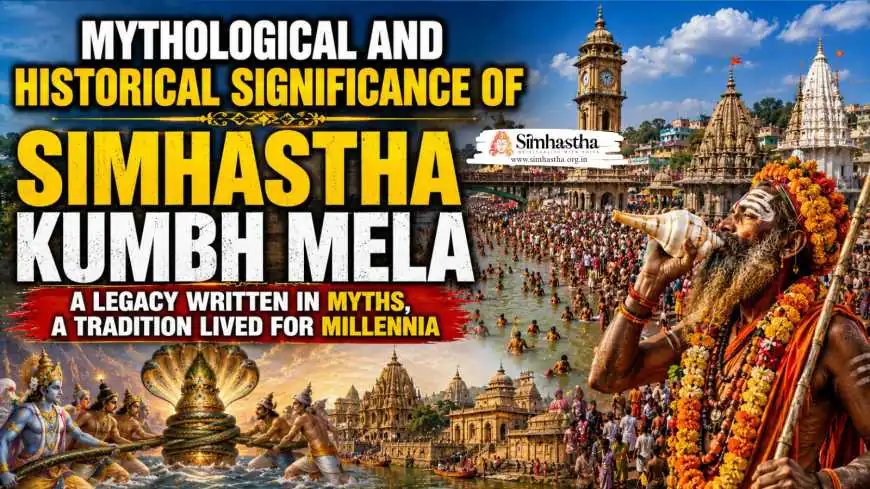
The Simhastha Kumbh Mela significance is deeply connected to Hindu mythology Kumbh Mela origin, especially the story of Samudra Manthan Kumbh. As per ancient scriptures, when the Devas and Asuras churned the ocean for Amrit, divine drops sanctified Ujjain Kumbh Mela location, giving it eternal spiritual importance. Over centuries, this belief evolved into the grand Ujjain Simhastha festival, where millions gather for holy dip in Shipra River, seeking moksha, purification, and spiritual blessings.
Historically, the Simhastha Kumbh Mela history dates back thousands of years, with references found in Puranas, ancient Hindu texts, and pilgrim traditions. Ujjain, once known as Avantika, has been a major center of Sanatan Dharma, astronomy, and spiritual learning, further strengthening the historical importance of Ujjain Kumbh Mela. The role of Akharas in Kumbh Mela, the tradition of Shahi Snan Ujjain, and the presence of sadhus and saints have shaped the festival into a living blend of ancient tradition and organized religious gathering.
The Simhastha Kumbh Mela Ujjain importance is also defined by its astrological timing of Kumbh Mela, where Jupiter in Leo (Simha Rashi Kumbh) creates a spiritually charged period believed to amplify the benefits of rituals. This unique synchronization of cosmic alignment, sacred geography, and religious faith makes the Ujjain Simhastha Kumbh Mela not just a festival, but a timeless expression of India’s spiritual, cultural, and historical heritage.
For readers seeking complete and authoritative coverage of Ujjain Simhastha, including its history, mythological significance, Shahi Snan rituals, dates, temples, Akharas, travel planning, and first-time pilgrim guidance, refer to our ultimate Simhastha guide for Ujjain. This detailed resource consolidates every essential aspect in one place and serves as the primary reference for understanding Simhastha holistically.
Trending Guides Now

Ujjain Airport Project: A Historic Leap Before Simhastha 2028
Government Doubles Powers of Ujjain Mayor and Commissioner Ahead of Simhastha 2028

Indore–Ujjain Six-Lane Highway nearing completion — big step for regional growth!

Indore–Ujjain Six Lane Highway Update 2025: Completion Timeline & Simhastha Impact

Ujjain Railway Station to Mahakaleshwar Temple Distance (2026 Guide)

Ujjain Simhastha 2028 Dates Announced: Full Shahi Snan & Event Timeline

Ujjain Simhastha Update: CM Mohan Yadav Reviews 2028 Works
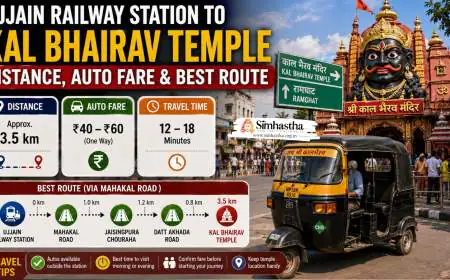
Ujjain Railway Station to Kal Bhairav Temple: Distance, Auto Fare and Best Route
Also Read | What Is Simhastha? Complete Explanation of Ujjain’s Sacred Kumbh
Ujjain: A Spiritual and Cultural Capital
Ujjain is one of the seven sacred cities (Sapta Puri) in Hinduism. The city is home to the revered Mahakaleshwar Jyotirlinga, making it a vital pilgrimage destination for Shiva devotees.
Historically, Ujjain served as the ancient capital of the Avanti kingdom and was known as a premier center of learning, culture, astronomy, and art.
During Simhastha, every corner of Ujjain transforms into a vibrant canvas of spirituality and devotion. The ghats, temples, streets, and corridors glow with rituals, chants, and millions of devotees united in faith.
Historical Mentions of Simhastha
The Simhastha Kumbh Mela is mentioned in ancient texts and documented by travelers and scholars:
-
7th Century: Chinese traveler Xuanzang (Hiuen Tsang) visited Ujjain and described its grand religious gatherings and the enormous presence of monks and ascetics.
-
12th Century: Persian scholar Al-Biruni wrote about the spiritual assemblies of saints and pilgrims in Ujjain.


The festival occurs every 12 years, determined entirely by precise Hindu astrological calculations.
A first time Simhastha guide is essential because without contextual understanding, pilgrims arrive prepared for devotion but unprepared for logistics, stamina, patience, and adaptability.
Major Rituals of Simhastha Kumbh Mela
Simhastha is not just a religious gathering — it is a spiritual, social, and cultural celebration lasting nearly a month. Each day is filled with sacred ceremonies, prayers, discussions, and devotional events.
1. Shahi Snan (Royal Bath in the Kshipra River)
The most revered ritual of Simhastha is the holy dip in the Kshipra River, known as the Shahi Snan.
-
It is performed at highly auspicious times based on planetary movements.
-
Devotees believe that bathing on this day destroys sins and brings divine blessings.
-
The Naga Sadhus, immersed in intense penance, lead the ritual and are a major attraction.
Also Read | Best Time To Visit Ujjain Simhastha 2028
2. Processions of Saints and Sadhus
Thousands of saints from various Akhadas and spiritual traditions participate.
-
The Naga Sadhus stand out for their ash-covered bodies, deep penance, and yogic mastery.
-
Their vibrant processions, chants, and spiritual displays create an unforgettable spectacle.
This reflects India’s rich diversity and unity in spirituality.
3. Pravachans and Spiritual Discourses
Renowned saints and scholars deliver discourses on:
-
Hindu philosophy
-
Scriptures
-
Morality and spiritual living
These sessions deepen the devotee’s understanding of dharma and the purpose of human life.
Also Read | Step-by-Step Guide to Shipra Snan at Ujjain Kumbh Mela
4. Pujas, Havans, and Offerings
Beyond bathing rituals, devotees engage in:
-
Pujas
-
Yagyas
-
Floral offerings
-
Special ceremonies conducted by priests and gurus
These bring inner transformation, peace, and divine grace.
Also Read | Common Simhastha Mistakes Visitors Must Avoid
Social and Cultural Significance of Simhastha
Simhastha goes beyond religion. It represents:
-
Unity across caste, creed, and social status
-
Cultural exchange and social harmony
-
A platform for awareness on education, health, and social reforms
Over the centuries, the Mela has contributed to India’s social consciousness and public welfare.
Historic Simhastha Highlights
Simhastha 2004
-
Marked by major improvements in management, safety, and logistics
-
Better healthcare, traffic control, and facilities
Simhastha 2016
-
Witnessed more than 50 million devotees
-
Use of digital technology made the event safer and smoother
-
Global live-streaming helped international devotees participate virtually
Upcoming Simhastha 2028
Simhastha 2028 in Ujjain is expected to be one of the largest and most advanced editions ever.
What to Expect:
-
Dates: The Mela will begin when Jupiter enters Leo, as per astrological calculations.
-
Advanced Facilities: Enhanced security, health services, traffic systems, and digital features.
-
Live Darshan: Devotees worldwide can witness rituals online.
-
Cultural Events: Spiritual discourses, folk performances, and traditional art exhibitions.
-
Eco-Focused: Special care for cleanliness and environmental sustainability.
Simhastha 2028 promises to blend ancient wisdom with modern efficiency, creating a spiritual experience for the world.
Planning a trip to Ujjain Simhastha? Check our Ujjain Simhastha 2028 Cost Per Person (Full Budget Guide) to understand accommodation, food, and travel expenses during the Ujjain Kumbh Mela.
Simhastha in the Digital Era
The modern Simhastha is a confluence of timeless tradition and digital innovation.
-
Live streaming brings the Mela to every corner of the world.
-
Technology ensures better crowd management and enhanced pilgrim convenience.
-
Digital platforms make the festival globally accessible like never before.
Spiritual Message of Simhastha Kumbh Mela
Simhastha symbolizes:
-
Spiritual purification
-
Unity of humanity
-
Inner awakening
-
Timeless devotion
Through ritual bathing, prayers, and satsangs, devotees experience purification of mind, body, and soul.
The festival shows that faith transcends social boundaries and that the essence of spirituality lies in equality, discipline, and peace.
Simhastha: A Test of Time and Faith
The Kumbh Mela is an inseparable part of India’s cultural and spiritual heritage.
It reminds us that:
-
Devotion endures through centuries
-
Spirituality adapts to changing times while remaining eternal
-
Humanity is united by a shared longing for the divine
Every Simhastha leaves behind memories and spiritual impressions that stay with devotees for life.
Frequently Asked Questions