





















IIT Bombay to Train Engineers for Safe Simhastha 2028 Construction in Ujjain

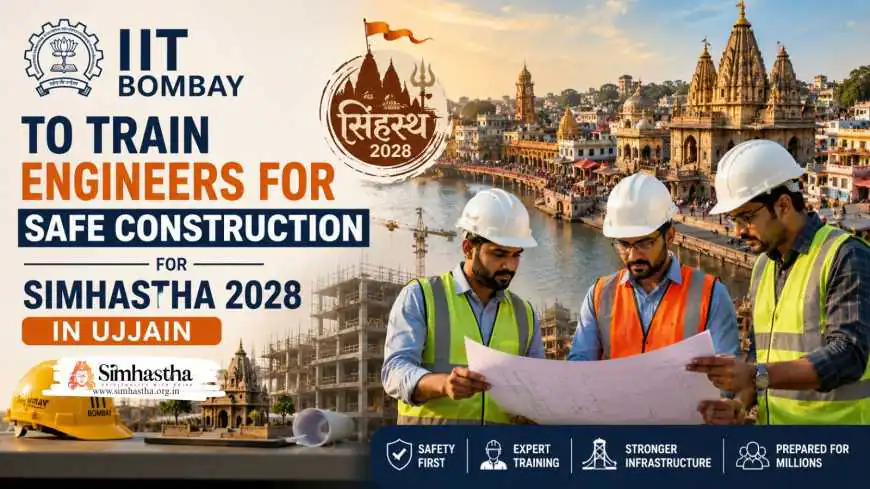
IIT Bombay will train engineers and construction professionals for Simhastha 2028 in Ujjain, enhancing infrastructure safety, quality, and preparedness for millions of pilgrims.

20 Jul 2026 at 07:47 PM
Updated: 09 Aug 2026 • 11:32 PM
 0
🚩 Plan Your Ujjain & Simhastha 2028 Visit → 🏨 View Today’s Hotel Deals →
IIT Bombay to Train Engineers for Safe Simhastha 2028 Construction in Ujjain

IIT Bombay to Train Engineers for Safe Simhastha 2028 Construction in Ujjain

The IIT Bombay training program for Simhastha 2028 marks one of the most significant developments in Ujjain's ongoing preparations for the world's largest spiritual gathering. 🏗️🙏 Instead of focusing only on completing projects before the festival begins, authorities are now investing in something equally important: building safe, durable, and world-class infrastructure.

As Simhastha 2028 draws closer, Ujjain is witnessing rapid transformation. Roads are expanding, bridges are being strengthened, ghats are being modernized, public utilities are being upgraded, and transport infrastructure is evolving to accommodate millions of pilgrims. Behind every project stands a team of engineers, supervisors, contractors, and thousands of construction workers. Their work will shape the experience of every devotee who visits Ujjain during the sacred festival.

Recognizing the scale of these responsibilities, IIT Bombay has stepped forward to provide specialized training in construction safety, engineering best practices, risk assessment, and modern project management. This initiative reflects a new approach where safety becomes the foundation of development rather than an afterthought.


🏗️ Why IIT Bombay's Training Is a Game Changer for Simhastha 2028

Preparing a city for crores of pilgrims is vastly different from ordinary urban development. Every road, bridge, public facility, temporary camp, and river ghat must perform reliably under immense pressure.

Trending Guides Now

This is where IIT Bombay's expertise becomes invaluable.

The institute is helping engineers understand how to identify risks before construction begins, manage complex projects efficiently, improve worker safety, and ensure infrastructure meets high engineering standards.

The objective is clear:

✅ Reduce workplace accidents

✅ Improve construction quality

✅ Complete projects efficiently

✅ Protect workers

✅ Build long-lasting infrastructure

This proactive approach ensures that infrastructure created for Simhastha 2028 continues benefiting residents even after the religious event concludes.


👷 Modern Construction Safety Takes Centre Stage

Construction remains one of the most challenging industries worldwide. Large infrastructure projects involve heavy machinery, elevated work areas, electrical installations, excavation, structural work, and continuous movement of materials.

Without proper planning, the chances of accidents increase significantly.

The IIT Bombay training introduces engineers to modern safety practices including:

  • 🦺 Site hazard identification
  • 🚧 Risk assessment techniques
  • 🏗️ Safe construction planning
  • ⚙️ Heavy equipment safety
  • 🚜 Machinery inspection
  • 👷 Worker protection systems
  • 📋 Safety documentation
  • 🚨 Emergency preparedness
  • 🔍 Continuous safety monitoring
  • ✅ Quality assurance practices

These practices create safer construction environments while improving overall project performance.


🌉 Building Infrastructure That Can Handle Millions of Pilgrims

One of the biggest challenges during Simhastha 2028 will be managing enormous crowds across Ujjain.

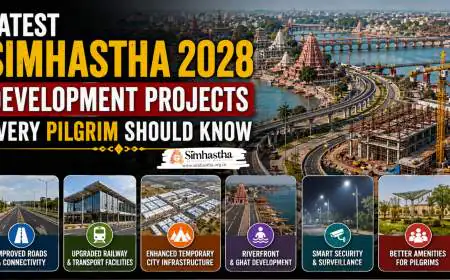
Infrastructure currently under development includes:

Project Purpose
🚗 Road Widening Better traffic movement
🌉 New Bridges Reduce congestion
🌊 Shipra Ghats Safer bathing experience
🚉 Railway Upgrades Handle increased passengers
🚌 Public Transport Improve city connectivity
💧 Water Supply Meet increased demand
🚽 Public Amenities Better sanitation
🏥 Emergency Facilities Faster medical response

Each of these projects requires strict engineering supervision to ensure long-term safety and reliability.


🚧 Construction Safety Means Better Quality Infrastructure

Many people believe construction safety only protects workers.

In reality, it improves the entire project.

When engineers follow systematic safety procedures:

  • Structures become stronger.
  • Construction quality improves.
  • Delays decrease.
  • Repairs become less frequent.
  • Costs remain under control.
  • Public confidence increases.

Safety and quality always move together.

This is one of the core principles being emphasized through the IIT Bombay initiative.


🌍 Learning From India's Premier Engineering Institution

IIT Bombay has decades of experience in engineering education and research.

Its involvement brings advanced technical knowledge directly to the professionals responsible for transforming Ujjain.

Participants are expected to learn:

📚 Engineering Planning

Understanding project sequencing before work begins.

🔍 Risk Analysis

Identifying hazards before they become accidents.

🛠️ Practical Site Management

Maintaining discipline and organization on active construction sites.

🚑 Emergency Response

Preparing teams for unexpected situations.

📈 Continuous Improvement

Monitoring projects throughout every stage instead of only during completion.


🚜 Protecting Thousands of Construction Workers

Large infrastructure projects depend upon thousands of skilled and unskilled workers.

Every day they operate cranes, excavators, concrete mixers, scaffolding, electrical equipment, and heavy machinery.

Some common risks include:

  • Falls from height
  • Equipment failures
  • Electrical shocks
  • Material collapse
  • Heat stress
  • Excavation accidents
  • Vehicle movement
  • Structural instability

By educating engineers and supervisors, these risks can be significantly reduced.

A safer workforce also means faster project completion and higher productivity.


🚦 Planning Before Problems Occur

One of the strongest aspects of the IIT Bombay program is preventive planning.

Rather than waiting for accidents, engineers learn to anticipate challenges before work starts.

This includes:

  • Conducting safety audits
  • Reviewing engineering drawings
  • Evaluating work environments
  • Inspecting equipment
  • Monitoring contractor compliance
  • Creating emergency response plans

This proactive approach reduces uncertainty and improves project efficiency.


🏛️ Supporting Ujjain's Largest Infrastructure Transformation

Preparations for Simhastha 2028 represent one of the largest urban development initiatives ever undertaken in Ujjain.

Projects are expected to improve:

  • Urban mobility 🚗
  • Public transport 🚌
  • Pilgrim movement 🚶
  • Riverfront accessibility 🌊
  • Drainage systems 💧
  • Civic amenities 🏥
  • Smart city infrastructure 📡
  • Public safety 🚔

These developments will continue serving residents long after Simhastha concludes.


🙏 Creating a Safer Experience for Every Devotee

Every pilgrim who visits Ujjain expects a peaceful and spiritually fulfilling experience.

Behind that experience lies months and years of engineering effort.

Safe roads help emergency vehicles move quickly.

Strong bridges reduce congestion.

Well-designed ghats improve crowd movement.

Reliable public facilities enhance comfort.

Modern infrastructure supports efficient administration.

The IIT Bombay initiative strengthens each of these elements by improving engineering knowledge at the foundation level.


🌟 Engineering Excellence Beyond Simhastha 2028

Although the immediate objective is preparing Ujjain for Simhastha 2028, the long-term impact is even greater.

Engineers receiving advanced training today will carry these skills into future highways, bridges, public buildings, smart city projects, and urban development initiatives across Madhya Pradesh.

This creates a lasting legacy of improved engineering standards and stronger safety culture.

As preparations continue, the collaboration between IIT Bombay and the Ujjain administration demonstrates that successful mega-events depend not only on impressive infrastructure but also on the expertise, planning, and commitment of the people who build it.

For millions of devotees expected to arrive in Ujjain in 2028, these efforts may remain invisible, yet they will form the strong foundation beneath every road traveled, every bridge crossed, every ghat visited, and every sacred moment experienced.

The message behind this initiative is simple but powerful:

A world-class Simhastha begins with world-class engineering, and world-class engineering always begins with safety. 🏗️🛕🙏


Frequently Asked Questions

IIT Bombay is training engineers and construction professionals to improve construction safety, engineering quality, risk management, and project execution for the large-scale infrastructure works being carried out for Simhastha 2028 in Ujjain.

The primary objective is to ensure that roads, bridges, ghats, public facilities, and other infrastructure projects are built safely while protecting workers, maintaining quality standards, and completing projects efficiently before Simhastha 2028.

Government engineers, technical officers, construction supervisors, project managers, contractors, and professionals involved in Simhastha 2028 infrastructure projects will benefit from the specialized training.

Construction safety reduces workplace accidents, improves project quality, minimizes delays, protects workers, and ensures that infrastructure is safe and reliable for millions of pilgrims visiting Ujjain during Simhastha 2028.

Preparations include road widening, bridge construction, Shipra River ghat redevelopment, railway station upgrades, drainage systems, water supply improvements, parking facilities, public amenities, and other civic infrastructure projects.

IIT Bombay's expertise will strengthen engineering practices, improve construction quality, promote worker safety, and help create durable infrastructure that will continue benefiting Ujjain long after Simhastha 2028.

Yes. The program focuses on hazard identification, risk assessment, equipment safety, emergency preparedness, and worker protection measures to significantly reduce construction-related accidents.

Effective planning helps engineers identify risks early, improve project coordination, reduce delays, optimize resources, and ensure infrastructure is completed safely and on schedule.

Yes. Roads, bridges, public transport systems, civic amenities, drainage networks, and other infrastructure developed for Simhastha 2028 will continue serving Ujjain residents for many years after the festival.

Engineers are responsible for designing, supervising, inspecting, and managing infrastructure projects that support safe pilgrim movement, efficient transportation, and reliable public services during the event.

Following modern construction safety standards helps reduce structural defects, improve workmanship, enhance durability, lower maintenance costs, and increase the overall reliability of public infrastructure.

Simhastha 2028 requires extensive upgrades to roads, bridges, public transport, civic facilities, riverfront infrastructure, utilities, and emergency services to safely accommodate millions of pilgrims.

Engineers trained through this program will apply advanced construction safety and project management practices to future infrastructure projects, contributing to safer, stronger, and more sustainable urban development across Madhya Pradesh.

Shiv Anand Shiv Anand is a Simhastha researcher and meditation writer who turns India’s sacred traditions into simple, practical guidance for modern seekers. He writes on meditation, Simhastha, temples, and spiritual lifestyle rooted in Sanatan Dharma.

WhatsApp Live Updates Instagram Photos
Home Live Hotels Notifications