













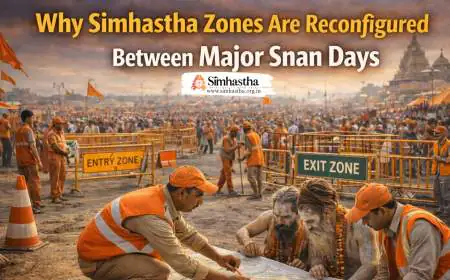

Medical Emergencies Pilgrims Should Prepare for at Simhastha
Medical emergencies pilgrims face at Simhastha: heatstroke, cardiac events, drowning, stampede injuries, dehydration. Prevention and emergency response guide.
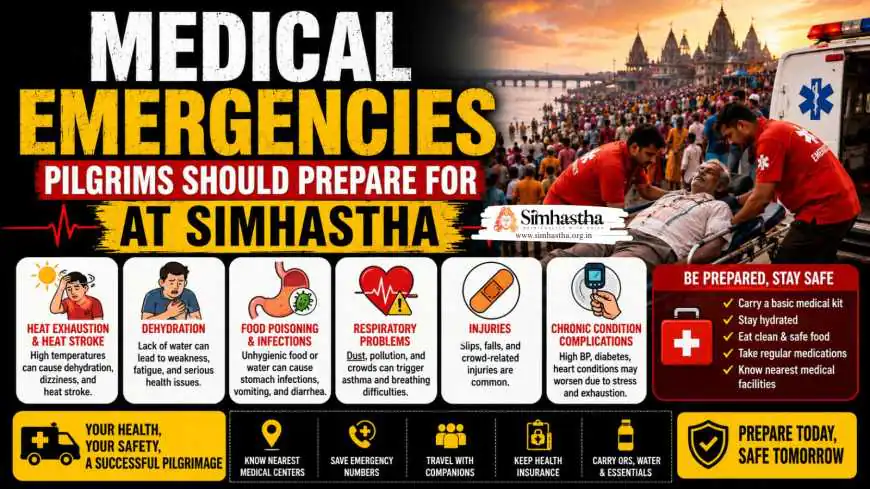

Medical Emergencies Pilgrims Face at Simhastha
Pilgrims at Simhastha face five life-threatening medical emergencies: heatstroke (40-45°C temperatures, 30+ deaths in 2016), cardiac events (heart attacks triggered by exertion and dehydration, 25+ deaths in 2016), drowning during holy dips (18 confirmed deaths in 2016, many more unreported), stampede and crowd crush injuries (compressive asphyxia kills in 2-3 minutes), and severe dehydration leading to kidney failure. Secondary emergencies include gastroenteritis (3,000+ hospitalizations in 2016), respiratory distress from dust and smoke (400+ cases), fall-related fractures on slippery ghats, hypoglycemia in diabetic pilgrims, and infectious disease outbreaks (typhoid, hepatitis A). Senior pilgrims account for 70-80% of medical emergencies. Most emergencies are preventable with proper hydration, medication management, and awareness of early warning signs. Knowing how to recognize and respond to each emergency can save lives.
Emergency 1: Heatstroke – The Silent Killer at Simhastha 🥵
Simhastha occurs in April-May when Ujjain temperatures reach 40-45°C (104-113°F). Pilgrims walk 8-12 km daily in direct sun. Heatstroke is the most common serious emergency.
Why Pilgrims Get Heatstroke
-
Walking long distances in peak sun hours (10 AM – 4 PM)
-
Standing in queues (2-4 hours) without shade
Trending Guides Now

Ujjain Simhastha 7 Day Itinerary for Families
2 Days Ujjain Wheelchair Travel Plan Senior Guide

Ujjain Temple Tour by Auto, Taxi or Walking: Best Choice

Ujjain Family Trip Guide: Temples, Hotels and Travel Tips
Ujjain Railway Station to Mahakaleshwar Temple: Distance, Fare & Route

Ujjain Simhastha 2028 Dates Announced: Full Shahi Snan & Event Timeline
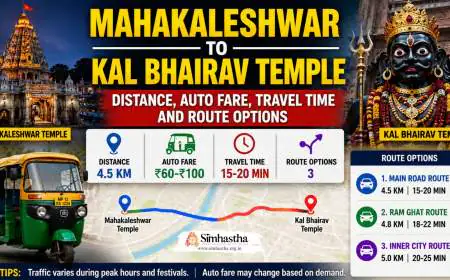
Mahakaleshwar to Kal Bhairav Temple: Distance, Auto Fare, Travel Time and Route Options
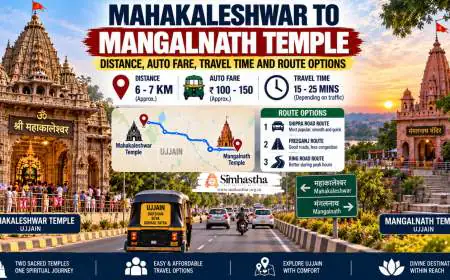
Mahakaleshwar to Mangalnath Temple: Distance, Auto Fare, Travel Time and Route Options
-
Dehydration from inadequate water intake
-
Seniors have reduced thirst perception – they don't feel thirsty until severely dehydrated
-
Medications (diuretics for BP, some diabetes drugs) increase dehydration risk
Statistics from Simhastha 2016
-
800+ heatstroke hospitalizations
-
30+ confirmed deaths (actual figure likely higher)
-
80% of victims were over 60 years old
How to Recognize Heatstroke
| Stage | Symptoms | Action |
|---|---|---|
| Heat exhaustion (act fast – before it progresses) | Heavy sweating, weakness, cold clammy skin, fast weak pulse, nausea, headache, muscle cramps | Move to shade, remove extra clothing, drink ORS water, apply cool wet cloths to neck/armpits |
| Heat stroke (EMERGENCY – call ambulance immediately) | High body temperature (103°F+ / 39.5°C+), hot dry skin (sweating stops), rapid strong pulse, confusion, disorientation, seizures, unconsciousness | CALL 108 OR INSURER HELPLINE IMMEDIATELY. While waiting: move to shade, apply ice packs to neck/armpits/groin, fan continuously. Do NOT give fluids if unconscious. |
Prevention
-
Drink 500 ml water every 20 minutes – set a phone alarm
-
Avoid outdoor activity 12 PM – 4 PM – rest in AC or shaded tent
-
Wear light cotton clothing, wide hat, sunglasses
-
Wet scarf on neck (evaporative cooling lowers body temperature)
-
Know the nearest first-aid tent location
Emergency Response for Heatstroke
-
Call 108 (ambulance) or your insurer's Simhastha helpline
-
Move patient to shade (if safe to move – do not move if unconscious without help)
-
Remove excess clothing (shoes, socks, jacket)
-
Apply ice packs or cool wet cloths to neck, armpits, groin (major blood vessels close to skin)

-
Fan continuously – use anything (paper, towel, cardboard)
-
If conscious and able to swallow, give ORS water slowly. Do NOT force fluids.
-
Do NOT give fever-reducing medications (paracetamol, ibuprofen) – they are ineffective for heatstroke and may harm kidneys

Emergency 2: Cardiac Events – Heart Attacks Triggered by Pilgrimage ❤️
The combination of extreme heat, dehydration, physical exertion (walking 8-12 km daily), and emotional stress triggers heart attacks – even in pilgrims with no prior symptoms.
Why Cardiac Events Happen at Simhastha
-
Dehydration thickens blood – increases risk of clot formation
-
Heat causes blood vessels to dilate – heart works harder to maintain blood pressure
-
Walking 8-12 km daily – significant exertion for sedentary seniors
-
Emotional stress of crowds and long queues raises blood pressure and heart rate
-
Pre-existing heart disease in 40-50% of pilgrims over 60 (many undiagnosed)
Statistics from Simhastha 2016
-
500+ cardiac emergencies
-
80+ heart attacks
-
25+ deaths (85% were over 65 years old)

How to Recognize a Heart Attack
Classic symptoms (less common in elderly, women, diabetics):
-
Crushing chest pain or pressure (like an elephant sitting on chest)
-
Pain radiating to left arm, jaw, or back
Atypical symptoms (more common in elderly, women, diabetics – often ignored):
-
Shortness of breath (without chest pain)
-
Nausea, vomiting, indigestion (mistaken for food poisoning)
-
Cold sweat, lightheadedness, sudden weakness
-
Extreme fatigue (mistaken for "just tired from walking")
-
Pain in jaw, neck, upper back, or stomach
If any of these occur during walking or crowd exposure – STOP IMMEDIATELY. Sit down. Do not push through.
Emergency Response for Heart Attack
-
Stop all activity – sit the patient down (do not lie flat unless unconscious – semi-sitting position is better)
-
Call 108 (ambulance) or insurer helpline immediately – every minute matters
-
If patient has nitroglycerin spray (prescribed for known heart disease): spray 1-2 puffs under tongue. Wait 5 minutes. If pain continues, spray again. Wait 5 minutes. If still in pain – this is a heart attack, call ambulance if not already called.
-
If patient is conscious and not allergic, give chewable aspirin (325 mg) – aspirin reduces clot size. Ask patient: "Are you allergic to aspirin? Have you been told not to take aspirin?" If no, give one tablet to chew (not swallow).
-
Loosen tight clothing (shirt collar, belt)
-
Do NOT let the patient walk to find help – walking increases heart oxygen demand and can be fatal
-
If patient becomes unconscious and not breathing, begin CPR (100-120 compressions per minute, 2 inches deep) if you are trained. Continue until ambulance arrives.
Prevention for High-Risk Pilgrims
-
Pre-pilgrimage medical checkup (ECG, stress test for those over 60 with risk factors)
-
Carry nitroglycerin spray in FRONT POCKET (not bag) if prescribed
-
Rest every 30 minutes – do not push through fatigue
-
Stay hydrated – dehydration is a major trigger
-
Know your warning signs – if something feels "off," stop and rest
Emergency 3: Drowning During Holy Dip 🌊
The holy dip in Shipra River is central to Simhastha. But crowds, currents, and drop-offs make drowning a real risk.
Why Pilgrims Drown
-
Cannot swim – most pilgrims enter water without swimming ability
-
Crowds push bathers into deep zones beyond their depth
-
Sudden drop-offs in river bed – shallow becomes deep unexpectedly
-
Currents can sweep even strong swimmers
-
Early morning dips (4-6 AM) – visibility low, lifeguards not fully staffed
-
Intoxicants (bhang, alcohol) impair judgment and swimming ability
Statistics from Simhastha 2016
-
18 confirmed drowning deaths (12 at Ram Ghat alone)
-
Unofficial figures likely higher (families take bodies home without reporting)
-
Most victims were male, age 40-60, who overestimated their swimming ability
How to Recognize Drowning
Drowning is NOT like movies (splashing, shouting). Real drowning is silent and fast:
-
Head low in water, mouth at water level
-
Eyes glassy, cannot focus
-
Hair over forehead or eyes
-
Not using legs – vertical position
-
Hyperventilating or gasping
-
Trying to swim but not making progress
-
Appears to be climbing an invisible ladder
Emergency Response for Drowning
If you see someone drowning (and you are a strong swimmer with rescue training):
-
Do NOT jump in without a flotation device – drowning people will push you under
-
Throw a life ring, rope, or any floating object
-
If you enter water, approach from behind – grab under armpits, swim backward to shore
If the person is rescued from water:
-
Check for responsiveness – tap and shout
-
If not breathing, begin CPR immediately (30 compressions : 2 breaths). Do NOT waste time trying to drain water from lungs – modern protocols say CPR first.
-
Call 108 (ambulance) – even if patient seems fine (secondary drowning can occur hours later)
-
Keep patient warm – cover with dry clothes or blanket
Prevention
-
Bathe only in barricaded safe zones (roped-off areas with lifeguards)
-
Do not go beyond waist-deep water – even if you know how to swim
-
Elderly should bathe from ghat steps (with railings), not enter deep water
-
Never bathe alone – stay within arm's reach of family
-
Do not consume bhang or alcohol before holy dip
-
Children should wear life jackets if entering water
Emergency 4: Stampede and Crowd Crush Injuries
Stampedes are rare but catastrophic when they occur. The Hajj 2015 stampede killed 2,411 pilgrims. Kumbh Mela 2013 killed 42.
How Stampede Deaths Happen
Most stampede deaths are not from being crushed under feet. They are from compressive asphyxia – crowd pressure on the chest prevents lung expansion. Victims suffocate standing up in 2-3 minutes.
Warning Signs of a Stampede About to Happen
-
Crowd density so tight you cannot lift your arms
-
The crowd surging forward or backward unpredictably (a "crowd wave")
-
People near you falling
-
Shouting, screaming, panic in voices
-
Inability to move voluntarily – you are carried by crowd force
Emergency Response – If You Are in a Stampede
-
Move perpendicular to crowd flow (toward the edge, not against the flow or with it)
-
Keep hands up near chest – elbows bent, fists near collarbone – creates breathing space of 2-3 inches
-
Do NOT bend down to pick up anything (phone, shoe, bag). Let it go. Bending down in a stampede is how people get trampled.
-
Do NOT stop to take photos or call anyone – leave first, call later
-
If you fall, curl into fetal position on your side, protect your head with arms, and try to get your knees to your chest. Stay still until crowd passes, then crawl to edge.
Emergency Response – If Someone Has Been Trampled
-
Call 108 (ambulance) immediately
-
Do NOT move the patient unless there is immediate danger (fire, collapsing structure)
-
Check for breathing – if not breathing, begin CPR
-
Control bleeding – apply direct pressure with clean cloth
-
Keep patient warm – shock is common after trauma
Prevention
-
Avoid the center of crowds – stay near edges where pressure is lower
-
Attend Shahi Snan at off-peak hours (early morning before 6 AM)
-
Know the nearest exit upon entering any crowded area
-
Do not enter extremely dense crowds – wait 30-60 minutes for density to reduce
-
Seniors and children should avoid peak crowd times
Emergency 5: Severe Dehydration and Kidney Failure
Dehydration is often dismissed as "minor" but can be life-threatening, especially for seniors and those with kidney disease.
Why Dehydration Is Dangerous
-
Kidney failure – dehydration reduces blood flow to kidneys; elderly kidneys are already compromised
-
Blood clots – dehydration thickens blood, increasing stroke and heart attack risk
-
Heatstroke progression – dehydration accelerates heat exhaustion to heatstroke
-
Medication toxicity – dehydration concentrates medications in blood (lithium, metformin, certain BP drugs)
Statistics from Simhastha 2016
-
3,000+ hospitalizations for dehydration and gastroenteritis
-
50+ cases of acute kidney injury requiring dialysis (all elderly)
-
Many deaths attributed to "heatstroke" were actually kidney failure from dehydration
How to Recognize Severe Dehydration
| Mild Dehydration | Severe Dehydration (EMERGENCY) |
|---|---|
| Thirst, dry mouth | No urination for 8+ hours (or very dark urine) |
| Slightly dry skin | Dizziness when standing (postural hypotension) |
| Fatigue | Rapid heart rate (100+ bpm at rest) |
| Headache | Confusion, irritability (mistaken for "fatigue") |
| Sunken eyes, sunken fontanelle (infants) | |
| Cold hands and feet | |
| Unconsciousness |
Emergency Response for Severe Dehydration
-
Move to shade or air-conditioned space
-
If conscious and able to swallow: Give ORS solution slowly (small sips every 5 minutes). Do NOT give plain water – without electrolytes, water can worsen some types of dehydration.
-
If unable to keep fluids down or severe symptoms (confusion, no urination): Call 108 (ambulance) – IV fluids needed immediately.
-
Do NOT give salty foods or high-sugar drinks (sodas, packaged juices) – these worsen dehydration.
Prevention
-
Drink on a schedule – not when thirsty. Set phone alarm for every 20 minutes.
-
Carry ORS packets – 20-30 per person. One packet in 1 liter of water.
-
Urine color test – pale yellow = hydrated. Dark yellow = dehydrated. Brown = severe dehydration (seek medical help).
-
Seniors must drink even if not thirsty – reduced thirst perception is dangerous.
Secondary Medical Emergencies
Gastroenteritis and Food Poisoning
Cause: Contaminated food or water. Mass feeding (bhandara) serves lakhs of meals daily. Outbreaks occur.
Statistics: 3,000+ hospitalizations at Simhastha 2016
Symptoms: Vomiting, diarrhea (watery, 10-20 times daily), abdominal cramps, fever, dehydration
Emergency signs: Blood in stool, unable to keep any fluids down for 12+ hours, severe abdominal pain, fever >102°F (39°C), confusion
Response: Oral rehydration solution (ORS) – sip slowly. If unable to keep fluids down or severe symptoms, go to medical camp for IV fluids.
Prevention: Drink only packaged water (check seal). Avoid cut fruits, raw salads, ice. Eat at busy bhandara lines (high turnover). Hand sanitizer before meals.
Respiratory Distress (Asthma, COPD, Dust Allergy)
Cause: Dust from dry riverbeds, smoke from thousands of dhuni (sacred fires), crowd congestion
Statistics: 400+ respiratory emergencies at Simhastha 2016
Symptoms: Wheezing, shortness of breath, chest tightness, cough, inability to speak full sentences
Emergency signs: Lips or fingernails turning blue, confusion, inability to speak, using neck muscles to breathe
Response: Sit patient upright (not lying down). Use rescue inhaler (2-4 puffs) if prescribed. Loosen tight clothing. If no improvement in 10 minutes or severe symptoms, call ambulance.
Prevention: Wear N95 mask in crowded areas. Saline nasal spray twice daily. Carry rescue inhaler in front pocket.
Hypoglycemia (Low Blood Sugar) in Diabetic Pilgrims
Cause: Walking 8-12 km daily burns more calories than usual. Diabetic pilgrims may need less insulin or oral medication.
Symptoms: Shakiness, sweating, confusion, weakness, hunger, irritability, rapid heartbeat
Emergency signs: Seizures, unconsciousness (severe hypoglycemia)
Response: If conscious and able to swallow: give 15g fast-acting sugar (3-4 glucose tablets, 1/2 cup fruit juice, 1 tablespoon sugar or honey). Wait 15 minutes. Recheck symptoms. If not improved, repeat. If unconscious, do NOT give anything by mouth – call ambulance for IV glucose.
Prevention: Discuss medication adjustment with doctor before travel. Carry glucose tablets (10-15). Check blood sugar before and after long walks. Eat small meals every 2-3 hours.
Falls and Fractures on Slippery Ghats
Cause: Stone ghats are wet from holy dips. Algae growth makes them extremely slippery. Crowds push.
Most common fractures: Hip (requires surgery, 4-8 weeks recovery), Wrist (from breaking fall), Ankle (twisting on uneven stones)
Emergency signs: Unable to stand or bear weight, visible deformity, severe pain, swelling
Response: Do NOT move patient unless immediate danger. Support injured limb in position found. Apply ice (if available) wrapped in cloth – never directly on skin. Call 108 (ambulance). Do NOT give food or drink (may need surgery).
Prevention: Wear shoes with deep tread (not chappals). Walk slowly. Use railings. Elderly should stay near edges of crowds (less pushing).
Simhastha Medical Facilities – Where to Go
First-Aid Tents (Every 500 meters)
Staff: Nurses, paramedics
Services: ORS, paracetamol, bandaging, oxygen (limited)
For: Minor issues – dehydration, small cuts, mild fever
Do NOT go here for: Chest pain, difficulty breathing, severe bleeding, unconsciousness – go directly to temporary hospital or call ambulance
Temporary Hospitals (At Event Grounds)
Bed capacity: 50-200 beds
Staff: Doctors (MBBS), specialists on rotation
Services: IV fluids, ECG, basic lab tests, oxygen, defibrillator
Can handle: Heatstroke, dehydration, minor cardiac events (stabilization), infections, falls
Cannot handle: Major heart attacks (need cath lab), stroke (need CT scan), major surgery – these require transfer to city hospitals
Empaneled City Hospitals – Advanced Care
| Hospital | Location | Services |
|---|---|---|
| District Hospital | Ujjain city (3-4 km) | ICU, cath lab (limited) |
| Mahakal Hospital | Ujjain city (3 km) | ICU, surgery |
| RD Gardi Medical College | Ujjain (5-6 km) | Full cardiac care, CT scan, ICU |
| Aurobindo Hospital | Indore (160 km) | Advanced cardiac, neuro, trauma – air evacuation available |
How to Call an Ambulance at Simhastha
-
108 (free emergency ambulance service – works at Simhastha)
-
Your insurer's Simhastha helpline – they will dispatch ambulance and arrange cashless hospitalization
-
Police chowki – they can radio for ambulance
When calling, give:
-
"Simhastha – [nearest landmark]"
-
"Patient is [conscious/unconscious/bleeding/not breathing]"
-
"Patient age approximately [__]"
Do NOT say "near the temple" – this is not specific enough. Use landmarks: "near Narsingh Ghat," "near Gate No 1," "near third barricade from Mahakal Vanijya Kendra."
Medical Kit for Pilgrims – What to Carry
Essential items (carry on person, not in checked luggage):
| Item | Quantity | Purpose |
|---|---|---|
| Prescription medications | 20+5 day supply | Daily conditions |
| Doctor's letter (English + Hindi) | 2 copies | Hospital admission |
| Insurance policy | 2 copies | Cashless hospitalization |
| ORS/electrolyte packets | 30-50 | Prevent/treat dehydration |
| Paracetamol (500mg) | 20 tablets | Fever, mild pain |
| Antihistamine (Cetirizine) | 10 tablets | Dust allergy |
| Antacid | 20 tablets | Heat-related acidity |
| Loperamide (Imodium) | 6 tablets | Diarrhea (use only if no blood/fever) |
| Blister bandages (Compeed) | 10 | Foot blisters |
| Elastic bandage (crepe) | 1 roll | Sprained ankle |
| Glucose tablets | 10-15 | Hypoglycemia (diabetics) |
| Digital thermometer | 1 | Monitor fever |
| N95 masks | 10 | Dust protection |
Final Wisdom – Preparation Saves Lives
After 20+ pilgrimages, I have seen too many families standing outside hospital ICUs, crying, making frantic phone calls to borrow money, while their loved one lies inside fighting for life.
Almost all of those emergencies were preventable. A ₹1,500 insurance policy. A ₹200 money belt. A ₹50 ORS packet. A 5-minute rest in the shade. A ₹100 N95 mask. A doctor's visit before travel. A laminated medical document.
These small acts of preparation are not fear. They are love – for yourself, for your family, for the pilgrimage you have waited 12 years to complete.
Mahakal does not want you to prove your devotion by suffering. He wants you to arrive, to pray, to take the dip, and to return home safely.
Prepare. Protect. Then walk with peace in your heart, not worry in your body. 🙏🕊️
Frequently Asked Questions